
Pests
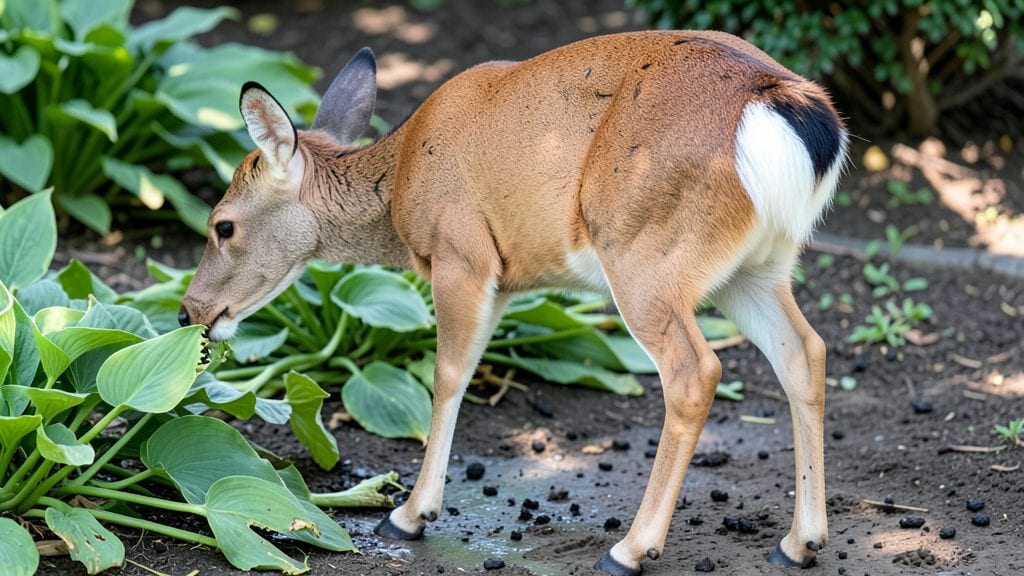
Stop deer from eating hosta plants without harming them or your garden. 🌿 My hostas used to look like Swiss cheese after deer visits, but this spicy pepper spray turned them into a no-go zone overnight.
The secret lies in blending natural ingredients that deer absolutely hate—their sensitive noses can't stand it.
This foolproof mix uses cayenne pepper, garlic, and rotten eggs in water, creating a smell so strong deer won’t come near. You’ll need just 3 ingredients, a spray bottle, and 15 minutes to whip it up.
The best part? It’s safe for plants, pets (when dry), and the environment—no harsh chemicals here.
After spraying, your hostas will stay lush and intact, with deer moving on to easier snacks. Reapply every 2-3 weeks or after rain, and watch your garden thrive without the constant nibbling. The peace of mind is worth every minute spent mixing.
Works for any garden size, from small containers to large landscapes. Once you try it, you’ll wonder why you didn’t do this sooner—your hostas will thank you!
Why Deer Target Hosta Plants
Hostas may look like the perfect addition to your garden—lush, low-maintenance, and full of vibrant foliage—but they’re also a deer’s dream snack. 🦌🌿 Understanding why deer zero in on hostas is the first step to protecting your plants.
The reasons range from nutritional appeal to behavioral instincts, and knowing these triggers helps you outsmart the problem before it starts.
🌱 Hostas are nutrient-rich bites
Deer are opportunistic browsers, and hostas offer a nutritional powerhouse in a single bite. These plants are packed with:
- High moisture content: Hostas retain water well, making them hydrating and easy to digest—especially during dry spells when other plants wilt.
- Moderate protein and carbohydrates: While not as protein-heavy as legumes, hostas provide a balanced meal that’s easier to process than woody stems or tough grasses.
- Low fiber: Unlike many ornamental plants, hostas have tender leaves that require minimal chewing, saving deer energy for bigger meals.
Science note: Deer prefer plants with a moderate nutrient profile—too much fiber (like in grasses) or too little (like in some succulents) makes them less appealing. Hostas hit the sweet spot. 📊
🌙 Nighttime foraging instincts
Deer are crepuscular, meaning they’re most active at dawn and dusk—the same times your hostas are most vulnerable. Here’s why:
- Cooler temperatures: Heat stress is lower, so deer can graze longer without overheating. Hostas, with their thick leaves, stay cooler than sun-exposed plants.
- Reduced human activity: Fewer people and pets mean less risk of startling them. Your garden becomes a safe feeding zone after dark.
- Moonlight visibility: Hostas’ glaucous (blue-gray) or variegated leaves reflect moonlight better than dark foliage, making them easier to spot in low light. 🌙
Actionable insight: If you notice chewed hostas in the morning, the damage likely happened between 9 PM and 3 AM—peak deer activity hours.
🌿 Lack of natural deterrents
Unlike some plants that evolved chemical defenses (e.g., thorns, bitter compounds, or strong scents), hostas are chemically bland to deer. They lack:
- Toxic alkaloids: Many deer-resistant plants (like daffodils or foxglove) contain compounds that make them taste foul or cause digestive upset. Hostas? Deliciously neutral.
- Volatile oils: Plants like lavender or rosemary emit strong aromas that repel deer. Hostas have a mild, almost imperceptible scent—inviting, not intimidating.
- Physical barriers: No prickles, sticky sap, or sharp edges deter deer. Hostas’ soft, broad leaves are designed for easy consumption.
Pro tip: Deer learn by trial and error. If they nibble a hosta once and feel no negative effects, they’ll return—and bring friends. ✨
🏡 Garden accessibility and habitat
Deer don’t just wander randomly—they’re drawn to gardens that offer:
- Easy access: Overgrown shrubs, unsecured fences, or gaps in landscaping make your hostas an open buffet. A 4-foot fence is often ineffective; deer can jump 6–8 feet easily. 🦌💨
- Shelter nearby: Wooded edges, tall grass, or dense bushes provide hiding spots where deer can approach undetected. Hostas near these areas are high-risk.
- Water sources: Gardens with ponds, birdbaths, or even dew-covered hostas attract deer for hydration. A thirsty deer will graze nearby to replenish fluids.
Key observation: Deer rarely venture into wide-open spaces where they feel exposed. If your hostas are near a forest’s edge or a neighbor’s yard, they’re prime real estate for deer traffic.
Bottom line: Hostas aren’t just tasty—they’re convenient for deer. By recognizing these triggers, you can flip the script and make your garden less appealing (or even dangerous) to these leaf-munching visitors.
Practical Fixes for Deer-Proof Hostas
Deer may love your hostas, but you don’t have to! The good news? There are effective, budget-friendly solutions tailored to why deer are munching in the first place. Below, we match common causes with proven fixes—plus prevention tips to keep your hostas safe long-term.
🌶️ When Deer Are Drawn to Hostas as a Food Source
Hostas are like an all-you-can-eat buffet for deer, especially when other greens are scarce. To deter them, make your plants less appetizing without harming the environment.
🔥 Spicy Pepper Spray (Top Pick!)
Mix 1 tablespoon of cayenne pepper or crushed red pepper with 1 quart of water and a few drops of dish soap. Spray this on hostas (and nearby areas) after sunset—deer avoid the burn and the scent. Reapply every 2–3 weeks or after rain.
- Pro tip: Add garlic powder (1 tbsp per quart) for extra repellent power. 💡
- Safety note: Test on a small leaf first—some hostas may react to sprays.
🍎 Plant Deer-Resistant Companions
Surround hostas with plants deer hate, like:
- Lavender (strong scent)
- Russian sage
- Foxglove
- Alliums (onion family)
Deer will circle around these "bodyguards" to avoid the bitter or pungent flavors.
🌱 Use Physical Barriers (Low-Tech but Effective)
If sprays aren’t enough, block access with:
- Chicken wire fencing (6–12 inches tall, buried 3 inches deep)
- Plastic tree guards (wrap around individual hostas)
- Deer netting (lightweight, secure with stakes)
Pro tip: Add prickly plants like barberry bushes along the fence line—deer will not jump through them! ✨
🦌 When Deer Are Browsing Out of Habit or Curiosity
Sometimes, deer nibble simply because they can. Break the habit with visual and scent-based deterrents.
🎯 Motion-Activated Sprinklers
Devices like the ScareCrow or Orbit Enforcer spray water when deer approach. The surprise scares them away and teaches them to avoid your garden.
- Best for: Small to medium yards (coverage up to 3,000 sq. ft.).
- Bonus: Also deters rabbits and raccoons!
🕯️ Fake Predators & Reflective Objects
Deer are wary of predators. Try:
- Predator statues (life-sized coyote or owl)
- Reflective tape or CDs (hang in trees or stake into soil—they flash in sunlight)
- Old CDs on strings (wind makes them spin, creating movement)
Pro tip: Move these every few days—deer get wise to static objects. 🔥
🚫 Remove Hiding Spots & Food Sources
Deer browse where they feel hidden and safe. Trim dense shrubs near your garden, and remove fallen fruit or weeds that might lure them closer.
🌧️ When Deer Are Desperate (Winter or Drought)
In harsh conditions, deer will eat anything. Outsmart them with alternative food sources and habitat adjustments.
🌾 Offer a "Deer Buffet" Elsewhere
Plant a separate patch of deer-friendly greens (like clover or wheatgrass) far from your hostas. Use a fenced-in area to keep them contained.
💧 Provide Water Sources Away from Hostas
Deer follow water. Place a deer-proof birdbath or shallow pond at least 20 feet away from your garden. Add a small solar-powered fountain—the noise and movement will keep them distracted.
🌿 Use Tall Grasses or Corn as a Distraction
Deer prefer easy, low-effort meals. Plant tall ornamental grasses or corn on the garden’s edge—they’ll waste energy trying to reach them and move on.
🛡️ Long-Term Prevention Tips
Stop deer before they start with these passive strategies:
- ✅ Fence early: Install fencing before deer discover your hostas as a snack spot.
- ✅ Rotate deterrents: Switch between sprays, motion sprinklers, and companion plants to confuse deer.
- ✅ Keep the yard tidy: Rake up fallen leaves and debris—deer use them for cover.
- ✅ Use multiple layers: Combine sprays + barriers + companion plants for maximum protection.
- ✅ Check local regulations: Some areas restrict certain repellents—opt for pet-safe options like vinegar-based sprays if needed.
Remember: Deer are creatures of habit. With consistency, they’ll learn your hostas are not on the menu—and your garden will thrive! 🌱
Frequently asked questions
How often should I reapply the spicy pepper spray?
For best results, reapply the spicy pepper spray every 2-3 weeks, or immediately after heavy rain. Deer have sensitive noses, so consistency is key—they’ll avoid your hostas once they associate the smell with discomfort. Apply it in the evening when deer are less active for maximum effectiveness.
Will this spray harm my hosta plants?
The spicy pepper spray is safe for hostas when used as directed. Always test a small area first to check for sensitivity, and avoid spraying on hot, sunny days to prevent leaf burn. The dish soap helps the mixture adhere to leaves without harming the plant itself.
What if deer keep returning despite using the spray?
If deer persist, combine methods! Try adding chicken wire barriers around plants, planting deer-resistant companions like lavender nearby, or using motion-activated sprinklers. Deer learn quickly—consistency across multiple deterrents usually breaks their habit.
Can I use this spray in winter when deer are more desperate?
Winter is when deer become even more persistent, so your deterrent becomes extra valuable. The spray remains effective, but pair it with alternative food sources (like clover) far from your hostas to distract them. Cold weather doesn’t weaken the repellent’s power.
Is this solution safe for pets and children?
Once the spray dries completely, it’s safe for pets and kids. Always apply it after sunset so it has time to dry before anyone comes into contact with the plants. The cayenne and garlic ingredients lose their potency once dry, making it non-toxic.