
Pruning
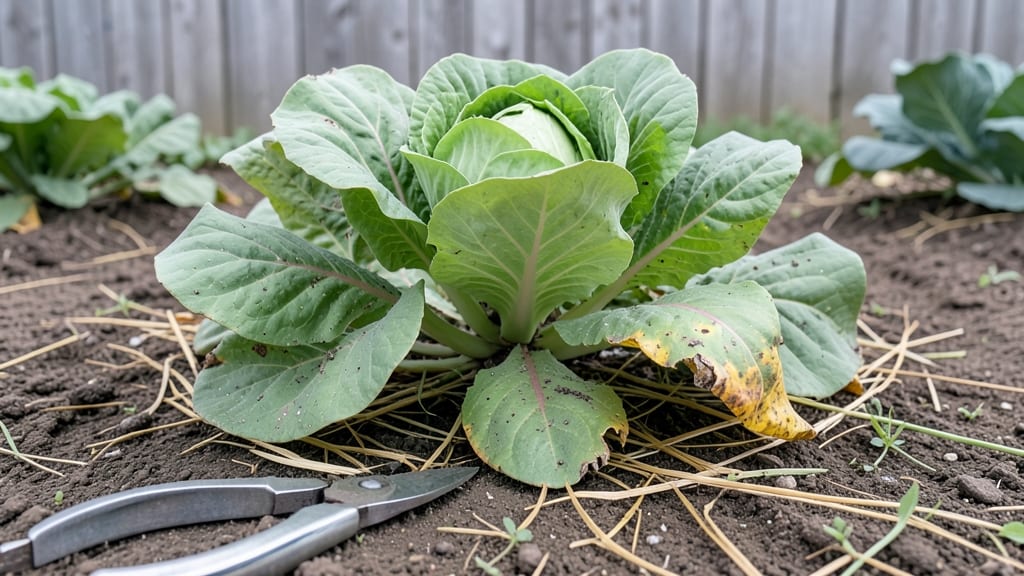
Trimming lettuce plants isn't just about harvesting—it's the secret to lush, continuous harvests that keep your garden productive for months. ✨ I learned this the hard way after watching my bolted lettuce turn bitter in one brutal heatwave, but now I treat trimming like a weekly ritual that keeps plants happy and my kitchen stocked.
The right tools make all the difference: a sharp pair of kitchen scissors or clean pruning shears (no rusty garden tools here). You'll want to harvest the outer leaves first, cutting just above where new growth begins—never more than a third of the plant at once.
This keeps the center strong while giving you fresh greens every 7-10 days.
What you end up with is a never-ending salad bowl—crisp, tender leaves that stay sweet and bolt-resistant. The plants grow fuller, shade their own roots better, and actually thrive under regular attention. Even my black thumb can't kill these after mastering this simple technique.
Works for all lettuce types—romaine, butterhead, loose-leaf—whether you're growing in containers or garden beds. The key is consistency: trim when leaves reach 4-6 inches tall, and you'll harvest for weeks instead of days. Let's get those scissors sharp!
📚 In This Guide
- What you need
- Instructions
- Tips and common mistakes
- Wrapping up and next steps
What you need
- ● Sharp pruning shears or scissors – Choose clean, stainless steel shears (4-6 inches) with ergonomic handles for comfort.
- ○ Gloves (optional but recommended) – Nitrile or gardening gloves to protect hands from thorns (like on romaine) and dirt.
- ● Clean, sharp knife or kitchen scissors – Backup option for small trims (sterilize with rubbing alcohol first!).
- ● Watering can or hose with a gentle spray nozzle – For post-trim hydration (1-2 gallons per plant).
- ● Compost bin or bucket – To collect trimmed leaves for nutrient-rich compost.
- ● Labeling tags or markers – If trimming multiple varieties (e.g., butterhead vs. leaf lettuce).
- ● Pruning spray (copper-based or neem oil) – Prevents disease if trimming in humid conditions.
- ● Knee pad or small stool – For comfort during long trimming sessions.
- ● Salad spinner or colander – For rinsing and drying trimmed leaves before storage.
- ● Storage containers (airtight) – Keep trimmed leaves fresh in the fridge (3-5 days) or freezer (blanched).
- ● Notebook or app (e.g., Gardenate) – Track growth stages and trim schedules.
Step-by-Step instructions for trimming lettuce plants
Here’s how to keep your lettuce thriving with clean cuts and continuous harvests.
✂️ Step 1: Identify the Right Time to Trim
Wait until your lettuce reaches 4-6 inches tall with at least 4-5 mature outer leaves. These leaves are ready for harvest—they’ll be fully formed and firm to the touch. If you pick too early, the plant won’t have enough energy to regrow. I always check the outer leaves first; they should feel crisp and fully unfurled.
Morning is the best time to trim—lettuce holds up better in the heat after a cool night. Avoid harvesting in the afternoon, especially on hot days, or the leaves will wilt quickly. You’ll know it’s time when the center leaves are still small and tender, signaling the plant is ready to regrow.
✂️ Step 2: Use the Right Tools for Clean Cuts
Grab a pair of sharp, clean scissors or pruning shears—never tear leaves by hand. Dull tools crush stems and invite disease. I sanitize my scissors with rubbing alcohol between uses to prevent spreading bacteria. Hold the blade at a 45-degree angle just above where the outer leaves meet the inner rosette.
Make a single, smooth cut through the stem. Avoid snipping too close to the center—leave at least 1-2 inches of growth to encourage regrowth. If you cut too low, you risk damaging the heart of the plant, which can stunt future harvests. A clean cut also prevents ragged edges that attract pests.
🌿 Step 3: Harvest Outer Leaves for Continuous Growth
Focus on harvesting the outer leaves first, leaving the inner leaves intact. These younger leaves will continue growing, giving you multiple harvests from one plant. I like to work from the bottom up, removing the largest, most mature leaves first. This method keeps the plant balanced and prevents it from bolting (going to seed) too quickly.
If your lettuce is bolted (tall and flower-stalked), it’s past its prime for harvesting. But if the plant is still low and leafy, you can keep trimming for weeks. Just avoid taking more than ⅓ of the plant at once)—this ensures the center stays strong enough to produce new growth.
💧 Step 4: Water and Fertilize After Trimming
After harvesting, give your lettuce a deep watering to replenish moisture lost during cutting. Water at the base of the plant in the morning so leaves dry quickly, reducing the risk of fungal issues. I use a watering can with a gentle spray to avoid disturbing the soil around the roots.
If your lettuce looks tired after trimming, add a balanced liquid fertilizer (like 10-10-10) diluted to half strength. This gives the plant a quick nutrient boost to recover and regrow. Avoid over-fertilizing—too much nitrogen can cause bitter leaves, and too many salts can damage roots.
☀️ Step 5: Monitor Light and Space for Regrowth
Lettuce needs 4-6 hours of sunlight daily for best regrowth. If your plants are shaded, they’ll grow slowly and taste bitter. I rotate my containers a quarter turn every few days so all sides get even light exposure. This prevents leggy growth and keeps the plant compact.
Thin crowded plants if needed—lettuce needs 6-12 inches of space between plants to avoid competition. If leaves start yellowing after trimming, they might be getting too much sun or not enough water. Adjust accordingly, and you’ll keep harvesting fresh, crisp lettuce for weeks.
Tips & tricks for perfect lettuce trimming
Here's what I've learned after years of growing lettuce—these little details make all the difference between a struggling plant and one that keeps producing crisp, fresh leaves.
The Height Factor: When your lettuce reaches that perfect 4-6 inch height with 4-5 mature outer leaves, don't wait another day! I've seen lettuce bolt (go to seed) overnight if left too long. The key is checking the outer leaves—they should be fully unfurled and firm, while the inner leaves remain small. This balance tells you the plant has enough energy stored to regrow after trimming.
Tool Technique: That 45-degree angle in Step 2 isn't just for looks—it creates a clean cut that heals faster. I've ruined plants by cutting too straight across, which leaves a larger wound. Also, always leave those 1-2 inches of growth at the center—this is where new leaves emerge. If you cut too close, you're basically cutting off your lettuce's future harvests.
Harvest Strategy: Working from the bottom up in Step 3 prevents overcrowding and makes the plant more stable. I've found that removing just the largest outer leaves (never more than ⅓ of the plant) keeps the center strong enough to regrow. Think of it like giving your lettuce a haircut—you wouldn't shave your head, would you?
Regrowth Rescue: If your lettuce looks tired after trimming, that deep watering in Step 4 is crucial, but timing matters. Water in the morning so leaves dry completely by night—wet leaves in cool evenings invite fungal problems. And that balanced fertilizer? I've learned the hard way that too much nitrogen makes leaves bitter, so always dilute to half strength.
Pro Tips for Trim Lettuce Plants
- Here's what I've learned after years of growing lettuce—these little details make all the difference between a struggling plant and one that keeps producing crisp, fresh leaves.
- The Height Factor: When your lettuce reaches that perfect 4-6 inch height with 4-5 mature outer leaves, don't wait another day!
- Tool Technique: That 45-degree angle in Step 2 isn't just for looks—it creates a clean cut that heals faster.
Frequently asked questions
Got questions about trimming lettuce like a pro?
You’re not alone! Here are answers to the most common questions to help you master the art of harvesting without sacrificing your plants.
When is the best time to trim lettuce?
Trim lettuce in the early morning when it’s cool and crisp—this ensures quality and reduces stress on the plant. Avoid harvesting after heavy rain or during peak heat, as leaves may wilt or taste bitter. Consistency is key: aim for a trim every 1–2 weeks for continuous growth.
Can I cut lettuce leaves instead of pulling them?
Cutting leaves (about 1–2 inches above the base) encourages regrowth, while pulling entire leaves can stunt the plant. Use sharp scissors or pruners to avoid tearing. For loose-leaf varieties, you can even harvest individual leaves as needed—no need to wait for full maturity!
What if my lettuce bolts after trimming?
Bolting (sending up a flower stalk) happens when lettuce senses heat or stress. To delay it, trim only the outer leaves, keep soil moist, and provide shade during hot days. If bolting occurs, harvest the leaves quickly—they’re still edible (though bitter) and can be used in soups or smoothies.
How do I store trimmed lettuce to keep it fresh?
Store trimmed lettuce in a perforated plastic bag in the fridge (35–40°F) for up to 5–7 days. For longer storage, wrap leaves in a damp paper towel and place them in a container. Avoid washing until ready to eat—excess moisture speeds up spoilage. Pro tip: Trim again before storing to remove damaged edges.
Will trimming lettuce make it grow faster?
Yes! Regular trimming stimulates new growth by redirecting energy to the plant’s center. However, avoid over-trimming—leave at least 2–3 inches of growth to prevent stress. For head lettuce (like romaine), trim only the outer leaves to preserve the core. Loose-leaf varieties thrive with more frequent cuts!
| Quick Troubleshooting Guide |
|---|
|
Yellow leaves? Trim them immediately—they’re past their prime and can attract pests. Leggy growth? Thin seedlings early to avoid overcrowding and improve air circulation. Pests after trimming? Remove affected leaves and treat with neem oil or insecticidal soap. |
Wrapping up and next steps
Trimming your lettuce plants isn’t just about keeping them neat—it’s the secret to a thriving, long-lasting harvest! 🌱 By mastering the art of precision cuts, you’ll encourage bushier growth, deter pests, and enjoy fresh greens for weeks.
Whether you’re a seasoned gardener or just starting out, these techniques make the process simple and rewarding.
Now that you’re armed with the know-how, grab those shears and get trimming! 🌿 Start with your oldest leaves, and soon you’ll be enjoying a steady supply of crisp, homegrown lettuce. Happy gardening—and happy munching! 🥗