
Planting
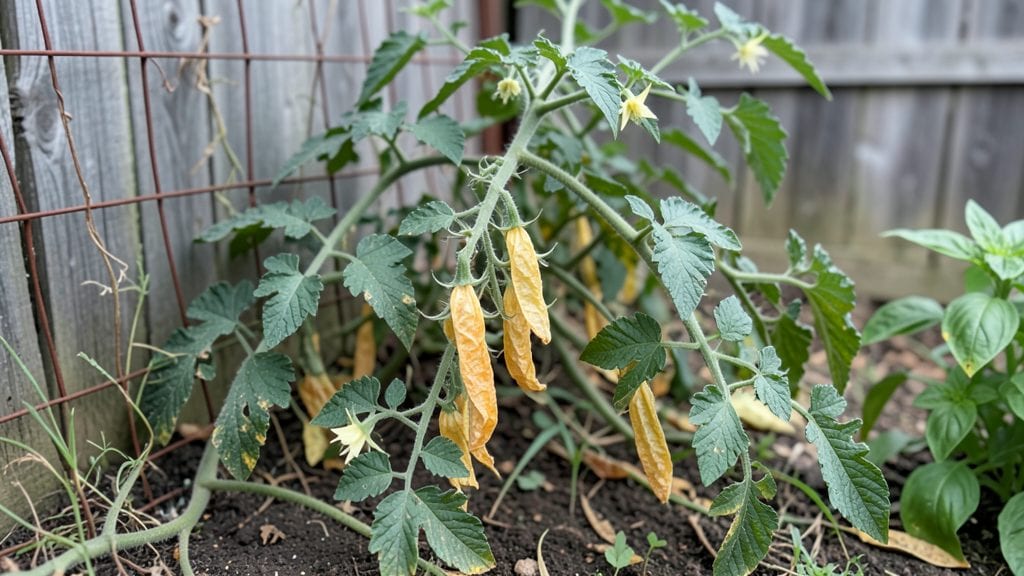
Growing husk tomato plants delivers fruit that looks like golden lanterns and tastes like sunshine—sweet, tangy, and packed with flavor that ripens all summer long. 🌟 I planted my first batch last spring after seeing them at a farm stand, and now I can't imagine growing anything else.
The edible husks alone make them worth the effort, plus they're more disease-resistant than regular tomatoes.
The secret to success starts with soil that drains well but holds moisture—think rich, slightly sandy loam. They need full sun (6+ hours daily) and consistent watering, but avoid soggy roots.
My plants thrived in 5-gallon containers, and I found pruning just the suckers (those little shoots in the leaf axils) keeps energy focused on fruit production. The real magic happens when you hand-pollinate the flowers in the morning—just give them a gentle shake or use a paintbrush.
By mid-July, you'll be harvesting fruit that ripens directly on the vine, with colors shifting from green to golden. The flavor deepens as they sit on the plant, and the husks add a fun crunch.
My first crop yielded enough for salsas, sauces, and even candied husks—plus, the birds and pests leave them alone. The only challenge? Blossom end rot, which I fixed by adding crushed eggshells to the soil for calcium.
Works beautifully in gardens, containers, or even hanging baskets. Once you try them, you'll never go back to ordinary tomatoes. Here's how to get started with foolproof care that delivers results every season.
📚 In This Guide
- What you need
- Instructions
- Tips and common mistakes
- Wrapping up and next steps
What you need
- ● Husk tomato seeds – Start with Physalis ixocarpa or Physalis philadelphica seeds (10-20 seeds per plant, depending on spacing).
- ● Growing containers or garden bed – At least 12-18 inches deep with well-draining soil. For containers, use 5-gallon pots or larger (1 plant per container).
- ● High-quality potting mix or garden soil – Well-draining, fertile soil with a pH of 6.0-7.0. Mix in compost (20-30%) for nutrients.
- ● Organic fertilizer – A balanced 10-10-10 or 5-5-5 (or compost tea for organic growers).
- ● Watering can or hose with a gentle spray nozzle – Husk tomatoes need consistent moisture but hate soggy roots.
- ● Mulch (straw, grass clippings, or shredded leaves) – Helps retain moisture and suppress weeds.
- ○ Trellis or small stakes (optional but helpful) – Plants can grow 3-4 feet tall; support prevents sprawling.
- ● Seed-starting trays (if sowing indoors 8-10 weeks before last frost).
- ● Grow lights (if starting seeds early indoors).
- ● Epsom salt (for magnesium boosts, especially in flowering stages).
- ● Neem oil or insecticidal soap (to prevent pests like aphids or whiteflies).
- ● Pruning shears (for shaping and removing dead leaves).
Step-by-Step instructions for growing husk tomatoes
Here's how I grow these striking, golden fruits that keep producing through summer's heat.
🌱 Step 1: Start Seeds Indoors 8-10 Weeks Before Last Frost
Husk tomatoes need warmth to germinate, so begin with seeds indoors. Fill a seed tray with the seed-starting mix and plant seeds ¼ inch deep, spacing them 1 inch apart. Keep the soil consistently moist at 75-85°F—a seedling heat mat helps tremendously. Cover the tray with plastic wrap until sprouts appear, which should happen in 7-14 days.
Once seedlings emerge, remove the plastic and place them under grow lights for 14-16 hours daily. You'll know they're getting enough light when they grow compact with dark green leaves spaced closely together. If they stretch toward the light, move the lights closer—2-3 inches above the seedlings is ideal.
🪴 Step 2: Transplant Seedlings After All Frost Risk Has Passed
Wait until nighttime temperatures stay above 55°F before moving husk tomatoes outdoors. Choose a sunny spot with 6-8 hours of direct sunlight—these plants thrive in heat but need strong light to produce fruit. Plant seedlings 18-24 inches apart in well-draining soil amended with compost. Dig a hole slightly deeper than the seedling's root ball and firm soil around it to eliminate air pockets.
Water deeply right after transplanting to help roots establish. Mulch around the base with 2-3 inches of mulch to retain moisture and regulate soil temperature. Avoid wetting the leaves when watering—this prevents fungal diseases that husk tomatoes are prone to.
☀️ Step 3: Provide Support and Prune for Airflow
Husk tomatoes grow 4-6 feet tall and need sturdy support. Install a cage or stake at planting time to prevent stems from bending under fruit weight. Prune suckers (the small shoots that form in the leaf axils) to encourage stronger main stems and better airflow. Remove any leaves touching the ground to reduce disease risk.
Pinch off the first few flower clusters if the plant looks leggy. This redirects energy to root and stem growth. Once the plant is established, let it flower freely—husk tomatoes produce golden, papery husks that encase small, sweet berries. Watch for yellowing leaves as a sign of overwatering or nutrient deficiency.
💧 Step 4: Water and Fertilize for Continuous Production
Water husk tomatoes deeply 1-2 times per week, letting the soil dry slightly between waterings. Overwatering leads to blossom-end rot, while underwatering causes fruit to split. Apply balanced fertilizer every 4-6 weeks starting when flowers appear. I use a 10-10-10 formula diluted to half strength to avoid burning the plants.
Harvest fruit when the husks turn golden-brown and feel papery to the touch. Pick them regularly to encourage more production. Husk tomatoes ripen all summer, so you'll enjoy a steady harvest from mid-summer until frost. Save seeds by drying the fruit inside the husks—this unique plant rewards patience with bold, ornamental fruit.
Tips & tricks for growing husk tomatoes
These insider tricks will help you grow the most vibrant, productive husk tomato plants possible—without the common pitfalls.
Seedling Heat Secret: That 75-85°F soil temperature range is critical for germination, but don't overlook humidity. After removing the plastic wrap in Step 1, place a humidity dome or cover the tray with a clear plastic bag to create a mini greenhouse effect. This helps prevent leggy seedlings while maintaining moisture. I've found that seedlings under these conditions develop stronger stems and more vibrant leaves, setting them up for better transplanting success.
Transplant Timing Strategy: Waiting for nighttime temperatures to stay above 55°F in Step 2 is essential, but don't rush the process. I recommend doing a "test transplant" a week before your target date by placing a few seedlings outside during the day and bringing them back in at night. This hardens them off gradually. Also, transplant on a cloudy day or in the late afternoon to reduce stress on the plants.
Support System Game-Changer: When installing cages or stakes in Step 3, don't wait until the plants are already toppling over. Set up support structures at planting time and gradually weave the main stem through the cage as it grows. This prevents the shock of suddenly adding support to a mature plant. I've seen plants with improper support develop weak stems that can't handle the weight of the fruit, leading to broken stems and lost harvests.
Watering Wisdom: The deep watering method in Step 4 works wonders, but timing matters just as much. Water in the early morning so the foliage has plenty of time to dry before evening. This simple adjustment drastically reduces the risk of fungal diseases that husk tomatoes are particularly susceptible to. I've noticed a significant difference in plant health when following this schedule compared to watering in the evening.
Pro Tips for Husk Tomato Plant
- These insider tricks will help you grow the most vibrant, productive husk tomato plants possible—without the common pitfalls.
- Seedling Heat Secret: That 75-85°F soil temperature range is critical for germination, but don't overlook humidity.
- Transplant Timing Strategy: Waiting for nighttime temperatures to stay above 55°F in Step 2 is essential, but don't rush the process.
Frequently asked questions
Got questions about growing husk tomatoes? You’re not alone!
Here’s a quick roundup of the most common curiosities—from planting to harvest—so you can grow these golden gems with confidence.
When is the best time to plant husk tomato seeds?
Start seeds indoors 8–10 weeks before your last frost date (typically late winter for most climates). Husk tomatoes thrive in warm soil—wait until nighttime temps stay above 55°F (13°C) before transplanting outdoors in spring. If your growing season is short, opt for early-starting varieties like ‘Golden Glow’ or ‘Mexican Sun.’
How long does it take for husk tomatoes to produce fruit?
With proper care, husk tomato plants can start flowering in 60–70 days after transplanting and produce fruit within 2–3 weeks after pollination. Patience pays off—some varieties, like ‘Black Prince,’ take slightly longer but reward you with bold, flavorful harvests all summer long!
Why aren’t my husk tomatoes ripening? Troubleshooting tips!
If your fruit stays green or falls off before ripening, check these fixes:
- Heat stress: Husk tomatoes need full sun (6+ hours/day) and struggle in extreme heat (above 90°F/32°C). Provide afternoon shade in scorching climates.
- Pollination issues: Gently shake plants or hand-pollinate with a paintbrush if bees are scarce.
- Nutrient deficiency: Yellowing leaves? Feed with a balanced fertilizer (10-10-10) or compost mid-season.
Can I grow husk tomatoes in containers? What’s the ideal pot size?
Husk tomatoes adapt well to containers. Use a 5-gallon pot or larger (at least 12–18 inches deep) with well-draining soil and support them with a cage or trellis. Place pots in full sun and water consistently—containers dry out faster than garden beds!
What’s the best way to use husk tomatoes in cooking?
These golden fruits are versatile and tangy—try them in:
- Salsas & sauces: Roast and blend with garlic, onion, and lime for a smoky kick.
- Stuffed peppers or wraps: Their jammy texture holds up well in warm dishes.
- Fermented hot sauce: Pair with chiles and vinegar for a zesty, probiotic boost.
- Dried snacks: Slice thin, dehydrate, and sprinkle on salads or popcorn!
Pro tip: Freeze unripe husk tomatoes to ripen later—just store them whole in a paper bag with a banana!
Wrapping up and next steps
Growing husk tomato plants is a rewarding adventure that brings bold, golden flavors and vibrant beauty to your garden all season long! 🌞 Whether you're a seasoned gardener or just starting out, these unique plants offer low-maintenance charm with high-impact results.
With the right soil, sunlight, and a little patience, you’ll soon be harvesting abundant, edible flowers that double as stunning decor.
Ready to take the next step? Start small—plant a few husk tomato seeds or seedlings this spring and watch your garden transform! 🌱 Share your progress with fellow gardeners, experiment with recipes, or even gift your harvest to friends.
The joy of growing husk tomatoes isn’t just in the fruit—it’s in the journey!