
Companion Plants
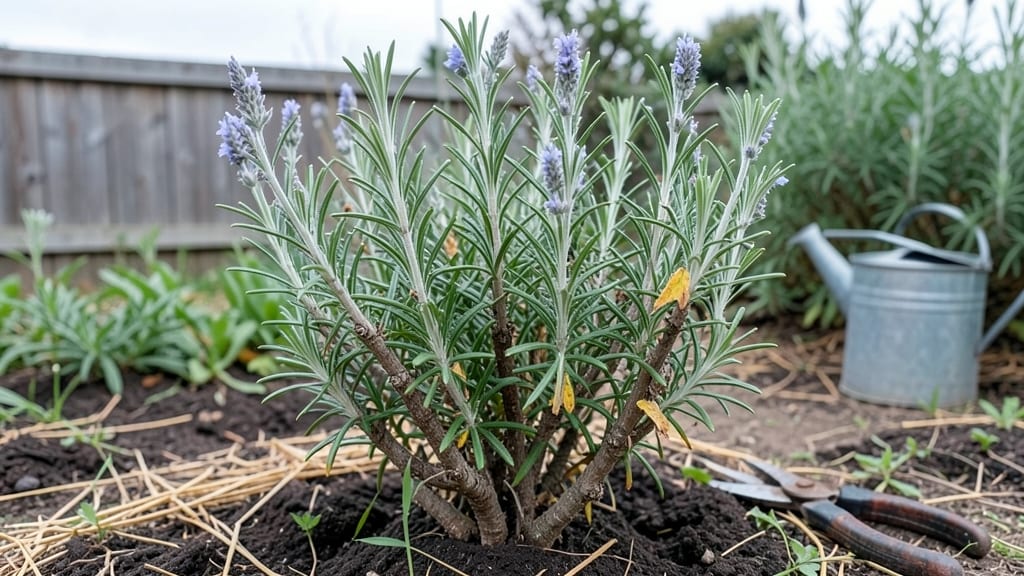
Identifying herb plants by their leaves, stems, and scent is like reading a secret code—once you know the patterns, you’ll never mistake rosemary for thyme again. 🌿 I’ve spent years growing herbs and perfecting the quick visual checks that separate them instantly, even for beginners.
The key? Leaf shape (needle-like vs. broad), stem texture (woody vs. soft), and that unmistakable aroma when you crush a leaf between your fingers.
Take basil, for example—its broad, pointed leaves and purple-tinged stems are dead giveaways, while mint’s square stems and serrated edges make it impossible to confuse with anything else. Rosemary’s needle-like foliage grows in tight clusters, while thyme’s sprawling habit and tiny leaves hug the ground.
Even oregano and marjoram, which look nearly identical, reveal their differences in leaf size and flower color: oregano’s are smaller with purple blooms; marjoram’s are larger with white flowers.
Once you master these visual cues, you’ll spot them in garden centers, wild patches, or even your neighbor’s yard—and suddenly, growing them becomes irresistible.
These herbs thrive in full sun with well-draining soil, and most (like rosemary and thyme) are perennials that come back year after year, rewarding your curiosity with fresh flavors and fragrance.
This isn’t just about labeling plants—it’s about unlocking a world where you can confidently expand your garden, swap cuttings with friends, or even forage for wild edibles. The first step is trusting your senses, and the second is watching your green thumb grow.
Misidentifying Herb Plants
Even experienced gardeners sometimes struggle to correctly identify herb plants, especially when dealing with lookalikes or subtle differences. The confusion often stems from a mix of natural botanical traits, environmental factors, and human perception.
Below, we break down the most common reasons why misidentification happens—and how to avoid falling into these traps.
Many herbs share similar leaf shapes, making them nearly indistinguishable at first glance. For example, dill and fennel both have finely divided, feathery leaves, while mint and oregano can have broad, serrated edges that blur together.
Even basil and cilantro (when young) might look alike if you’re not paying attention to finer details.
Why it happens:
- Evolutionary adaptation: Many herbs belong to the Lamiaceae (mint family) or Apiaceae (carrot family), which have developed similar leaf structures to thrive in similar climates. Nature favors efficiency, not uniqueness!
- Juvenile vs. mature growth: Herb leaves often change shape as the plant matures. A young parsley plant might look like cilantro, but its mature leaves develop a completely different, fern-like structure.
- Variegation and cultivars: Garden centers sell variegated basil or purple-stemmed mint, which can throw off identification if you’re expecting the "standard" version.
How to fix it: Always check the leaf arrangement (opposite vs. alternate) and stem texture. Use a magnifying glass to inspect leaf edges—some herbs have tiny hairs or glands that are key identifiers.
The scent of herbs is one of the fastest ways to identify them—but it’s also one of the most unreliable. A crushed mint leaf smells unmistakable, but what if it’s peppermint vs. spearmint?
Or worse, what if the plant is wild bergamot (a mint relative) but you’re expecting lemon balm?
Why it happens:
- Volatile oils vary: Herbs produce aromatic compounds (like menthol in mint or eugenol in cloves) that can change based on soil, sunlight, and even time of day. A rosemary plant grown in shade might smell milder than one basking in full sun.
- Cross-pollination and hybrids: If two herb varieties grow nearby, their scents can blend. For example, thyme and oregano planted side by side might produce a hybrid with a confusing aroma.
- Disease or stress: A stressed basil plant might lose its signature anise-like scent and take on a musty or sour smell instead.
How to fix it: Never trust smell alone. Pair it with leaf shape, flower structure, and growth habit. If in doubt, do a taste test (safely!)—but only with herbs you’re 100% sure are edible.
Most herb identification guides focus on leaves, but flowers and seed heads are often the most telling features. For instance, dill produces flat-topped yellow umbels, while caraway has smaller, lacy white flowers. Yet, many gardeners harvest herbs before they flower—or simply overlook these details.
Why it happens:
- Seasonal growth cycles: Some herbs (like cilantro) bolt and flower quickly, especially in heat. If you’re not monitoring them, you might miss the key identifying features.
- Self-pruning habits: Gardeners often trim herbs aggressively to encourage leaf growth, preventing flowers from forming. Without flowers, identification becomes guesswork.
- Invasive or wild lookalikes: Plants like wild parsnip (toxic) can mimic carrots or fennel in early stages, but their flower clusters reveal their true nature.
How to fix it: Let a few herb plants flower in a designated "ID patch" in your garden. Take photos of the flowers and seed heads, and compare them to online databases like GRIN or LLIFLE.
Herbs don’t grow in a lab—they adapt to light, soil, water, and temperature, which can drastically change their appearance.
A thyme plant in poor soil might look stunted and resemble creeping charlie (Glechoma hederacea), while a basil plant in low light could develop elongated, weak stems instead of its usual bushy form.
Why it happens:
- Nutrient deficiencies:
Deficiency Effect on Herb Appearance Nitrogen (N) Yellowing leaves (basil looks like it’s legume-wilted), stunted growth (parsley resembles dill) Phosphorus (P) Purple stems (mint looks like dead nettle), slow flowering (rosemary confused with lavender) Potassium (K) Weak stems (cilantro flops like spinach), yellow leaf edges (oregano mimics thyme) - Water stress: Overwatered mint can develop broad, soggy leaves that look like watercress, while underwatered thyme might curl up and resemble sedum.
- Temperature extremes: Cilantro exposed to heat will bolt and taste soapy, while basil in cold snaps may develop blackened leaves, making it look diseased.
How to fix it: Keep a garden journal noting soil conditions, sunlight hours, and watering schedules. Compare stressed plants to healthy reference images from trusted sources like University Herbs.
Some herbs spread aggressively (like mint or chives), while others stay compact (thyme or marjoram). Confusing their growth patterns can lead to misidentification—especially when dealing with wild or invasive species that mimic cultivated herbs.
Why it happens:
- Rhiz
Practical steps to master herb ID
Got tangled in the wild world of green? Don’t worry—identifying herb plants doesn’t have to be a guessing game.
Whether you’re dealing with confusing leaf shapes, mysterious smells, or slow-growing specimens, here’s your step-by-step guide to solving common herb ID challenges—plus prevention tips to keep your garden (or foraging trips) stress-free.
Cause: Herbs like basil, mint, and oregano share similar leaf structures, making them hard to distinguish at first glance. Fix:
- 🌿 Examine the edges: Basil leaves are slightly serrated (like tiny teeth), while mint leaves are smooth with a pointed tip. Oregano leaves are oval and fuzzy.
- 🍃 Check the stems: Basil stems are square (like mint), but oregano stems are round and woody.
- 📏 Measure the leaves: Basil leaves are usually 1–3 inches long; mint leaves are smaller (½–1 inch) and grow in opposite pairs.
Prevention Tip: 💡 Label your plants from day one with a simple stake or tag. Snap a photo of each herb’s unique traits and save it in your phone for quick reference.
Cause: Some herbs (like cilantro vs. parsley) smell completely different when mature, while others (like dill) lose their aroma if grown in poor soil. Fix:
- 🌱 Crush the leaves: Rub a leaf between your fingers—rosemary smells piney, thyme is earthy, and dill is anise-like. If it smells weak or musty, the plant may be stressed.
- 🌞 Check sunlight: Herbs like basil and thyme need full sun (6+ hours/day) to develop strong flavors. Move them if they’re in shade.
- 💧 Test the soil: Dry or waterlogged soil dulls scents. Ideal soil: Well-draining, slightly acidic (pH 6.0–7.0). Add compost if needed.
Prevention Tip: ✨ Harvest regularly—overgrown herbs (like cilantro) bolt and lose flavor. Trim leaves in the morning for the strongest aroma.
Cause: Herbs like parsley and chives grow painfully slow, while others (like mint) spread too fast due to root issues or pests. Fix:
- 🌱 Root check: Dig gently—healthy roots are white and fibrous. Brown/mushy roots? Overwatering. Hard and black? Root rot (fix with fungicide).
- 🐛 Pest patrol: Look for aphids (tiny green bugs) or slugs chewing leaves. Solution: Spray with neem oil or set out beer traps for slugs.
- 🌡️ Temperature troubles: Herbs like basil wilt in heat over 90°F (32°C). Provide afternoon shade or mulch to retain moisture.
Prevention Tip: 🔥 Plant in containers for aggressive spreaders (mint, lemon balm). Use well-draining soil (add perlite) to prevent rot.
Stuck? Use these free tools:
- 📱 Plant ID apps: PictureThis or PlantNet (upload a photo for instant ID).
- 🔍 Leaf databases: USDA Plants or iNaturalist for verified matches.
- 📖 Field guides: The Herb Book by John Lust or Wild Edibles by Thomas Elias for foraging help.
Pro Tip: 🎯 Take notes! Jot down: ✔️ Leaf shape (lobed, serrated, smooth?) ✔️ Growth habit (spreading, bushy, climbing?) ✔️ Flower color (dill = yellow umbels; basil = white spikes)
Final Reminder: Herbs thrive on attention—check them weekly, adjust care as they grow, and soon, you’ll spot a dill plant from 10 feet away. Happy identifying! 🌿🔍
Frequently asked questions
How can I tell the difference between oregano and marjoram?
Look at the leaves and flowers: oregano has smaller, fuzzy leaves and purple flower spikes, while marjoram has larger, smoother leaves with white or pale pink flowers. Both smell similar, but marjoram’s milder flavor comes from its broader leaves.
Why does my basil smell like nothing when I crush it?
Basil loses its signature anise-like scent when grown in low light or poor soil. Move it to full sun (6+ hours/day) and use well-draining soil with compost. Harvest leaves in the morning for the strongest aroma.
Can I identify herbs just by their leaves, or do I need to see flowers?
Leaves are a great start, but flowers are often the key! For example, dill has yellow umbels, while caraway has lacy white flowers. If flowers aren’t present, check leaf arrangement (opposite vs. alternate) and stem texture.
Is there a quick way to distinguish mint from other herbs?
Yes! Mint has square stems and serrated, opposite leaves. Crush a leaf—mint’s scent is unmistakable. Avoid confusing it with wild mint relatives like wild bergamot, which has a different flower shape.
How do I know if my herb plant is healthy or diseased?
Healthy herbs have bright green leaves, white fibrous roots, and no spots. Yellowing leaves = overwatering; brown edges = underwatering. Check for pests (aphids, slugs) and treat with neem oil if needed.