
Planting
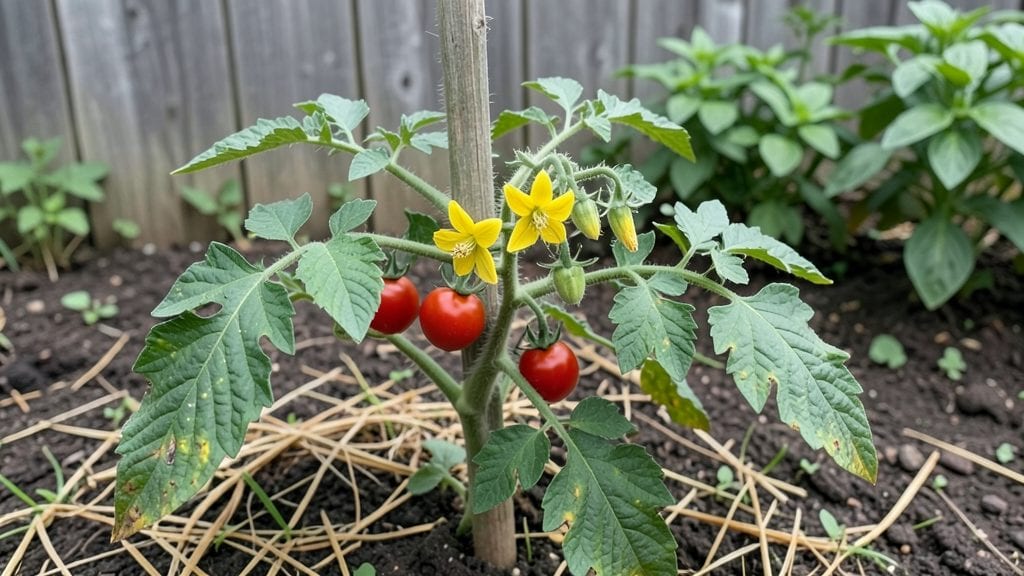
Growing a jubilee tomato plant means fast, lush vines that turn your garden into a sun-drenched tomato factory by midsummer. 🌱 I planted mine last spring and watched those first tendrils climb the trellis within 10 days—it’s the kind of speed that makes neighbors ask how you did it.
The secret isn’t just the variety; it’s matching their growth habits to sunlight, water, and soil in a way that feels almost unfairly productive.
These plants thrive in full sun (6-8 hours daily) and well-draining soil rich in compost—think of it as giving them the premium fertilizer they crave from day one. My first mistake was underestimating their thirst; they drink water like it’s going out of style, especially during fruit set.
A 5-gallon container or raised bed works perfectly, and pruning suckers early keeps energy focused on those heirloom-sized tomatoes everyone raves about.
By July 4th, you’ll be harvesting 10-12 pounds of glossy red fruit that burst with flavor—way sweeter than store-bought. The vines keep producing until frost, and if you pinch back the tips in early summer, you’ll get a second flush of blooms.
It’s the kind of harvest that turns casual gardeners into tomato evangelists overnight.
Works in zones 4-10, whether you’re trellising a balcony or staking a backyard plot. The only real trick is staying ahead of the vines—they grow so fast, you’ll need to tie them up every 3-4 days if you want to keep them vertical.
Let’s get those seeds in the ground!
📚 In This Guide
- What you need
- Instructions
- Tips and common mistakes
- Wrapping up and next steps
What you need
- ● Jubilee tomato seeds or seedlings: 1–3 plants (choose disease-resistant varieties if possible).
- ● Containers or garden bed: Containers: 5-gallon pots (minimum) with drainage holes (3–5 plants per container).
- ● Garden bed: Well-draining soil in a sunny spot (6+ hours of sunlight daily).
- ● High-quality potting mix: 1–2 bags (sterilized, well-draining blend with compost).
- ● Fertilizer: Balanced fertilizer (10-10-10) or tomato-specific fertilizer (e.g., Espoma Tomato-Tone).
- ○ Optional: Slow-release granules or organic options like worm castings.
- ● Support system: Cage (5–6 ft tall) or stakes (6–8 ft) for indeterminate vines.
- ● Twine or plant ties (if using stakes).
- ● Watering can or hose with nozzle: For gentle, deep watering (avoid wetting leaves).
- ● Mulch: Straw or shredded leaves (to retain moisture and suppress weeds).
- ● Trowel or transplanting spade: For planting seeds or seedlings.
- ● Pruning shears: To trim suckers and encourage bushier growth.
- ● pH test kit: Ideal soil pH for tomatoes: 6.0–6.8.
- ○ Shade cloth (optional): For hot climates (30–50% shade during peak sun).
- ○ Drip irrigation system (optional): For consistent moisture without overwatering.
Step-by-Step instructions for growing Jubilee tomato plants
Here’s how to cultivate these vigorous vines into a thriving, high-yielding harvest in record time.
🌱 Step 1: Start Seeds Indoors for a Head Start
Jubilee tomatoes thrive when given a 6-8 week indoor head start before your last frost date. Fill biodegradable seedling pots (3-4 inches deep) with sterile seed-starting mix—never garden soil, as it can harbor diseases that stunt young plants. Moisten the mix until it’s damp like a wrung-out sponge, then press it down lightly to eliminate air pockets.
Plant 2-3 seeds per pot at a depth of ¼ inch, just below the soil surface. Cover them with a thin layer of mix and mist gently with water until the surface looks uniformly damp. Place the pots in a seedling heat mat set to 75-85°F—this warmth accelerates germination, and you’ll see sprouts in 5-7 days. Real talk: if your seeds don’t sprout within 10 days, they’ve likely expired, so don’t waste time waiting.
☀️ Step 2: Provide Optimal Light and Prevent Leggy Growth
The moment those first cotyledons (the tiny seed leaves) emerge, move the seedlings under a full-spectrum LED grow light positioned 2-3 inches above the plants. Jubilee tomatoes need 14-16 hours of light daily—a south-facing window alone won’t cut it. Without enough light, stems stretch weakly (called "leggy"), and the plants never recover their strength.
Here’s the thing—raise the light as the plants grow to maintain that 2-3 inch gap. You’ll know your light is working when seedlings develop bold, dark green leaves spaced 1 inch apart along sturdy stems. If leaves look pale or stems bend toward the light, your setup needs more intensity or closer placement.
🪴 Step 3: Transplant Seedlings Outdoors After Hardening Off
Two weeks before your last frost, begin hardening off seedlings by placing them outside in a sheltered, shaded spot for 1-2 hours the first day. Gradually increase their outdoor time by 1 hour daily until they’re exposed 24/7. This process teaches them to tolerate wind, sun, and temperature swings—skipping it shocks plants and stunts growth.
When nighttime temperatures stay above 50°F and seedlings show 4-5 true leaves, transplant them into the garden. Bury the stems deeply—up to ⅔ of the plant’s height—to encourage strong root development. Jubilee tomatoes thrive in full sun (6-8 hours daily) and well-draining soil amended with compost. Space plants 24-36 inches apart in rows 3 feet apart to allow airflow and reduce disease risk.
✂️ Step 4: Prune and Support for Maximum Yield
Jubilee tomatoes are indeterminate, meaning they grow continuously and need staking or caging to support their 6-10 foot vines. Install 5-6 foot stakes or cages at transplanting, then gently tie the main stem to the support as it grows using soft plant ties. Prune suckers (the small shoots that form in the leaf axils) to direct energy into fruit production—remove them when they’re no larger than a pencil.
Here’s where it gets fun—pinch off the first flower cluster when the plant reaches 3-4 feet tall. This encourages bushier growth and a heavier harvest later in the season. Once the plant is established, water deeply 1-2 times per week, aiming for 1 inch of water per week. Jubilee tomatoes are drought-tolerant once rooted, but consistent moisture prevents blossom-end rot and cracking.
Tips & tricks for fast-growing Jubilee tomato plants
A few strategic moves will help you turn those tiny seeds into a bountiful harvest faster than you'd expect.
Seedling Heat Mat Hack: That 75-85°F heat mat in Step 1 isn't just about warmth—it's about speed. I've seen germination times cut by nearly half when using this setup. Keep the soil consistently moist but not soggy during this phase, as even slight drying can delay those first sprouts by days. Pro tip: Place a humidity dome or plastic wrap over the pots for the first 3-4 days to maintain ideal moisture levels while the seeds germinate.
Light Positioning Strategy: The 2-3 inch gap from your full-spectrum LED in Step 2 is critical, but here's what nobody tells you: Adjust the light height twice daily. As seedlings grow, their leaves will reach toward the light—this is nature's way of telling you it's time to raise it again. Aim to keep the top leaves just brushing the bottom of the light fixture. This prevents leggy growth and ensures compact, sturdy plants ready for transplanting in record time.
Hardening Off Shortcut: Most gardeners drag out the hardening process, but Jubilee tomatoes are tougher than they look. After that initial 1-2 hour first day, increase exposure by 2 hours daily instead of 1. By day 5, your seedlings should be ready for full sun exposure. Just watch for wilting—they'll bounce back quickly if properly hardened. This accelerated timeline gets them garden-ready 3-4 days faster than traditional methods.
Transplanting Depth Secret: Burying those stems up to ⅔ their height in Step 3 isn't just about root development—it's about creating a stronger, more resilient plant. The buried portion will develop additional roots, giving you a plant that's essentially twice as strong. For extra insurance, make a small slit in the stem where it enters the soil—this encourages even more root formation without any risk to the plant.
Pro Tips for Jubilee Tomato Plant
- A few strategic moves will help you turn those tiny seeds into a bountiful harvest faster than you'd expect.
- Seedling Heat Mat Hack: That 75-85°F heat mat in Step 1 isn't just about warmth—it's about speed.
- Light Positioning Strategy: The 2-3 inch gap from your full-spectrum LED in Step 2 is critical, but here's what nobody tells you: Adjust the light height twice daily.
Frequently asked questions
Got questions about growing Jubilee tomato plants? You’re not alone! Here are answers to the most common queries to help you cultivate a thriving vine and maximize your harvest.
How long does it take for Jubilee tomatoes to produce fruit?
The Jubilee tomato plant is a fast grower, typically producing fruit 50–60 days after transplanting (or ~70 days from seed). With its indeterminate growth habit, it keeps yielding until frost—so expect a steady supply of ripe, flavorful tomatoes throughout the season!
Can Jubilee tomatoes grow in containers?
Jubilee tomatoes thrive in containers as long as the pot is at least 5 gallons and has drainage holes. Use a tomato-specific potting mix and provide a sturdy trellis or cage for support. Just ensure the container gets 6–8 hours of sunlight daily for optimal growth.
What pests or diseases should I watch for with Jubilee tomatoes?
Common issues include aphids, hornworms, and blight. To prevent problems:
- Inspect leaves regularly for chewing damage or sticky residue.
- Use neem oil or insecticidal soap for pests.
- Space plants properly (18–24 inches apart) and avoid overhead watering to reduce disease risk.
Do Jubilee tomatoes need pruning?
Pruning isn’t mandatory but can boost airflow and fruit size. Remove suckers (the small shoots between the stem and branches) to redirect energy to fruit production. Focus on keeping the plant open and supported—especially as vines grow 6–8 feet tall!
Are Jubilee tomatoes good for beginners?
Yes! Jubilee tomatoes are disease-resistant, prolific, and forgiving, making them perfect for new gardeners. Their fast growth and continuous harvests reward patience with minimal fuss. Just provide consistent water, sunlight, and support—no green thumb required!
Wrapping up and next steps
Growing a Jubilee tomato plant is a rewarding journey that delivers fast results and a bountiful harvest—perfect for both beginners and seasoned gardeners! 🌱 With its compact vines and prolific fruit production, this variety proves that big yields don’t require endless space.
Whether you’re planting in containers or your backyard, the key is patience, consistent care, and a little love.
Now that you’re equipped with tips and answers, it’s time to roll up your sleeves and get growing! Start by selecting your spot, gathering supplies, and planting those seeds or seedlings—your future tomatoes are waiting. Happy gardening! 🍅✨