
Landscaping
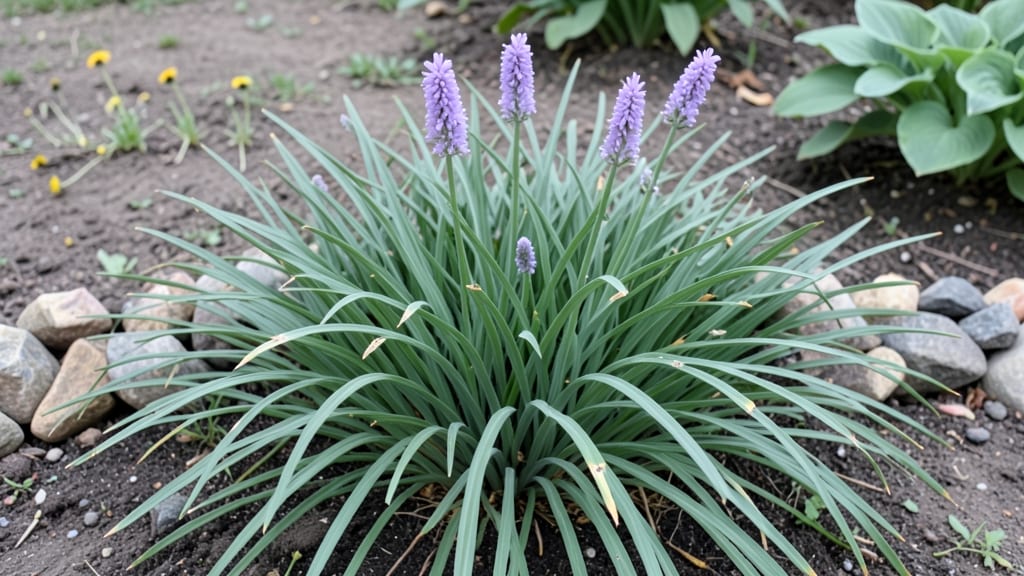
The right landscaping filler plants can transform your bare patches into a thriving privacy screen in as little as three years. I remember planting a row of bare dirt behind my deck—it looked like a construction site—until I filled it with the right fast-growing shrubs and ground covers.
Within a year, the space transformed from an eyesore into a vibrant, functional screen that blocked neighbors' views while adding color and texture.
The key is choosing plants that match your climate, sunlight, and soil. For sun-drenched areas, try evergreen shrubs like arborvitae or deciduous options like Russian olive, which grow 3-5 feet per year.
In shadier spots, hostas or ferns fill gaps quickly while adding height and texture. The best filler plants grow aggressively but stay manageable—no need for constant pruning or weeding once established.
By year three, you’ll have a dense, thriving screen that feels like it’s been there for decades. The plants will complement your existing landscaping, softening edges and creating a cohesive look.
Plus, you’ll save money on privacy fences while adding value to your outdoor space. Here’s how to pick the perfect mix for your yard.
Whether you’re working with a small backyard or a large property, the same principles apply: fast growth, low maintenance, and visual appeal. The results speak for themselves—neighbors will ask how you did it in just three years. Let’s get those gaps filled!
📚 In This Guide
- What you need
- Instructions
- Tips and common mistakes
- Wrapping up and next steps
What you need
- ● Filler Plants: Fast-growing shrubs (e.g., Bamboo, Arborvitae, or Privet) – 10-20 plants per 10 ft of screen, depending on spacing.
- ● Native or drought-resistant plants (e.g., Holly, Boxwood, or Butterfly Bush) – 5-10 plants per 10 ft for variety.
- ● Soil Amendments: Compost or organic matter – 2-3 cubic yards for a 10 ft x 3 ft area.
- ● Slow-release fertilizer (e.g., 10-10-10 or 12-12-12) – 1 lb per 10 sq ft.
- ● Mulch: Shredded bark or pine straw – 2-3 bags (2 cu ft each) per 10 ft.
- ● Tools: Shovel or spade
- ● Garden trowel
- ● Pruners or hedge shears
- ● Wheelbarrow
- ● Measuring tape
- ● Gloves and knee pads
- ● Drip irrigation system or soaker hoses for effortless watering.
- ● Plant stakes or markers for organized spacing.
- ● Post-hole digger if installing support structures (e.g., trellises).
- ● Weed barrier fabric to reduce maintenance.
- ● Edging tools for clean, defined borders.
Step-by-Step instructions for fast-growing privacy screens
Here’s how to create a lush, dense privacy screen in just three years using proven filler plants.
Select Fast-Growing Filler Plants for Your Climate
Choose plants that grow 3-5 feet per year and thrive in your hardiness zone. I recommend evergreen shrubs like Leyland cypress for year-round coverage or deciduous options like arborvitae if you prefer seasonal interest. For quicker results, mix bamboo clumps along borders—they spread aggressively and fill gaps fast.
Check sunlight requirements before planting. Most filler plants need 6+ hours of direct sun, but some, like inkberry holly, tolerate partial shade. If your site is shady, opt for rhode island fern or dwarf Japanese holly—they grow steadily without sunburn risks. Skipping this step leads to leggy, sparse growth that never fills in.
Prepare the Planting Site for Optimal Growth
Clear the area of weeds, rocks, and debris, then loosen the soil to a depth of 12 inches with a shovel or rototiller. Amend the soil with 2-3 inches of compost to improve drainage and fertility—this is critical for fast root establishment. For clay-heavy soil, mix in sand or perlite to prevent waterlogging, which stunts growth.
Dig planting holes twice as wide as the root ball but no deeper. Space plants 3-6 feet apart, depending on their mature width. For example, arborvitae need 4-5 feet of spacing, while bamboo clumps can be planted 6 feet apart for full coverage. Water each hole deeply before planting to settle the soil and eliminate air pockets.
Plant and Stake for Structural Support
Remove the plant from its container and loosen the roots if they’re circling. Place it in the hole so the top of the root ball sits 1 inch below the soil line—this prevents stem rot from settling soil. Fill the hole with native soil, pressing gently to eliminate gaps, then water again to encourage root contact.
Stake tall or flexible plants like leyland cypress immediately to prevent wind damage. Use 2-3 stakes per plant, tying them loosely with soft fabric strips. Mulch the base with 2-3 inches of shredded bark, keeping it 6 inches away from the trunk to avoid moisture buildup. This mulch layer retains soil moisture and suppresses weeds, both of which speed up growth.
Water and Fertilize for Rapid Growth
Water deeply 2-3 times per week for the first month, then taper to once a week once established. You’ll know plants are getting enough water when the soil feels damp 2 inches down—probe with your finger to check. Overwatering causes root rot, while underwatering stresses plants and slows growth. Drip irrigation is ideal for consistent moisture.
Apply a balanced, slow-release fertilizer (10-10-10) at planting, then again in early spring and midsummer. For nitrogen-heavy growth, switch to a 20-5-5 formula in spring. Avoid high-phosphorus fertilizers—they encourage root overgrowth at the expense of foliage density. Prune lightly after the first growing season to shape plants and encourage bushier growth.
Prune and Maintain for a Dense Screen
Prune filler plants once a year in late winter or early spring before new growth begins. Remove dead, diseased, or crossing branches first, then trim back overgrowth to maintain the desired shape. For evergreens, aim to reduce height by 1/3 to encourage dense branching. Deciduous plants like arborvitae benefit from light shearing in summer to fill gaps.
Monitor for pests like spider mites or aphids, which thrive on stressed plants. Treat infestations early with neem oil or insecticidal soap—preventing damage keeps plants vigorous. Mulch annually to retain moisture and suppress weeds, which compete for nutrients. With consistent care, your privacy screen will reach full density in 3 years, blocking views and noise effectively.
Tips & tricks for perfect fast-growing privacy screens
Creating a lush privacy screen in just three years requires strategic planning and attention to detail. These insights will help you maximize growth and avoid common pitfalls that slow down your project.
Plant Selection Strategy: For the fastest results, prioritize plants that grow 4-5 feet per year—this is the upper range of the recommended 3-5 feet growth rate mentioned in Step 1. Leyland cypress and bamboo clumps are particularly effective because they not only grow quickly but also fill gaps aggressively. If your site receives 6+ hours of direct sun, these plants will thrive, but if you're working with partial shade, opt for inkberry holly or dwarf Japanese holly, which grow steadily without requiring intense sunlight.
Soil Preparation Insight: The 12-inch soil loosening in Step 2 is crucial, but don't stop there. If your soil is particularly dense or compacted, consider renting a rototiller for a deeper pass—aim for 14-16 inches of loosened soil. This extra depth encourages root expansion, which directly translates to faster above-ground growth. For clay-heavy soil, mix in sand or perlite up to 50% by volume of the compost to improve drainage without overwhelming the soil structure.
Planting Depth and Staking: The 1-inch below soil line recommendation in Step 3 is critical for preventing stem rot, but it's equally important to ensure the root ball is fully covered with soil. Press firmly around the edges to eliminate air pockets, which can cause roots to dry out or suffocate. When staking, use 3 stakes per plant for tall varieties like Leyland cypress—this provides better wind resistance than just 2-3. Tie them loosely with soft fabric strips to avoid damaging the bark as the plant grows.
Watering and Fertilizing Schedule: The initial 2-3 times per week watering in Step 4 is essential, but adjust based on rainfall. If you receive 1 inch of rain per week, you can reduce watering to once every 10-14 days once established. For the 10-10-10 fertilizer, apply it in early spring and midsummer, but split the midsummer application into two doses—once in June and again in August. This staggered approach ensures a steady supply of nutrients without overwhelming the plants, which can lead to excessive leafy growth at the expense of root development.
Pro Tips for Landscaping Filler Plants
- Creating a lush privacy screen in just three years requires strategic planning and attention to detail.
- Plant Selection Strategy: For the fastest results, prioritize plants that grow 4-5 feet per year—this is the upper range of the recommended 3-5 feet growth rate mentioned in Step 1.
- Soil Preparation Insight: The 12-inch soil loosening in Step 2 is crucial, but don't stop there.
Frequently asked questions
Got questions about using landscaping filler plants to create a lush, fast-growing privacy screen? You’re not alone! Here are answers to some of the most common concerns—so you can plan with confidence.
What are the fastest-growing filler plants for a 3-year privacy screen?
For speed, opt for Bamboo (running types), Arborvitae, Leyland Cypress, or Willow Trees. These grow 3–5 feet per year and fill gaps quickly. If you prefer low-maintenance, Evergreens like Emerald Green Arborvitae are ideal—they stay dense year-round!
When is the best time to plant filler plants for maximum growth?
Plant in early spring or fall when temperatures are mild (50–70°F). Avoid extreme heat or frost, which stresses roots. Pro tip: Water deeply after planting and mulch to retain moisture—this jumpstarts growth by 30–50%!
Are there budget-friendly alternatives to expensive privacy plants?
Yes! Try Native shrubs (e.g., Elderberry, Sumac) or fast-growing vines (e.g., Honeysuckle, Clematis) on trellises. Even privet hedges (like Ligustrum) are affordable and tough. Check local nurseries for bare-root plants—they’re cheaper and establish well!
How do I prevent pests or diseases in filler plants?
Start with healthy, disease-resistant varieties (e.g., Thuja ‘Green Giant’ over susceptible Arborvitae). Monitor for spider mites, aphids, or fungal spots—spray with neem oil or insecticidal soap early. Pro tip: Prune for airflow to reduce humidity-related issues like powdery mildew.
Can I mix filler plants with flowering plants for color?
Pair evergreens (like Boxwood) with seasonal bloomers (e.g., Azaleas, Hydrangeas, or Butterfly Bush). Just ensure the filler plants won’t overshadow your flowers—place them at the back or sides of beds. Design tip: Use height variation for a layered, natural look!
Wrapping up and next steps
Transforming your outdoor space into a lush, private haven in just three years is totally achievable with the right landscape filler plants! From fast-growing evergreens to vibrant flowering shrubs, these plants not only add beauty but also create natural privacy and curb appeal.
Whether you're a seasoned gardener or a beginner, the key is choosing plants that thrive in your climate and fit your vision.
Ready to get started? Sketch your dream layout, pick your favorites from this guide, and begin planting—your serene retreat is just a few seasons away! 🌿✨