
Companion Plants
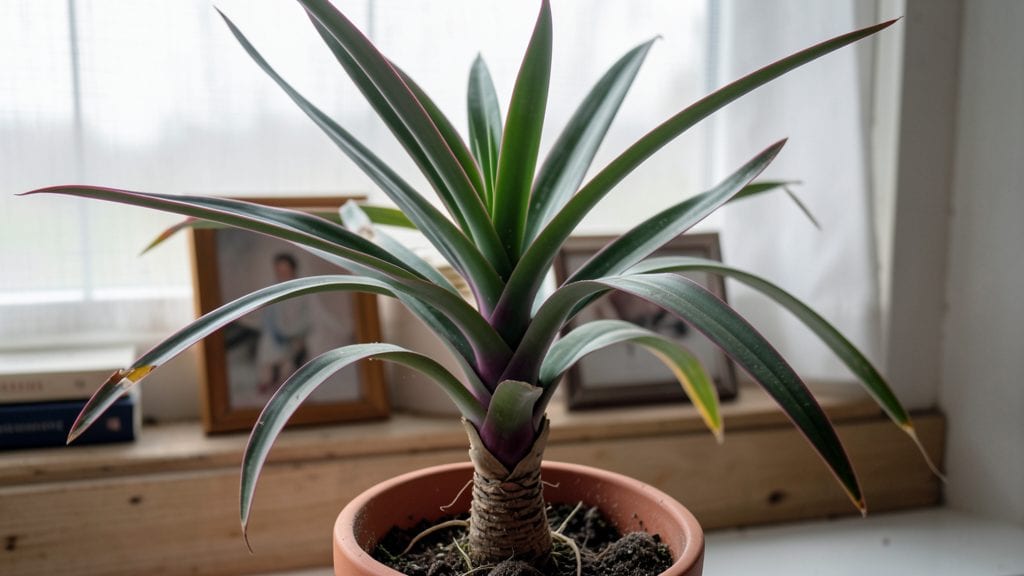
Pointed leaf plants transform any space into a fast-growing privacy screen or striking indoor statement. 🌿 I’ve filled shady corners with ferns and sunlit borders with yuccas—each thrives with minimal fuss once you know their quirks.
The key isn’t just the leaves but how they grow: some stretch skyward, others spread wide, and a few even store water like tiny tanks.
These plants share one trait: sharp, architectural leaves that catch light differently than broad foliage. Think snake plants for low light, agaves for full sun, or dracaenas for that office-corner drama.
They’re forgiving about soil—just avoid soggy roots—and water only when the top inch feels dry. Most need bright light but tolerate a little neglect, making them perfect for busy gardeners.
Pruning keeps them tidy and encourages fuller growth. Snip off brown tips or leggy stems in spring, and watch new shoots pop up within weeks. The result?
A lush, year-round screen that’s faster than traditional hedges and needs far less maintenance. Plus, the pointed leaves add texture that flat-leaf plants can’t match.
Whether you’re lining a fence, filling a pot, or brightening a dim corner, these plants adapt. Start with one variety to test your space, then mix types for height and color.
The payoff? A garden that looks intentional with almost no effort. Let’s get those leaves pointing in the right direction!
📚 In This Guide
- What you need
- Instructions
- Tips and common mistakes
- Wrapping up and next steps
What you need
- ● Pointed leaf plants: Seedlings or cuttings (e.g., Ilex crenata "Sky Pencil," Buxus microphylla "Faith," or Ligustrum japonicum "Waxleaf") – 5–10 plants per 3-foot section of privacy screen.
- ● Soil: Well-draining potting mix or native soil amended with 20% compost (avoid heavy clay).
- ● Containers or planting area: Large pots (12–18 inches deep) for container gardening, or a prepared garden bed.
- ○ Landscape fabric (3–4 feet wide) to suppress weeds (optional but recommended).
- ● Hand trowel (for transplanting seedlings).
- ● Garden gloves (to protect hands from soil and sharp leaves).
- ● Watering can or hose with a gentle spray nozzle (for even moisture).
- ● Mulch (2–3 inches of pine bark or shredded leaves to retain moisture).
- ● Pruning shears (for shaping and maintenance).
- ● Measuring tape (to space plants 12–24 inches apart for optimal growth).
- ● Slow-release fertilizer (e.g., Osmocote) for nutrient boost.
- ● Plant support stakes (if growing tall varieties like Ligustrum).
- ● Fungicide (preventative spray for humid climates).
- ● Drip irrigation system (for consistent watering in large plantings).
Step-by-Step guide to planting pointed leaf plants for fast privacy
Here’s how to create a lush, year-round privacy screen in record time using these striking, fast-growing plants.
🌱 Step 1: Choose the Right Location and Prepare the Soil
Pointed leaf plants thrive in partial shade to full sun, but they grow fastest with at least 4-6 hours of sunlight daily. Scan your yard for spots where sunlight hits for part of the day—this is ideal for their rapid growth. Avoid deep shade, as that slows their development significantly.
Before planting, loosen the soil to a depth of 12 inches using a garden fork. This helps roots spread quickly, which is key for fast privacy. Mix in 2-3 inches of compost to enrich the soil—these plants love nutrient-rich ground. If your soil drains poorly, add a 1-inch layer of sand to improve aeration and prevent root rot.
🪴 Step 2: Plant at the Correct Spacing for Fast Foliage
Dig holes twice as wide as the root ball but only as deep as the container the plants came in. This prevents burying the stems too deeply, which can cause rot. Space plants 3-4 feet apart in rows 4-5 feet apart—this ensures they fill in quickly without overcrowding, which slows growth.
Place each plant in its hole, then backfill with soil, pressing gently around the base to remove air pockets. Water deeply right after planting to settle the soil and encourage root expansion. Here’s the thing—if you skip this step, roots struggle to establish, and your privacy screen will take much longer to fill out.
☀️ Step 3: Water Deeply and Mulch for Rapid Growth
Water once a week for the first month, soaking the soil to a depth of 6 inches each time. After that, water every 5-7 days unless it rains, depending on your climate. These plants love moisture but hate soggy roots, so always let the top 2 inches of soil dry out between waterings.
Spread 2-3 inches of mulch around each plant (but keep it 2 inches away from the stem to prevent rot). Mulch locks in moisture and keeps roots cool, which speeds up growth. I use wood chips because they break down slowly and add nutrients over time—perfect for fast, lush foliage.
✂️ Step 4: Prune for Density and Shape Early
After 4-6 weeks, trim back any leggy or sparse growth to encourage bushier, denser foliage. Cut just above a leaf node (where leaves meet the stem) to stimulate new branches. This pruning trick is what makes pointed leaf plants fill in so quickly—it redirects energy into thicker growth.
Shape the plants lightly every 2-3 months to maintain a neat, uniform look. You’ll see new growth sprouting within 2 weeks of pruning, and that’s your signal it’s working. Avoid heavy pruning in late summer, though—it can stunt fall growth before winter.
🌿 Step 5: Fertilize for Year-Round Lushness
Apply a balanced, slow-release fertilizer (like 10-10-10) twice a year: once in early spring and again in early fall. This keeps the plants fed without overdoing it, which can lead to weak, floppy growth. Water the soil well before and after applying fertilizer to help it absorb evenly.
For an extra boost, mix in a handful of worm castings around the base every 3 months. Worm castings add natural nutrients and improve soil structure, which helps these plants stay vibrant year-round. You’ll notice leaves staying darker and thicker with consistent feeding—proof it’s working.
Tips & tricks for fast-growing pointed leaf privacy screens
These simple tricks will help your pointed leaf plants grow faster and create that lush privacy screen in record time.
Soil Prep Secret: When loosening that 12-inch depth of soil in Step 1, don't just scratch the surface—really work the fork deep to break up compacted layers. I like to add a handful of compost directly to each hole before planting, mixing it with the native soil. This gives roots an instant nutrient boost that makes all the difference for rapid growth. The key is getting that compost right where the roots will spread first.
Planting Spacing Hack: The 3-4 feet apart spacing in Step 2 might seem generous, but trust me—this is what lets them fill in quickly. If you're in a hurry, you can plant them 2 feet apart (just be prepared for more pruning later). The real trick is to stagger rows so plants fill gaps faster. Think of it like a living fence—every inch counts when you're racing for privacy!
Watering Wisdom: In Step 3, that 6-inch deep soak is critical—it encourages roots to grow downward where they'll find stability. I've found that watering in the morning gives plants a full day to absorb moisture before evening evaporation. And here's a pro move: use a soaker hose for 30 minutes instead of quick sprinkles—it mimics natural rain and prevents surface drying.
Pruning Payoff: That first prune after 4-6 weeks in Step 4 is where the magic happens. When you cut just above a leaf node, you're telling the plant "grow here instead!" I like to trim back about one-third of the leggiest stems—this forces bushier growth that fills in faster. The 2-week regrowth is your reward for patience, and it's why these plants become dense so quickly.
Pro Tips for Pointed Leaf Plants
- These simple tricks will help your pointed leaf plants grow faster and create that lush privacy screen in record time.
- Soil Prep Secret: When loosening that 12-inch depth of soil in Step 1, don't just scratch the surface—really work the fork deep to break up compacted layers.
- Planting Spacing Hack: The 3-4 feet apart spacing in Step 2 might seem generous, but trust me—this is what lets them fill in quickly.
Frequently asked questions
Got questions about keeping your pointed leaf plants thriving? You’re not alone! Here are answers to the most common queries to help you grow a lush, private green space with ease.
What are the fastest-growing pointed leaf plants for quick privacy?
For rapid growth, opt for Fatsia japonica (Japanese aralia) or Schefflera actinophylla (octopus tree). Both can grow 1–2 feet per year and thrive in partial shade. If you need height fast, Pieris japonica (Japanese andromeda) offers dense foliage and blooms too!
How long does it take for pointed leaf plants to provide full privacy?
Most pointed leaf plants take 2–5 years to reach full maturity, depending on the species. Faster growers like Schefflera may offer partial privacy in 1–2 years, while slower varieties like Ilex crenata (holly) take longer. Planting multiple layers (tall + medium) speeds up coverage!
Can pointed leaf plants survive in wet or shaded areas?
Yes! Many thrive in partial to full shade, making them perfect for under trees or north-facing yards. Fatsia japonica and Hostas (with pointed varieties like ‘Blue Angel’) love moisture. Just ensure well-draining soil to prevent root rot in soggy spots.
What’s the best way to prune pointed leaf plants for shape and health?
Prune in late winter or early spring before new growth starts. Use clean shears to trim 1/3 of the plant at a time, focusing on overgrown branches. For dense foliage, thin out inner growth to improve airflow. Never prune in fall—it can stimulate tender new growth that won’t survive frost.
Are pointed leaf plants deer-resistant? What pests should I watch for?
Some, like Pieris japonica or Ilex crenata, are deer-resistant, but others (e.g., Hostas) may be browsed. Watch for aphids, spider mites, or scale—spray with water or neem oil if spotted. For extra protection, add a light row cover or companion plants like lavender (deer-deterrent!).
Wrapping up and next steps
Pointed leaf plants like Ilex, Phormium, or Buxus offer a stunning blend of speed, privacy, and year-round beauty—perfect for transforming any space into a lush, serene retreat.
Whether you’re a seasoned gardener or just starting out, these hardy companions deliver low-maintenance elegance and adaptability to nearly any climate. 🌿
Ready to elevate your outdoor oasis? Start by selecting the perfect pointed leaf variety for your space, then grab your tools and dive in—your future green haven awaits! Which one will you try first?