
Pests
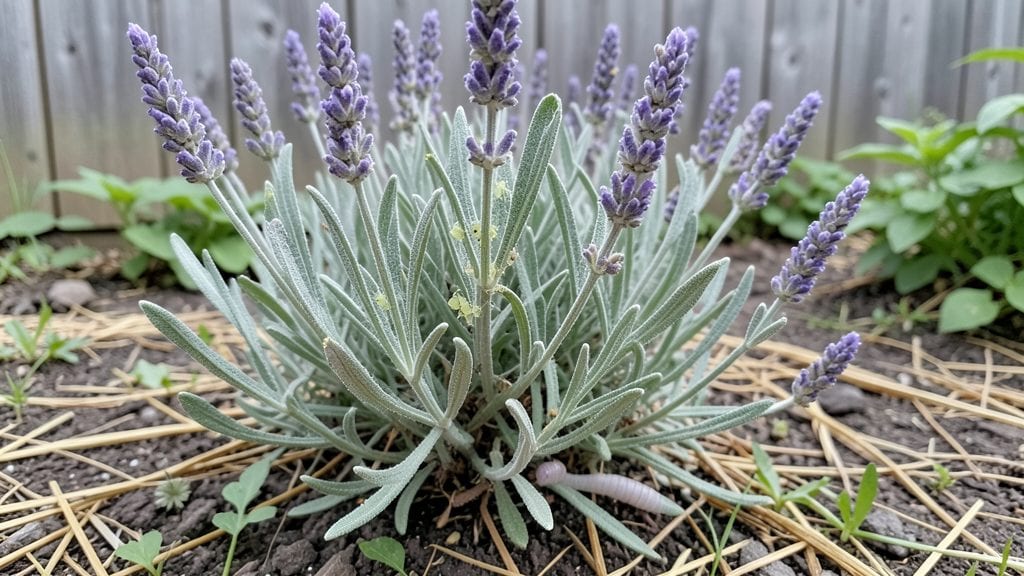
Lavender plant pests can turn your fragrant garden into a battleground if you don’t act fast. I’ve lost count of how many lavender bushes I’ve nursed back from spider mite infestations and leaf miners—each time, the key was catching the problem early and using targeted, organic fixes.
The good news? Most pests hate the same things we love about lavender: strong scents, dry conditions, and a little elbow grease.
Common culprits like aphids, spider mites, and leaf miners leave telltale signs—sticky residue, webbing, or chewed leaves—but the real damage happens when you ignore them. My go-to defense starts with neem oil sprays and companion planting (think rosemary and thyme nearby), which confuse pests while keeping your lavender thriving.
The best part? These methods work without harsh chemicals, so your blooms stay healthy and your bees keep visiting.
You’ll spot the first signs of trouble within 2-3 weeks of planting new lavender, especially if your garden gets hot and dry.
A quick spray of soapy water or garlic tea can stop aphids in their tracks, while a light pruning of infested stems keeps the rest of the plant strong. The goal isn’t just to fight pests—it’s to build a lavender bush so resilient, pests think twice before showing up.
This works for both container-grown lavender and in-ground plants, whether you’re in a Mediterranean climate or a hot, dry zone. The secret? Consistency. Check your plants weekly during peak growing season, and you’ll catch issues before they spiral. Ready to turn your lavender into a pest-free powerhouse?
Root Causes of Lavender Infestations
Lavender’s hardy nature makes it a favorite among gardeners, but even this resilient plant isn’t immune to pest invasions. Understanding why these pests target lavender—and how environmental and plant health factors create the perfect storm—is the first step to organic defense.
Below, we break down the science behind common lavender pest problems, from soil conditions to seasonal triggers.
Pests like aphids, spider mites, and whiteflies are drawn to lavender plants that are already stressed. When lavender isn’t thriving, its natural defenses weaken, making it an easy target. Here’s why this happens:
- Nutrient Deficiencies: Lavender prefers well-draining, alkaline soil with moderate phosphorus and potassium. If the soil lacks these nutrients, the plant becomes vulnerable. Symptoms: Yellowing leaves, stunted growth, and soft stems that pests can easily penetrate.
- Overwatering or Poor Drainage: Lavender hates soggy roots. Excess moisture invites root rot, which weakens the plant’s immune response. Pest magnet: Fungal gnats and slugs thrive in damp, decaying organic matter around lavender.
- Compacted or Poor Soil: Dense soil restricts root growth, reducing the plant’s ability to absorb water and nutrients. Result: Stunted lavender becomes a buffet for sap-sucking insects like lavender lace bugs.
💡 Pro Tip: Conduct a simple soil test (pH 6.5–7.5 is ideal for lavender) and amend with coarse sand or perlite to improve drainage. Healthy lavender = fewer pest parties!
Pests don’t attack lavender randomly—they follow seasonal patterns and climate conditions that favor their survival. Here’s how timing and weather play a role:
| Pest | Peak Season | Why It Flourishes |
|---|---|---|
| Lavender Aphids | Spring to Early Summer | Cool, humid weather slows lavender’s growth, making new shoots a high-protein snack for aphids. They also spread faster in mild winters. |
| Spider Mites | Late Summer to Fall | Hot, dry conditions cause lavender leaves to wiltingly lose moisture, stressing the plant. Spider mites thrive in drought because their tiny bodies can’t retain water. |
| Whiteflies | Summer (Especially After Rain) | Whiteflies lay eggs on the underside of leaves, which hatch into nymphs after warm, wet weather. Lavender’s fuzzy leaves provide perfect hiding spots. |
| Slugs & Snails | Spring & Fall (High Humidity) | These pests love tender new growth and are drawn to lavender beds after rain. The plant’s aromatic oils (which usually repel pests) become less effective when lavender is stressed. |
🌡️ Climate Hack: If your region has hot, dry summers, mulch lavender with gravel or crushed stone (not organic mulch) to deter moisture-loving pests like slugs.
Some lavender pests don’t just choose the plant—they’re brought in by other organisms or exploit lavender’s ecosystem. Here’s how:
- Ants & Aphids: Ants farm aphids because they excrete honeydew (a sugary waste product). If ants are present, they’ll protect aphids from predators, leading to lavender leaves covered in sticky residue.
- Fungal Gnats & Overwatered Soil: These tiny flies lay eggs in moist, organic-rich soil. If you’ve recently amended lavender beds with compost, you’ve created a gnat nursery.
- Birds & Seed-Borne Pests: Some pests, like lavender borers, hitch a ride on seeds or plant debris. If you’re propagating lavender from cuttings or seeds, sterilize tools to avoid introducing hidden larvae.
✨ Organic Defense: Disrupt ant trails with diatomaceous earth (DE) or plant mint or lavender near ant highways to confuse their scent trails.
Even the best-intentioned gardener can accidentally create a pest paradise. Common human errors include:
- Overcrowding Plants: Dense lavender beds reduce airflow, creating humid microclimates that encourage fungal pests and mites.
- Ignoring Early Signs: Tiny holes in leaves (from lace bugs) or webbing (from spider mites) are red flags. Delaying action lets pests exponentially multiply.
- Using Synthetic Fertilizers: Chemical fertilizers can burn roots, stressing lavender and making it more susceptible to attacks. Solution: Switch to compost tea or fish emulsion for balanced nutrition.
- Skipping Pruning: Deadheading spent blooms removes hiding spots for pests like earwigs and thrips. A well-pruned lavender plant is less appealing to invaders.
🎯 Prevention Tip: Space lavender plants 18–24 inches apart and prune in early spring to encourage airflow and sunlight—nature’s pest deterrent!
Quick Fixes for Common Lavender Invaders
When pests crash your lavender party, don’t panic—act fast with these targeted, organic solutions tailored to each troublemaker. Below, we map the most common culprits to step-by-step fixes, plus prevention tricks to keep your purple powerhouse thriving.
Think of this as your lavender plant’s emergency first-aid kit—no harsh chemicals, just smart, garden-friendly moves.
Signs: Sticky residue (honeydew), curled leaves, tiny green/black clusters on stems.
How to Kick Them Out
- 🔥 Blast Them Off - Spray plants with a soapy water mix (1 tsp mild castile soap + 1 quart water).
Use a gentle stream to dislodge them—aphids hate being wet! - Pro tip: 💡 Add 1 tsp neem oil to the mix for extra pest-repelling power.
- 👨🍳 Introduce Predators
- Ladybugs and lacewings love aphids. Buy them online or attract them by planting dill, fennel, or marigolds nearby.
- 🥘 Prune & Toss
- Snip heavily infested stems (dispose of them in a sealed bag) to stop the spread.
Prevent Future Attacks:
- 🌡️ Space plants 18–24 inches apart for airflow (aphids thrive in crowded, damp spots).
- ✨ Spray neem oil every 2 weeks as a deterrent during growing season.
Signs: Fine webbing on undersides of leaves, yellow speckles, leaves turning brown.
How to Trap & Zap Them
- 🔪 Increase Humidity
- Spider mites dry out fast in humid conditions. Mist plants daily or place a shallow tray of water near them.
- 🍳 DIY Oil Spray
- Mix 1 tbsp vegetable oil + 1 tsp dish soap + 1 quart water. Spray undersides of leaves (they hide there!). Repeat every 5 days.
- 🌊 Rinse with Water
- A strong hose spray (or shower attachment) can knock them off. Do this in the early morning so leaves dry quickly.
Prevent Future Infestations:
- 🎯 Avoid over-fertilizing—mites love nitrogen-rich soil.
- 🔥 Install yellow sticky traps near plants to catch mites before they multiply.
Signs: Wilting, hollow stems, sawdust-like frass (borer poop) at the base.
How to Root Out the Problem
- 🔪 Dig & Destroy
- Gently pull back mulch and inspect stems. If you spot tiny holes or larvae, snip the stem at the base and burn or bag the infested plant (don’t compost!).
- 🥘 Apply Beneficial Nematodes
- These microscopic worms seek out and kill borer larvae. Mix 1–2 lbs of nematodes (like Heterorhabditis bacteriophora) with water and drench the soil at dusk.
- 🌱 Replace Infested Plants
- If the root damage is severe, remove the entire plant and treat the soil with hot water (180°F) or solarization (cover with clear plastic for 4–6 weeks).
Prevent Future Borers:
- 💡 Plant lavender in well-draining soil—borers love soggy roots.
- ✨ Use row covers early in the season to block adult beetles from laying eggs.
Signs: Chewed leaves, silvery slime trails (slugs), rolled-up leaves (earwigs).
How to Outsmart Them
- 🔥 Beer Traps for Slugs
- Bury a small container (like a yogurt cup) filled with beer. Slugs crawl in and drown—easy cleanup!
- 🍳 Diatomaceous Earth Barrier
- Sprinkle food-grade DE around the base of plants. It dehydrates insects but is safe for plants.
- 🌊 Handpick Earwigs
- They hide under boards or rocks during the day. Shake them into a soapy water bucket at dawn.
Prevent Future Visitors:
- 🎯 Remove debris (earwigs love hiding spots).
- 🌡️ Water in the morning—slugs are less active when soil is dry.
💡 Bonus Pro Tip: Rotate your defenses! Pests build resistance, so switch methods every 2–3 weeks (e.g., soap spray → nematodes → sticky traps).
By acting fast and staying consistent, your lavender will bounce back stronger—and those pests? They’ll get the boot for good! 🚫🐛
Frequently asked questions
What are the most common pests that attack lavender plants?
The top troublemakers include aphids (leaving sticky honeydew), spider mites (creating fine webbing), lavender leaf miners (causing serpentine tunnels in leaves), and slugs/snails (chewing edges). Early detection is key—check undersides of leaves weekly during growing season.
How do I tell if my lavender has spider mites vs. aphids?
Spider mites create fine webbing on leaf undersides and cause yellow speckles, while aphids leave sticky residue (honeydew) and cluster on new growth. Hold a white sheet under the plant and shake—aphids will fall like tiny green raindrops, while mites stay hidden in webs.
Can I use neem oil on lavender? Won't it harm the plant?
Neem oil is safe for lavender when used correctly! Mix 1 tsp neem oil + 1 tsp mild soap + 1 quart water and spray in the evening (avoid direct sunlight for 24 hours). It repels pests without damaging the plant’s aromatic oils—just avoid overapplying more than once every 2 weeks.
What's the fastest way to get rid of slugs on lavender?
Bury a shallow container filled with beer near your lavender—slugs are attracted to it and drown overnight. For immediate results, sprinkle food-grade diatomaceous earth around the base (reapply after rain). Handpick at night with a flashlight for visible slugs.
Will companion planting really keep pests away from lavender?
Plant rosemary, thyme, or marigolds nearby—their strong scents confuse pests and attract beneficial insects like ladybugs. Lavender thrives with these companions because they share similar growing conditions (dry, sunny spots) while creating a natural pest barrier.