
Companion Plants
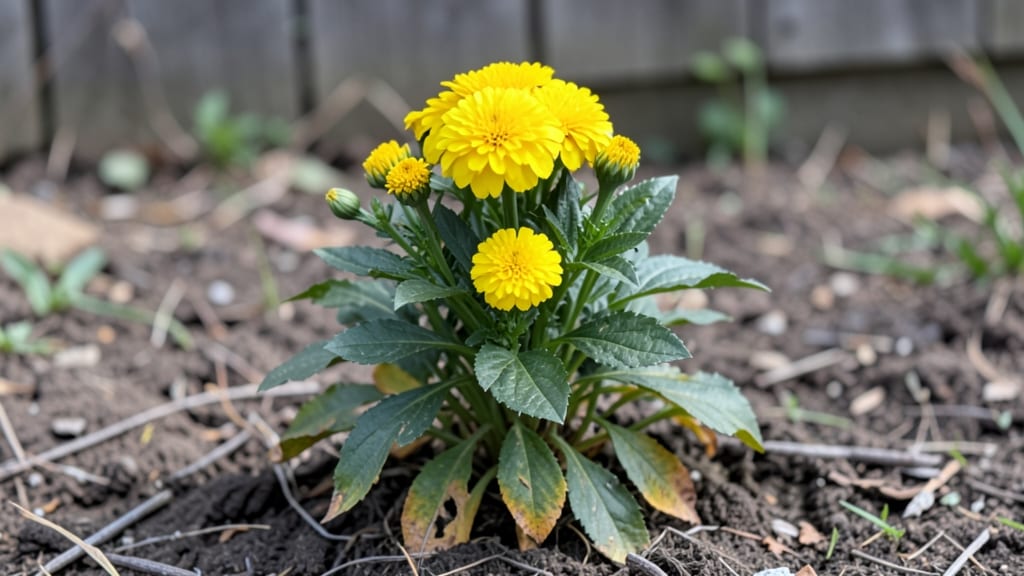
Lemon marigold plants are the unsung heroes of pest-free gardens, their bright citrus scent and golden blooms repelling everything from aphids to nematodes. 🌱 I planted mine last spring after years of battling tomato hornworms, and the difference was night-and-day—my basil stayed aphid-free for the first time ever.
These aren't just pretty faces; they're the biological pest control your garden's been missing.
They thrive in full sun and well-draining soil, making them perfect for warm-season gardens in zones 8-11. Start seeds indoors 6-8 weeks before your last frost, or pop cuttings from mature plants in spring—they root surprisingly fast.
The key is spacing them every 12-18 inches so their pest-repelling power covers the whole area without crowding. I've found they handle heat better than French marigolds, staying vibrant even when temps hit 95°F.
By midsummer, you'll have a lush carpet of lemon-scented foliage and cheerful blooms that keep working for you. The scent alone deters pests, but the flowers attract beneficial insects like ladybugs and lacewings.
Just don't harvest the blooms—they're the main attraction for pollinators and the source of that magical pest-repelling power. I've seen my neighbor's garden go from chemical-dependent to thriving just by adding these around their veggies.
They're particularly effective near tomatoes, peppers, and herbs, but their benefits extend to the whole garden. The only real challenge is keeping them from self-seeding everywhere—just deadhead regularly if you want to control their spread.
Perfect for containers too, if you're working with limited space. Here's how to get yours growing strong from start to finish.
📚 In This Guide
- What you need
- Instructions
- Tips and common mistakes
- Wrapping up and next steps
What you need
- ● Lemon marigold plants (Tagetes lemmonii): 6–12 plants (for small gardens or containers)
- ● 24+ plants (for larger gardens or full pest control)
- ○ Optional: Seeds (if starting from scratch; sow 10–15 seeds per plant)
- ● Well-draining soil: Loamy soil with a pH of 6.0–7.0 (amend with compost if needed)
- ● Container mix (if growing in pots; use a blend with perlite or sand)
- ● Sunlight access: Full sun (6+ hours daily)—lemon marigolds thrive in bright light!
- ● Watering supplies: Watering can or hose with a gentle spray nozzle (avoid soggy roots!)
- ○ Fertilizer (optional but helpful): Balanced, low-nitrogen fertilizer (e.g., 10-10-10 or compost tea)
- ● Apply every 4–6 weeks during the growing season
- ● Mulch (straw or shredded leaves) to retain moisture and suppress weeds
- ● Pruning shears (for shaping or harvesting flowers)
- ● Pest-control companion plants (e.g., basil, garlic, or nasturtiums for extra defense!)
- ● Decorative pots or garden markers (to label and showcase your lemon marigolds 🌼)
Step-by-step instructions for planting lemon marigold plants
Here's how to establish these fragrant, pest-repelling powerhouses in your garden.
🌱 Step 1: Choose the Perfect Location and Prepare the Soil
Lemon marigolds thrive in full sun—select a spot receiving at least 6-8 hours of direct sunlight daily. They tolerate heat and drought once established, making them ideal for sunny borders or vegetable garden edges. Avoid low-lying areas where cold air pools, as they're frost-sensitive.
Amend the soil with 2-3 inches of compost mixed into the top 6 inches of soil. Lemon marigolds prefer well-draining, slightly acidic to neutral soil (pH 6.0-7.0). Work the compost in thoroughly—you'll see the soil loosen and darken, creating an ideal root environment. If your soil is heavy clay, add 1 part perlite per 3 parts soil to improve drainage.
🪴 Step 2: Plant Transplants at the Right Depth and Spacing
Dig holes twice as wide as the root ball but only as deep as the container's root level. Handle transplants gently—grasp the base of the stem rather than the leaves to avoid damage. Place each plant in its hole and backfill with soil, pressing lightly around the edges to eliminate air pockets.
Space plants 12-18 inches apart in rows 18-24 inches apart for optimal airflow and pest-repelling coverage. Overcrowding leads to weak stems and increased disease risk. Water each transplant deeply immediately after planting to encourage root establishment. You'll know the soil is properly settled when it looks firm but not compacted.
💧 Step 3: Establish a Watering Routine Without Overdoing It
Water deeply once weekly during the first 4 weeks to encourage deep root growth. Lemon marigolds are drought-tolerant once established but need consistent moisture during their first month. Aim for 1 inch of water per week, delivered either through rainfall or irrigation. Water at the base of plants in the early morning to prevent fungal issues.
After the initial establishment period, reduce watering to every 10-14 days unless experiencing extreme heat. You'll notice healthy plants have bright green, glossy leaves and a strong citrus scent when brushed against. Wilting or yellowing leaves signal either underwatering or overwatering—check soil moisture before reacting.
✂️ Step 4: Maintain Through the Growing Season
Deadhead spent blooms regularly to encourage continuous flowering and prevent seed formation. Pinch back leggy stems to promote bushier growth—simply snip just above a leaf node using clean, sharp pruners. This practice keeps plants compact and improves their pest-repelling effectiveness.
Apply a balanced organic fertilizer (10-10-10) every 6 weeks during the growing season. Use ½ teaspoon per plant at each feeding. Lemon marigolds are light feeders, so too much fertilizer leads to excessive foliage at the expense of flowers. Watch for new growth and vibrant blooms as signs your plants are thriving.
☀️ Step 5: Prepare for Winter and Next Season's Planting
In fall, reduce watering gradually as temperatures drop. Lemon marigolds are annuals in most climates, so they won't survive winter. However, you can extend their benefits by sowing seeds indoors in late winter for early spring planting. Collect seeds from dried flower heads or purchase fresh packets for next season.
After the first frost blackens the foliage, remove and compost the plants. The empty space creates opportunities for cool-season crops or winter cover plants. Mark the location—you'll want to replant lemon marigolds in the same spot next year to maintain their pest-control benefits for your vegetable garden.
Tips & tricks for perfect lemon marigold planting
These practical insights will help you maximize your lemon marigolds' pest-repelling potential and ensure they thrive from planting to harvest.
Sunlight Secret: While the instructions call for 6-8 hours of direct sunlight, I've found that morning sun with afternoon shade works better in extremely hot climates (like Zone 9+). The delicate leaves can scorch if baked all day in intense afternoon rays. Look for partial shade options if your garden gets brutal afternoon sun.
Soil Prep Pro Tip: Before amending with 2-3 inches of compost, test your soil's drainage by digging a 6-inch hole and filling it with water. If it drains in under 30 minutes, your soil is already well-draining. If it pools, add that 1 part perlite per 3 parts soil mix—this creates air pockets that prevent root rot while maintaining moisture. I test this first to avoid over-amending.
Planting Precision: When spacing your 12-18 inch apart plants, consider creating a checkerboard pattern rather than straight rows. This creates more natural airflow between plants and makes it easier to spot early signs of pest activity. The 18-24 inch row spacing gives you enough room to walk between plants for maintenance without disturbing the roots.
Watering Wisdom: That 1 inch of water per week during the first 4 weeks should be delivered in the morning, but I've learned to split it into two sessions—half in the morning and half in the early evening. This two-part approach mimics natural rainfall patterns and helps prevent fungal issues that can develop from prolonged moisture on leaves. Just avoid watering after dark to prevent nighttime fungal growth.
Pro Tips for Lemon Marigold Plants
- These practical insights will help you maximize your lemon marigolds' pest-repelling potential and ensure they thrive from planting to harvest.
- Sunlight Secret: While the instructions call for 6-8 hours of direct sunlight, I've found that morning sun with afternoon shade works better in extremely hot climates (like Zone 9+).
- Soil Prep Pro Tip: Before amending with 2-3 inches of compost, test your soil's drainage by digging a 6-inch hole and filling it with water.
Frequently asked questions
Got questions about growing lemon marigolds?
You’re not alone! Here are answers to the most common queries—from planting tips to pest control secrets—to help you harness their full potential in your garden.
How fast do lemon marigold plants grow?
Lemon marigolds are fast growers! From seed, they typically sprout in 5–10 days and reach maturity (12–18 inches tall) in 6–8 weeks. If starting with transplants, expect blooms in as little as 4–6 weeks. For best results, plant in warm soil (after the last frost) and provide full sun.
When is the best time to plant lemon marigolds?
These sun-loving plants thrive in warm weather. In most climates, sow seeds 2–3 weeks after your last frost date (when soil temps hit 60°F+). For fall gardens, plant 6–8 weeks before the first frost—they’ll bloom until cold snaps arrive. Avoid planting in freezing soil!
Do lemon marigolds repel all pests, or just specific ones?
While they’re amazing at deterring aphids, whiteflies, nematodes, and even deer, they won’t stop every pest. Pair them with other companions like basil (for mosquitoes) or garlic (for rabbits) for a multi-layered defense. Their strong scent masks vulnerable plants, but heavy infestations (e.g., slugs) may still require manual intervention.
Can I grow lemon marigolds in containers?
They’re perfect for pots, hanging baskets, or window boxes. Use a 5–7 inch diameter container per plant (or cluster 3–4 in a larger pot). Ensure drainage holes are present and mix in compost for nutrient-rich soil. Containers dry out faster, so water when the top inch of soil feels dry—but avoid soggy roots!
What if my lemon marigolds aren’t blooming?
Lack of blooms usually stems from three issues:
- Not enough sun: They need 6+ hours of direct sunlight daily. Move to a sunnier spot.
- Over-fertilizing: Too much nitrogen = leafy growth, not flowers. Use a low-nitrogen fertilizer or compost.
- Deadheading delay: Snip spent blooms to encourage more flowers. Pro tip: Trim back leggy stems to promote bushier growth!
Are lemon marigolds edible, and how do I use them?
Yes! Their petals and leaves are edible and add a citrusy, peppery kick to dishes. Use them to:
- Garnish soups, salads, or fish.
- Infuse oils or vinegars (steep petals in olive oil for 2 weeks).
- Make tea (dried petals + hot water = calming brew).
Wrapping up and next steps
Lemon marigolds aren’t just pretty—they’re game-changers for gardens! 🌿 Their bright blooms and citrusy scent repel pests while boosting plant health, making them the ultimate companion. Whether you’re a seasoned gardener or just starting, adding these hardy plants is a simple, natural way to create a thriving, pest-free space.
Ready to level up your garden? Start small—plant a few lemon marigolds near your veggies or flowers, and watch the magic happen! Next step: Grab seeds, pick a sunny spot, and let nature do the rest. Happy gardening! 🌱