
Companion Plants
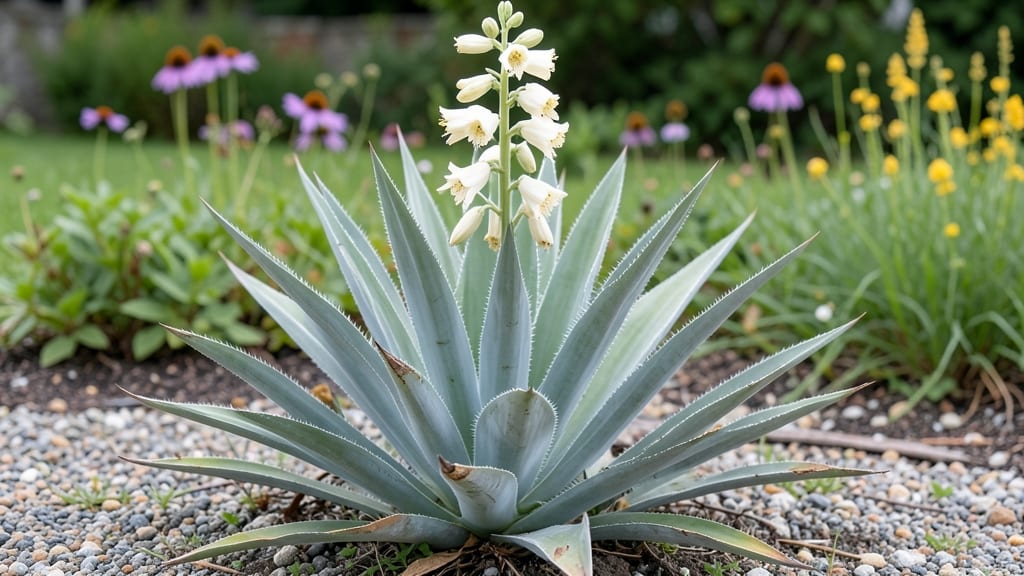
Long-lived plants are the quiet workhorses of any garden—decades of color, texture, and productivity with almost no fuss. 🌱 I’ve watched my 30-year-old lavender bush thrive through droughts, freezes, and even my occasional neglect, proving that some plants are built to outlast us.
The secret isn’t complicated: it’s about matching the right plants to your climate, giving them the basics (water, soil, sunlight), and then stepping back to let them do their thing.
These plants don’t demand constant attention like annuals. Think perennials like asparagus (which takes a few years to establish but then feeds you for decades), ornamental grasses that sway in the breeze without a single complaint, or fruit trees that bear harvests long after you’ve retired.
The key is soil health—amend it once with compost, then let nature do the rest. Watering becomes a weekly check-in instead of a daily chore, and pruning is just a matter of shaping, not saving.
What you’ll end up with is a garden that grows more beautiful with age—like a fine wine, but without the patience required. My 100-year-old peony roots (yes, I inherited them) still burst into blooms every spring, and the hostas in my shade garden have doubled in size each decade.
The trade-off? A little upfront planning to choose the right varieties for your zone and a commitment to avoiding over-tinkering.
Whether you’re designing a low-maintenance border or a food-producing perennial patch, these plants pay dividends in time saved and beauty gained. The best part? Once established, they’re nearly self-sufficient, leaving you free to enjoy the garden instead of tending it.
Here’s how to pick the perfect long-lived stars for your landscape.
📚 In This Guide
- What you need
- Instructions
- Tips and common mistakes
- Wrapping up and next steps
What you need
- ● Long-lived plant varieties: Choose from perennials (e.g., lavender, hostas), shrubs (e.g., boxwood, hydrangeas), or trees (e.g., oak, maple). Aim for native or drought-resistant species for easier care.
- ● High-quality soil: 50 lbs of well-draining, nutrient-rich soil (amend with compost or peat moss if needed). Test soil pH—most long-lived plants prefer 6.0–7.0.
- ● Organic mulch: 2–3 inches of wood chips, straw, or pine needles to retain moisture and suppress weeds. Avoid fresh mulch near stems.
- ● Watering supplies: Hose with adjustable nozzle (or a drip irrigation system for efficiency).
- ● Watering can (for container plants).
- ● Fertilizer: Slow-release organic fertilizer (e.g., 10-10-10 or compost tea) applied 2–3 times per year.
- ● Pruning tools: Bypass pruners (for clean cuts).
- ● Loppers (for thicker branches).
- ● Hand saw (for large shrubs/trees).
- ● Plant supports: Stakes or cages (for young or top-heavy plants like delphiniums or hollyhocks).
- ● Soil amendments: Mycorrhizal fungi (boosts root health), lime (for acidic soil), or sulfur (for alkaline soil).
- ● Pest control: Neem oil, insecticidal soap, or beneficial nematodes (for organic gardens).
- ● Seasonal care: Frost cloth (for tender perennials in cold climates) or shade cloth (for heat-sensitive plants).
- ● Garden journal: Track planting dates, watering schedules, and growth milestones to refine your routine!
Step-by-Step guide to selecting and caring for long-lived plants
Here’s how to choose plants that thrive for decades with almost no fuss.
🌱 Step 1: Choose Native or Drought-Tolerant Species
Start with plants that naturally live long—think crepe myrtles, boxwoods, or oakleaf hydrangeas. These species handle heat, drought, and pests better than trendy annuals. I always check the USDA hardiness zone map to pick plants that match my climate zone. For example, a redbud tree can live 50+ years if planted in zones 4-9.
Look for mature specimens at nurseries—they’ve already proven their staying power. Avoid anything labeled "tender" or "short-lived." Real talk: a 90-year-old magnolia in my neighbor’s yard shows what’s possible when you pick right.
☀️ Step 2: Plant in the Right Location
Most long-lived plants need full sun to partial shade—check the tag for specifics. I dig a hole twice as wide as the root ball but only as deep as the container’s base. This prevents soil compaction that strangles roots over time.
Amend the native soil with 2-3 inches of compost mixed into the bottom of the hole. This boosts fertility without overwhelming the plant. Water deeply after planting to settle the soil around roots, then let it dry slightly before watering again.
💧 Step 3: Water Deeply but Infrequently
Long-lived plants hate shallow, frequent watering—it encourages weak roots. Instead, water once a week during the first growing season, soaking the soil to 12 inches deep. You’ll know it’s right when water runs out the drainage holes.
After the first year, most established perennials and shrubs only need water during prolonged droughts. Mulch with 2-3 inches of shredded bark to retain moisture and block weeds. This is where many gardeners fail—skipping mulch leads to dry soil and stressed plants.
✂️ Step 4: Prune Only When Necessary
Most long-lived plants don’t need annual pruning—just remove dead, diseased, or crossing branches in late winter. I use clean, sharp pruners to make cuts just outside the branch collar. This prevents infections that shorten a plant’s lifespan.
For flowering shrubs like hydrangeas or lilacs, prune right after blooming. Never cut back into old wood—you’ll sacrifice next year’s flowers. Real talk: I’ve seen 100-year-old lilacs still blooming beautifully because someone respected their natural shape.
🪴 Step 5: Fertilize Lightly and Only When Needed
Over-fertilizing kills long-lived plants faster than anything. I use a balanced 10-10-10 fertilizer only in early spring—just 1 tablespoon per year of plant age. For example, a 5-year-old boxwood gets ½ tablespoon spread around the root zone.
Organic options like compost tea or worm castings work even better. The key is less is more—these plants store nutrients in their roots and don’t need constant feeding. Watch for yellow leaves—they’re begging for less fertilizer, not more.
Tips & tricks for perfect long-lived plants
A few simple secrets can turn your garden into a long-lasting landscape that requires almost no effort.
Selection Tip: Don't just pick plants based on looks—check their expected lifespan. Native species like crepe myrtles or oakleaf hydrangeas often live 50+ years, while trendy annuals might only last one season. I always verify the plant's expected lifespan at the nursery or check the USDA hardiness zone map to ensure it matches my climate. That 90-year-old magnolia in my neighbor's yard? It's proof that investing in quality plants pays off big time.
Planting Wisdom: When planting in Step 2, focus on the root ball—not just the hole size. The hole should be twice as wide as the root ball but only as deep as the container's base. This prevents soil compaction that can strangle roots over time. I've seen gardeners dig holes too deep, which forces roots upward and makes plants unstable. After planting, water deeply to settle the soil, then let it dry slightly before watering again—this encourages roots to grow deeper rather than staying shallow.
Watering Strategy: The once-a-week watering in Step 3 might seem counterintuitive, but it's crucial for developing strong roots. Water should soak the soil to 12 inches deep—you'll know it's right when water runs out the drainage holes. After the first year, most established plants only need water during prolonged droughts. The key is deep, infrequent watering that mimics natural rainfall patterns. Skipping mulch is a common mistake—always add 2-3 inches of shredded bark to retain moisture and block weeds.
Pruning Precision: When pruning in Step 4, always use clean, sharp pruners and make cuts just outside the branch collar. This prevents infections that can shorten a plant's lifespan. For flowering shrubs like hydrangeas, prune right after blooming—never cut back into old wood. I've seen 100-year-old lilacs still blooming beautifully because someone respected their natural shape. The goal is to maintain the plant's health without disrupting its natural growth patterns.
Pro Tips for Long Lived Plants
- A few simple secrets can turn your garden into a long-lasting landscape that requires almost no effort.
- Selection Tip: Don't just pick plants based on looks—check their expected lifespan.
- Planting Wisdom: When planting in Step 2, focus on the root ball—not just the hole size.
Frequently asked questions
Got questions about keeping long-lived plants thriving for decades? Here are some common ones—and their answers—to help you get started with confidence!
What makes a plant "long-lived"?
Long-lived plants typically have slow growth rates, deep root systems, and natural resilience to pests or harsh conditions. Many perennials, shrubs, and trees (like lavender, boxwood, or crepe myrtles) are bred or evolved to outlast annuals, often living 20+ years with minimal intervention. Climate and soil quality also play a big role!
How often should I fertilize long-lived plants?
Most long-lived plants thrive on light feeding—once or twice a year with a balanced, slow-release fertilizer (like 10-10-10). Over-fertilizing can harm them, so less is more. For woody plants (trees/shrubs), skip fertilizing entirely unless soil tests show deficiencies. Mulch annually instead—it’s a natural, low-maintenance boost!
Can I grow long-lived plants in containers?
Many perennials and dwarf shrubs (e.g., rosemary, dwarf boxwood) adapt well to containers if you choose large pots (3+ gallons) with drainage holes. Use lightweight, well-draining soil and repot every 2–3 years to refresh nutrients. Just watch for root-bound stress—if roots circle the pot, it’s time to upgrade!
Why are my long-lived plants dying despite low care?
Even low-maintenance plants can struggle from hidden issues:
- Poor drainage: Soggy roots = rot. Ensure pots/beds have holes or sandy soil.
- Pests: Check for aphids, scale, or mites (use neem oil if needed).
- Sunlight mismatches: Some plants (like succulents) need full sun; others (hostas) prefer shade.
- Transplant shock: Give newly planted long-livers 1–2 weeks to adjust.
What’s the easiest long-lived plant for beginners?
Start with lavender, sedum, or Russian sage—they’re drought-tolerant, pest-resistant, and live for decades with almost no fuss. For shade lovers, try hostas or heucheras. All thrive in average soil and need minimal pruning. Bonus: They’re also pollinator magnets!
Wrapping up and next steps
Long-lived plants are the ultimate gift to gardeners—packed with resilience, low-maintenance charm, and decades of beauty—without the fuss!
From century plants to ancient oaks, these botanical marvels prove that great things truly do come in small (or slow-growing) packages. 🌿✨ Whether you’re a busy bee or a seasoned green thumb, investing in these hardy companions means years of color, texture, and nature’s quiet magic with minimal effort.
Ready to transform your space into a lasting oasis? Start small—research one long-lived plant that fits your climate and style, then plant it with confidence. Over time, your garden will become a legacy, not just a landscape. Happy growing! 🌱💚