
How To
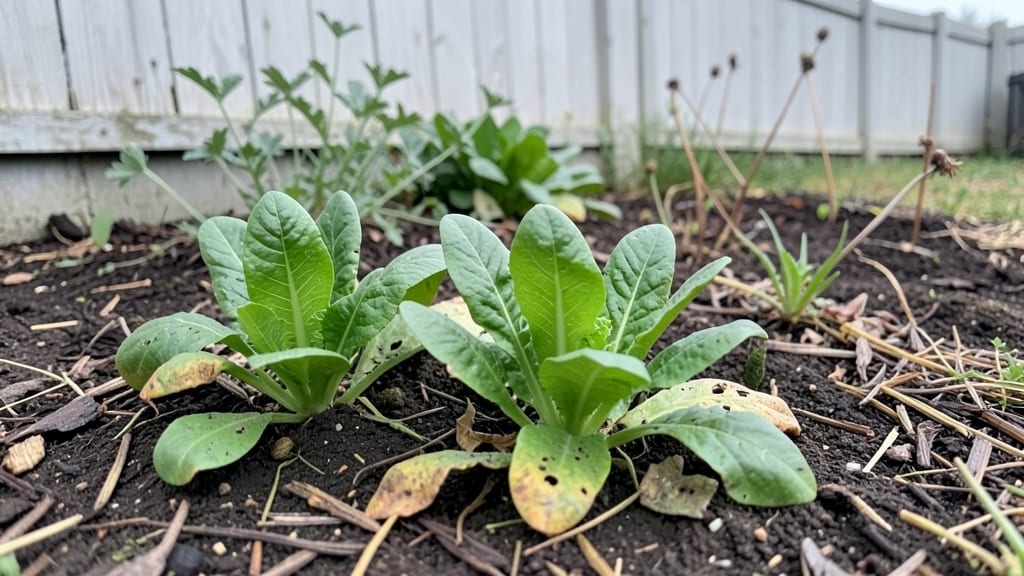
Figuring out the best time to plant your garden used to be a guessing game—until I discovered how the USDA Planting Map unlocks seasonal success for every region.
This isn’t just about zones; it’s about matching your crops to your local climate’s rhythm, from frost dates to microclimates that can turn a "too early" into a thriving harvest.
I’ve used it to plant tomatoes in May in Zone 7 and avoid frost-killed seedlings in Zone 4 by waiting until Memorial Day.
The map works by pairing your location with frost-free dates and plant hardiness zones, but here’s the secret: microclimates matter more than the zone alone. A south-facing wall can add weeks to your growing season, while a low spot might get frost later.
Start by finding your zone, then adjust for local patterns—like my neighbor’s backyard, which stays frost-free a week longer than the official map predicts.
Once you’ve got your zone and frost dates, planting becomes straightforward. Cool-season crops like lettuce go in early spring or fall, while heat-lovers like peppers wait until after the last frost.
My Zone 6 garden now produces consistently because I plant kale in late summer for winter harvests and tomatoes after Mother’s Day—no more bolted greens or frozen starts.
This system works for any garden, from raised beds to in-ground plots, and even container gardens if you know your local frost dates. The key is flexibility: use the map as a guide, but let your yard’s quirks dictate the final schedule.
Ready to stop guessing and start growing with confidence?
📚 In This Guide
- What you need
- Instructions
- Tips and common mistakes
- Wrapping up and next steps
What you need
- ● USDA Planting Zone Map: Printed or digital copy (free from USDA’s official site)
- ● Garden Planner or Notebook: For tracking planting dates, crop rotations, and notes (1 per gardener)
- ● Measuring Tape or Ruler: 10–25 ft tape (for spacing rows and plants)
- ● Planting Sticks or Labels: Biodegradable or reusable (50–100 sticks, depending on garden size)
- ○ Soil Test Kit: Basic pH and nutrient tester (optional but highly recommended)
- ● Seeds or Seedlings: Choose varieties suited to your USDA Zone (e.g., cold-hardy kale for Zones 3–9, heat-loving okra for Zones 7–11)
- ● Quantity: Adjust based on garden size (e.g., 100 tomato seeds for a 10x10 ft plot)
- ● Watering Can or Hose: With adjustable nozzle for precision
- ● Gloves & Sun Protection: Gardening gloves, wide-brim hat, and sunscreen (SPF 30+)
- ● Garden Journal App: Digital tools like Gardenate or FarmLogs for automated planting reminders
- ● Row Cover or Frost Blankets: For extending seasons in cooler zones (e.g., Zones 1–5)
- ● Compost or Fertilizer: Organic options like worm castings or balanced NPK (10-10-10) for soil prep
- ● Trellises or Cages: For vining plants (e.g., cucumbers, beans) in small spaces
- ● Moon Planting Calendar: For lunar-phase enthusiasts (fun but not scientifically proven!)
How to use the USDA planting map for your garden
This map unlocks the perfect timing for planting everything from veggies to flowers in your area.
Determine Your USDA Hardiness Zone
Start by finding your zone using the USDA Planting Map online tool or the printed version. Most locations fall between zones 3 and 10, with each zone representing a 10°F temperature range. For example, zone 5 averages between -20°F and -10°F in winter, while zone 8 stays above 10°F. Write down your exact zone number—this is your planting guide's foundation.
If you're unsure, check your local cooperative extension office website or use your ZIP code in the USDA's interactive map. I always double-check because zones can shift slightly between urban and rural areas. Once you know your zone, you'll see when to plant cool-season crops like lettuce versus warm-season favorites like tomatoes.
Identify Your Last Frost Dates
Use your USDA zone to find your average last spring frost and first fall frost dates. These dates mark the boundaries for planting most crops. For instance, in zone 6, the last frost typically occurs around April 15, while zone 9 might see its last frost as late as March 1. The USDA map often includes frost date ranges—pick the middle date for reliable planning.
Write these dates in your gardening journal. They'll help you schedule when to plant directly in the ground versus starting seeds indoors. Real talk: If you plant too early and frost hits, your seedlings will die overnight. But if you wait too long, you might miss the growing season entirely for fast-maturing crops like radishes.
Match Crops to Your Zone and Season
Now, align your crops with your zone and frost dates. Cool-season crops like broccoli, spinach, and peas thrive in zones 3-7 and can handle light frosts. Warm-season crops like tomatoes, peppers, and cucumbers need zones 5-10 and 60°F soil temperatures to germinate. The USDA map often includes crop-specific recommendations for each zone.
For example, in zone 5, you might plant potatoes in early spring before the soil warms, while tomatoes go in after the last frost. In zone 9, you can grow warm-season crops year-round, but you'll need to time planting carefully to avoid summer heat stress. Always check the recommended planting window for each crop—it's usually listed as "weeks before last frost" or "weeks after last frost."
Adjust for Microclimates and Local Conditions
Your yard might not perfectly match the USDA zone average. South-facing slopes warm up faster, while low-lying areas stay cooler. If your garden sits in a microclimate, adjust your planting dates accordingly. For example, if your garden is in a sunny spot that warms up earlier than the zone average, you can plant warm-season crops 1-2 weeks earlier.
Also, consider your local weather patterns. If your area has unpredictable frosts or early heat waves, err on the side of caution. I like to plant a few extra seeds or seedlings a week later than the recommended date to account for variability. This way, if the early planting fails, you still have a backup.
Plan for Succession Planting and Extending Seasons
Use the USDA map to plan succession planting—replacing harvested crops with new ones throughout the season. For example, in zone 6, you might plant lettuce in early spring, again after the summer solstice, and once more in early fall. This keeps your harvests steady and your garden productive.
You can also extend your growing season by using row covers, cold frames, or greenhouses. The USDA map helps you identify which crops can tolerate cooler temperatures or shorter days. For instance, kale and carrots often do well in fall plantings because they mature quickly in cooler weather. Always check the days-to-maturity for each crop to ensure you can harvest before the first hard frost.
Tips & tricks for perfect seasonal planting with the USDA map
Mastering the USDA Planting Map takes practice, but these insights will help you avoid common pitfalls and maximize your garden's potential.
Zone Accuracy Matters: The 10°F temperature range between zones is critical—zone 5 averages between -20°F and -10°F, while zone 8 stays above 10°F. Double-check your exact zone using your ZIP code in the USDA's interactive map, as urban areas can sometimes be slightly warmer than surrounding rural zones. I've seen gardens just a few blocks apart fall into different zones due to heat islands or elevation changes.
Frost Date Flexibility: When selecting your last spring frost date from the USDA map's ranges, I recommend choosing the middle date rather than the earliest or latest. For example, in zone 6 where frost dates might range from April 5 to April 25, aiming for April 15 gives you the best balance between avoiding frost damage and having enough growing season. Keep a frost watch calendar handy—local weather services often provide real-time updates.
Soil Temperature is Key: Warm-season crops like tomatoes and peppers need soil temperatures of at least 60°F to germinate properly. Use a soil thermometer to check temperatures—especially in cooler zones where soil warms more slowly. I've planted tomato seeds too early in zone 5 only to watch them rot in cold soil. Wait until the soil consistently reaches 60°F before planting warm-season crops, even if the air temperature feels warm.
Microclimate Adjustments: Your garden's specific location can shift planting windows by 1-2 weeks. South-facing slopes warm up faster than north-facing areas, while low spots stay cooler longer. I always plant my heat-loving peppers on the sunny south side of my garden about a week earlier than the USDA guidelines recommend for my zone. Conversely, I delay planting cold-sensitive crops like basil in shady areas until after the official last frost date.
Pro Tips for Usda Planting Map
- Mastering the USDA Planting Map takes practice, but these insights will help you avoid common pitfalls and maximize your garden's potential.
- Zone Accuracy Matters: The 10°F temperature range between zones is critical—zone 5 averages between -20°F and -10°F, while zone 8 stays above 10°F.
- Frost Date Flexibility: When selecting your last spring frost date from the USDA map's ranges, I recommend choosing the middle date rather than the earliest or latest.
Frequently asked questions
Got questions about using the USDA Planting Map to time your garden perfectly? Here are some of the most common ones—and their answers—to help you avoid pitfalls and grow with confidence!
What’s the best way to use the USDA Planting Map for my first garden?
The USDA Planting Map is a starting point, not a strict rulebook. First, check your hardiness zone (use the USDA interactive tool). Then, align planting dates with your last frost date (find it via The Old Farmer’s Almanac). For beginners, start with cool-season crops like lettuce or spinach—they’re forgiving and grow faster!
Can I plant too early or too late based on the USDA map?
The map provides general guidelines, but local microclimates (like urban heat islands or windy hills) can shift timing. Test the soil—if it’s still cold or soggy, wait. A simple soil thermometer ($10 at garden centers) is your best friend. Pro tip: Plant warm-season crops (tomatoes, peppers) only after soil hits 60°F+—or they’ll rot!
Are there alternatives if my zone isn’t listed for a specific crop?
Yes! The USDA map covers most major crops, but niche plants (like artichokes or figs) may need extra research. Try these workarounds:
For rare crops, seed packets often include zone recommendations—always double-check! Don’t panic—even pros face setbacks! Common issues and fixes:
Troubleshoot: Snap a photo of the problem and search “crop name + issue” for targeted advice. Containers and raised beds warm up faster than ground soil, so you can plant 2–3 weeks earlier in spring and 1–2 weeks later in fall. Monitor soil temps closely—containers dry out quicker, so water consistently. For small spaces, prioritize compact crops like bush beans, radishes, or dwarf tomatoes. Bonnie Plants has a great container-specific planting guide!
My plants died even though I followed the USDA map. What went wrong?
How do I adjust for container gardening or raised beds?
Wrapping up and next steps
Mastering the USDA Planting Map is your first step toward a thriving garden! By aligning your planting with your zone and crop needs, you’re setting yourself up for seasonal success—whether you’re a seasoned gardener or just starting out. 🌱
Ready to take the next step? Start by marking your calendar with your region’s last frost dates, then experiment with a few new crops this year. Happy planting—your harvest awaits! 🌿