
Landscaping
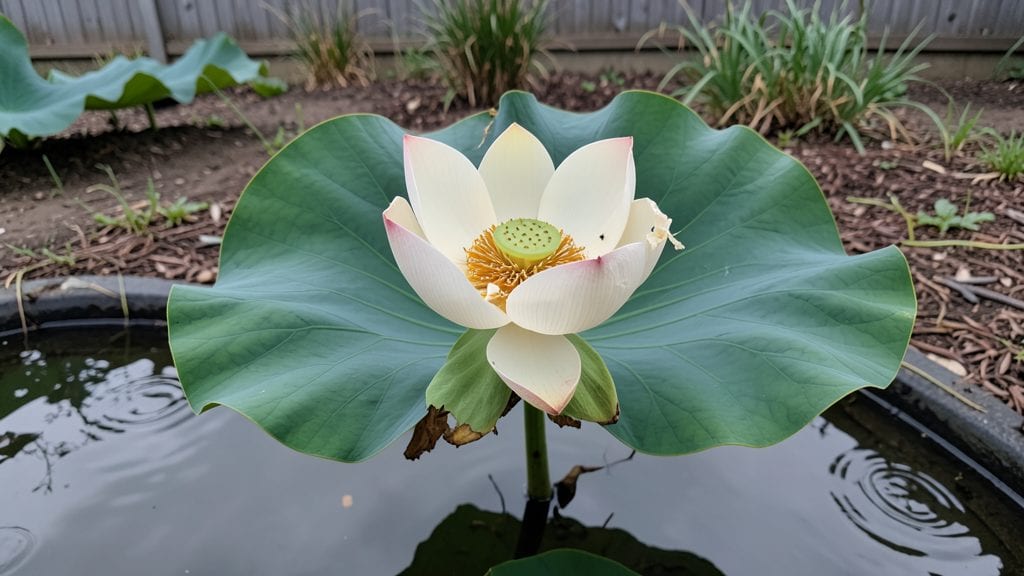
Growing a lotus blossom plant 🌸 is like nurturing a living jewel—its delicate petals rise from the water’s surface as if by magic, but behind the scenes, every detail matters.
Watching a lotus blossom emerge from murky water and bloom into a radiant flower is nature’s most breathtaking spectacle—but achieving continuous blooms requires precise care. Whether you’re a novice or seasoned gardener, these year-round strategies will transform your lotus into a perpetual showstopper.
You don’t need a sprawling pond to grow one; even a small water garden in USDA Zone 6a can thrive with the right balance of sun, soil, and patience.
The key? Planting rhizomes in 3-6 feet of water or moist soil, ensuring they get 6+ hours of sunlight daily—no shortcuts here.
From fertilizing on a strict schedule to pruning for regrowth, I’ll walk you through every step to keep your lotus blooming from spring through fall—and even push those blooms into winter with a few clever tricks.
Optimal growing conditions for lotus blossoms: water, sun, and soil secrets
Lotus blossoms thrive when you mimic their natural habitat—calm, nutrient-rich waters bathed in unfiltered sunlight. Unlike other aquatic plants, lotuses demand 3-6 feet of water depth to establish strong rhizomes, while their leaves and blooms rise above the surface like nature’s own floating lanterns.
This balance is non-negotiable; too shallow, and their roots suffocate, while too deep stunts growth.
Most gardeners overlook soil composition when planting lotuses, assuming they’re purely aquatic. Yet, the secret to continuous blooms lies in a clay-heavy, nutrient-rich substrate—think pond muck mixed with compost. This combo provides the anchorage and minerals needed to fuel those iconic blooms from July through September.
Here’s the golden rule: 6+ hours of direct sun daily is non-negotiable. Without it, your lotus will produce leggy stems and sparse blooms. Even in USDA Zone 6a, where winters dip below freezing, lotuses can rebound if planted in 3-6 inches of soil (not water) during dormancy.
Now, let’s break down the critical conditions in one glance—because lotus care isn’t guesswork.
| Condition | Requirement | Specification | Seasonal Notes |
|---|---|---|---|
| Water Depth | Critical | 3–6 feet (rhizomes) | Winter: Reduce to 1–2 ft or plant in soil |
| Sunlight | Essential | 6+ hours direct sun daily | Partial shade in Zone 10+ to prevent leaf scorch |
| Soil Type | Heavy & Nutrient-Rich | Clay + compost (60:40) | Avoid sandy soil; amends every spring |
| Water pH | Optimal | 6.0–7.5 | Test annually; adjust with sulfur or lime |
| Temperature | Seasonal | 60–90°F (active growth) | Zone 4–11: Dormant below 50°F |
| Humidity | Moderate | 40–70% | Mist leaves in dry climates (Zone 8+) |
Let’s start with water depth, the most misunderstood factor. Your lotus rhizomes need 3–6 feet of water to develop properly, but here’s the catch: tropical varieties (like Nelumbo nucifera) tolerate deeper waters, while hardy lotuses (e.g., Nelumbo lutea) prefer shallower ponds.
If your pond is too shallow, plant rhizomes in moist soil with just the tips submerged.
For sunlight, think of lotuses as sun worshippers. They’ll stretch toward light if deprived, leading to weak stems and fewer blooms. In USDA Zone 9–11, provide afternoon shade to prevent leaf burn. A simple trick? Plant near a south-facing window or use a greenhouse for container-grown lotuses.
Now, the soil secret: Lotuses love clay-heavy, organic soil because it mimics their natural muddy habitats. Amend your pond’s bottom with compost or fish emulsion every spring.
Avoid sandy soil—it drains too quickly, starving roots of nutrients. Pro tip: Mix in 1 cup of bone meal at planting for phosphorus-rich blooms.
Seasonal shifts matter too. In Zone 6a, lotuses go dormant by October. Reduce water levels to 1–2 feet or lift rhizomes into cool, moist soil until spring. In tropical zones, they bloom year-round—just ensure consistent humidity and fertilizer every 4–6 weeks.
One common mistake? Overwatering. While lotuses love water, stagnant, algae-filled ponds invite pests and rot. Keep water circulating gently with a small fountain or aerator. And if your lotus leaves turn yellow, it’s often a
Step-by-step lotus plant fertilization and pruning for non-stop blooms
Your lotus plant’s bloom count depends on two key factors: fertilization timing and pruning precision. Unlike annuals, lotuses store energy in their rhizomes—meaning what you do now directly impacts next season’s flowers.
The secret to year-round blooms lies in a monthly feeding schedule paired with strategic pruning to encourage new growth. Even in USDA Zone 6a, where winters freeze, proper care ensures your lotus rebounds stronger each spring.
First, let’s tackle fertilization. Lotuses thrive on a balanced 5-10-5 NPK formula (nitrogen-phosphorus-potassium), but timing is everything. Overfeeding in spring stunts blooms, while skipping summer feeds weakens stems. The goal? Feed lightly in spring, heavily in summer, and tapering in fall to prepare for dormancy.
Organic options like fish emulsion or compost tea work wonders, but synthetic granules are faster for quick results.
- March-April (Early Spring): Apply 1 tbsp slow-release fertilizer per plant to stimulate root growth. Use organic compost mixed into pond soil.
- May-June (Peak Growth): Switch to 2 tbsp balanced fertilizer every 4-6 weeks. Water deeply after feeding to prevent root burn.
- July-August (Blooming Season): Feed every 3-4 weeks with high-phosphorus fertilizer (e.g., bone meal) to boost flower production. Avoid nitrogen-heavy feeds.
- September (Late Summer): Reduce to 1 tbsp light feed to prepare for dormancy. Stop fertilizing by October 1st in Zone 6a.
- Pruning (Post-Bloom): Cut back dead stems to 2 inches above rhizomes. Remove yellowed leaves to prevent disease.
- Winter Care (Zone 6a): If planted in soil, mulch heavily. If in water, reduce depth to 1-2 feet or lift rhizomes to cool, moist storage.
Now, let’s talk pruning—the often-overlooked step that doubles next year’s blooms. Most gardeners make two critical mistakes: pruning too late in the season or cutting back too aggressively. The key is to prune after blooms fade but before new growth hardens.
Use sterilized shears to trim stems at a 45-degree angle, just above a leaf node. This encourages lateral branching, which translates to more flower stalks next season.
Watch for yellowing leaves—this is your plant’s way of saying it’s nutrient-deficient or root-bound. If leaves turn yellow between veins, it’s often iron deficiency; apply chelated iron to the water. Brown edges? Your lotus is thirsty or burned from salt buildup—flush the pond with fresh water.
And if your lotus fails to bloom? It’s likely due to too much nitrogen or insufficient sunlight. Adjust your fertilizer to a 10-20-10 ratio and ensure 6+ hours of direct sun.
For dormant periods, lotuses in Zone 6a need special care. If your pond freezes, reduce water levels to 1-2 feet or lift rhizomes and store them in cool, moist peat moss at 40-50°F.
In tropical zones, they bloom year-round—just maintain consistent humidity and monthly light feeds. The goal? Keep rhizomes active but not stressed.
Pro tip: Divide rhizomes every 3-4 years to rejuvenate plants. Dig up clumps, separate sections with 3+ buds each, and replant. This boosts blooms and prevents overcrowding. With this schedule, your lotus will reward you with non-stop blooms from June through September—and stronger growth each year.