
Companion Plants
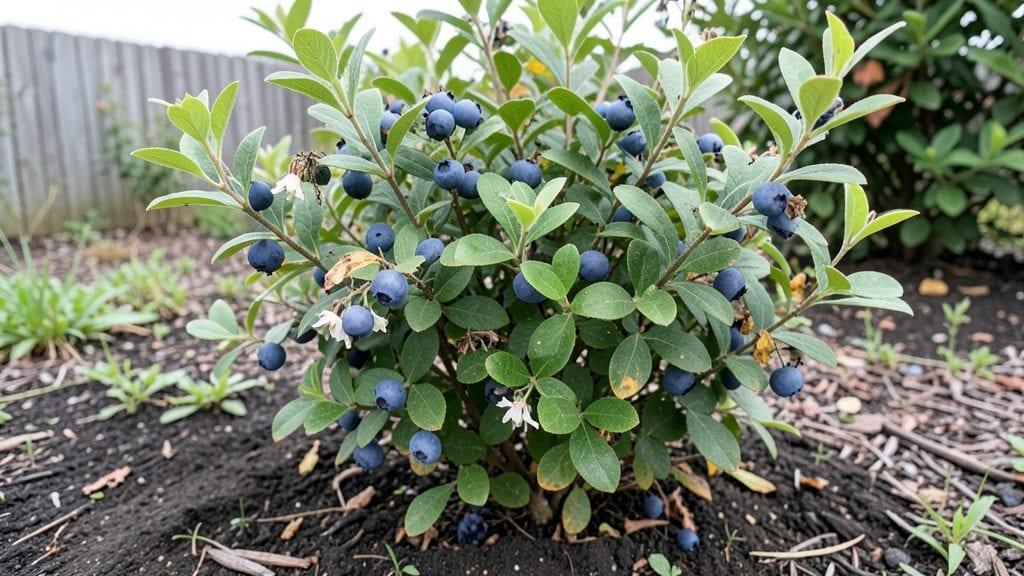
Growing Minnesota blueberry plants means turning your yard into a year-round berry bonanza that thrives despite brutal winters and short summers. 🌿 I’ve watched my own bushes push through snow in March and still produce fruit by September—proof that with the right varieties and care, you can beat the odds.
The key starts with choosing cold-hardy types like 'Bluecrop' or 'Jersey', which handle Minnesota’s deep freezes like a champ.
Your site needs full sun and soil so acidic it’d make a lemon jealous—think pH 4.5-5.5—with good drainage to prevent soggy roots. Most Minnesotans don’t have naturally acidic soil, so I’ll show you how to tweak it with simple amendments.
Planting in spring after the last frost (or fall, if you’re brave) gives roots time to establish before winter’s first bite, and spacing plants 5-6 feet apart keeps them from competing for nutrients.
Once established, these bushes are low-maintenance workhorses: water deeply once a week during dry spells, prune out dead wood in early spring, and feed with acid-loving fertilizer in late winter.
The payoff? Jewel-toned berries that burst with flavor, harvested from July through September—and sometimes even later if we get a warm fall. Birds love them too, so netting helps protect your crop.
Minnesota’s short growing season means every berry counts, but with the right prep, your bushes will reward you for years. Whether you’re a first-timer or a veteran gardener, this guide cuts through the guesswork so you can focus on the sweet, tangy payoff. Let’s get those plants in the ground!
📚 In This Guide
- What you need
- Instructions
- Tips and common mistakes
- Wrapping up and next steps
What you need
- ● Blueberry plants: Choose cold-hardy varieties like ‘Northblue or ‘Bluecrop (2-5 plants for pollination).
- ● Well-draining soil: Acidic (pH 4.5–5.5), amended with peat moss or pine bark fines (5–10 lbs per plant).
- ● Organic mulch: Pine needles or wood chips (2–3 inches thick) to retain acidity.
- ● Fertilizer: Acid-loving plant fertilizer (e.g., Miracle-Gro Azalea/Camellia) or cottonseed meal (1 lb per plant).
- ● Irrigation system: Drip lines or soaker hoses (blueberries hate soggy roots!).
- ● Garden trowel and pruners (sterilized with rubbing alcohol).
- ● pH testing kit (to monitor soil acidity).
- ● Garden gloves (for handling mulch/soil).
- ○ Optional: Row covers (for early frost protection) or berry cages (to deter birds).
- ● Full-sun location (6+ hours/day) with shelter from harsh winds.
- ● Patience! Blueberries take 2–3 years to bear fruit.
- ● Knowledge tip: Plant companion plants like thyme or comfrey to deter pests! 💡
How to plant and maintain Minnesota blueberry bushes for reliable harvests
Here’s the foolproof method I’ve used to grow thriving blueberry bushes in Minnesota’s climate—no fancy tricks, just proven techniques.
🌱 Step 1: Choose the Right Varieties and Planting Site
Minnesota’s short growing season demands cold-hardy varieties like ‘Bluecrop,’ ‘Jersey,’ or ‘Patriot,’ which tolerate -20°F to -30°F without issue. These bushes thrive in full sun (6-8 hours daily) and well-draining, acidic soil (pH 4.5-5.5). Test your soil’s pH before planting—amending alkaline soil with sulfur or peat moss is critical.
Pick a spot with shelter from harsh winds (blueberry flowers are delicate). Avoid low areas where cold air pools, as late frosts can damage blooms. If your yard has heavy clay, mix in 2-3 inches of compost into the top 12 inches of soil to improve drainage. I always plant in early spring or fall, giving roots time to establish before extreme temperatures.
🪴 Step 2: Dig Holes and Plant Correctly for Long-Term Health
Dig holes twice as wide as the root ball but no deeper—blueberries hate having their crowns buried. Space bushes 4-6 feet apart for proper airflow and sunlight penetration. Minnesota’s clay soil can suffocate roots, so loosen the sides of the hole with a fork to encourage root spread.
Place the plant so the top of the root ball sits 1 inch above ground level—this prevents rot during heavy rains. Backfill with a mix of native soil and 50% peat moss or pine fines, tamping gently to remove air pockets. Water deeply immediately to settle the soil and eliminate gaps. Mulch with 2-3 inches of pine needles or wood chips to retain moisture and acidify the soil over time.
💧 Step 3: Water and Fertilize for Strong First-Year Growth
Blueberries need consistent moisture, especially in Minnesota’s dry summers. Water 1-2 inches per week, keeping soil evenly damp but not soggy. The first year, I water 2-3 times weekly during dry spells to establish roots. Avoid wetting the leaves to prevent fungal diseases like botrytis.
Fertilize lightly in early spring with a balanced organic fertilizer (10-10-10) or cottonseed meal (high in nitrogen). Skip high-phosphorus fertilizers—they can harm blueberry roots. In late summer, switch to a low-nitrogen, high-potassium fertilizer (like 5-10-10) to support fruit development. I always follow package instructions to avoid overfeeding.
☀️ Step 4: Prune and Protect for Maximum Yields
Prune in late winter or early spring before buds swell, removing dead, crossing, or weak branches. Cut back one-third of the oldest canes each year to encourage new growth. Minnesota’s unpredictable springs can damage flowers, so cover bushes with frost cloth if a late frost is forecasted. Blueberries bloom early, and frost can devastate crops.
Watch for blueberry maggot flies—use row covers during fruiting season to deter them. Harvest when berries are deep blue and slightly soft to touch, usually in late July to August. I pick every 2-3 days to prevent birds from feasting on the crop. Leave a few berries on the bush for birds to spread seeds and pollinate next year’s flowers.
⏰ Step 5: Overwinter and Prepare for Next Year’s Harvest
In fall, add 2-3 inches of mulch around the base to insulate roots during winter. Minnesota’s cold snaps can stress blueberries, so avoid heavy mulching until temperatures drop consistently below freezing. Prune out any diseased or damaged wood in late winter to keep the bush healthy.
Monitor soil pH annually—blueberries are finicky about acidity. Test every 2-3 years and amend with sulfur or aluminum sulfate if pH rises above 5.5. I’ve found that well-maintained bushes produce for 30+ years, making this a low-maintenance perennial for Minnesota gardens.
Tips & tricks for perfect Minnesota blueberry bushes
Minnesota’s climate demands special attention—these hard-won tricks will help your blueberry bushes thrive year after year.
Soil pH Precision: The pH 4.5-5.5 range is non-negotiable for blueberries, but testing is just the start. I use a digital pH meter for accuracy—kit tests can be unreliable. If your soil tests above 5.5, amend with aluminum sulfate (follow package rates) and retest in 2-3 months. The goal is gradual adjustment to avoid shocking roots. For heavy clay soils, mix 2-3 inches of compost into the top 12 inches—this improves drainage while maintaining acidity over time.
Planting Depth Matters: That 1-inch above ground level rule in Step 2 is critical—burying the crown leads to rot, while planting too high stresses the plant. I mark the root ball with a pencil before planting to ensure perfect positioning. For container-grown bushes, remove any excess soil from the bottom that might have accumulated during shipping. The 50% peat moss or pine fines mix in the backfill is non-negotiable; it mimics the acidic conditions blueberries crave in the wild.
Winter Protection Strategy: The 2-3 inches of mulch in Step 5 should be applied after the first hard frost (20°F) to prevent temperature fluctuations. I use shredded pine bark—it breaks down slowly and adds acidity. For young bushes (3 years old), wrap the base with burlap for extra insulation during -30°F snaps. Remove mulch in early spring before new growth appears to prevent rot from trapped moisture.
Pruning Timing Secret: Late winter pruning (before buds swell) is ideal, but if you miss that window, wait until right after harvest. Never prune in fall—it exposes fresh cuts to winter diseases. When cutting back one-third of oldest canes, make clean cuts at the base to prevent disease entry points. I sterilize my pruners with rubbing alcohol between cuts to minimize infection risk. The 4-6 feet spacing you established in Step 2 becomes crucial now—crowded bushes develop more fungal issues.
Pro Tips for Mn Blueberry Plants
- Minnesota’s climate demands special attention—these hard-won tricks will help your blueberry bushes thrive year after year.
- Soil pH Precision: The pH 4.5-5.5 range is non-negotiable for blueberries, but testing is just the start.
- Planting Depth Matters: That 1-inch above ground level rule in Step 2 is critical—burying the crown leads to rot, while planting too high stresses the plant.
Frequently asked questions
Got questions about growing MN blueberry plants? You’re not alone! Whether you're a first-time gardener or a seasoned pro, these cold-hardy berries can be tricky to get right. Here are answers to the most common questions to help you cultivate a thriving patch.
How cold-hardy are Minnesota blueberry plants?
Most MN blueberry varieties (like Northblue or Bluecrop) thrive in USDA Zones 3-6, surviving winters as low as -30°F. Just ensure they’re planted in well-draining soil and mulched heavily in fall to protect roots. Northern highbush varieties are your best bet for Minnesota’s climate!
When is the best time to plant blueberry bushes in MN?
Plant in early spring (April) or fall (September-October) when soil is workable but not frozen. Fall planting gives roots time to establish before winter, while spring avoids frost stress. Avoid planting in summer heat—young bushes need consistent moisture to root properly.
Do blueberry plants need cross-pollination?
Yes! Most blueberries are self-pollinating but produce more fruit with a pollinator nearby. Plant at least two compatible varieties (e.g., Bluecrop + Jersey) within 20-30 feet for optimal yields. Bees and wind handle the rest—just ensure no pesticides harm pollinators.
What’s the best companion plant for MN blueberry bushes?
Blueberries love acid-loving companions like rhododendrons, azaleas, or ferns. Avoid legumes (clover, peas) or plants that compete for nutrients (e.g., potatoes). Thyme or comfrey can improve soil acidity naturally, while marigolds deter pests—just keep them 3+ feet away to avoid root competition.
Why are my blueberry leaves turning yellow?
Yellow leaves usually mean nutrient deficiencies, pH issues, or overwatering. Test soil pH (ideal: 4.5–5.5); amend with peat moss or sulfur if too alkaline. Check for iron chlorosis (yellow between veins) and apply chelated iron. Avoid soggy soil—blueberries hate "wet feet"!
Can I grow blueberries in containers in Minnesota?
Use large pots (15+ gallons) with acidic, well-draining soil (mix peat moss, pine bark, and perlite). Dwarf varieties like Top Hat work well. Move containers to a garage or insulated stand in winter if temps drop below -10°F—roots are the most vulnerable part.
Wrapping up and next steps
Growing Minnesota blueberry plants is a rewarding journey that brings sweet, antioxidant-rich berries to your table while thriving in the northern climate. With the right soil prep, companion plants, and care, you’ll enjoy year-round harvests and a low-maintenance perennial addition to your garden. 🌱
Ready to get started? Pick your favorite variety—like Northblue or Bluecrop—and plant this fall or early spring. Your future blueberry bushes (and taste buds) will thank you! 💙