
Shrubs
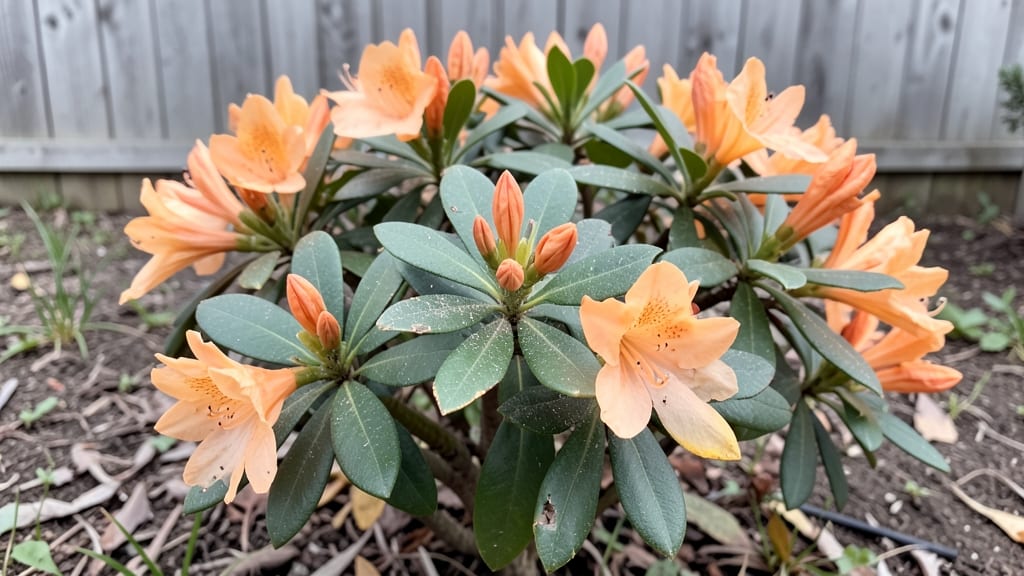
Growing an orange azalea plant 🌸 means waking up to a burst of fiery color every spring—but only if you get the care right from day one.
Your orange azalea’s vibrant blooms could be fading faster than they should—unless you’re pruning like a pro. The secret to nonstop spring flowers lies in timing, technique, and a few lesser-known tricks that most gardeners overlook.
This isn’t just about trimming back dead branches. It’s about understanding when to shape your shrub, how much to cut, and which tools will keep your plant thriving in USDA Zone 6a without sacrificing next year’s blooms.
Here’s exactly how to prune for maximum color, avoid common mistakes, and extend that show-stopping display well into summer.
When and how to prune orange azaleas for maximum blooms
Pruning your orange azalea plant isn’t just about tidying up—it’s the key to unlocking year-after-year blooms that outshine your neighbors’. The difference between a sparse display and a lush explosion of color often comes down to when and how you prune.
Unlike many shrubs, azaleas bloom on old wood, meaning last year’s growth produces this year’s flowers. Get this wrong, and you’ll sacrifice next season’s vibrant orange blossoms.
Timing is everything. Prune at the wrong time, and you risk stunting new growth or triggering early bloom decline. The best approach? A two-season strategy—light pruning after flowering and a deeper trim in late summer.
This balances aeration, shape, and bloom production without shocking your plant. Let’s break down the science-backed schedule that’ll keep your azalea thriving in USDA Zone 6a and beyond.
-
Step 1: Post-Bloom Pruning (Late Spring)
Remove spent flowers and dead branches immediately after blooming (May-June). Use clean, sharp pruners to cut just above a leaf bud or branch junction. This encourages new growth for next year’s blooms.
-
Step 2: Light Thinning (Summer)
In July-August, thin out overcrowded branches to improve air circulation. Focus on crossing branches or those growing inward. Cut back by 1/3 of their length to maintain shape and reduce disease risk.
-
Step 3: Structural Pruning (Late Summer)
By late August, prune to shape the shrub and remove weak or leggy growth. Aim to open the center for sunlight penetration. Never cut more than 1/3 of the plant’s height in one season.
-
Step 4: Tool Sanitation
After each pruning session, disinfect tools with rubbing alcohol or a 10% bleach solution to prevent bacterial spread. Azaleas are prone to powdery mildew, so cleanliness is critical.
-
Step 5: Post-Prune Care
Apply a 2-inch layer of mulch around the base to retain moisture and acidic soil conditions. Water deeply to help the plant recover, and avoid fertilizing for 4-6 weeks post-prune.
Your orange azalea plant thrives on consistency, so avoid the temptation to prune heavily in fall or winter. Cold weather stresses the plant, and new growth won’t harden off before frost.
Instead, focus on removing dead wood in late winter (February) to prep for spring blooming. This minimal touch keeps the plant’s energy focused on bud development rather than recovery.
Pro tip: Use hand pruners for small branches and loppers for thicker stems. Never use hedge trimmers, as they shear branches unevenly and damage the plant’s natural shape. For large shrubs, invest in bypass pruners—they make cleaner cuts that heal faster.
Watch for new growth after pruning as a sign your azalea is recovering well. If you notice yellowing leaves or stunted buds, you may have pruned too aggressively. Adjust next time by cutting back only 10-15% of the plant’s total foliage per season.
Patience pays off—your orange azalea will reward you with denser blooms and a fuller shape year after year.
For repeat bloomers, some gardeners swear by a light summer trim to encourage a second flush of flowers. Test this on one branch first to see how your specific orange azalea variety responds. If done correctly, you might extend that vibrant display well into early summer.
Remember, the goal isn’t perfection—it’s health. A well-pruned azalea will naturally develop a balanced shape with abundant blooms. With these steps, your orange azalea plant will become the showstopper of your garden every spring.
🌸
Common pruning mistakes that kill orange azalea flowers
Even the most experienced gardeners can accidentally sabotage their orange azalea plant with a few simple pruning mistakes. One wrong cut can trigger a chain reaction—stunted growth, fewer blooms, or even plant decline.
The good news? These errors are easily avoidable once you know the red flags. Let’s tackle the top mistakes that turn vibrant shrubs into sad, leggy shadows of their former selves.
Pruning at the wrong time is the #1 culprit behind weak orange azalea blooms. Unlike spring-blooming shrubs, azaleas set next year’s flower buds in late summer. Cutting back too early removes potential bloom sites before they form.
Even a light trim in fall or winter can shock your plant, leaving it vulnerable to frost damage and bud drop. The timing window is narrow—miss it, and you’ll be staring at a sparse spring display.
- Over-pruning removes too many leaves, starving your plant of energy for next year’s blooms.
- Cutting at wrong angles creates jagged wounds that invite disease.
- Pruning after mid-summer risks removing flower buds before they develop.
- Using dull tools crushes stems, causing stress.
- Ignoring dead wood in winter lets pests and fungi move in.
Visual Cue: Healthy cuts heal cleanly (smooth, white center). Poor cuts look ragged with brown edges.
Another silent killer is cutting at the wrong angle. Many gardeners make the mistake of slicing branches at a 45-degree angle—this is perfect for some plants, but azaleas need clean, straight cuts just above a leaf bud or branch collar.
Ragged cuts expose the plant to bacterial infections and fungal diseases like powdery mildew. Always use sharp bypass pruners and make cuts at a 45-degree angle only for larger branches—for small stems, a straight cut is best.
If your orange azalea suddenly develops yellowing leaves or bare stems after pruning, you’ve likely over-pruned. A common rule is to never remove more than 1/3 of the plant’s foliage in one season. For azaleas, even 25% pruning can be too much if done incorrectly.
Look for new growth within 4-6 weeks as a sign your plant is recovering. If you see no regrowth, cut back further next time by only 10% of the plant’s height.
One mistake that surprises many gardeners is pruning for shape instead of health. Azaleas naturally grow in a rounded, layered form. Forcing them into a boxy or formal shape stresses the plant and reduces bloom potential.
Instead, focus on opening the center for airflow and removing only dead or crossing branches. Use a hand lens to check for hidden buds—these are your plant’s future blooms. Never prune based on aesthetics alone; always prioritize plant vitality over perfect symmetry.
To recover from pruning mistakes, start with proper aftercare. Water deeply to help the plant recover, and apply a 2-inch layer of mulch to retain moisture. Avoid fertilizing for 6-8 weeks to let the plant focus on healing.
If you’ve accidentally removed too many branches, your azalea may need extra protection from winter winds. Wrap young plants in burlap or use tree guards to prevent frost damage. With patience, your orange azalea can bounce back—just give it time to regenerate its energy reserves.
🌿