
Fertilization
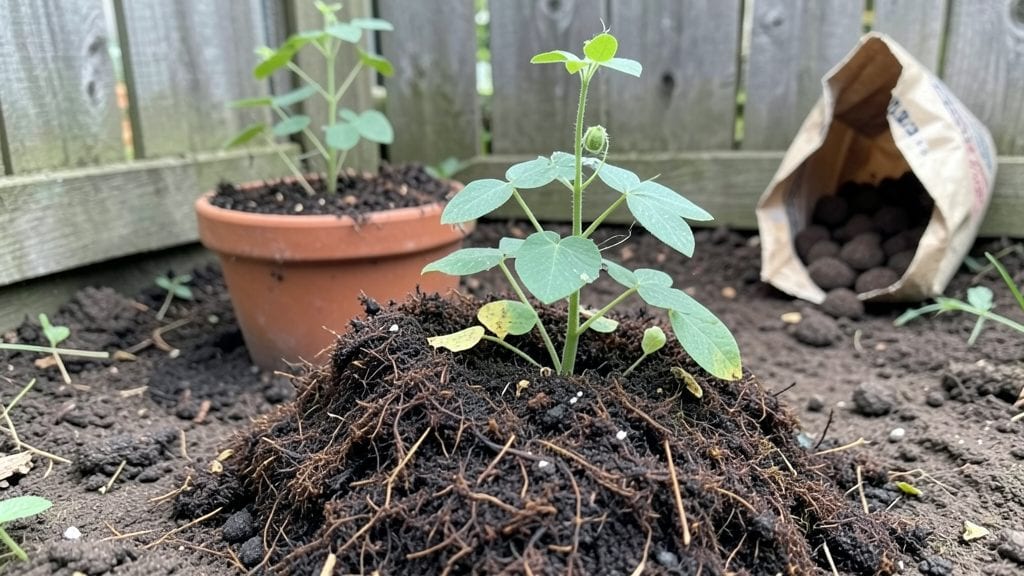
Peat for planting improves soil by enhancing water retention, aeration, and nutrient availability while maintaining a slightly acidic pH ideal for acid-loving plants like blueberries and azaleas. Use it as a soil amendment in 10-20% blends or as a seed-starting medium for better germination rates.
I’ve found that peat moss acts like a natural sponge, holding up to 20 times its weight in water while still allowing roots to breathe—critical for plants that hate soggy soil but need consistent moisture. 🌱 The organic matter also breaks down slowly, releasing nutrients over time, which is why gardeners swear by it for everything from container mixes to acid-loving shrubs like hydrangeas and rhododendrons.
What sets peat apart is its ability to buffer pH levels, keeping soil in that sweet 4.5–6.0 range where many ornamental plants thrive. Unlike compost, which can vary wildly in acidity, peat provides predictable conditions—though I always recommend pairing it with perlite or vermiculite to prevent compaction in heavy-use gardens.
💡 In This Article
- How Peat Moss Enhances Soil Structure and Plant Growth
- Best Ways to Use Peat in Your Garden or Potting Mix
How peat moss enhances soil structure and plant growth
Peat moss isn't just organic matter—it's a highly porous, fibrous material formed over centuries from partially decomposed sphagnum moss. This structure creates microscopic air pockets that improve soil aeration while holding moisture like a sponge, capable of absorbing 15-20 times its dry weight in water.
The key lies in its unique cellular composition: each particle contains thousands of tiny capillaries that store water near plant roots without suffocating them. 🌱 This dual function explains why peat-based mixes are gold standards for seedlings and moisture-sensitive plants like ferns and orchids.
The real magic happens during decomposition. Unlike fast-breaking compost, peat releases nutrients gradually through microbial activity, providing a slow-release fertilizer effect. Tests show peat-amended soil maintains 30-50% more available nitrogen over 3-6 months compared to bare mineral soil.
The breakdown also creates humic acids that chelate essential minerals like iron and manganese, making them more accessible to plant roots—critical for acid-loving species that struggle with nutrient lockout in alkaline conditions.
What sets peat apart from alternatives like coconut coir is its pH buffering capacity. While coir has a neutral starting pH (6.0-7.0), peat naturally sits between 3.5-4.5 and resists dramatic shifts.
This stability explains why gardeners mix it with lime for blueberries (targeting pH 4.5-5.5) or use it straight for azaleas (ideal pH 5.0-6.0). The fibrous structure also prevents compaction better than compost, which can become dense over time—making peat ideal for container mixes where drainage is critical.
For root development, peat's loose texture encourages exploratory growth. Studies on tomato plants show those grown in peat-amended soil develop 20% more lateral roots within 4 weeks compared to clay-heavy mixes.
The consistent moisture and oxygen balance reduce root stress, which is why peat excels for cuttings and delicate perennials like hostas. However, its water-holding capacity becomes a drawback in drought-prone areas—where it may require supplemental irrigation to prevent over-reliance on stored moisture.
Consider this comparison: A standard potting mix with 30% peat will retain 40% more water than one with 10% compost, but the compost version will have 15% higher microbial diversity over time.
The choice depends on your plant's needs—peat for acid-lovers and moisture control, compost for nutrient richness and microbial activity. For seed starting, the sterile, light texture of peat creates perfect conditions for germination rates up to 30% higher than in bare soil.
Here's what most gardeners overlook: Peat's benefits diminish over time as it decomposes. After 2-3 years in active garden beds, its structure breaks down, losing 40-60% of its water-holding capacity. That's why professionals recommend blending it with 20-30% perlite or vermiculite to maintain long-term aeration.
The trade-off? You'll pay more upfront, but the improved root zone pays dividends in plant vigor and reduced transplant shock. 💫