
Planting
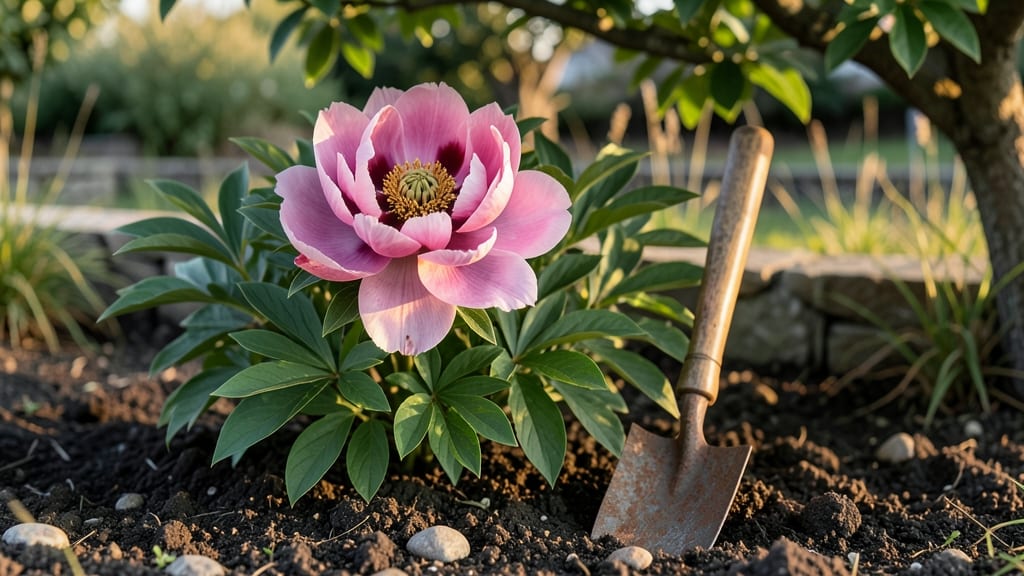
Here are the peony planting tips every gardener needs—timing, soil, and a few diva-worthy secrets to ensure your peonies thrive and shower you with blooms for decades.
I’ve learned the hard way that rushing the timing or skimping on soil prep means waiting another year (or two) for those showstopping flowers. The secret isn’t just throwing roots in the ground—it’s creating an environment where peonies can spread their roots deep and establish themselves for decades.
Start by choosing a spot with 6 to 8 hours of sunlight and soil that drains well but holds moisture—think rich, loamy garden beds or containers with drainage holes.
Herbaceous peonies need their "eyes" (buds) planted just 1 to 2 inches below soil level, while tree peonies go deeper, about 3 to 4 inches down. Space them 3 to 4 feet apart for optimal airflow, and avoid disturbing the roots once planted—they hate being moved after establishment.
📚 In This Guide
- What you need
- Instructions
- Tips and common mistakes
- Wrapping up and next steps
What you need
- ● Peony roots (bare-root or potted): 1-3 plants per location (depending on desired fullness). Choose Paeonia lactiflora (herbaceous) or Paeonia officinalis (tree peonies) based on your climate.
- ● Garden trowel or shovel: A sturdy, sharp-edged tool for digging planting holes (6–8 inches deep).
- ● Compost or well-aged manure: 2–3 handfuls per plant to enrich soil with organic matter.
- ○ Bone meal or phosphorus fertilizer: 1–2 tablespoons per hole (optional but boosts root development).
- ● Garden hose or watering can: For thorough watering after planting.
- ○ Mulch (optional): 2–3 inches of shredded bark, straw, or pine needles to retain moisture and suppress weeds.
- ● Sunlight: A spot with 6+ hours of full sun daily (morning sun is ideal).
- ● Well-draining soil: Peonies hate soggy roots! Amend heavy clay with sand or compost if needed.
- ● pH level: Aim for 6.0–7.0 (test your soil with a kit if unsure).
- ● Timing: Plant bare-root peonies in early spring or fall (potted peonies can go year-round).
Peony planting tips: thriving blooms with perfect timing and soil secrets
Here’s how to plant peonies for those lush, long-lasting blooms—no guesswork involved.
Choose the Right Time and Location
Peonies thrive when planted in early fall, about 6-8 weeks before the first hard frost. This gives roots time to establish before winter dormancy. Select a spot with full sun—at least 6 hours of direct sunlight daily—and well-draining soil. Avoid low-lying areas where water pools, as soggy roots lead to rot.
I always dig a hole twice as wide as the root ball but only as deep as the top of the root crown (the swollen base where roots meet stems). Planting too deep buries the crown, which delays blooming. Mark the spot with a stake to avoid disturbing the soil later.
Prepare the Soil for Optimal Growth
Peonies love loamy, fertile soil with a pH between 6.5 and 7.5. Work in 2-3 inches of compost into the bottom of the hole to improve drainage and nutrition. If your soil is heavy clay, mix in sand or perlite to loosen it—peonies hate compacted roots.
I avoid synthetic fertilizers at planting; instead, I rely on organic matter. The goal is soil that holds moisture but drains freely. Test the soil’s moisture by squeezing a handful—it should crumble slightly when dry but not feel powdery. Overly sandy soil will dry too fast; clay holds too much water.
Plant the Peony Crown Correctly
Gently separate the roots if the plant is pot-bound, but avoid damaging the crown. Place the peony in the hole so the crown sits just above soil level—never buried. The roots should spread naturally downward, not curled or bent. Fill the hole halfway with soil, then water deeply to settle it.
Here’s the thing—don’t pack the soil tightly. Peonies need room to breathe. After watering, top off the hole with more soil, leaving a 1-inch gap at the surface. This prevents crown rot from sitting water. Mulch with 2-3 inches of organic mulch (like shredded bark) to protect roots in winter.
Water and Monitor for First Signs of Growth
Water the newly planted peony deeply once a week for the first month, ensuring moisture reaches 6-8 inches down. After that, water only when the top 2 inches of soil feel dry. Overwatering is the fastest way to smother roots. You’ll know it’s right when the soil holds moisture but doesn’t feel soggy.
In spring, watch for new shoots emerging in late April or early May, depending on your climate. These first leaves are tender—avoid fertilizing until after blooming. Peonies store energy underground; rushing growth too soon weakens future flowers. Once blooms fade, trim stems to 2 inches above the crown and feed with a balanced fertilizer to encourage next year’s buds.
Prune and Protect for Long-Term Success
After the first blooming season, cut back stems to 1-2 inches above the ground in late fall. This prevents disease and keeps energy focused on root growth. In winter, add 4-6 inches of mulch around the base to insulate roots from freezing temperatures. Remove mulch in early spring before new growth appears.
Peonies are low-maintenance once established, but I always check for pests like peony sawfly larvae (tiny green caterpillars) in early summer. Handpick them or spray with neem oil if needed. With proper planting, they’ll bloom for decades—some varieties live over 100 years! Patience pays off here.
Tips & tricks for perfect peony planting
These essential strategies will help you avoid common pitfalls and ensure your peonies thrive for decades.
Timing is Everything: The 6-8 week window before your first hard frost is critical for root establishment. I always check my local frost date calendar to pinpoint the exact planting window. If you're in a region with unpredictable weather, err on the earlier side—roots need time to settle before winter. Confession: I skipped this once and planted too late, which resulted in weak roots that struggled through the first winter.
Soil Preparation Secret: When amending your soil with compost, I recommend mixing it directly into the bottom of the hole rather than just placing it there. This creates a nutrient-rich zone where roots will naturally grow downward. For clay-heavy soils, I've found that adding perlite at a 1:1 ratio with the native soil works better than just sand alone—it improves drainage without making the soil too loose.
Crown Placement Matters: The crown should be just barely visible above the soil line—this is non-negotiable. I've seen many gardeners bury the crown too deep, which can delay blooming by years. To check your depth, imagine the crown as the "waist" of the plant—it should sit at ground level, with roots spreading below and stems emerging above. After planting, I always do a quick visual check before backfilling.
Watering Wisdom: That first month of weekly deep watering is crucial, but don't guess how deep to water. Use a long screwdriver to check moisture levels—it should slide in easily up to 6-8 inches. I've learned the hard way that surface watering only encourages shallow root growth. After the first month, let the top 2 inches dry out between waterings—this mimics natural rainfall patterns and prevents root suffocation.
Pro Tips for Peony Planting Tips
- These essential strategies will help you avoid common pitfalls and ensure your peonies thrive for decades.
- Timing is Everything: The 6-8 week window before your first hard frost is critical for root establishment.
- Soil Preparation Secret: When amending your soil with compost, I recommend mixing it directly into the bottom of the hole rather than just placing it there.
Frequently asked questions
Got questions about planting peonies? You’re not alone—these stunning blooms come with their own set of quirks! Here are answers to the most common concerns, so you can plant with confidence and watch your garden flourish.
When is the best time to plant peonies?
The ideal time to plant peonies is in early fall (4–6 weeks before the first frost) or early spring (as soon as the soil is workable). Fall planting gives roots time to establish before winter, while spring planting works in milder climates. Avoid planting in extreme heat or cold—peonies dislike stress!
How deep should I plant peony roots?
Peony roots (or "eyes") should be planted 2 inches below the soil surface. If planted too shallow, they may heave in winter; too deep, and blooms will struggle to emerge. A simple trick: bury the roots so the topmost bud is just below the soil line, and mound soil slightly around the base for drainage.
Can I plant peonies in containers or do they need ground planting?
Peonies thrive in the ground, but herbaceous varieties (not tree peonies) can grow in containers with drainage holes and well-draining soil. Use a large pot (at least 18 inches deep) and repot every 3–4 years. Just know: container-grown peonies may bloom less vigorously than ground-planted ones.
Why aren’t my peonies blooming?
Common culprits include overcrowding (divide clumps every 5–6 years), too much nitrogen (use a balanced fertilizer), or improper planting depth. Also, peonies need full sun (6+ hours/day)—shady spots reduce blooms. If they’re leafy but flowerless, check their "eyes" (buds) for depth and sunlight exposure.
How do I protect peonies from pests or diseases?
Peonies are generally low-maintenance, but watch for botrytis blight (gray mold on buds) and peony wilt (a fungal disease). Improve airflow by spacing plants 3–4 feet apart, and remove spent blooms to prevent fungal spores. For pests like aphids, spray with water or use neem oil—peonies rarely need harsh chemicals!
Wrapping up and next steps
Planting peonies is a rewarding journey that combines patience with the joy of watching vibrant blooms transform your garden. Remember, timing, soil prep, and proper spacing are your secret weapons for success—choose the right season, ensure well-draining soil, and give those roots room to thrive.
With these peony planting tips, you’re well on your way to a garden bursting with color and fragrance!
Ready to take the next step? Mark your calendar for planting season and gather your supplies—your future peony paradise awaits! 🌸✨