
Planting
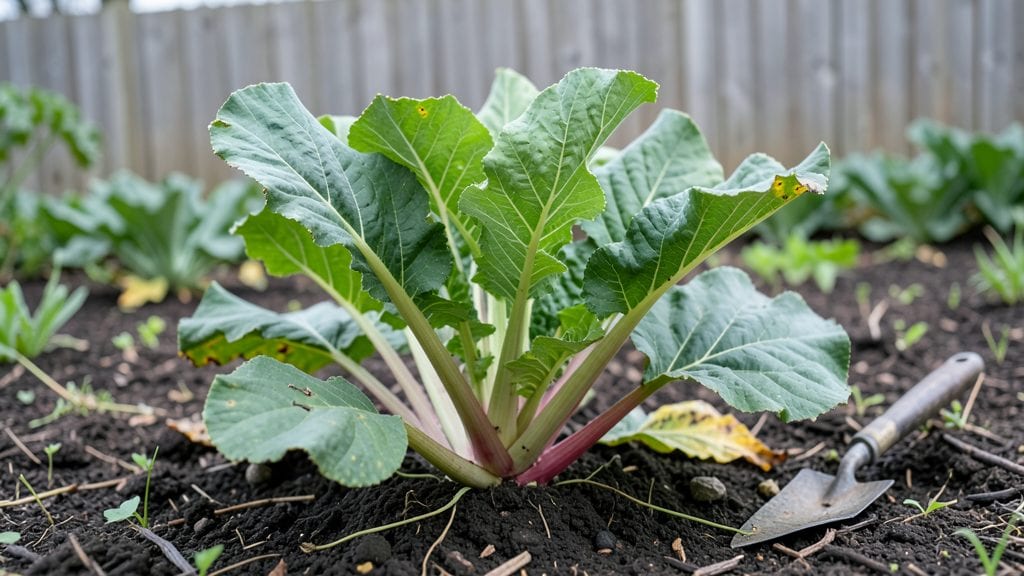
The rhubarb planting season starts in early spring—between March and April—when soil temperatures rise above 40°F and the last frost has passed.
Planting rhubarb at the wrong time can mean the difference between a thriving crop and a failed harvest—yet many gardeners still guess when to start.
In USDA Zone 6a, where I live, a late planting means weak roots before summer heat sets in, while an early start risks frost damage. The key is timing it right for your climate.
Rhubarb 🍃 thrives in cool weather, so spring planting gives it time to establish strong roots before summer’s intensity. Well-drained soil rich in compost and a sunny spot are non-negotiables—skipping prep is the fastest way to stunted growth.
Below, I’ll walk you through the exact steps to plant yours for a harvest-ready crop by next May.
You’ll also learn how to spot common mistakes—like planting too deep or in soggy soil—and how to adjust for your hardiness zone. By the end, you’ll know exactly when, where, and how to plant rhubarb for a bumper crop in just a few months.
Best rhubarb planting season by hardiness zone (USDA map guide)
Rhubarb thrives when planted at the right time, but the perfect window depends entirely on your USDA hardiness zone. In colder zones (3-5), early spring planting gives roots time to establish before summer heat.
Warmer zones (6-9) often allow fall planting, but timing must avoid early frosts. Let’s break it down by zone so you never plant too early or too late.
For crown planting (most common method), aim to plant when soil temperatures reach 40°F (4°C)—this ensures roots won’t rot in cold soil. Bare-root plants need slightly cooler soil (35°F/2°C) to prevent drying out.
In zones 3-5, this typically means late April to early May, while zones 6-9 can start as early as March or even late February in mild winters.
Here’s the exact planting timeline for each zone, including adjustments for late frosts or heatwaves that can derail your rhubarb’s first year.
🌱
In zones 3-5, where winters are harsh, spring planting is non-negotiable. The soil must thaw 6-8 inches deep before you dig in. I’ve seen gardeners in zone 4 plant too early, only to watch their crowns rot from cold, wet soil.
Wait for consistent daytime temps above 50°F (10°C)—this usually aligns with late April in most regions.
For zones 6-7, you have flexibility: plant in early spring (March) or fall (September-October). Fall planting gives roots a head start, but avoid planting 6 weeks before first frost.
In zone 6a, where I garden, I’ve had success with September planting—just cover with straw mulch to protect from early frosts.
Warmer zones (8-9) can plant as early as February, but heat is the bigger enemy here. If your spring temperatures spike above 80°F (27°C) before planting, opt for bare-root plants and shade them with row covers until established.
I once planted rhubarb in zone 9 in March, only to see it wilt under 100°F (38°C) heatwaves—never again!
One critical adjustment for all zones: late frosts after planting. If your area gets unpredictable spring frosts, use frost cloth or plant in a sheltered microclimate. In zone 5, I’ve lost entire rhubarb beds to May frosts—now I wait until May 15th as a safety net.
Finally, bare-root vs. crown planting matters. Bare-root plants need moist but not soggy soil—ideal for zones 6-9 where spring comes early. Crowns, however, are more forgiving and work well in zones 3-5. If you’re unsure, crowns are the safer bet for beginners.
🌿
How to time rhubarb planting for maximum yield (soil prep & climate triggers)
Timing your rhubarb planting correctly ensures robust root development before summer heat arrives. Unlike many vegetables, rhubarb thrives when planted in early spring or fall, but the exact window depends on your last frost date and soil temperature.
Planting too early in cold, wet soil can rot crowns, while waiting too long risks stunted growth before winter dormancy. Let’s break down the climate triggers and soil prep steps to maximize your harvest.
Rhubarb crowns need 45-60°F soil temperatures to establish roots without stress. In most USDA Zones 3-8, this aligns with March-April for spring planting or September-October for fall. Check your local last frost date—plant 2-4 weeks before to give roots time to anchor before active growth begins.
For example, if your last frost is April 15, aim for March 15-30 planting. Warmer zones (9+) can extend spring planting to early May, but avoid summer heat.
Perfect Rhubarb Planting Window
Spring: March-April
Fall: September-October
Minimum: 45°F (7°C)
Optimal: 50-60°F (10-15°C)
Plant 2-4 weeks before last frost
Avoid planting when soil is cold/wet
pH: 6.0-7.0
Drainage: Well-draining, no soggy spots
Amend: Compost + aged manure
Before planting, prepare your soil to prevent root rot and nutrient deficiencies. Rhubarb prefers slightly acidic to neutral soil (pH 6.0-7.0). Test your soil and amend with compost or aged manure to improve fertility. Avoid fresh manure—it can burn roots.
Work in 2-3 inches of organic matter and loosen the soil to a depth of 12-18 inches to encourage deep root growth. If your soil drains poorly, mix in sand or perlite to prevent waterlogging, which is fatal for rhubarb crowns.
Fall planting offers a second chance for gardeners who miss spring. In USDA Zones 4-8, plant 6-8 weeks before frost (typically September-October). This gives roots time to establish before winter dormancy.
Mulch heavily with straw or leaves to insulate crowns from freezing temperatures. Avoid planting in Zone 9+ during fall—opt for winter planting (December-January) when soil cools naturally.
Common mistakes like planting in soggy soil or ignoring last frost dates can kill your rhubarb before it starts. Always plant crowns 2-3 feet apart in a sunny spot with 6+ hours of light.
Water deeply after planting to settle the soil, but avoid overwatering—rhubarb hates "wet feet." Use a soil thermometer to confirm temperatures before planting; if soil is below 45°F, wait a week or two.
Pro tip: Mark your rhubarb bed with stakes to avoid disturbing roots during harvest. Rhubarb is perennial, so proper planting now means decades of harvests with minimal replanting. With the right timing and soil prep, you’ll enjoy juicy stalks for years—no guessing required! 🌱