
Pests
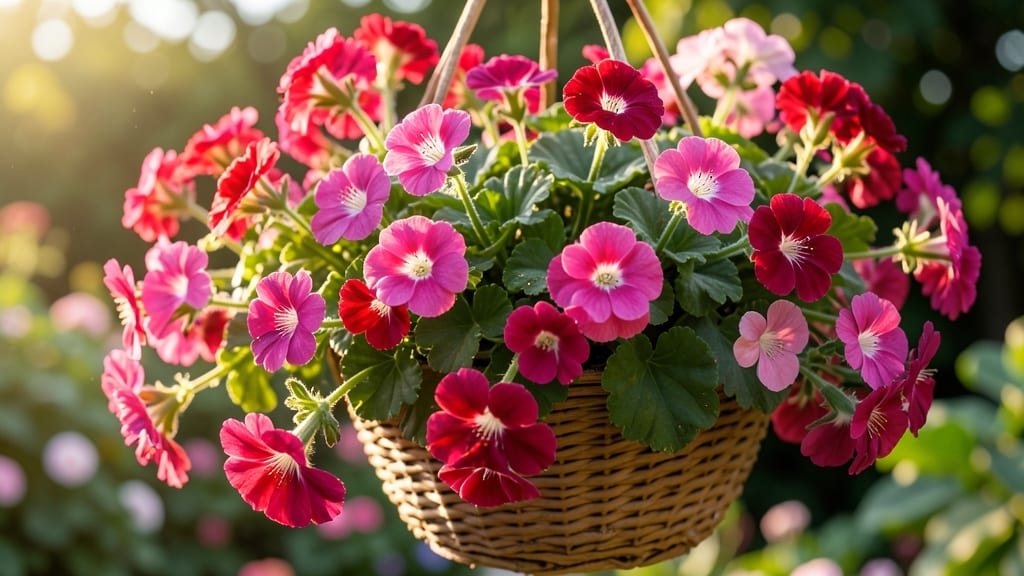
Tired of chemical repellents and itchy bites? These 10 science-backed mosquito-repelling plants create a natural barrier in your yard, reducing bites by up to 70% while adding beauty and fragrance to your garden.
Citronella Grass: The Classic Mosquito Barrier
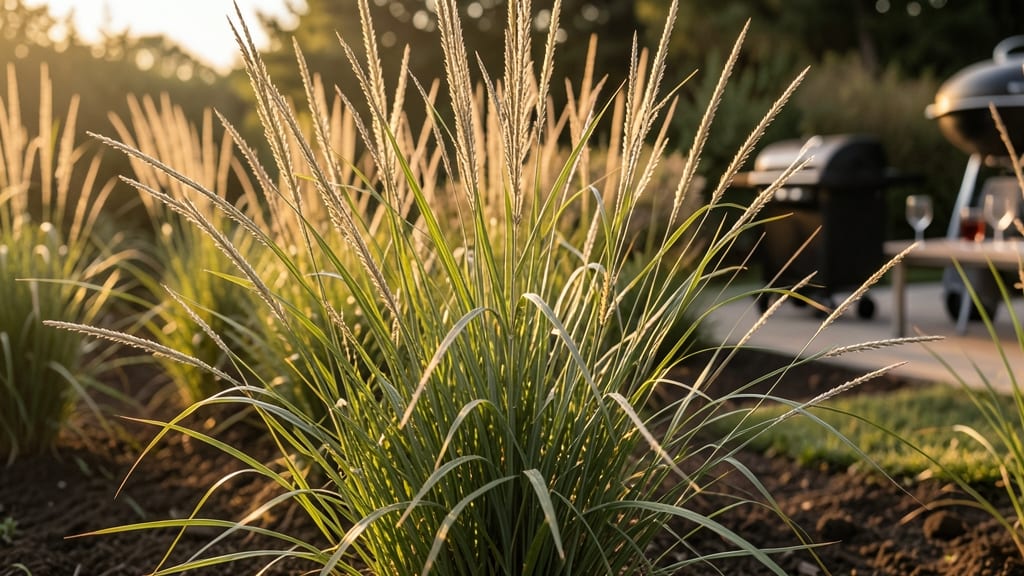
If you're hosting summer barbecues or evening gatherings, citronella grass is your secret weapon against buzzing pests. This tall, clumping grass releases natural citronella oil—the same compound found in commercial repellents—directly into the air, creating a 3-foot protective zone around your patio or garden borders.
Plant it in full sun with well-draining soil, and it will thrive in borders, containers, or even as a standalone screen. For maximum impact, position it within 3 feet of seating areas—studies show it can reduce mosquito bites by up to 70% when planted in clusters. Bonus: Its feathery foliage adds tropical flair to any outdoor space.
Perfect for beginners and urban gardeners, citronella grass requires minimal care—just occasional watering once established. It’s the classic, science-backed choice for mosquito-free entertaining. 🌱
Lemon Balm: Aromatic Herb for Outdoor Spaces
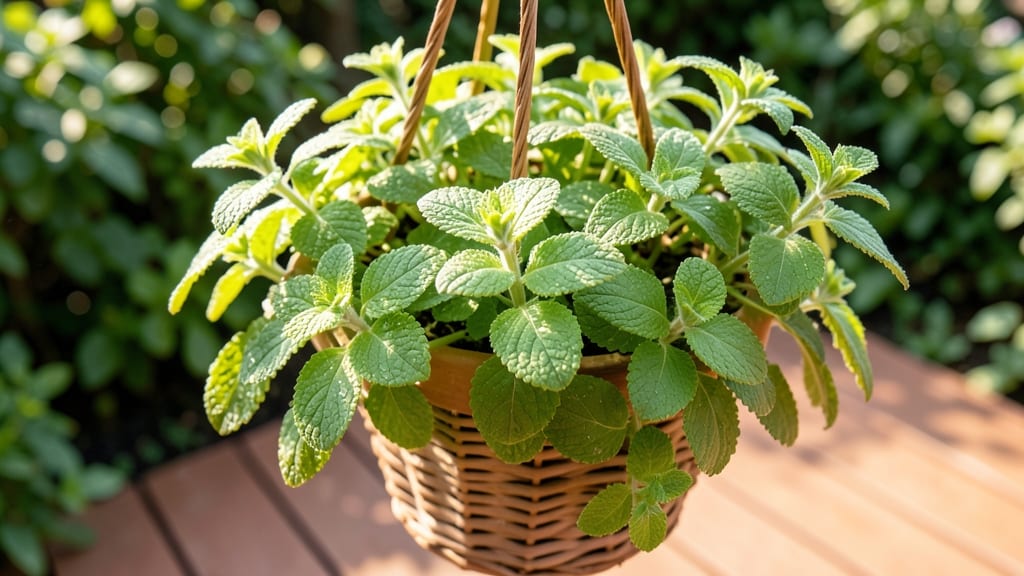
Skip the chemical sprays and let lemon balm do the work—this fragrant herb contains citral and citronellal, the same compounds found in citronella, but with a sweeter, lemony scent that mosquitoes despise. Unlike its grassy counterparts, lemon balm thrives in hanging baskets or window boxes, making it perfect for placing near seating areas where you relax outdoors.
Easy to grow in partial shade to full sun, lemon balm spreads quickly and blooms with cheerful yellow flowers, adding both beauty and function to your space. Simply snip leaves as needed to use in teas or pest-repellent sprays, and enjoy its low-maintenance nature—it’s drought-tolerant once established and rarely troubled by pests.
Urban gardeners and balcony plant parents will love how lemon balm fits into small spaces while keeping mosquitoes at bay. 🌿
Lavender: Fragrant Beauty with Repellent Power
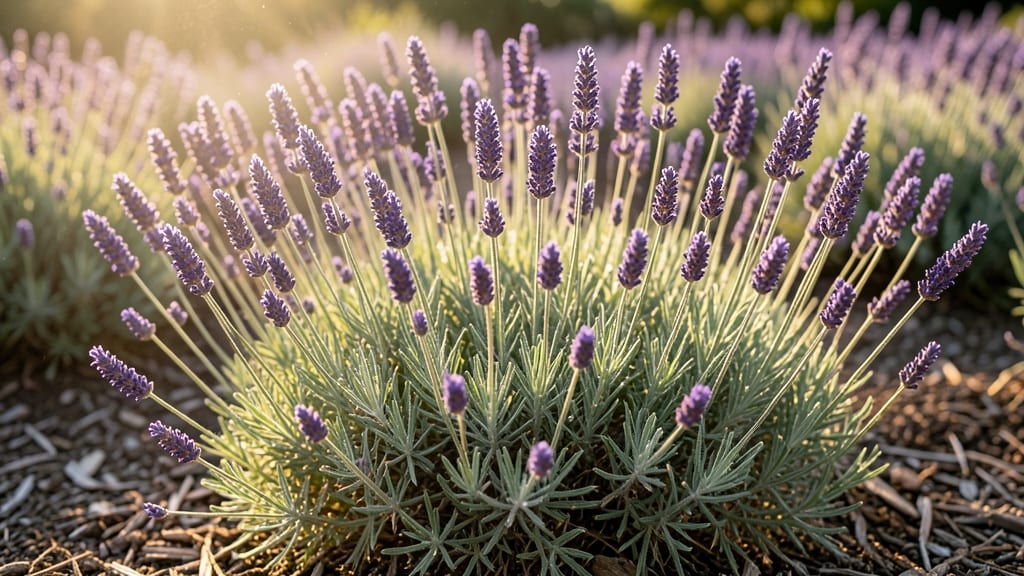
Want a garden that smells heavenly and keeps mosquitoes at bay? Lavender is your dual-purpose superstar—its signature fragrance repels pests while creating a soothing, elegant atmosphere. Unlike other repellents, lavender thrives in full sun (6+ hours daily) and well-drained soil, making it low-maintenance for busy gardeners.
For maximum effect, plant lavender in clusters of 3-5 plants along pathways, garden edges, or near seating areas. The dense growth creates a natural barrier, while the flowers attract pollinators like bees and butterflies. Prune lightly after blooming to encourage bushier growth and extend its lifespan.
Perfect for beginners and urban gardeners, lavender adds a touch of Mediterranean charm while keeping your outdoor space mosquito-free. 🌻
Catnip: The Super Mosquito Repellent
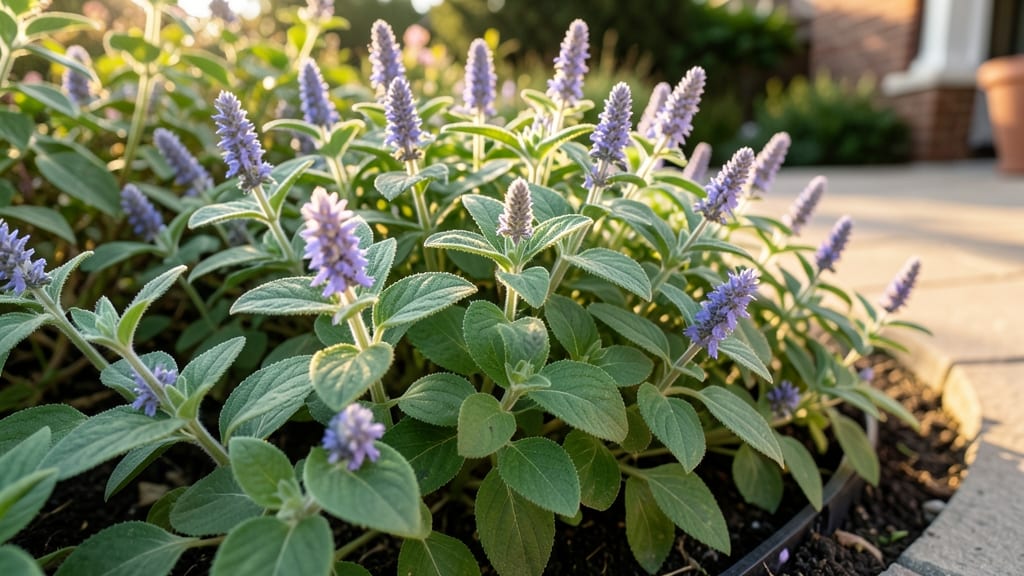
If you're looking for a mosquito repellent that packs a punch stronger than DEET, catnip is your secret weapon. This hardy perennial contains nepetalactone, a compound proven to be 10 times more effective than chemical repellents—making it a game-changer for sunny garden beds or high-traffic areas.
Catnip thrives in full sun to partial shade and prefers well-draining soil, making it ideal for borders, pathways, or as a living ground cover. It’s also drought-tolerant once established, so it’s perfect for low-maintenance gardens. For best results, plant it in clusters or mix it with other mosquito-repelling herbs like lavender or rosemary.
This isn’t just a cat’s playground—it’s a powerhouse repellent that works silently in the background while adding texture and fragrance to your outdoor space. Perfect for gardeners who want both beauty and function without the hassle. 🌻
Rosemary: Kitchen Herb with Outdoor Benefits
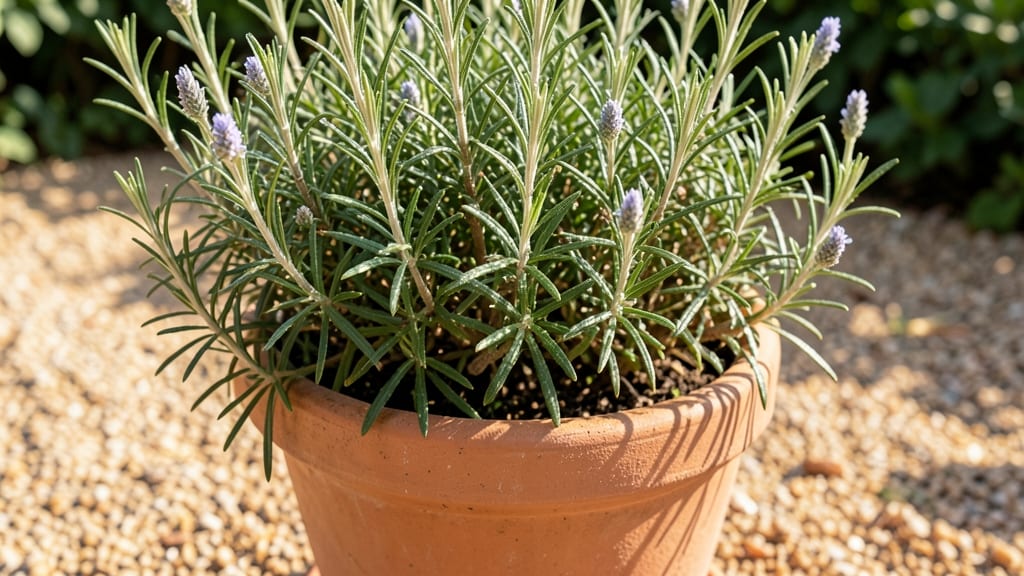
Looking for a dual-purpose plant that keeps mosquitoes away while adding fresh flavor to your meals? Rosemary is your secret weapon—its piney aroma naturally deters pests while thriving in containers or garden borders.
This drought-tolerant perennial loves full sun and well-draining soil, making it ideal for herb gardens or near outdoor kitchens. Simply snip fresh sprigs for cooking or let the scent waft through your space—mosquitoes will take the hint and fly elsewhere. Prune lightly after flowering to encourage bushier growth.
Perfect for urban gardeners, balcony planters, or herb enthusiasts, rosemary offers year-round protection with minimal effort. 🌻
Marigolds: Bright Flowers with Natural Protection
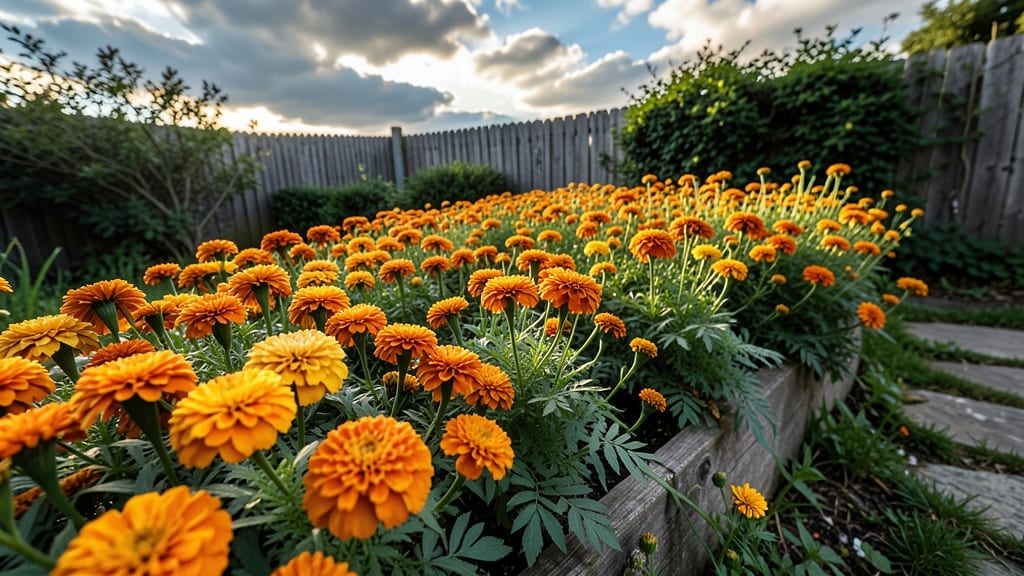
Want a mosquito-free zone that also brightens your garden? Marigolds are the secret weapon—packed with pyrethrum, a natural insect repellent that mosquitoes despise. Their vibrant blooms create a cheerful border while keeping pests at bay.
Plant them in mass clusters near entryways, along fences, or around patios to form an invisible shield. They thrive in full sun with well-drained soil and bloom from summer through fall, offering continuous protection. Bonus: They’re low-maintenance and deter other garden pests like aphids and nematodes.
This is the perfect choice for urban gardeners or anyone with limited space—marigolds work beautifully in containers or garden beds. Their cheerful colors make them a win-win for beauty and function! 🌻
Basil: Culinary Herb That Repels Mosquitoes
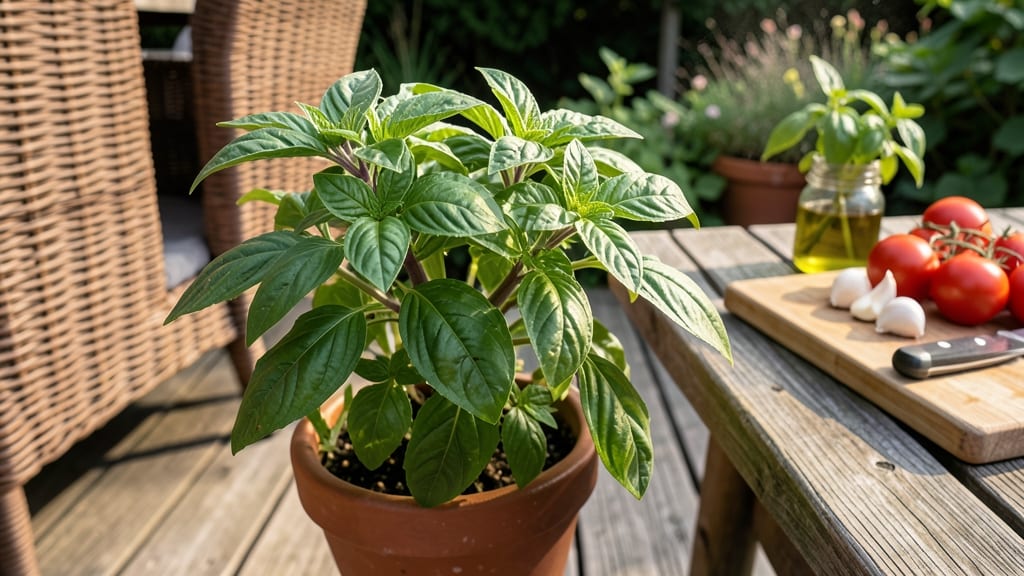
Want a plant that doubles as both a mosquito deterrent and a kitchen staple? Sweet basil is your answer—its anise-like scent confuses mosquitoes while adding fresh flavor to your favorite dishes.
Grow sweet basil in containers near patios or dining areas for maximum effect, as its strong aroma creates a natural barrier. It thrives in full sun to partial shade and well-draining soil, making it perfect for urban balconies or herb gardens. Pinch back flowers to encourage leafy growth and harvest regularly to keep it productive.
Urban gardeners and patio chefs will love this dual-purpose plant—it’s easy to grow, repels pests, and keeps your meals flavorful. 🌿
Peppermint: Invasive but Effective Repellent
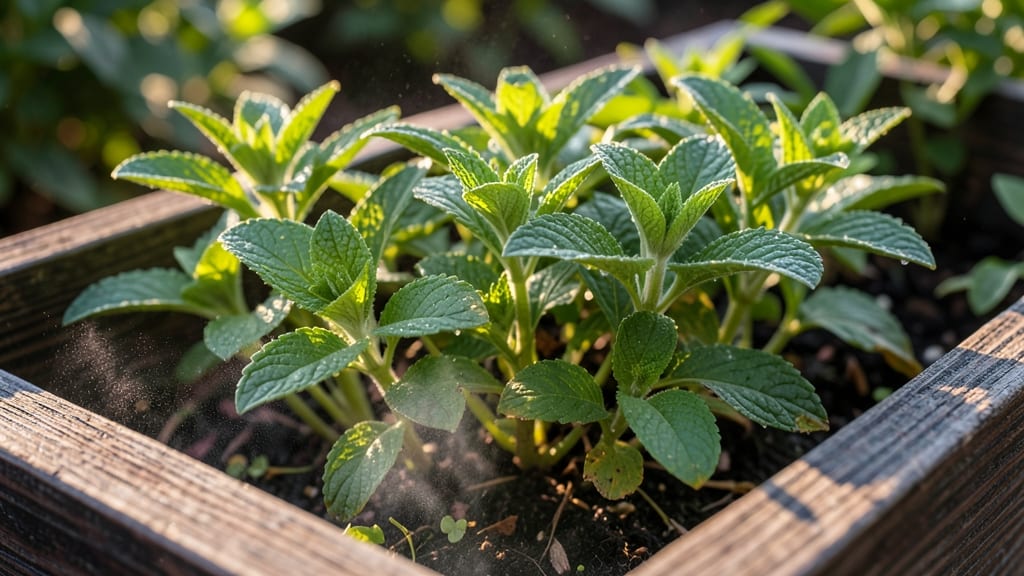
If you love the fresh scent of mint but dread the spread of its aggressive roots, peppermint is your secret weapon against mosquitoes—without the garden takeover. This hardy herb releases menthol, a compound mosquitoes actively avoid, making it a potent natural repellent when planted strategically.
To keep it contained, grow peppermint in 10-inch containers with well-draining soil and place them near seating areas, balconies, or patio edges. It thrives in partial sun (4-6 hours daily) and benefits from occasional pruning to encourage bushier growth. The key is preventing it from escaping its pot—its roots can spread aggressively in garden beds.
Perfect for urban gardeners or small-space enthusiasts, peppermint delivers year-round protection while adding a refreshing aroma to your outdoor space. Just be prepared for its strong scent to linger on your hands! 🌿
Bee Balm: Pollinator-Friendly Mosquito Deterrent
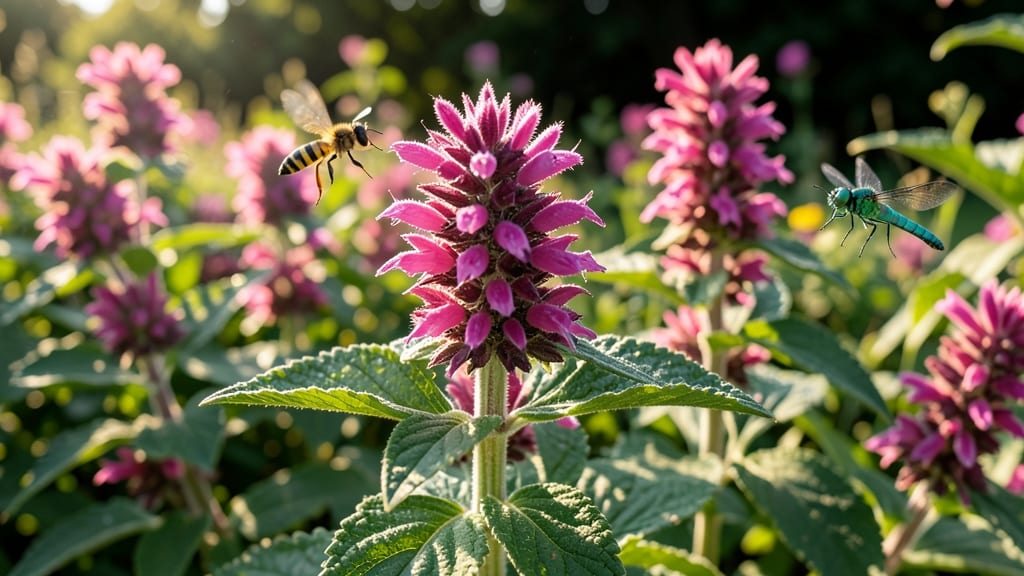
Want a mosquito-repelling plant that does double duty by supporting your local ecosystem? Bee balm (Monarda spp.) is your answer—its bright blooms attract predatory wasps and dragonflies, which feast on mosquito larvae, while its scent naturally deters adult mosquitoes from landing. This native North American beauty thrives in sunny to partially shaded meadows and spreads easily from seed or division.
The red, pink, or purple tubular flowers are irresistible to pollinators but also contain oils that mosquitoes avoid. For maximum impact, plant in clusters of 3-5 plants near water sources (where mosquitoes breed) or along garden edges. Deadhead spent blooms to encourage continuous flowering from summer to early fall, extending its pest-control benefits.
Perfect for wildflower enthusiasts, native plant gardens, or anyone who wants to reduce mosquito populations naturally without harming beneficial insects. Just be prepared for its aggressive spreading—it’s a gardener’s trade-off for a buzzing, bite-free haven! 🌻
Geraniums: Fragrant Blooms for Mosquito Control

If you love vibrant blooms but hate sacrificing mosquito protection, geraniums—specifically Pelargonium species—are your secret weapon. These fragrant flowers contain citronellol, a natural compound that repels mosquitoes while adding a splash of color to your outdoor space.
Plant them in hanging baskets or window boxes near patios, decks, or dining areas where you spend the most time. They thrive in full sun to partial shade and prefer well-draining soil, making them perfect for urban balconies or rural gardens alike. Choose varieties like scented geraniums or ivy-leaved geraniums for their strong fragrance and compact growth.
Urban gardeners and beginners will love how low-maintenance geraniums are—they bloom year-round in warm climates and rarely need deadheading. Plus, their cheerful flowers make them a dual-purpose plant that repels pests while beautifying your space. 🌻