
Flowers
Tired of squirrels raiding your garden and devouring your hard-earned harvest? These 10 squirrel-repellent flowers act as natural deterrents while adding beauty and fragrance to your outdoor space.
Daffodils: Toxic Beauty for Squirrel Deterrence
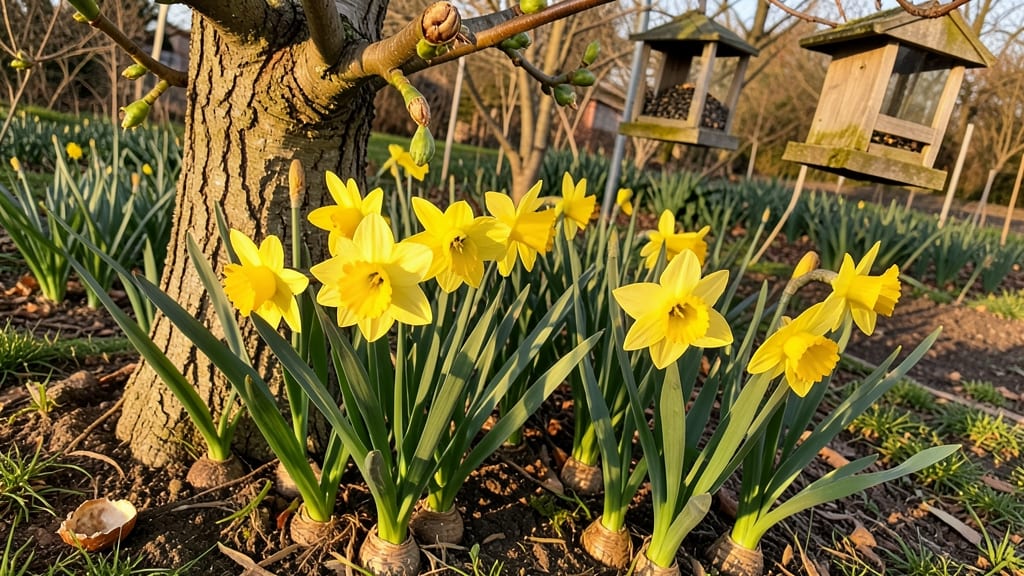
If you’ve ever watched a squirrel snatch your walnuts before they’re ripe, daffodils might just be your new best friend. Their toxic bulbs contain lycorine, a compound that squirrels instinctively avoid—making them a natural barrier around nut trees, vegetable patches, and even bird feeders.
Plant them in clusters along garden edges or near vulnerable crops for year-round protection (even when not in bloom). Early spring bloomers, daffodils brighten up the garden before many other flowers emerge, offering both beauty and pest control. They thrive in full sun to partial shade and return reliably year after year with minimal care.
This is the perfect solution for gardeners who want low-maintenance, early-season color without sacrificing protection. 🌷
Lilies: Fragrant Barriers with Powerful Scents
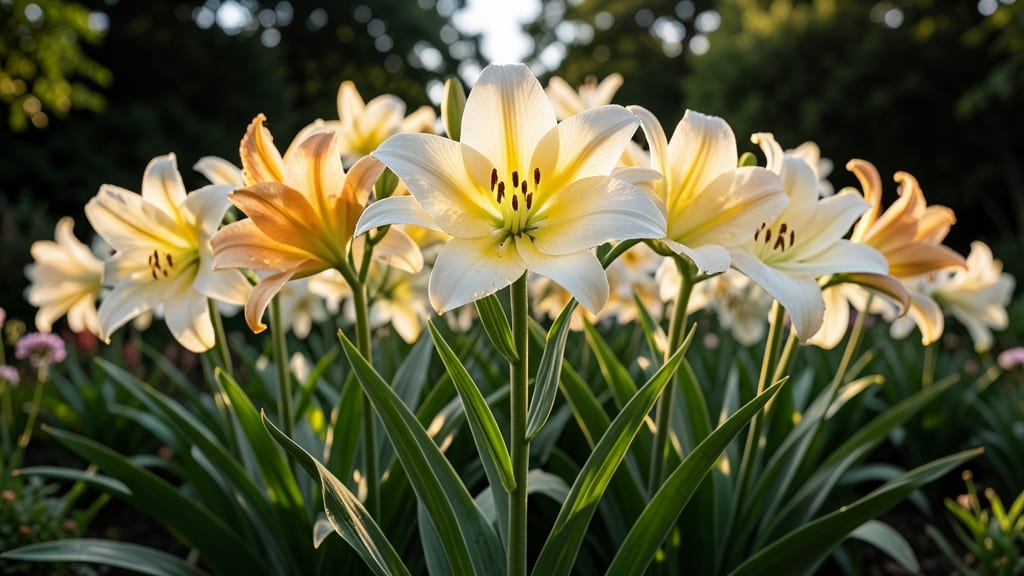
When you need a doubly effective squirrel deterrent—one that protects and perfumes your garden—lilies are your secret weapon. Unlike daffodils (which rely on toxicity), lilies use their intense fragrance to confuse and repel squirrels while standing tall enough to create a natural barrier around vulnerable plants.
Plant Asiatic or Oriental lilies (2-4 feet tall) along borders of vegetable patches or near bird feeders. Their strong scent—especially potent in varieties like 'Stargazer' or 'Casa Blanca'—masks the smells that attract squirrels. For best results, position them where they’ll catch breezes, dispersing their aroma widely. Just ensure they get full sun to partial shade and well-drained soil to thrive.
Gardeners with small spaces or container gardens will love lilies—they add drama without sprawling. Plus, their late-summer blooms provide seasonal color when other deterrents fade. 🌻
Alliums: Onion Family's Squirrel-Repelling Power
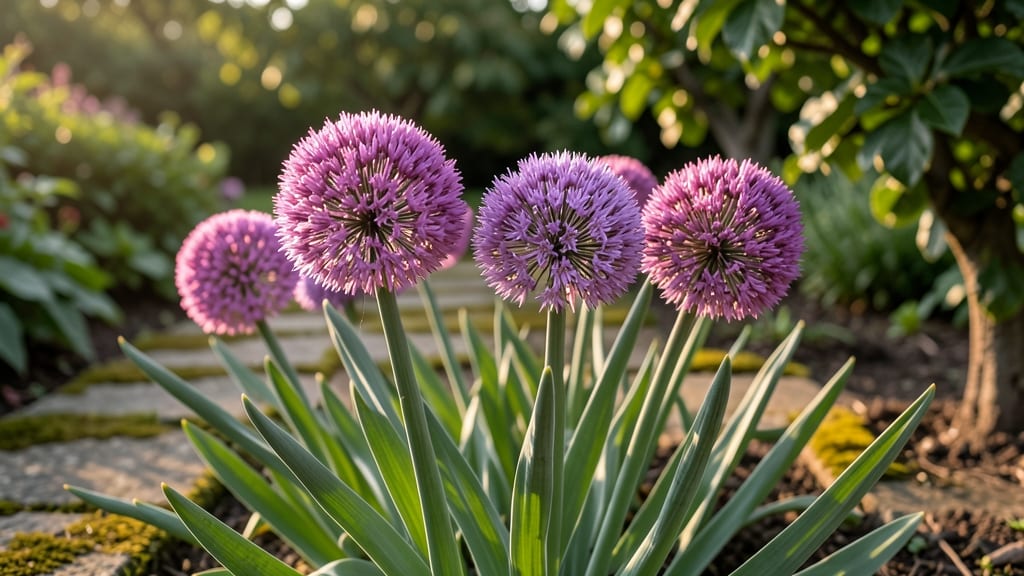
If you're looking for a low-maintenance yet striking way to keep squirrels away from your fruit trees and veggies, alliums are your secret weapon. These ornamental onions pack a double punch: their sulfur-based compounds (similar to garlic) deter squirrels, while their globular blooms add bold architectural drama to any garden.
Plant alliums like Allium giganteum or Allium schubertii near vulnerable areas—their strong scent alone often scares off squirrels. They thrive in full sun to partial shade and prefer well-drained soil, making them perfect for raised beds or containers. Bonus: They bloom mid-to-late summer when many other plants are winding down, giving you a second burst of color.
Gardeners with small spaces or urban yards will love how alliums work—their vertical structure creates natural barriers without taking up much room. Plus, they’re deer-resistant, so you get double protection! 🌻
Snapdragons: Colorful Deterrents for Small Gardens
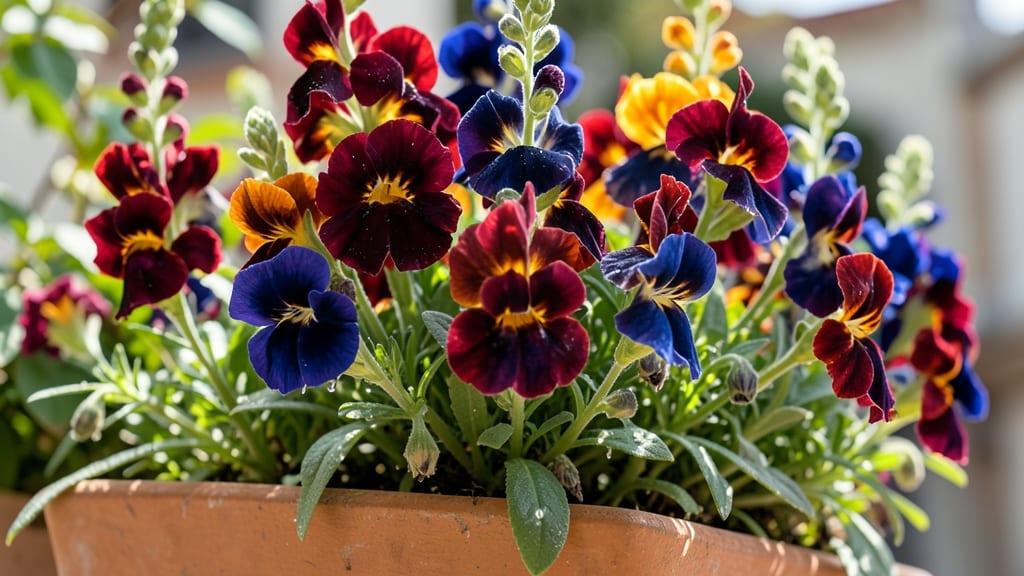
If you love vibrant colors and vertical charm but have limited space, snapdragons are your secret weapon against squirrels. Their strong fragrance and bold hues create a sensory barrier that confuses foraging squirrels while adding height to small gardens and containers.
These biennial or short-lived perennials thrive in full sun to partial shade and come in a rainbow of colors—red, orange, yellow, pink, and even bi-colors. Plant them in window boxes, hanging baskets, or mixed containers near bird feeders to create a natural squirrel deterrent without sacrificing beauty. Deadhead spent blooms to encourage more flowers and deter pests.
Perfect for urban gardeners, balcony planters, and cottage-style beds, snapdragons offer a double benefit: they repel squirrels and attract pollinators like bees and butterflies. 🌻
Foxgloves: Tall Natural Fences with Toxic Properties
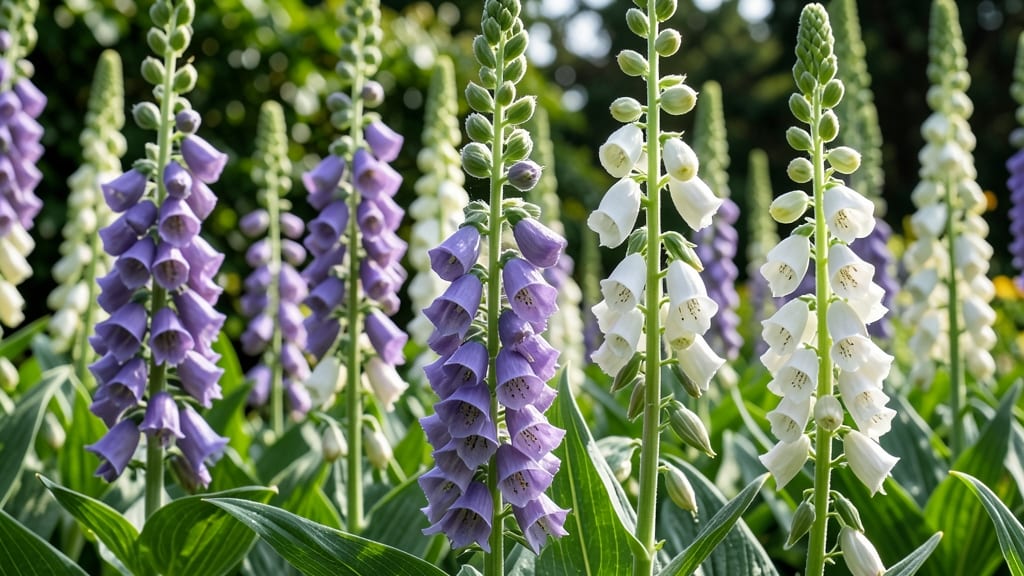
If you're looking for a natural fence that doubles as a squirrel deterrent, foxgloves are your secret weapon. These towering beauties reach heights of 3-5 feet, creating a vertical barrier that squirrels instinctively avoid—thanks to their cardiac glycosides, compounds that make them toxic if ingested.
Plant foxgloves along garden edges, near bird feeders, or around vulnerable plants like tulips and hostas. They thrive in partial shade to full sun and prefer well-drained soil. Deadhead spent blooms to encourage a second flush of flowers, but leave some seed pods for hummingbirds. Their dramatic spikes also add a cottage-garden charm that’s hard to resist.
Perfect for gardeners who want both practical pest control and striking visuals, foxgloves are especially useful in woodland gardens or mixed borders where height is needed. Just remember: all parts are toxic, so wear gloves when handling them. 🌻
Marigolds: Bright Orange Squirrel Confusion
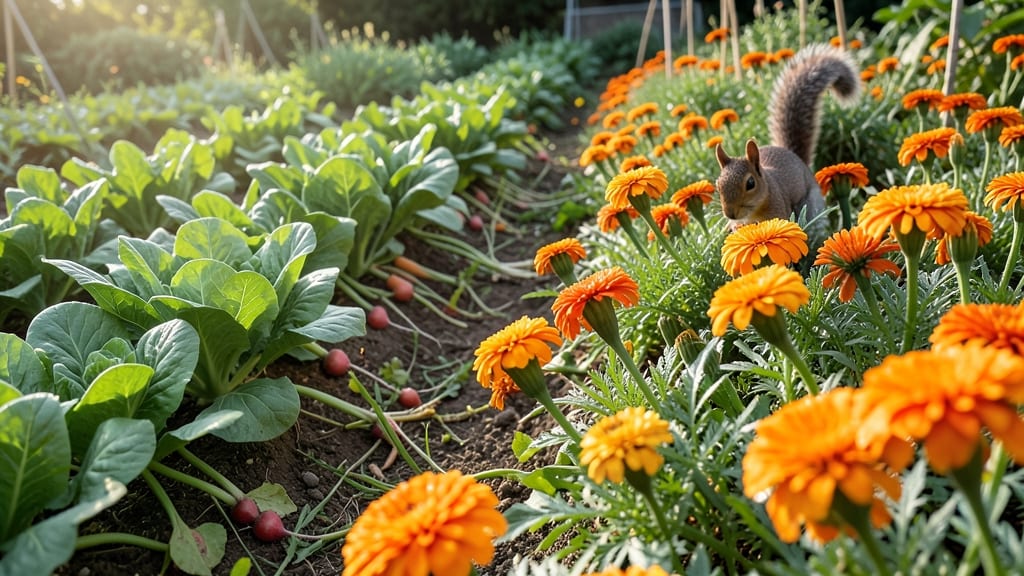
If you’ve ever watched squirrels dart between rows of vegetables, you know how frustrating their raids can be—but marigolds might just be your secret weapon. These cheerful orange bloomers don’t just repel squirrels with their pungent scent; their bright colors create a visual distraction that confuses foraging pests, keeping them away from your prized crops.
Marigolds thrive in full sun to partial shade and grow compactly (12–24 inches tall), making them perfect for interplanting with tomatoes, peppers, or herbs. Their low-maintenance nature means they’ll bloom nonstop from summer through fall, providing both protection and pollinator-friendly nectar. Plus, they’re disease-resistant, so you won’t lose sleep over fungal issues.
Urban gardeners and container growers will love marigolds—they’re ideal for pots and small spaces, offering year-round squirrel deterrence with minimal effort. 🌻
Lavender: Fragrant Purple Squirrel Repellent
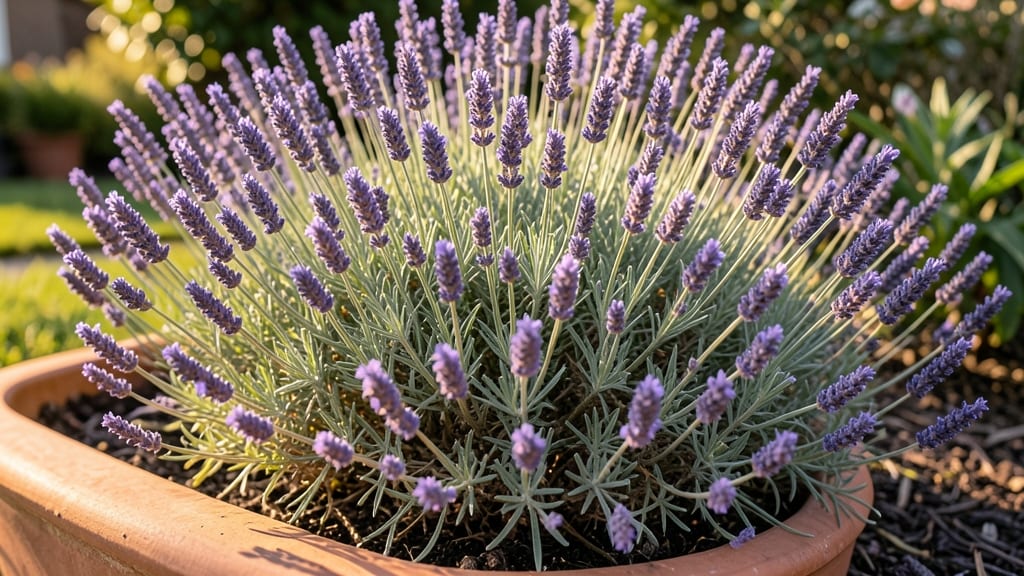
If you want a dual-purpose plant that keeps squirrels at bay while attracting pollinators, lavender is your secret weapon. This fragrant purple shrub thrives in full sun and well-drained soil, making it perfect for sunny borders or container gardens where squirrels love to dig.
The strong, herbal scent of lavender confuses and repels squirrels, while its compact, mounding habit creates a natural barrier around vulnerable plants. Plus, bees adore its flowers, turning your garden into a buzzing hub of activity. Prune lightly after blooming to encourage bushier growth and more fragrance.
Urban gardeners and small-space growers will love lavender’s low-maintenance nature—it’s drought-tolerant once established and requires minimal care. Plant it near fruit trees or vegetable patches for a fragrant, squirrel-free zone. 🌿
Crocuses: Early Bloomers with Squirrel Deterrence
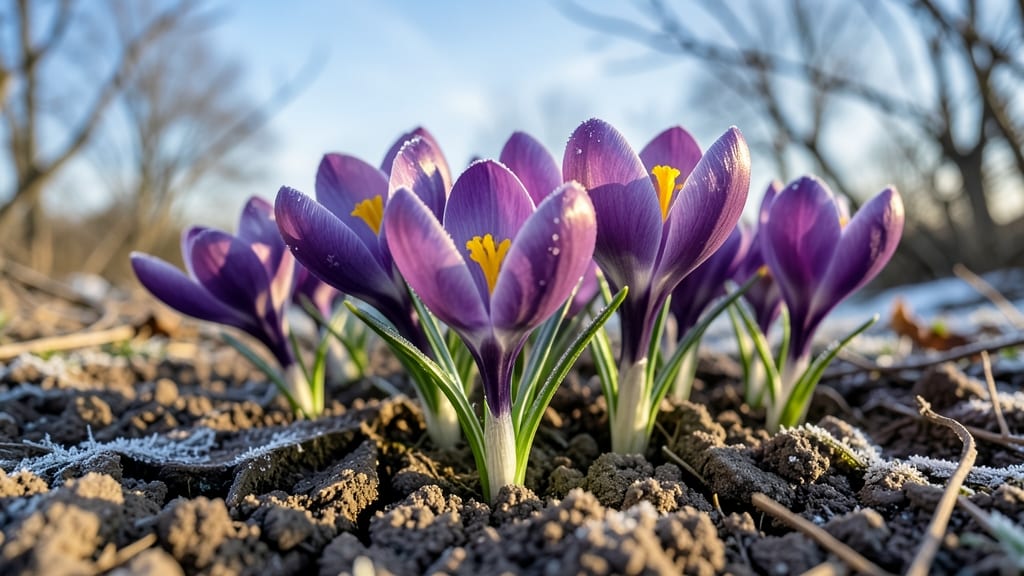
When winter's grip finally loosens and you crave a splash of color, crocuses burst through the soil like cheerful messengers—often before snow has fully melted. These tiny but mighty bloomers aren’t just early-season stars; they also contain natural compounds that squirrels find unappetizing, making them a dual-purpose powerhouse for your garden.
Plant crocus bulbs in fall (6–8 weeks before frost) in well-draining soil with full sun to partial shade, and their delicate blooms will reward you in late winter or early spring. The key to their squirrel-deterring magic lies in their bitter alkaloids, which create an unpleasant taste for foraging rodents. For maximum protection, scatter them around winter gardens, vegetable beds, or near newly planted perennials—they’ll emerge early to shield tender shoots while adding vibrant purple, white, or yellow accents.
Perfect for beginner gardeners and small-space enthusiasts, crocuses thrive in containers, rock gardens, or along borders. Their low-maintenance nature and early bloom time make them a must-have for anyone tired of winter’s dullness—or squirrel raids! 🌷
Rue: Ancient Herb with Strong Squirrel Repellent
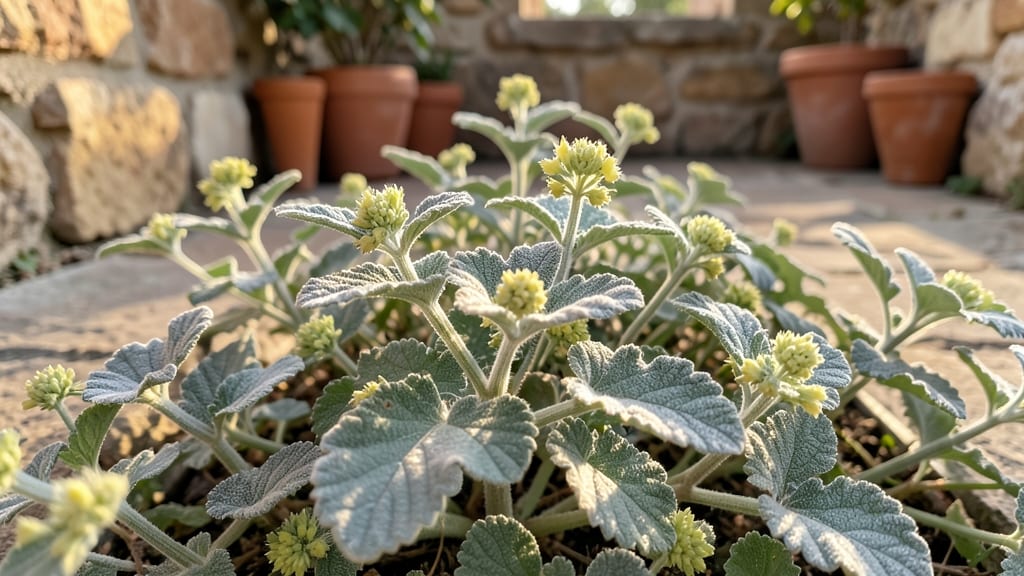
If you're looking for a historical herb that doubles as a squirrel deterrent, rue (Ruta graveolens) is your secret weapon. This ancient Mediterranean plant contains furanocoumarins, compounds that give it a bitter taste squirrels despise while adding a striking silvery-green foliage to your garden.
Rue thrives in full sun to partial shade and well-drained soil, making it perfect for herb gardens or as a companion to fruit trees. Its yellow flowers appear in spring, but the real magic is in its foliage—crush a leaf to release its citrusy scent, which squirrels find overwhelming. For best results, plant it in containers or borders near vulnerable plants.
This low-maintenance perennial is ideal for gardeners who love dual-purpose plants—it repels pests while adding texture and fragrance. Perfect for cottage gardens or urban herb patches! 🌿
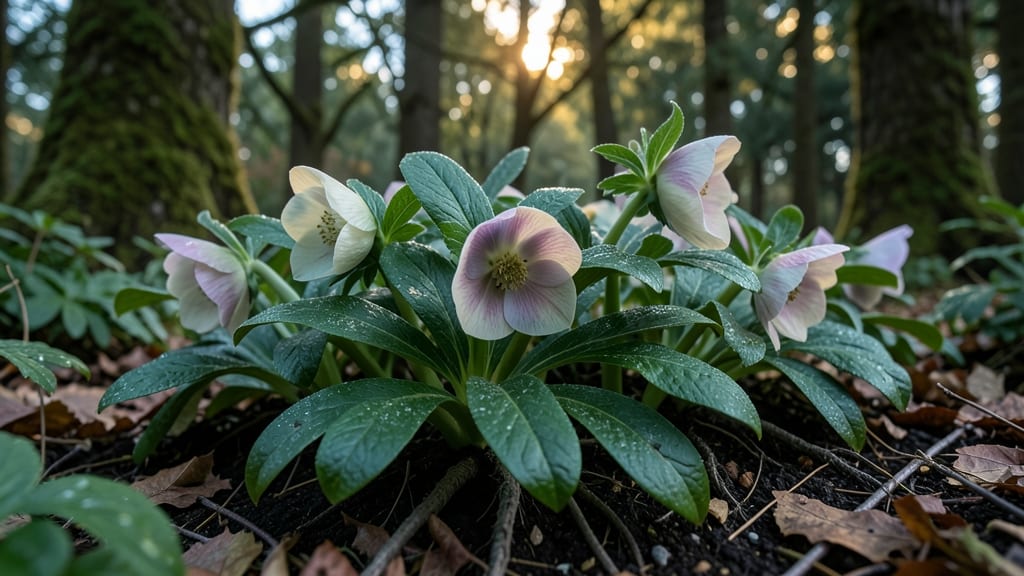
Hellebores: Evergreen Squirrel Barriers for Shade

If your garden is tucked away under the shade of trees, helleborus (commonly called hellebores) are the unsung heroes you’ve been missing. Unlike sun-loving repellents, these evergreen perennials thrive in low light while packing a squirrel-deterring punch through their toxic compounds—making them perfect for woodland gardens and shaded borders.
Hellebores contain protoanemonin, a natural toxin that squirrels instinctively avoid, even when not in bloom. Their leathery, evergreen foliage creates a dense barrier year-round, while their delicate, nodding flowers bloom in late winter to early spring. Plant them in partial to full shade with well-draining soil, and they’ll reward you with low-maintenance protection for decades.
Woodland gardeners and urban dwellers with shady patios will love hellebores—they’re deer-resistant too! Just keep them away from pets and children, as the toxins can cause mild irritation. 🌿