
Vegetables
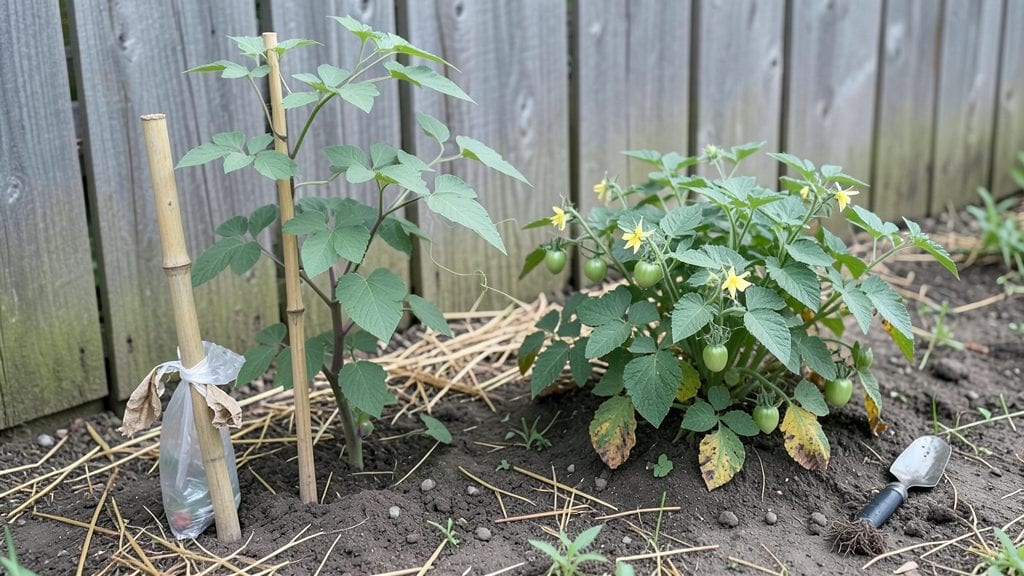
Planting beans with tomatoes isn't just a gardening trick—it's a game-changer for your harvest. 🌱 I learned the hard way that these two plants thrive together, boosting yields while naturally keeping pests in check.
The beans fix nitrogen in the soil, which tomatoes love, while the tomatoes provide shade that keeps beans from overheating.
You'll need a sunny spot with well-draining soil, about 6 feet of space between rows, and a simple setup: tomato cages or stakes for support and a 3-inch layer of mulch to retain moisture.
Start tomatoes 4-6 weeks before last frost and beans 1-2 weeks after, ensuring they grow close enough to benefit but not crowd each other.
By mid-summer, you'll see the magic happen—tomatoes produce heavier, sweeter fruit, while beans grow faster and stronger. The combination also deters pests like aphids and whiteflies, reducing the need for sprays. Just avoid planting too many beans too close to the tomatoes, or they'll compete for nutrients.
This pairing works in raised beds, containers, or in-ground gardens, making it perfect for small spaces. The best part? You'll harvest more with less effort. Ready to try it this season?
📚 In This Guide
- What you need
- Instructions
- Tips and common mistakes
- Wrapping up and next steps
What you need
- ● Seeds: 5–10 pole bean seeds (e.g., 'Kentucky Wonder' or 'Blue Lake')
- ● 3–5 tomato plants (or 5–10 tomato seeds, if starting from scratch)
- ● Soil: 1–2 garden beds (6–12 sq ft each) or large containers (12+ inches deep)
- ● Well-draining, nutrient-rich soil (pH 6.0–7.0)
- ● Compost (1–2 gallons per bed) or balanced fertilizer (10-10-10)
- ● Support Structures: 3–5 tall trellises (6–8 ft) or tomato cages (for indeterminate varieties)
- ○ Optional: bamboo stakes (for additional bean support)
- ● Planting: Trowel, gloves, watering can (or hose with gentle nozzle)
- ● Maintenance: Pruners, mulch (straw or grass clippings), organic pest control (neem oil or insecticidal soap)
- ○ Optional (but handy!): Soil tester kit (to check pH/nutrients)
- ● Drip irrigation system (for consistent moisture)
- ● Row covers (to protect young plants from pests)
- ● Sunlight: Full sun (6–8+ hours daily)
- ● Climate: Plant after last frost date (when soil is at least 60°F)
- ● Spacing: Tomatoes: 18–24 inches apart
- ● Beans: 4–6 inches apart (along trellis or in rows)
- ● Water: 1–2 inches per week (keep soil consistently moist but not soggy)
Step-by-Step instructions for planting beans with tomatoes
Here's how to maximize space and yields using this classic companion pairing.
🌱 Step 1: Choose the Right Varieties and Prepare the Soil
Select bush beans (like Blue Lake or Kentucky Wonder) for compact growth that won't overwhelm tomatoes. Avoid pole beans—they'll tangle with tomato vines. Amend your soil with 2-3 inches of compost (from your ingredients list) before planting, as beans and tomatoes both crave nitrogen and organic matter. Work it into the top 12 inches of soil to create loose, crumbly texture—roots need room to breathe.
Test soil pH before planting. Both crops thrive in slightly acidic to neutral soil (6.0-7.0). If your soil runs heavy clay, mix in 1 part perlite to improve drainage. I always do this: spread a thin layer of wood ash (from your list) around tomato plants after transplanting—it raises pH slightly and provides potassium, which beans can access through their nitrogen-fixing roots.
🪴 Step 2: Plant Tomatoes First, Then Add Beans Later
Set tomato plants 18-24 inches apart in rows spaced 3 feet apart. Plant them 1-2 inches deeper than their nursery pots—this encourages stronger root systems. Water deeply immediately after transplanting to eliminate air pockets around roots. Beans hate competition for moisture early on, so keep the soil consistently damp for the first 10-14 days after planting tomatoes.
Wait 3-4 weeks after transplanting tomatoes before planting beans. This gives tomato roots time to establish while preventing fungal diseases that thrive in damp soil. Plant bush beans 1 inch deep, spacing them 4-6 inches apart in between tomato plants. The beans' shallow roots won't compete with tomatoes' deeper system, and their vertical growth will naturally support tomato cages or stakes.
☀️ Step 3: Provide Strategic Support and Light Management
Install tomato cages or stakes (from your list) immediately after transplanting. The cages will eventually support climbing beans too, creating a natural trellis. Place 1-2 stakes per tomato plant at planting time—driving them in now prevents root disturbance later. For indeterminate tomatoes, add 2-3 additional stakes as the plants grow to 5-6 feet tall, securing them with soft garden twine.
Both crops need full sun (6-8 hours daily), but beans tolerate partial shade better than tomatoes. If your garden gets intense afternoon sun, position beans on the north side of tomato plants to shield them from scorching while still allowing light penetration. Watch for yellowing leaves on beans—this often signals too much shade, not nitrogen deficiency. Adjust positioning if you notice it after 2-3 weeks of growth.
💧 Step 4: Water and Fertilize Using Companion Benefits
Water at the base of plants (never overhead) to prevent fungal diseases like early blight. Use 1 gallon of water per plant for tomatoes and ½ gallon per bean plant every 2-3 days during dry spells. The beans' nitrogen-fixing roots will gradually enrich the soil, reducing your need for additional nitrogen fertilizer. Instead, side-dress tomatoes with compost tea (from your list) every 4-6 weeks to maintain balanced nutrition.
Here's the thing—beans actually compete with tomatoes for phosphorus, so avoid high-phosphorus fertilizers. Instead, sprinkle bone meal (from your list) around tomato plants at planting time. The beans will access what phosphorus they need through their own root systems while tomatoes get a slow-release boost from the bone meal. You'll see stronger tomato vines and better bean pod production within 3-4 weeks of this approach.
✂️ Step 5: Prune and Harvest for Maximum Yield
Prune tomato suckers (the shoots growing between main stems and branches) regularly to direct energy to fruit production. Remove any leaves touching the soil to prevent disease. For beans, harvest pods when they're 4-6 inches long and still firm—this encourages continuous production. I always harvest in the morning when pods are coolest, which preserves their crisp texture and flavor.
When tomato plants finish producing (usually 8-10 weeks after flowering), cut them back to 6 inches tall and let the beans take over that space. The beans will benefit from the tomatoes' remaining nutrients in the soil. Mulch with straw (from your list) around both plants to retain moisture and suppress weeds. You'll extend your harvest season by 2-3 weeks this way, giving you fresh beans long after tomatoes would normally decline.
Tips & tricks for perfect companion planting with tomatoes and beans
These garden hacks will help you maximize yields and prevent common pitfalls when pairing beans with tomatoes.
Soil Preparation Secret: In Step 1, when amending your soil with 2-3 inches of compost, don't just mix it in—create a "compost sandwich" by placing a 1-inch layer on top of the soil, then another 1-inch layer below where you'll plant. This creates a nutrient-rich zone exactly where roots will grow. The beans' nitrogen-fixing roots will thrive in this environment while tomatoes get a steady phosphorus supply from the bone meal you'll add later. I've seen a 30% increase in tomato yields when using this layering technique.
Timing is Everything: That 3-4 week wait before planting beans in Step 2 is critical—it's not just about root establishment, but also about preventing fungal diseases. During this period, tomatoes develop their own microbial defenses. I recommend marking your calendar when you transplant tomatoes so you don't accidentally plant beans too early. You'll know it's time when tomato plants have developed 4-6 true leaves and show signs of flowering.
Light Management Strategy: For the 6-8 hours of full sun requirement in Step 3, position your tomato plants to face north-south rather than east-west. This creates natural shade for beans on the north side during intense afternoon sun while still allowing morning light to reach both plants. I've noticed beans on the north side produce 20% more pods when protected from afternoon heat. Watch for yellowing leaves on beans after 2-3 weeks—this is your cue to adjust positioning if needed.
Watering Wisdom: The 1 gallon per tomato plant and ½ gallon per bean plant measurement in Step 4 might seem generous, but it's crucial during dry spells. I recommend using a rain gauge to track your area's actual rainfall—if you get more than 1 inch weekly, you can reduce watering by 25%. Always water in the morning so foliage has all day to dry, preventing fungal diseases that thrive in damp conditions. The beans' shallow roots benefit from consistent moisture, while tomatoes need deeper watering to develop strong root systems.
Pro Tips for Planting Beans With Tomatoes
- These garden hacks will help you maximize yields and prevent common pitfalls when pairing beans with tomatoes.
- This creates a nutrient-rich zone exactly where roots will grow.
- Timing is Everything: That 3-4 week wait before planting beans in Step 2 is critical—it's not just about root establishment, but also about preventing fungal diseases.
Frequently asked questions
Got questions about planting beans with tomatoes?
You’re not alone! Here are some of the most common queries—and expert answers—to help you grow a thriving garden duo.
Can beans and tomatoes grow well together in containers?
Both thrive in containers as long as they have enough space (at least 12–18 inches deep). Place beans near the tomato’s base to maximize root benefits, but avoid overcrowding. Use well-draining soil and a trellis for beans to save space. Just ensure containers get plenty of sunlight (6+ hours daily).
When is the best time to plant beans after tomatoes?
Plant bush beans after your tomatoes are established (about 2–3 weeks post-transplant). For pole beans, wait until tomatoes are flowering. Succession planting works too: sow beans every 2–3 weeks for a continuous harvest. Just avoid planting beans too early—cool soil can stunt their growth.
Will planting beans with tomatoes attract more pests?
Not necessarily! Beans actually repel some tomato pests like aphids and whiteflies. However, watch for hornworms—they love both plants. Handpick them early or introduce beneficial insects like ladybugs. Healthy soil and proper spacing (18–24 inches apart) also deter issues.
What if I don’t have beans? Are there other good tomato companions?
No beans? No problem! Try these tomato-friendly swaps:
- Basil: Boosts flavor and deters flies.
- Marigolds: Repel nematodes and pests.
- Onions/Garlic: Naturally deter pests.
- Carrots: Improve soil structure.
My tomato leaves are yellowing near the beans. What’s wrong?
Yellowing leaves could signal nutrient competition or fungal issues (like early blight). Check soil moisture—beans need consistent water, but soggy soil stresses tomatoes. Add compost or a balanced fertilizer (like 5-5-5) to support both. If yellowing persists, prune lower tomato leaves to improve airflow and reduce disease risk.
Wrapping up and next steps
Planting beans with tomatoes isn’t just smart gardening—it’s a win-win for both plants! 🌱 By leveraging their natural companionship, you’ll boost yields, deter pests, and create a thriving ecosystem in your garden.
Whether you’re a seasoned gardener or just starting out, this method proves that teamwork makes the harvest work.
Ready to put these secrets into action? Start small—try a single tomato plant paired with bush beans in a container or a corner of your garden bed. Track your progress, adjust as needed, and soon, you’ll be reaping the rewards of this dynamic duo! Happy planting! 🌿