
Aphids
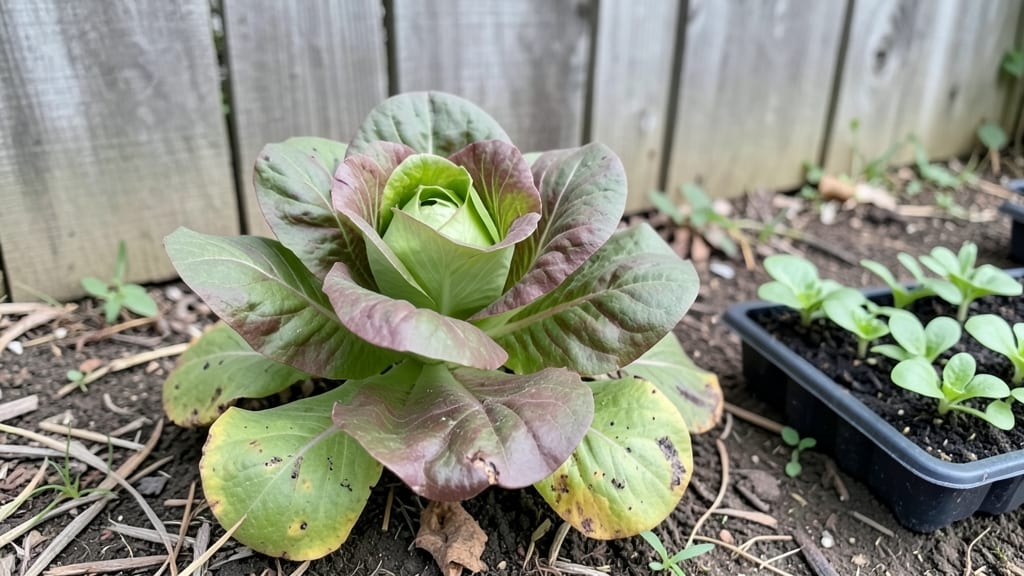
Planting butterhead lettuce fast means starting with seeds in warm soil—40-50°F—and keeping them consistently moist. I’ve learned the hard way that rushing germination by overwatering or planting too deep kills more seedlings than anything else.
The key is patience paired with precise timing, so you’re harvesting those sweet, crisp leaves in just 4-6 weeks instead of waiting months.
You’ll need a sunny spot with 4-6 hours of direct light daily, loose soil mixed with compost, and shallow furrows just ¼-inch deep. Butterhead thrives in cooler weather, so spring and fall plantings give the best results in most climates.
Overcrowding is the #1 mistake—space seeds 12 inches apart to avoid leggy, bitter leaves that fight for sunlight.
Once sprouted, keep the soil damp like a wrung-out sponge, not soggy. A light mulch of straw helps retain moisture while keeping roots cool. Within 10-14 days, you’ll see those first tender leaves unfurling—the moment you’ll know it worked.
The secret to crispness? Consistent watering without drowning the roots, and harvesting outer leaves first to encourage continuous growth.
This method works for containers too—just use a 5-gallon pot for a single plant. If aphids become an issue (they love tender lettuce), a strong spray of water usually knocks them off before they cause damage.
The payoff? Buttery, sweet leaves that taste nothing like store-bought—and you’ll be harvesting them weeks faster than if you bought transplants.
📚 In This Guide
- What you need
- Instructions
- Tips and common mistakes
- Wrapping up and next steps
What you need
- ● Butterhead lettuce seeds: Choose a variety like Buttercrunch or Bibb (1–2 packets, ~50–100 seeds total).
- ● Seed-starting soil or potting mix: Lightweight, sterile blend (1–2 bags, ~10–20 lbs).
- ● Containers or seed trays: 2–4" deep (6–12 cells per tray or 4–6" pots).
- ○ Grow lights or sunny windowsill: 6–8 hours of light daily (optional if transplanting outdoors).
- ● Watering can or spray bottle: Fine mist for gentle hydration.
- ○ Fertilizer (optional but helpful): Balanced liquid fertilizer (5-5-5 or organic fish emulsion).
- ● Garden bed or larger pots (for transplanting): Well-draining soil, 12" deep, with compost (1–2 cubic feet per plant).
- ● Gloves: Protect your hands from soil and prickly stems.
- ● Trowel or small shovel: For transplanting seedlings.
- ● Mulch (straw or shredded leaves): Retains moisture and suppresses weeds.
- ● Row covers or shade cloth (30–50% coverage): Shields seedlings from harsh sun or pests.
- ● pH test kit: Ideal soil pH: 6.0–7.0 (butterhead lettuce loves slightly acidic to neutral soil).
Instructions for planting butterhead lettuce with rapid germination
Here's how to get your butterhead lettuce growing quickly and keep those leaves tender and sweet.
Prepare the Soil for Optimal Germination
Butterhead lettuce thrives in loose, nutrient-rich soil with excellent drainage. Work the 3 gallons of potting mix into your chosen bed, breaking up any clumps and removing rocks or debris. Butterhead prefers a slightly acidic to neutral pH between 6.0 and 7.0. If your soil tests outside this range, amend it with 1 tablespoon of garden lime for acidic soil or 1 tablespoon of sulfur for alkaline soil.
Moisten the soil to a depth of 1 inch before planting—it should feel like a damp sponge, not soggy. This ensures your seeds have consistent moisture for quick germination. Avoid compacting the soil; instead, gently rake the surface to create a fine, even texture. This helps seeds make good contact with the soil and prevents them from drying out too quickly.
Sow Seeds at the Right Depth and Spacing
Scatter the 1 packet of butterhead lettuce seeds thinly over the prepared soil, spacing them about ½ inch apart. Sowing too densely leads to crowded, bitter leaves later. For 4 plants, you’ll only need about ¼ of the packet—the rest can be saved for future plantings. Press the seeds lightly into the soil with your fingers, ensuring they make contact but aren’t buried deeper than ¼ inch.
Cover the seeds with a thin layer of soil or ½ inch of compost, then mist gently with water until the surface is evenly moist. Use a fine spray to avoid dislodging the seeds. Place a clear plastic dome or row cover over the area to retain warmth and humidity, which speeds up germination. Butterhead seeds typically sprout within 5 to 10 days under ideal conditions—keep the soil consistently moist during this time.
Provide Ideal Conditions for Fast Germination
Butterhead lettuce germinates best in temperatures between 60°F and 70°F. If your climate runs cooler, consider using a seedling heat mat to maintain consistent warmth. Place the tray or bed in a location with partial shade during the hottest part of the day—direct sun can cause the soil to dry out too quickly, delaying germination.
Check the soil daily and water lightly whenever the top ¼ inch feels dry. Avoid overhead watering once the seeds sprout to prevent fungal diseases. Once the seedlings reach 1 inch tall, remove the plastic dome or row cover gradually over 3 to 4 days to acclimate them to open-air conditions. This prevents shock and encourages strong, healthy growth.
Thin Seedlings for Strong, Sweet Leaves
When seedlings develop their first true leaves (the second set after the initial cotyledons), it’s time to thin them. Use a pair of clean scissors to snip unwanted seedlings at soil level, leaving only the strongest 4 plants, spaced 8 inches apart. Thinning prevents competition for nutrients and ensures each plant has room to develop crisp, tender leaves.
After thinning, water the remaining seedlings at the base to settle the soil around their roots. Mulch lightly with ½ inch of straw mulch to retain moisture and suppress weeds. Butterhead lettuce grows best in cool weather, so if temperatures rise above 80°F, provide afternoon shade to prevent bolting (premature flowering), which turns leaves bitter.
Maintain Moisture and Harvest for Peak Flavor
Keep the soil consistently moist but never waterlogged—lettuce roots need oxygen to thrive. Water deeply once every 2 to 3 days, aiming for ½ inch of water per week. Harvest outer leaves when they reach 3 to 4 inches in length, cutting just above the soil line with clean scissors. This encourages continuous production and keeps the plant productive.
For the crispiest, sweetest butterhead, harvest in the early morning when leaves are fully hydrated. If you notice leaves turning bitter or bolting, move the plants to a cooler, shadier spot immediately. With proper care, your butterhead lettuce will be ready for harvest in 4 to 6 weeks, delivering tender, sweet leaves straight from your garden.
Tips & tricks for perfect butterhead lettuce germination
Fast germination is all about controlling the right conditions—let me share the secrets that make the difference between waiting weeks for sprouts and seeing those first green leaves in under a week.
Soil Moisture Precision: The 1-inch depth of moisture we're targeting in Step 1 isn't just about keeping seeds hydrated—it's about creating the perfect balance. Use your finger to test: if you press gently and moisture comes up to your first knuckle, you're perfect. Too dry? Your seeds will shrivel before sprouting. Too wet? You risk damping-off disease. For extra insurance, I like to water in the morning so any excess evaporates by evening.
Temperature Consistency: Those 60°F to 70°F temperatures in Step 3 are critical because butterhead seeds are sensitive to fluctuations. If your mornings dip below 60°F, consider moving your seed tray to a sunny windowsill or using a seedling heat mat set to 70°F. I've seen germination times cut in half when maintaining this precise range—from 10 days to just 5—because consistent warmth activates enzymes that trigger sprouting.
Seedling Acclimation Strategy: The gradual 3-to-4-day removal of the plastic dome in Step 3 is where many gardeners go wrong. Instead of lifting it completely on day 3, I recommend a staged approach: day 1 remove for 1 hour, day 2 for 2 hours, day 3 for 3 hours, and so on. This mimics natural weather patterns and prevents transplant shock that can stunt growth. Think of it as a gentle weaning process for your seedlings.
Thinning Timing Insight: When you're thinning to those 4 plants in Step 4, wait until you see the first true leaves—but don't wait too long. The ideal window is when seedlings are about 2 inches tall. At this stage, roots are established enough to support growth after thinning, but not so crowded that they're already competing for nutrients. Use sharp scissors to cut at soil level rather than pulling, which can damage remaining roots.
Pro Tips for Planting Butterhead Lettuce
- Fast germination is all about controlling the right conditions—let me share the secrets that make the difference between waiting weeks for sprouts and seeing those first green leaves in under a week.
- Soil Moisture Precision: The 1-inch depth of moisture we're targeting in Step 1 isn't just about keeping seeds hydrated—it's about creating the perfect balance.
- Temperature Consistency: Those 60°F to 70°F temperatures in Step 3 are critical because butterhead seeds are sensitive to fluctuations.
Frequently asked questions
about planting butterhead lettuce—because even the best gardeners need a little help!How long does it take for butterhead lettuce seeds to germinate?
Butterhead lettuce seeds typically germinate in 7–14 days under ideal conditions (consistent moisture, temperatures between 40–75°F, and indirect sunlight). For faster results, soak seeds in water for 4–6 hours before planting or use a heat mat to speed up germination. Patience is key—don’t overwater once sprouted!
When is the best time to plant butterhead lettuce for continuous harvests?
For year-round success, plant butterhead lettuce in early spring or late summer/fall (avoid extreme heat). In warm climates, sow seeds every 2–3 weeks from late winter to early summer. In cooler regions, focus on spring and fall plantings—just ensure soil temps stay above 40°F for germination.
How do I protect butterhead lettuce from pests like aphids?
Aphids love tender lettuce! Combat them with neem oil or insecticidal soap, or introduce ladybugs (natural predators). For prevention, space plants 10–12 inches apart to improve airflow, and mulch with straw to deter crawling pests. Regularly inspect leaves for early signs of infestation.
Can I grow butterhead lettuce in containers, and what size pot do I need?
Butterhead thrives in containers as long as they’re at least 12 inches deep and wide. Use well-draining soil and ensure pots have drainage holes. For multiple plants, opt for a 5-gallon container with 8–12 inches between plants. Place containers in partial shade during peak summer heat.
Why are my butterhead lettuce leaves turning bitter or bolting prematurely?
Bitterness or bolting (premature flowering) often stems from heat stress or nutrient deficiencies. To prevent it:
- Harvest outer leaves early to avoid overcrowding.
- Provide afternoon shade in hot climates.
- Fertilize lightly with compost or balanced fertilizer (10-10-10) every 3–4 weeks.
- Avoid planting too late in summer—opt for heat-tolerant varieties like ‘Buttercrunch’ if needed.
Wrapping up and next steps
Growing butterhead lettuce is a rewarding journey that yields crisp, sweet leaves with minimal effort—especially when you follow the right steps! 🌱 From selecting the perfect seeds and soil to mastering germination tricks and pest control, you now have all the tools to cultivate a thriving crop.
The key is patience, consistency, and a little love for your green friends.
Ready to dive in? Start by prepping your garden or containers this weekend—whether you’re a seasoned gardener or a curious beginner, your first harvest is just a few weeks away! 🌿