
Planting
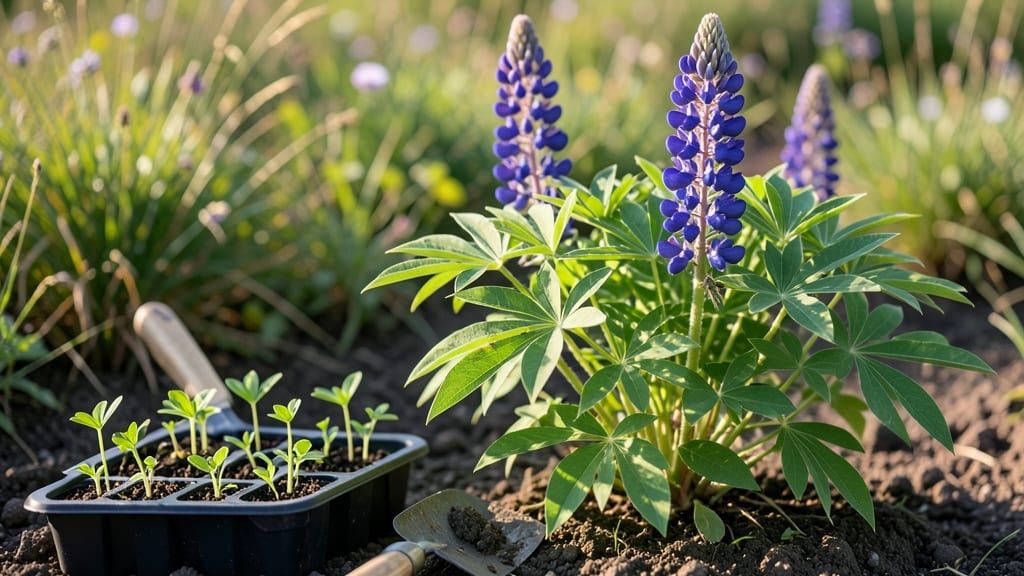
Your Colorado planting calendar 🌱 is the secret weapon for avoiding frozen seedlings and wasted growing season—get the dates wrong, and you risk both.
Colorado’s frost dates swing wildly from March 15 in the south to May 15 in the mountains, leaving gardeners guessing whether to plant now or wait. This calendar cuts through the confusion with exact windows for every region, so you never miss your chance to grow.
Whether you’re in Denver’s Zone 6 or the High Plains’ Zone 4, you’ll find month-by-month guidance for vegetables, flowers, and perennials—plus tricks to stretch your season when frost sneaks in early.
Skip the trial-and-error: here’s how to time your plantings for maximum harvests, no matter where in Colorado you live.
Colorado planting zones by elevation: when to start seeds indoors and outdoors
Colorado’s dramatic elevation shifts mean your last frost date in Denver (5,280 ft) could be 3 weeks earlier than in Aspen (8,000 ft). Understanding these microclimates is key to timing your seed-starting indoors and outdoor plantings perfectly.
The state spans USDA Zones 4-7, with frost-free windows ranging from 90 days in the mountains to 180 days on the plains.
I’ve broken down Colorado’s three major regions—Front Range, Western Slope, and High Plains)—to give you precise indoor seed-starting windows and outdoor planting deadlines. Whether you’re growing tomatoes in Colorado Springs or potatoes in Grand Junction, these timelines ensure your garden thrives.
| Region | USDA Zone | Avg. Last Frost | Avg. First Frost | Indoor Seed Start | Outdoor Planting Window |
|---|---|---|---|---|---|
| Front Range (Denver, Fort Collins) | 5-6 | April 15-May 1 | October 1-15 | March 1-April 15 | May 1-June 15 (warm crops) |
| Western Slope (Grand Junction, Fruita) | 7-8 | March 15-April 1 | November 1-15 | February 15-March 30 | April 15-June 1 (warm crops) |
| High Plains (Pueblo, Lamar) | 6-7 | April 1-May 1 | October 15-November 1 | March 1-April 1 | May 1-June 10 (warm crops) |
For the Front Range (e.g., Denver, Colorado Springs), start tomato and pepper seeds indoors by March 15 to transplant outdoors after your May 1 last frost date.
In Grand Junction on the Western Slope, you can push the envelope—direct-sow warm-season crops like cucumbers and beans as early as April 15, thanks to the longer frost-free season.
High-altitude areas like Fort Collins or Aspen demand extra caution. I recommend starting herbs like basil and cilantro indoors by March 1 and using row covers to extend your outdoor window.
The High Plains, including Pueblo and Lamar, offer a middle ground—plant cool-season crops like kale and spinach in early March and warm-season crops after May 1.
Pro tip: Use a soil thermometer to confirm soil temperatures are above 50°F for warm crops like peppers and eggplants. In Zone 4 areas (e.g., Steamboat Springs), wait until late May to plant these heat-lovers.
For cool-season crops like broccoli and carrots, you can start seeds outdoors 4-6 weeks before your last frost.
Microclimates matter! A south-facing slope in Colorado Springs might be 2-3 weeks warmer than a valley floor. Adjust your planting dates accordingly—early bloomers like radishes can go in March, while slow growers like brussels sprouts need 90+ days and should start indoors by April 1.
Herbs like basil and dill are finicky about frost—they’ll bolt if exposed to even light frost. I always start them indoors by March 15 in Denver and transplant after May 15.
For flowers like marigolds and zinnias, direct-sow after your last frost date for vibrant blooms all summer.
Don’t forget fall planting! In Zone 7 areas (e.g., Pueblo), you can direct-sow spinach and lettuce as late as August 15 for a harvest before first frost. In higher elevations, stick to September 1 for cool-season crops.
Use these timelines as your <
Best month-by-month planting schedule for Colorado gardens
Colorado’s short growing season and variable frost dates demand precision—plant the wrong crop at the wrong time, and you’ll either lose everything to frost or miss peak harvests.
My month-by-month schedule accounts for elevation differences (from Pueblo’s Zone 6 to Aspen’s Zone 4) and microclimates like urban heat islands in Denver. Whether you’re growing cool-season kale or heat-loving tomatoes, these deadlines keep your garden thriving.
High-altitude areas (above 6,000 feet) like Fort Collins or Boulder have 20-30 fewer frost-free days than lower elevations.
I’ve adjusted timelines for both, so check your last frost date (typically April 15 in Denver, May 15 in mountainous regions) and first frost date (mid-October in the south, early October in the north). For direct-sown seeds, timing is critical—wait until soil temps hit 50°F for most veggies.
🌱
- March: Start cool-season crops indoors—kale, spinach, peas. Harden off seedlings by late March for transplanting after last frost. Plant perennial flowers like lavender and coneflowers once soil thaws.
- April: Direct-sow radishes, carrots, and lettuce as soon as soil is workable. Transplant broccoli and cauliflower seedlings. In Zone 7 (Pueblo, Colorado Springs), start warm-season tomatoes and peppers indoors.
- May: Last frost deadline—transplant tomatoes, peppers, and cucumbers after May 15 in Denver, June 1 in high-altitude areas. Direct-sow beans, corn, and squash. Succession plant lettuce every 2 weeks for continuous harvests.
- June: Plant fall crops like kale and spinach for late-season harvests. Mulch strawberries and perennials to retain moisture. In Zone 6/7, sow basil and cucumbers for summer production.
- July: Succession plant bush beans and zucchini every 3 weeks. Harvest early potatoes and replace with fall radishes. Deadhead annual flowers (like marigolds) to prolong blooms.
- August: Start cool-season seedlings indoors for September transplanting (e.g., cabbage, beets). Plant garlic for next year’s harvest. Protect tomatoes from late blight with row covers if needed.
- September: Last chance for warm-season crops like peppers (use black plastic mulch to warm soil). Direct-sow spinach, turnips, and arugula. Transplant broccoli and cabbage seedlings.
- October: First frost watch—harvest remaining tomatoes before October 15 in Denver, October 1 in mountains. Plant winter rye as a cover crop. Mulch perennials with straw to protect roots.
For high-altitude gardens (e.g., Aspen, Leadville), shift all timelines 2-3 weeks later—your last frost may not arrive until June 1, and first frost can hit as early as September 15.
Use row covers or cold frames to extend seasons, especially for cool-season crops like kale and peas, which thrive in 50°F+ soil.
Pro tip: Succession planting is your secret weapon. Instead of sowing all lettuce seeds at once, stagger plantings every 2 weeks from April to September to ensure a steady supply.
And always rotate crops to prevent soil-borne diseases—don’t plant tomatoes or peppers in the same spot two years in a row.
🌿