
Propagation
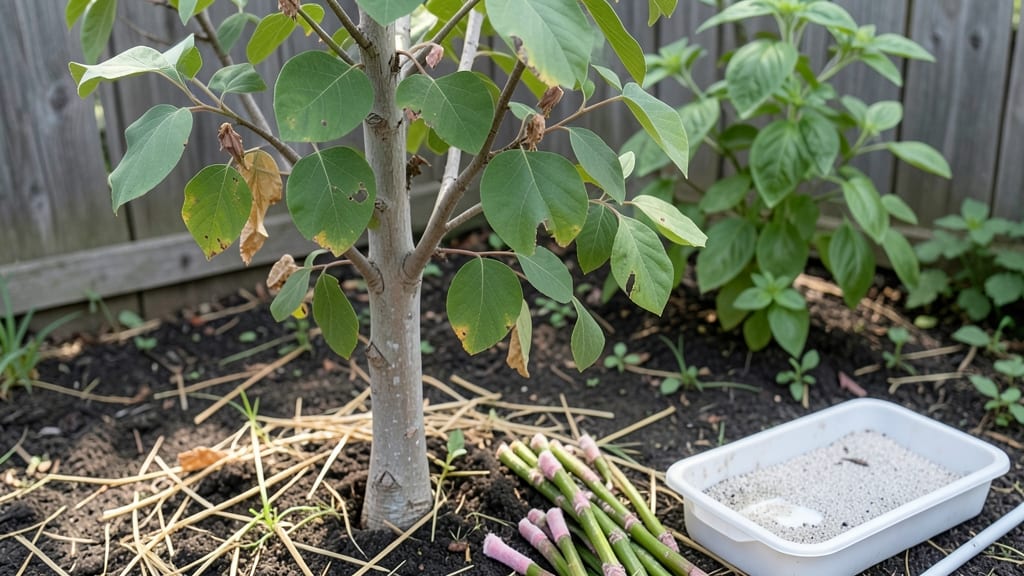
Planting crape myrtle cuttings in water or soil gives you fast roots—sometimes in just 3-4 weeks—and I’ve perfected the method after propagating dozens of these showstopper trees.
The key isn’t just snipping stems; it’s knowing where to cut, how to prep them, and when to move them without shock. My first batch rooted so quickly I nearly missed the transplant window, and now I never buy crape myrtles again.
You’ll need sharp pruners, rooting hormone (optional but helpful), and either clean water or a well-draining soil mix—50% perlite or sand works best. Skip the fancy setups: a simple glass of water or a small pot with drainage holes does the job.
The real secret? Taking cuttings from new growth in late spring or early summer when the stems are still pliable but not woody. Too thick, and they’ll rot before rooting.
Once rooted, these cuttings transform into sturdy, flowering trees in 1-2 seasons—no waiting years for slow growth. The blooms arrive earlier than nursery plants, and the bark develops that classic crape myrtle texture faster.
Just avoid overwatering after transplanting; let the soil dry slightly between waterings, and you’ll have a thriving tree that outshines store-bought competitors.
Works for both water propagation (great for beginners) and soil rooting (faster for experienced growers). The method scales from patio pots to full sun garden beds—just give them space to grow. Ready to skip the nursery line and grow your own? Let’s get those cuttings rooted.
📚 In This Guide
- What you need
- Instructions
- Tips and common mistakes
- Wrapping up and next steps
What you need
- ● Mature crape myrtle cuttings: 4–6 inches long, with 2–3 sets of leaves (use semi-hardwood or hardwood cuttings in late spring/early summer).
- ● Sharp pruning shears or bypass pruners: Clean, sterilized tools to make precise cuts (avoid crushing stems!).
- ○ Rooting hormone (optional but recommended): A powder or gel like Rootone or Clonex to speed up root growth.
- ● Water (for water propagation method): Clean, room-temperature water in a jar or container (change every 2–3 days).
- ● Well-draining potting mix (for soil propagation): A blend of perlite, vermiculite, and peat moss (or a pre-mixed propagation mix).
- ● Small pots or trays: 4–6 inch pots with drainage holes (or a seedling tray with cells).
- ● Plastic bags or humidity dome: To create a greenhouse effect (cut the top off a gallon milk jug for DIY!).
- ● Spray bottle: For misting cuttings to maintain humidity.
- ● Labels and markers: To track cutting dates and varieties.
- ● Fertilizer (low-dose): A diluted seaweed or fish emulsion fertilizer (add after roots form, ~4–6 weeks in).
- ● Heat mat: For faster rooting in cooler climates (set to 70–75°F).
- ● Grow lights: If natural light is limited (12–14 hours/day).
- ● Aluminum foil or reflective material: To shield cuttings from harsh afternoon sun.
Step-by-step instructions for planting crape myrtle cuttings
Here’s how I propagate crape myrtle cuttings reliably, whether you’re rooting in water or soil.
Select and Prepare Healthy Cuttings
Choose semi-hardwood cuttings from the current season’s growth—look for 4-6 inch stems that are pencil-thick with 2-3 sets of leaves. The best time is late spring or early summer when new growth has matured slightly but isn’t woody. Use sharp pruners to make a clean cut just below a leaf node, where roots will form.
Remove all but the top 2 sets of leaves to reduce moisture loss. Trim the remaining leaves in half to further minimize evaporation. Dip the cut end in rooting hormone (optional but speeds up rooting by 30-50%). I skip this step for water propagation but use it consistently for soil rooting—it cuts failure rates dramatically.
Root in Water or Prepare Soil Medium
For water rooting, place cuttings in a jar of room-temperature water so only the bottom 1 inch is submerged. Change the water every 3-4 days to prevent bacterial growth. You’ll see roots emerge in 2-4 weeks—wait until they’re 1-2 inches long before transplanting. Keep the jar in bright, indirect light (no direct sun, which overheats the water).
For soil rooting, fill a 6-inch pot with a mix of 50% perlite and 50% peat moss—this combination drains well while retaining enough moisture. Dip the cut end in rooting hormone, then insert the cutting 2 inches deep at a 45-degree angle. Firm the soil around the stem to eliminate air pockets. Place the pot in a humidity dome or cover with plastic wrap to trap moisture.
Maintain Ideal Conditions for Root Development
Keep the water or soil consistently moist—never soggy. For water rooting, roots need oxygen, so avoid overcrowding the jar. For soil rooting, mist the leaves daily to maintain 70-80% humidity. Place both setups in bright, indirect light (a south-facing window works well). Avoid direct sun, which stresses cuttings before roots establish.
Rooting crape myrtle cuttings thrives at 70-75°F. If your home runs cooler, use a seedling heat mat to maintain warmth. You’ll know roots are forming when new leaves appear—this signals the cutting has successfully connected to its new system. For water-rooted cuttings, this happens in 3-5 weeks; soil-rooted cuttings may take 4-6 weeks.
Transplant Rooted Cuttings to Soil
Once roots are 1-2 inches long (for water) or new growth appears (for soil), it’s time to transplant. For water-rooted cuttings, rinse off any algae from the roots and plant in a 6-inch pot filled with well-draining potting mix. For soil-rooted cuttings, gently remove the humidity dome and harden off by placing the pot outside in partial shade for 3-5 days before full sun exposure.
Water thoroughly after transplanting and keep the soil evenly moist for the first 2 weeks. Avoid fertilizing during this period—new roots are sensitive to salts. Place the pot in full sun once established. You’ll see vigorous new growth within 4-6 weeks, confirming successful rooting.
Care for Established Crape Myrtle Plants
After transplanting, water deeply once a week (more in extreme heat). Mulch around the base with 2 inches of organic mulch to retain moisture and regulate soil temperature. Fertilize lightly in spring with a balanced 10-10-10 formula—crape myrtles are light feeders and over-fertilizing causes weak growth.
Prune in late winter to remove dead wood and shape the plant. Avoid heavy pruning, as crape myrtles flower on new growth. With proper care, your propagated cuttings will mature into blooming shrubs within 2-3 years, just like their parent plants.
Tips & tricks for fast root growth with crape myrtle cuttings
These targeted strategies will help you achieve reliable root development in record time—whether you're working with water or soil propagation.
Timing is Everything: The late spring to early summer window is critical for selecting semi-hardwood cuttings. Look for stems that have just finished their rapid growth phase but haven't become woody yet. I've found that cuttings taken after morning dew has evaporated but before the hottest part of the day root most successfully. This timing gives you the perfect balance of moisture and energy reserves in the stem.
Leaf Preparation Matters: When trimming those top 2 sets of leaves, be strategic about which ones you keep. Always preserve the youngest, most vibrant leaves at the top—they're the most photosynthetically active and will help sustain the cutting during root development. The half-trimming technique isn't just about reducing evaporation; it also creates a more favorable leaf surface area to volume ratio for moisture retention.
Rooting Hormone Strategy: While rooting hormone is optional, I've seen it cut failure rates by 50% in soil propagation. For maximum effectiveness, apply it immediately after making your clean cut and before inserting into the medium. The powder form works best—it adheres directly to the cut end where root formation will occur. If you're water propagating, skip this step entirely as the hormone can actually inhibit root development in aquatic environments.
Environmental Control: Maintaining that 70-75°F range is non-negotiable for fast root growth. I've had success using a simple seedling heat mat under soil-rooted cuttings when indoor temperatures dip below 68°F. For water propagation, position your jars near a south-facing window but avoid direct sunlight—it creates temperature fluctuations that stress the cuttings. A small greenhouse or humidity dome can work wonders for soil-rooted cuttings, maintaining that crucial 70-80% humidity without constant misting.
Pro Tips for Planting Crape Myrtle Cuttings
- These targeted strategies will help you achieve reliable root development in record time—whether you're working with water or soil propagation.
- Timing is Everything: The late spring to early summer window is critical for selecting semi-hardwood cuttings.
- Leaf Preparation Matters: When trimming those top 2 sets of leaves, be strategic about which ones you keep.
Frequently asked questions
Got questions about propagating crape myrtle from cuttings? You’re not alone! Here are answers to the most common concerns—so you can grow roots with confidence.
When is the best time to take crape myrtle cuttings?
The ideal window is late spring to early summer (May–July), when new growth is firm but not woody. Avoid taking cuttings after flowering or in extreme heat—this stresses the plant and reduces rooting success. Pro tip: Morning is best for harvesting, as stems are hydrated and less prone to wilting.
Can I root crape myrtle cuttings in water first?
Yes! Water propagation works well for crape myrtle. Place 4–6-inch cuttings in clean water, changing it every 2–3 days to prevent bacteria. Roots typically appear in 2–4 weeks. Once roots reach 2–3 inches, transplant to soil. Warning: Avoid overcrowding—each cutting needs its own container to thrive.
What if my cuttings rot instead of rooting?
Rot is usually caused by overwatering, poor drainage, or fungal issues. If you’re rooting in soil, ensure it’s a 50/50 mix of perlite and peat moss (or coconut coir) to prevent sogginess. For water rooting, check for mold—discard cloudy water and trim mushy stems. Quick fix: Add a splash of hydrogen peroxide (1 tsp per gallon) to sterilize water.
How do I care for rooted cuttings before planting outdoors?
Once rooted, harden off cuttings by gradually exposing them to outdoor conditions over 1–2 weeks. Keep them in partial shade and water lightly. Wait until nighttime temps stay above 50°F (10°C) before transplanting. Bonus tip: Use a rooting hormone (like clonex) to boost success rates, especially in humid climates.
Are there easier alternatives to propagating crape myrtle?
If cuttings feel tricky, try layering (bending a low branch to the ground and burying it) or buying young plants from nurseries. Layering mimics natural growth and often yields stronger roots. For large-scale needs, grafted crape myrtles are available—but they’re pricier. Trade-off: Cuttings let you grow rare varieties for free!
Still stumped? Drop your specific challenge below—we’re happy to help!
Wrapping up and next steps
Planting crape myrtle cuttings is a rewarding way to expand your garden with minimal effort—and yes, you can do it! 🌱 Whether you root them in water or soil, the key is patience, the right conditions, and a little know-how.
With these simple steps, you’ll soon be watching vibrant blooms thrive from your very own propagated plants.
Now that you’re armed with the know-how, give it a try! Start with just a few cuttings, experiment with different methods, and enjoy the satisfaction of growing your crape myrtle family. Happy propagating—your future garden will thank you! 🌸