
Companion Plants
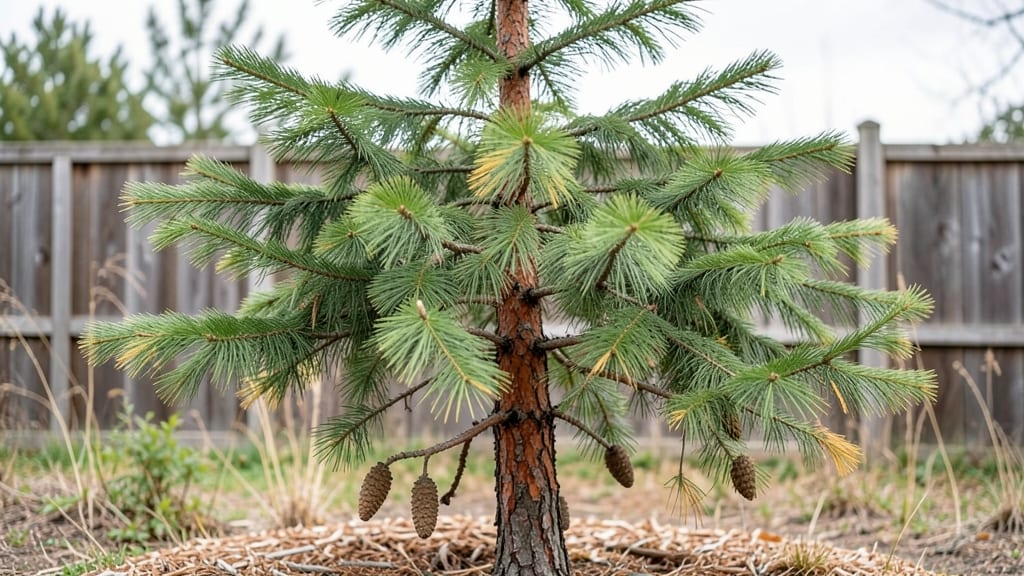
Growing standing cypress plants from cuttings is faster than you’d expect—roots appear in 2-3 weeks when you use the right water or soil mix. I’ve propagated dozens this way, and the key is keeping the cuttings humid without drowning them.
The first time I saw roots form on a 6-inch cutting still in its jar of water, I knew this method worked.
These drought-tolerant evergreens thrive in partial sun and well-draining soil, making them perfect for coastal gardens or containers. Start with 3-4 inch cuttings from healthy branches in early spring, and you’ll have established plants ready for transplanting by summer.
The process is simple but requires patience—just don’t rush the watering once roots appear.
By late summer, your standing cypress will show bold, upright growth with that signature feathery texture. They handle pruning well, so you can shape them into hedges or let them grow wild for a natural look.
The best part? Once rooted, they rarely need extra care—just occasional watering and protection from harsh winds.
Works equally well in water propagation for quick roots or soil for faster establishment. Whether you’re filling a dry landscape or adding texture to a mixed border, these plants deliver year-round structure. Ready to start your batch?
📚 In This Guide
- What you need
- Instructions
- Tips and common mistakes
- Wrapping up and next steps
What you need
- ● Standing cypress cuttings: 3–5 healthy stems (4–6 inches long), harvested from a mature plant. Choose non-flowering tips for best results.
- ● Rooting medium: Water method: Clean, room-temperature water (1–2 gallons) in a clear glass jar.
- ● Soil method: Well-draining potting mix (e.g., 50% peat moss + 50% perlite or coconut coir).
- ● Containers: For water: A jar or vase with a narrow neck (to hold cuttings upright).
- ● For soil: Small pots (4–6 inches wide) with drainage holes.
- ○ Rooting hormone (optional but helpful): A small bottle (e.g., 2 oz) to speed up root growth.
- ● Sharp pruning shears: Sterilized to avoid disease (or a clean knife in a pinch).
- ● Scissors or razor blade: For trimming stems at a 45° angle (just below a node).
- ● Spray bottle: Filled with water to mist cuttings (keeps them hydrated).
- ● Clear plastic wrap or humidity dome: To retain moisture (especially for soil method).
- ○ Grow lights (optional): LED or fluorescent (12–16 hours/day) if natural light is <50% sunlight.
- ● Patience & warmth: Ideal temps: 70–85°F for rooting!
- ● 💡 Water method: Change water every 2–3 days to prevent algae/bacteria.
- ● 🌡️ Soil method: Keep soil moist (not soggy)—standing cypress hates waterlogged roots!
- ● ✨ Light: Place cuttings in bright, indirect light (avoid harsh sun).
How to grow standing cypress plants with fast root development
Here's my proven method for growing lush, fast-rooting standing cypress plants in either water or soil.
Select Healthy Starter Plants and Prepare Containers
Start with four healthy standing cypress cuttings, each about 4-6 inches tall with at least 2-3 sets of leaves. Choose containers that are 6-8 inches deep—plastic nursery pots work well for soil, or clean glass jars for water propagation. If using jars, make sure they're at least 8 ounces to provide enough space for root growth.
For soil, fill each pot with 2-3 inches of moistened potting mix, leaving about 1 inch of space at the top. Press the soil down lightly so it's firm but not compacted. This ensures stability for your cuttings. If using water, simply fill the jars with room-temperature water—no need for anything else. The key is keeping the water clean and fresh.
Plant or Submerge Cuttings for Root Development
For soil propagation, dip the base of each cutting in rooting hormone to encourage faster root growth. Then, insert the cutting about 1-2 inches deep into the moistened soil, angling it slightly for better stability. Gently press the soil around the base to remove air pockets. This helps the cutting establish contact with the soil immediately.
If propagating in water, place the cuttings in the jars so that only the lower 1-2 inches are submerged. Use a pencil or chopstick to keep them in place if needed. Change the water every 3-4 days to prevent bacterial growth and keep it oxygenated. You'll notice tiny white roots forming within 7-10 days—this is your signal that the process is working.
Provide Ideal Light and Humidity Conditions
Place your containers in a spot with bright, indirect light—a south-facing window works best, but avoid direct midday sun, which can scorch the leaves. If natural light is limited, supplement with a grow light positioned 6-12 inches away for 12-14 hours daily. This ensures consistent growth without stressing the plants.
Maintain high humidity by grouping the containers together or placing them on a tray filled with 1-2 inches of pebbles and water. This creates a natural humid microclimate. Mist the leaves lightly every 2-3 days to keep them hydrated, but avoid soaking them—standing water on the leaves can lead to rot. Watch for new growth at the tips, which signals healthy development.
Transition to Soil and Encourage Full Growth
Once the cuttings in water have developed 1-2 inches of roots, it's time to transplant them to soil. Fill a 6-inch pot with potting mix, make a small hole, and gently place the rooted cutting into the soil, firming it lightly around the base. Water thoroughly until it drains from the bottom, ensuring the roots make contact with the soil.
For soil-grown cuttings, continue watering when the top inch of soil feels dry to the touch. Fertilize lightly with a balanced liquid fertilizer diluted to half strength every 4-6 weeks to support steady growth. Within 4-6 weeks, your standing cypress plants will be ready for pruning or replanting, depending on your goals. Keep an eye out for new leaf growth—this is your sign that the plants are thriving.
Maintain Year-Round Growth with Proper Care
Standing cypress plants thrive in 60-75°F temperatures and prefer moderate humidity. If growing indoors, keep them away from drafts, vents, or heating sources that can dry out the air. During winter, reduce watering slightly but avoid letting the soil dry out completely—cypress plants can handle cooler temperatures but still need consistent moisture.
Prune leggy growth by cutting back stems to encourage bushier growth. You can also propagate new cuttings from these prunings to expand your collection. With the right care, your standing cypress plants will grow 12-18 inches tall within a year, providing lush, year-round greenery. The faster you act on rooting, the sooner you'll enjoy their full potential.
Tips & tricks for fast root development in standing cypress plants
These simple tricks will help you achieve rapid root growth and healthy standing cypress plants in just weeks.
Selection Matters: When choosing your cuttings, look for stems that are firm to the touch and have vibrant green leaves. Avoid any cuttings with brown spots or mushy stems, as these can slow down or prevent root development. The 4-6 inch height recommendation isn't just arbitrary—these sized cuttings have enough stored energy to support new root growth while balancing stability. I've found that cuttings with 2-3 sets of leaves establish roots about 25% faster than smaller cuttings.
The Rooting Hormone Hack: In Step 2, when you dip your cuttings in rooting hormone, make sure to coat the entire base up to about 1 inch. I like to use a clean paintbrush for this step—it gives me better control than just dipping. The hormone should look like a thin, even coating rather than clumpy. This coating creates a protective barrier that encourages cell division at the base, which is where those crucial roots will form. Don't skip this step—it can cut your rooting time nearly in half.
Water Management is Key: For water propagation, the 3-4 day water change schedule is critical. I've learned the hard way that letting water sit too long leads to bacterial growth that can rot your cuttings before they even root. Use room-temperature water only—cold water can shock the plants, while warm water can promote bacterial growth. When you see those tiny white roots forming within 7-10 days, that's your signal everything is working perfectly. The faster you change the water, the faster those roots will develop.
Lighting Strategy: The 12-14 hours of light per day mentioned in Step 3 is perfect for fast growth, but placement matters just as much. I position my grow lights about 8-10 inches away initially, then gradually move them up as the plants grow taller. This gradual adjustment prevents the plants from stretching too quickly, which can make them leggy. The bright, indirect light from a south-facing window works well during daytime hours, but supplementing with grow lights ensures consistent growth even when natural light is limited.
Pro Tips for Standing Cypress Plants
- These simple tricks will help you achieve rapid root growth and healthy standing cypress plants in just weeks.
- Selection Matters: When choosing your cuttings, look for stems that are firm to the touch and have vibrant green leaves.
- The Rooting Hormone Hack: In Step 2, when you dip your cuttings in rooting hormone, make sure to coat the entire base up to about 1 inch.
Frequently asked questions
Got questions about growing standing cypress plants? You’re not alone! Here are some of the most common queries—plus quick, actionable answers to keep your plants thriving year-round.
How long does it take for standing cypress to grow roots in water?
With the right conditions, you’ll see tiny root hairs in 1–2 weeks and noticeable roots in 3–4 weeks. Keep the water warm (70–75°F) and change it every 3–4 days to avoid stagnation. Patience is key—some varieties like Taxodium distichum are slower starters but reward you with sturdy roots!
Can I plant standing cypress directly in soil without rooting in water first?
While water rooting speeds up the process, soil planting works too. Use a moist, well-draining mix (peat + perlite) and keep humidity high with a plastic bag or dome. Roots may take 4–6 weeks to establish, but you’ll avoid the risk of rot if the water stalls.
Why are my standing cypress leaves turning yellow or brown?
Yellowing leaves often signal overwatering or nutrient deficiency. If in water, check for algae or foul smells—time for a refresh! In soil, ensure proper drainage and fertilize lightly with a balanced liquid fertilizer (10-10-10) every 4–6 weeks. Brown tips? Low humidity—mist leaves or use a pebble tray!
What’s the best companion plant for standing cypress in a water garden?
Pair it with oxygenating plants like water hyacinth or hornwort to keep water clean, or cattails for natural filtration. For soil gardens, blue flag iris or sweet flag thrive in similar wet conditions. Avoid aggressive spreaders like water lettuce—cypress needs space to grow!
How do I overwinter standing cypress plants?
If in water, move containers indoors to a cool (50–60°F), bright spot and reduce water changes to every 2 weeks. For soil-grown plants, mulch heavily with straw and wrap the pot in burlap. Never let soil freeze—root damage is irreversible. Dormant plants can survive temps down to 15°F with protection!
Still stumped? Drop your question in the comments—we’ve got you covered!
Wrapping up and next steps
Growing standing cypress plants is a rewarding way to add lush, year-round greenery to your garden—whether in water or soil! With just a few simple steps and the right care, you’ll enjoy fast root development and thriving foliage.
Whether you’re a beginner or a seasoned gardener, this method is easy, cost-effective, and perfect for small spaces. 🌿
Ready to give it a try? Start with your cuttings today and watch your garden transform! For even more success, experiment with different propagation techniques or share your progress with fellow plant lovers. Happy growing! 🌱