
Propagation
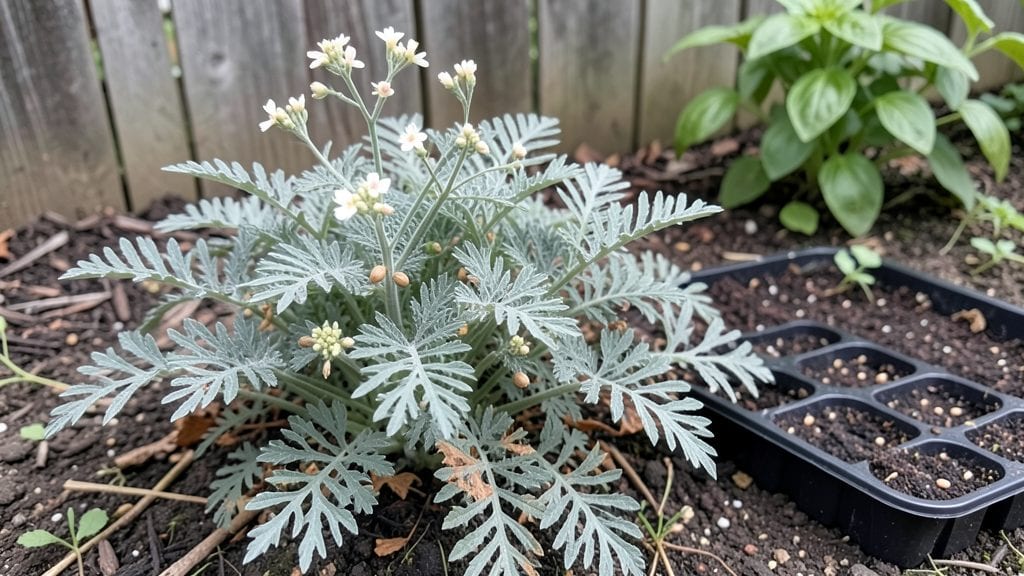
Cumin seeds transform into fragrant, earthy plants faster than you’d expect—20 days from seed to seedlings, if you nail the timing and soil. 🌱 I’ve grown cumin for spice blends and garden borders, and the key to speed is starting indoors in warm soil (70°F or above) while still having 8-10 weeks before your last frost.
The payoff? Fresh cumin leaves for cooking or delicate white flowers that attract pollinators by summer.
You’ll need a shallow tray, well-draining potting mix, and patience for thin seedlings—cumin doesn’t like being crowded. Plant seeds ¼ inch deep, spaced 1 inch apart, and keep the soil lightly moist (not soggy).
A sunny windowsill or grow light works until true leaves appear, then transplant to full sun (6+ hours daily). The trick is consistency: cumin hates moisture stress, so water at the soil level, not overhead.
By day 20, you’ll see bold, feathery foliage with a distinct aroma—harvest leaves anytime for cooking, or let plants mature for seeds. The flavor deepens as seeds dry on the plant, turning from green to golden-brown.
Snip leaves for curries or garnishes, or leave some to seed for next year’s crop. It’s the fastest way to grow a kitchen staple from scratch.
Works in zones 3-10, though southern gardeners can direct-sow after frost. Avoid overwatering—cumin’s native to dry climates—and watch for powdery mildew in humid areas. Once established, these plants thrive with almost no fuss, rewarding you with homegrown spice that tastes nothing like store-bought. Ready to grow yours?
📚 In This Guide
- What you need
- Instructions
- Tips and common mistakes
- Wrapping up and next steps
What you need
- ● Cumin seeds: 1–2 teaspoons (about 5–10 grams) of high-quality, organic cumin seeds (preferably from a trusted source for best germination rates).
- ● Containers: Small pots (3–4 inches deep) with drainage holes, 2–4 containers (one per seed batch or for transplanting).
- ● OR a shallow tray or seedling flat (if sowing multiple seeds at once).
- ● Potting mix: 1–2 cups of lightweight, well-draining seed-starting mix (avoid garden soil—it’s too dense for tiny seeds!).
- ● Watering can or spray bottle: For gentle hydration (cumin seeds need moisture but hate soggy soil!).
- ● Plastic wrap or humidity dome: To create a mini greenhouse and retain moisture during germination.
- ● Grow lights or sunny windowsill: Cumin loves 6–8 hours of sunlight daily—a grow light ensures consistent growth if natural light is lacking.
- ● Fertilizer: A balanced, water-soluble fertilizer (diluted to half-strength) once seedlings sprout (about 2–3 weeks in).
- ● Plant labels: To track planting dates and varieties (especially useful if experimenting with different cumin types!).
- ○ Heat mat (optional): Speeds up germination if your space is cool (70–80°F is ideal for faster sprouts!).
Step-by-step instructions for planting cumin seeds
Here's my proven method for coaxing bold, flavorful cumin plants from seed in just 20 days.
🌱 Step 1: Soak Seeds Overnight for Faster Germination
Cumin seeds have tough outer shells that slow germination. Place 1 tablespoon of seeds in a small bowl and cover with warm water—not boiling, just comfortably warm to the touch. Let them soak 8-12 hours while you prepare your containers. This softens the seed coat and triggers faster sprouting.
After soaking, drain the seeds thoroughly. Pat them dry with a paper towel to prevent mold. I like to spread them on a clean kitchen towel for 10 minutes while I finish setting up my pots. The goal is damp-but-not-wet seeds—any excess moisture invites rot before germination even begins.
🪴 Step 2: Fill Containers and Plant Seeds Shallowly
Use 4-inch diameter pots filled with well-draining potting mix (cumin hates soggy roots). Press the soil down gently until it's firm but not compacted. Make a small hole with your finger—just ¼ inch deep—since cumin seeds need light to germinate properly. Plant 3-4 seeds per pot at this shallow depth.
Cover the seeds with a thin layer of soil—no more than ⅛ inch—then lightly mist the surface with water. A spray bottle ensures you don't bury the seeds deeper than intended. Place the pots in a warm, bright location (around 70-75°F) where they'll stay consistently moist but not waterlogged.
💧 Step 3: Maintain Warmth and Moisture Until Sprouting
Germination typically occurs in 5-10 days, but warmth is critical. If your home runs cooler, place pots on a seedling heat mat set to 75°F. Keep the soil evenly moist—water when the top ½ inch feels dry—but never let it sit in standing water. A humidity dome helps retain moisture while preventing fungal issues.
Watch for the first tiny green shoots breaking through the soil. This is your cue to remove any dome or plastic wrap immediately—excess humidity after germination can cause damping-off, where seedlings collapse overnight. Once you see true leaves (not just the initial seed leaves), thin to the strongest seedling per pot.
☀️ Step 4: Provide Bright Light and Gradual Hardening
Cumin thrives in full sun, so move seedlings to the sunniest window or under grow lights within 24 hours of sprouting. Without enough light, stems will stretch weakly and turn pale. You'll know they're getting adequate light when the leaves stay deep green and the plants grow compact and sturdy. Rotate pots quarter-turn daily to prevent leaning.
After 10 days of growth, begin hardening off by placing pots outside in partial shade for 1-2 hours. Gradually increase exposure to direct sun over 5-7 days. This prepares seedlings for transplanting into the garden or larger containers. Cumin is drought-tolerant once established, but keep soil consistently moist during this transition phase.
✂️ Step 5: Harvest Seeds for Maximum Flavor
Cumin plants produce small white flowers that develop into seed pods. Harvest seeds when the pods turn brown and papery—usually 60-70 days after planting. Cut entire stems and hang them upside down in a dry, well-ventilated area for 2-3 weeks to fully dry. Once seeds rattle inside the pods, remove them and store in an airtight container away from light.
For the boldest flavor, toast dried seeds in a dry skillet over medium heat for 1-2 minutes until fragrant. This step isn't required for planting but ensures you'll have the rich, aromatic cumin you started with. Your seeds are now ready to replant or use in your favorite dishes!
Tips & tricks for perfect cumin seed germination
Fast germination is all about precision—these small adjustments make the difference between waiting weeks and harvesting bold cumin in just 20 days.
Soaking Precision: The 8-12 hour soak is your speed boost, but temperature matters more than you think. Use water that's warm to the touch (around 85°F)—not hot, not cold. I test it by dipping my finger in; it should feel pleasantly warm but not scalding. This precise temperature activates enzymes that soften the seed coat faster. After draining, that 10-minute drying phase on a towel is critical—any lingering moisture creates the perfect environment for mold before germination even begins.
Light Requirements: Cumin seeds need light to germinate, which is why Step 2 specifies planting them just ¼ inch deep. If you notice your seeds taking longer than the 5-10 day window, check your light source. A sunny windowsill provides 70-75°F warmth naturally, but if you're using grow lights, position them 2-3 inches above the pots. Too much distance = weak, leggy seedlings. Too close = burned leaves. The goal is consistent, bright light that encourages compact growth.
Hardening Off Strategy: The 10-day growth mark is when you begin hardening off, and this gradual process prevents shock. Start with just 1-2 hours in partial shade, then increase exposure by 30 minutes daily. I've seen beginners rush this and end up with wilted seedlings that never recover. The key is mimicking outdoor conditions—think of it as a slow acclimation rather than a sudden transplant. This 5-7 day transition period might seem tedious, but it's what transforms delicate seedlings into resilient plants ready for full sun.
Harvest Timing: Those 60-70 days to harvest might seem long, but the flavor development is worth it. The pods should be completely brown and papery—if you tap them, the seeds should rattle inside. For maximum boldness, hang bundles upside down in a dry, well-ventilated area. A dark closet works, but avoid humidity. If you're impatient, you can harvest slightly earlier (around 55 days) for cooking, but the flavor won't be as intense. The final 1-2 minute toast in a dry skillet is optional but transforms ordinary cumin into restaurant-quality spice—just watch closely to avoid burning.
Pro Tips for Planting Cumin Seeds
- Fast germination is all about precision—these small adjustments make the difference between waiting weeks and harvesting bold cumin in just 20 days.
- Soaking Precision: The 8-12 hour soak is your speed boost, but temperature matters more than you think.
- Light Requirements: Cumin seeds need light to germinate, which is why Step 2 specifies planting them just ¼ inch deep.
Frequently asked questions
Got questions about growing your own cumin? You’re not alone! Here are answers to the most common queries—from timing to troubleshooting—to help you cultivate bold, homegrown flavor with confidence.
When is the best time to plant cumin seeds?
Cumin thrives in warm soil (at least 60°F/15°C). Plant seeds 2–3 weeks after your last frost in spring or 6–8 weeks before the first fall frost for a second harvest. Avoid planting in cold soil—it’ll rot before germinating!
How long does it take for cumin seeds to germinate?
With the right conditions (warmth + moisture), cumin seeds sprout in 7–14 days. For faster results, soak seeds in warm water for 4–6 hours before planting. Patience pays off—germination can take up to 3 weeks in cooler soils.
Can I grow cumin indoors or in containers?
Cumin adapts well to containers (5+ gallons) with drainage. Place pots in a sunny window or under grow lights (6+ hours/day). Just ensure the soil stays consistently moist but not soggy. Bonus: Indoor cumin is perfect for cooks who love fresh flavor year-round!
Why aren’t my cumin seeds sprouting? Troubleshooting tips.
Check these common culprits:
- Cold soil: Wait until temps rise above 60°F (15°C).
- Too deep: Plant seeds ½ inch deep—deeper = slower germination.
- Damp soil: Overwatering can cause rot. Let soil dry slightly between waterings.
- Old seeds: Use seeds 1–2 years old for best results.
Can I substitute cumin seeds with ground cumin if I can’t grow them?
While fresh cumin seeds offer bold, earthy flavor, ground cumin works in a pinch. For best results, toast whole seeds in a dry pan for 1–2 minutes before grinding—this intensifies aroma! Store-bought ground cumin loses potency faster, so buy small batches for peak flavor.
Wrapping up and next steps
Planting cumin seeds is a rewarding journey that brings bold flavor and vibrant greens to your garden in just 20 days! Whether you're a seasoned gardener or a curious beginner, these aromatic seeds are easy to grow with the right conditions—sunlight, well-draining soil, and patience. 🌱
Now that you’re equipped with the how-to and answers to common questions, take the next step: start your seeds indoors or sow them directly into warm soil.
Watch as your cumin plants thrive, and soon you’ll be harvesting seeds to spice up your favorite dishes. Happy planting—your kitchen (and taste buds) will thank you! 🌟