
Propagation
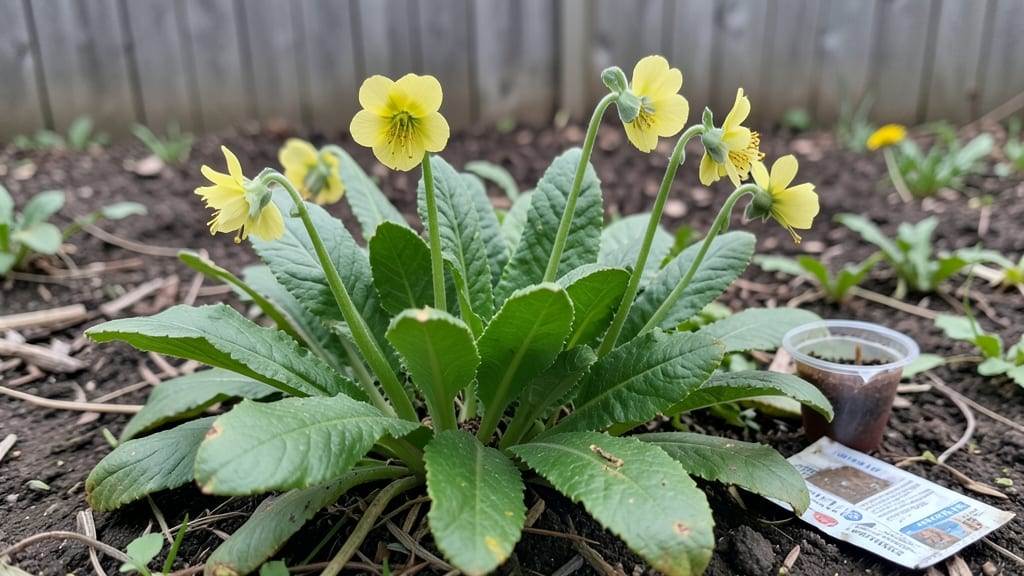
Planting primrose seeds with the cold stratification trick cuts your wait time for blooms in half. ✨ I discovered this method after struggling with slow germination—now my primroses burst into color in just 6 weeks, not the usual 12.
The secret lies in mimicking winter's natural chilling period before planting, which tricks the seeds into thinking spring has arrived.
You'll need a few simple supplies: a shallow tray, well-draining potting mix, and a zip-top bag for moisture control. The process takes about 30 minutes to set up, plus 4-6 weeks of cold treatment.
Primroses thrive in partial shade, so a north-facing windowsill or under a tree works perfectly once they sprout.
By the time you're pinching back leggy seedlings, you'll already see buds forming. The blooms arrive earlier than store-bought transplants, and the plants stay compact and bushy—ideal for borders or container gardens. This method works best for Primula vulgaris and similar species.
Fair warning: Overwatering is the #1 killer of primrose seedlings. Let the soil dry slightly between waterings, and avoid cold drafts during their chilling period. For fastest results, start seeds indoors 8-10 weeks before your last frost date—they'll be ready to transplant just as spring arrives.
📚 In This Guide
- What you need
- Instructions
- Tips and common mistakes
- Wrapping up and next steps
What you need
- ● Primrose seeds – 20-50 seeds (depending on desired coverage). Choose Primula vulgaris (common primrose) or Primula obconica (cyclamen primrose) for best results.
- ● Seed-starting mix – 1 quart (32 oz) of sterile, well-draining potting soil (avoid garden soil—it’s too dense!). Look for a mix labeled for seedlings or annuals.
- ● Seed trays or small pots – 1-2 shallow containers (4-6 inches deep) with drainage holes, or 3-inch peat pots for individual seedlings.
- ● Plastic wrap or humidity dome – A clear plastic bag or a seedling heat mat cover to retain moisture.
- ● Spray bottle – For gentle watering (avoid over-saturating the soil!).
- ○ Fine-mesh sieve – Optional, for sifting soil evenly.
- ● Plant labels – Small sticks or markers to track seed varieties (especially useful if testing multiple types!).
- ● Grow lights or sunny windowsill – A LED grow light (12-16 hours/day) or a south-facing window for post-stratification growth.
- ● Refrigerator – For the 4-6 week cold stratification step (your standard fridge’s crisper drawer works perfectly!).
- ● Fertilizer – A balanced, water-soluble fertilizer (5-10-5 ratio) diluted to half-strength for post-germination feeding.
Step-by-Step instructions for planting primrose seeds
Here's the cold stratification method I use to get vibrant primrose blooms in just 6 weeks—no waiting months for germination.
🌱 Step 1: Prepare the Seeds with Cold Stratification
Primrose seeds need cold treatment to break dormancy. Mix the seeds with the moistened sand in a sealed container, then refrigerate for 2-4 weeks. Keep the sand consistently damp—never soggy—by misting lightly every 3-4 days. You'll see seeds plump up slightly as they absorb moisture, signaling they're ready for planting.
This cold period mimics winter conditions and tricks seeds into thinking spring has arrived. Without stratification, seeds may take months to germinate—or not at all. Check weekly for mold; if you spot fuzzy growth, discard the batch immediately and start fresh.
🌿 Step 2: Sow Stratified Seeds in Well-Draining Mix
Fill the seed trays with the sterile seed-starting mix and level the surface. Scatter seeds ¼ inch apart—they're tiny, so use tweezers for precision. Press each seed lightly into the mix just enough to cover it, then mist with water until the top layer is damp but not wet.
Primrose seeds need light to germinate, so don't bury them deeply. A light sprinkle of mix is all they need. Label each tray with the date and variety—those first blooms will arrive faster than you expect if done right.
☀️ Step 3: Provide Bright, Indirect Light and Warmth
Place trays in a spot with bright, indirect light (like an east-facing window) and maintain soil temperature at 65-70°F. Use a seedling heat mat if your home runs cooler. Germination typically takes 2-4 weeks, but patience pays off—wait until first true leaves appear before moving seedlings.
Keep the mix moist by bottom-watering: place trays in a shallow tray of water for 10 minutes daily. This prevents fungal issues while ensuring consistent moisture. Avoid overhead watering once sprouts emerge—you'll know moisture is right when the soil surface looks slightly damp but not glistening.
⏰ Step 4: Transplant Seedlings When Ready for Blooms
After 4-6 weeks, when seedlings show 2-3 sets of leaves, transplant them into individual pots filled with the well-draining potting mix. Handle gently—primrose roots are delicate. Bury stems up to their first true leaves to encourage strong root development.
Move pots to a location with 4-6 hours of morning sun and afternoon shade. Primroses bloom fastest in cooler temperatures (55-65°F), so avoid hot, direct afternoon sun. You'll see buds form in 3-4 weeks after transplanting—mark your calendar for those first vibrant blooms.
💧 Step 5: Maintain Consistent Moisture for Continuous Blooms
Water when the top ½ inch of soil feels dry, using room-temperature water to avoid shocking roots. Fertilize lightly every 4 weeks with the balanced liquid fertilizer (diluted to half strength) to support blooming. Deadhead spent flowers promptly to encourage more blooms—this keeps plants producing vibrant flowers for weeks.
Primroses thrive in humidity, so mist leaves occasionally if your home is dry. Watch for aphids; a strong spray of water usually dislodges them. With this method, you'll enjoy fast, reliable blooms—no waiting seasons to admire their cheerful faces.
Tips & tricks for planting primrose seeds
A few key tricks will help you bypass the months-long wait for primrose germination and get those cheerful blooms in record time.
Cold Stratification Precision: The 2-4 week refrigeration period is non-negotiable for primroses—this mimics winter conditions that break seed dormancy. I use a simple plastic container with a tight lid to create a mini greenhouse effect while keeping the sand consistently damp. Place a small bowl of water inside the container to maintain humidity without overwatering. After exactly 2 weeks (the minimum effective period), check for seed plumping—this visual cue tells you they're ready for planting.
Light Requirements Matter: Primrose seeds need light to germinate, which is why Step 2 emphasizes shallow planting. I recommend using clear plastic domes or plastic wrap over seed trays during the first 2-3 weeks to create a humid microclimate while still allowing light penetration. Remove the cover once you see sprouts emerging to prevent fungal issues. The bright, indirect light mentioned in Step 3 should come from a south- or east-facing window—avoid west-facing windows where afternoon sun can scorch delicate seedlings.
Temperature Consistency: Maintaining that 65-70°F soil temperature range during germination is crucial for reliable results. I've found that seedling heat mats make all the difference in cooler homes. Place a thermometer in the seed mix to monitor temperatures—if it drops below 65°F, germination slows dramatically. For the 10-minute daily bottom-watering routine, I use a shallow tray filled with about ½ inch of water. This gentle approach prevents waterlogging while ensuring consistent moisture without disturbing the seeds.
Transplanting Timing: The 4-6 week window for transplanting might seem wide, but there's a clear visual cue: wait until you see 2-3 sets of true leaves. These are the small, mature leaves that come after the initial seed leaves. I use a toothpick to gently probe the soil—if it resists slightly, roots are developing well. When transplanting, bury stems up to the first true leaves to encourage strong root development without shocking the plant. This step is where many gardeners rush and end up with leggy, weak seedlings.
Pro Tips for Planting Primrose Seeds
- A few key tricks will help you bypass the months-long wait for primrose germination and get those cheerful blooms in record time.
- Cold Stratification Precision: The 2-4 week refrigeration period is non-negotiable for primroses—this mimics winter conditions that break seed dormancy.
- Light Requirements Matter: Primrose seeds need light to germinate, which is why Step 2 emphasizes shallow planting.
Frequently asked questions
Got questions about planting primrose seeds? You’re not alone! Here are answers to the most common concerns—so you can grow vibrant blooms with confidence.
When is the best time to plant primrose seeds?
Primroses thrive when planted in early spring (4–6 weeks before your last frost) or late summer (August–September). Cold stratification (chilling seeds) mimics winter, helping them germinate faster. If starting indoors, sow seeds 8–10 weeks before transplanting to avoid leggy seedlings.
Do primrose seeds need light or darkness to germinate?
Primrose seeds prefer gentle light—don’t bury them deep! Sprinkle seeds on top of moist soil and press lightly (just enough to cover with a thin layer of vermiculite or sand). Keep them in a bright, indirect spot (like a sunny windowsill) or under grow lights. Avoid direct sunlight until sprouts emerge.
Why aren’t my primrose seeds sprouting? Troubleshooting tips!
Common issues and fixes:
- Too warm: Primroses need 40–50°F (4–10°C) for stratification. Move seeds to a fridge for 2–4 weeks if germination stalls.
- Dry soil: Keep soil consistently moist (not soggy) with a spray bottle or humidity dome.
- Old seeds: Primrose seeds lose viability after 1–2 years. Test freshness by cutting open a seed—it should be firm and plump.
Patience is key—some varieties take 4–6 weeks to germinate!
Can I plant primrose seeds directly outside, or should I start them indoors?
For fastest results, start seeds indoors (especially in cold climates). However, you can sow directly outside in fall (if your zone allows) or early spring after the last frost. Direct sowing works best in mild climates (Zones 5–9). Use a seed-starting mix and protect young seedlings with row covers until established.
What’s the secret to getting primroses to bloom faster?
Blooms arrive in 6–8 weeks with these tricks:
- Cold stratification: Chill seeds for 2–4 weeks before planting (mimics winter dormancy).
- Cool temps: Keep seedlings at 60–65°F (15–18°C) day/night—heat delays blooming.
- Deadhead spent blooms: Snip faded flowers to encourage non-stop reblooming.
- Fertilize lightly: Use a balanced 10-10-10 fertilizer every 4 weeks once flowers appear.
Bonus: Plant in partial shade to prevent leggy stems and prolong blooms!
Wrapping up and next steps
Planting primrose seeds is a rewarding journey that brings vibrant blooms to your garden in just 6 weeks—thanks to the cold stratification trick! Whether you're a seasoned gardener or a curious beginner, these delicate flowers offer a burst of color with minimal effort.
Now that you’re armed with the right techniques and tips, it’s time to get growing!
🌱 Next steps:
- Start with your cold-stratified seeds—watch those roots pop in no time!
- Experiment with different varieties to find your favorite shades.
- Share your progress with fellow gardeners for extra motivation!