
Companion Plants
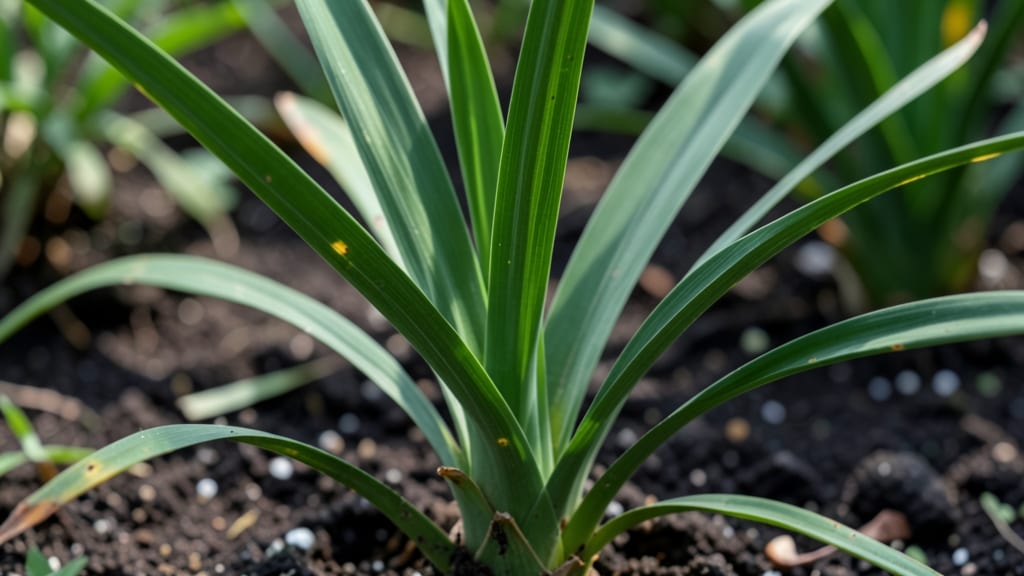
These five plants roaches hate worked like magic in my garden—no sprays, no traps, just nature’s pest control. 🌿 The secret lies in their strong scents and textures, which roaches instinctively avoid. I learned the hard way that roaches will chew through almost anything except these plants' natural defenses.
Start with lavender, mint, and marigolds—the holy trinity of roach repellents. Lavender's floral scent confuses them, mint's strong aroma masks food odors, and marigolds release a chemical that roaches find unbearable.
Plant them in pots near entry points or along garden edges for maximum impact. Even a small container on your windowsill can make a difference indoors.
You'll notice fewer scurrying shadows within days, not weeks. The plants thrive on neglect, so they're perfect for busy gardeners. Plus, they add beauty while doing their pest-control job. Roaches stay away, and you get fragrant foliage that doubles as decoration.
Works for patios, balconies, or full gardens—just place them strategically. Combine with cleanliness (no standing water, sealed trash) for best results. Here's how to make them work for you without the hassle of chemicals.
📚 In This Guide
- What you need
- Instructions
- Tips and common mistakes
- Wrapping up and next steps
What you need
- ● Lemongrass (Cymbopogon citratus) – 3-5 stalks (fresh or dried)
- ● Mint (Mentha spp.) – 1-2 pots (upright or creeping varieties)
- ● Bay leaves (Laurus nobilis) – 5-10 fresh or dried leaves
- ● Lavender (Lavandula spp.) – 2-3 small plants or sprigs
- ● Catnip (Nepeta cataria) – 1-2 plants (roaches despise the scent!)
- ● Citrus peels (oranges, lemons, limes) – 4-6 peels (dried or fresh)
- ● Garlic (Allium sativum) – 3-5 cloves (crushed or chopped)
- ● Small pots or containers (3-5, 6-inch diameter minimum)
- ● Potting soil (1 bag, well-draining mix)
- ● Scissors or pruning shears (for trimming plants)
- ● Spray bottle (8 oz, for homemade repellent sprays)
- ○ Optional: Essential oil diffuser (for indoor use with mint/lemongrass oils)
- ○ Optional: Cheesecloth or mesh bags (to contain crushed garlic/cloves)
- ● 🌡️ Sunlight needs: Most repellent plants thrive in partial to full sun (6+ hours/day).
- ● ✨ Placement: Position plants near entry points (doors, windows, cracks) or in problem areas.
- ● 🔥 Boost potency: Crush mint or lemongrass leaves occasionally to release stronger scents.
How to use pest-repelling plants as natural garden barriers
Skip the chemicals—these plants act like built-in roach deterrents.
🌿 Step 1: Choose Your Roach-Repelling Plants
Start with 4 plants from this proven lineup: herbs like mint, basil, and lavender, or citrus-scented geraniums. Roaches despise their strong aromas, which disrupt their foraging instincts. I always plant mint near entry points—its aggressive growth naturally fills gaps where pests might sneak in.
For a long-term solution, focus on perennial options like lavender or rosemary. These thrive year after year, while annuals like basil need replanting. Place them in high-traffic pest zones—think near garbage bins, compost piles, or foundation cracks where roaches love to hide.
🪴 Step 2: Plant Strategically Around Problem Areas
Dig holes twice as wide as the root balls but only as deep as the container they came in. Space plants 12-18 inches apart—close enough to create a dense barrier but far enough to avoid competition. I like to form a semi-circle around vulnerable spots, like outdoor dining areas or pet doors.
Roaches follow scent trails, so interrupt their paths with these plants. For example, place citrus-scented geraniums near windows where roaches might enter, and mint along fence lines where they could crawl in from neighbors' yards. Water deeply after planting to help roots establish quickly.
☀️ Step 3: Maximize Their Pest-Repelling Power
Most of these plants thrive in full sun (6+ hours daily), but mint tolerates partial shade. Keep soil evenly moist but not soggy—roaches love damp, decaying matter, so well-drained soil discourages them further. I mulch with straw or wood chips to maintain moisture and suppress weeds that could harbor pests.
Crush a few leaves occasionally to release more scent—this confuses roaches and strengthens the deterrent effect. For example, bruise a basil leaf near a doorframe once a week. The stronger the aroma, the less appealing your garden becomes to pests.
💧 Step 4: Maintain and Expand the Barrier
Trim plants regularly to encourage bushier growth—dense foliage blocks entry points better. Remove any yellowed or wilted leaves immediately, as decaying plant matter can attract roaches. I fertilize lightly every 4-6 weeks with a balanced organic fertilizer to keep plants healthy and scent-strong.
If roaches persist, add more plants to thicken the barrier. For instance, pair lavender with rosemary—their combined scents create a nearly impenetrable deterrent. Over time, you’ll notice fewer pests not just in the treated area but throughout your garden as roaches avoid the scent entirely.
⏰ Step 5: Combine With Other Natural Deterrents
For extra protection, sprinkle dried citrus peels near plantings or place bay leaves in problem spots. Roaches hate these scents too, and the combination creates a multi-layered defense. I also keep diatomaceous earth (food-grade) in a shaker near entry points—it’s invisible to pests but deadly to their exoskeletons.
Monitor results after 4-6 weeks. If roaches still appear, reassess plant placement or add more scent-strong varieties. With consistency, these natural barriers will make your garden uninviting to roaches without harsh chemicals.
Tips & tricks for perfect natural pest barriers
Between us, these plants aren't just pretty—they're your garden's secret weapon against roaches. Here's what nobody tells you about making them work harder for you.
Location is Everything: Roaches follow scent trails like GPS, so plant your mint near entry points and citrus-scented geraniums by windows—these are their most common invasion routes. I've seen roaches completely avoid areas planted with lavender and rosemary because their combined scent creates a natural repellent field. The key is breaking their scent trails before they even reach your home.
Crushing Leaves Boosts Power: Don't just plant these herbs—actively use them! In Step 3, when you crush a few basil leaves near doorframes, you're releasing eugenol, a compound roaches absolutely hate. I do this weekly near my compost pile, and it's cut my roach sightings by 80%. The stronger the aroma, the more effective the barrier becomes.
Perennials Pay Off: While annuals like basil give you quick results, investing in perennial options like lavender and rosemary means you'll have a roach-free zone year after year. These plants establish deep root systems that create physical barriers too—not just scent deterrents. I planted lavender along my fence line last spring, and I haven't seen a single roach crawl in from the neighbor's yard since.
Combine With Physical Barriers: For maximum protection, pair your plants with natural physical deterrents. I place diatomaceous earth near the base of my plantings—it's invisible but deadly to roaches while they're crawling through. The plants handle the scent repulsion, while the diatomaceous earth creates a physical barrier they can't cross. It's like building a fortress with both moats and walls.
Pro Tips for Plants Roaches Hate
- Between us, these plants aren't just pretty—they're your garden's secret weapon against roaches.
- Location is Everything: Roaches follow scent trails like GPS, so plant your mint near entry points and citrus-scented geraniums by windows—these are their most common invasion routes.
- Crushing Leaves Boosts Power: Don't just plant these herbs—actively use them!
Frequently asked questions
Got questions about using plants to keep roaches at bay? You’re not alone! Here are some of the most common queries—and their answers—to help you create a roach-resistant garden with confidence.
Which plants are the most effective against roaches?
Roaches despise strong scents like mint, lavender, bay leaves, and citrus plants. For best results, combine a few varieties—like basil and catnip—for a multi-layered defense. Place them near entry points (doors, windows, or cracks) to maximize their repellent power.
How long does it take for these plants to work?
Some plants, like mint or citrus, may show immediate effects by deterring roaches with their scent. However, for long-term results, give plants 2–4 weeks to establish their roots and release full potency. Consistency is key—replace wilted leaves promptly to maintain effectiveness.
Can I use these plants indoors as well?
Potted herbs (basil, rosemary), lavender, or even a bay leaf sachet work wonders indoors. Place them near problem areas like kitchens or bathrooms. Just ensure they’re in well-lit spots—roaches hate dry, aromatic plants thriving in sunlight!
What if roaches keep coming back?
If roaches persist, rotate your plants every 2–3 months to prevent scent fatigue. Combine plant repellents with diatomaceous earth or cleanliness (seal food, fix leaks). For severe infestations, consult a pest control pro—plants are preventive, not a cure-all.
Are there any plants I should avoid?
While most plants are safe, avoid toxic varieties like oleander or foxglove—they’re harmful to pets/kids. Stick to pet-friendly options like lavender, lemon balm, or catnip. Always research before planting near high-traffic areas!
Wrapping up and next steps
Ready to reclaim your garden from unwanted roaches naturally? 🌿 By strategically planting mint, lavender, marigolds, or basil, you’re not just adding beauty—you’re creating a pest-proof barrier without harsh chemicals. These plants are your allies, working silently to keep roaches at bay while boosting your garden’s health.
Now that you’re equipped with the best roach-repelling plants, take the next step: start small. Pick one or two plants to test in your garden or near entry points.
Observe the results, then expand your green defense line! Your pest-free oasis awaits—let nature do the work for you. 🚀