
Plants
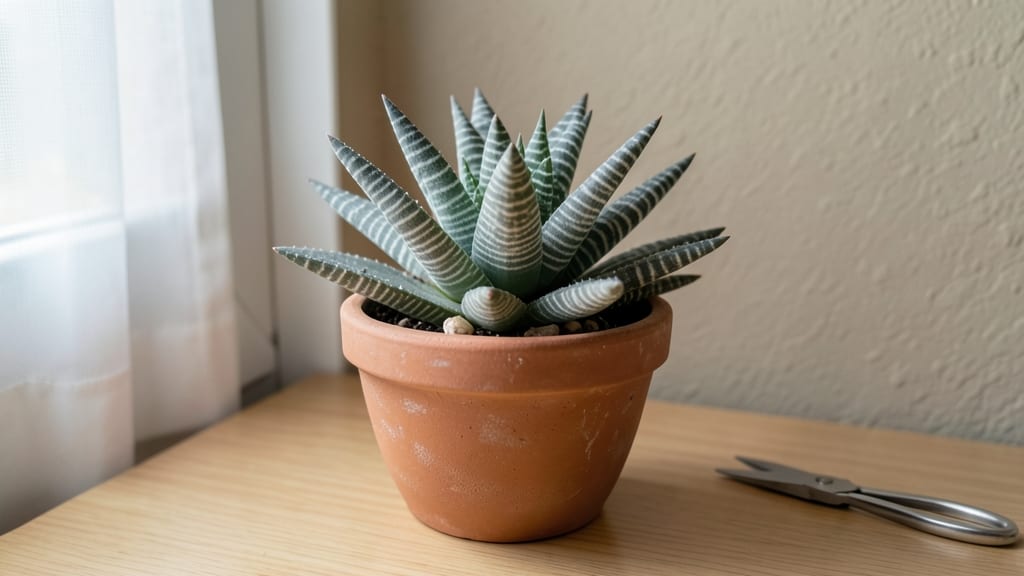
"Fast propagation of pointy leaf plants like snake plants or yucca means more plants for your space in just weeks. 🌱 I’ve perfected the method after struggling with slow-growing varieties—now I can double my collection in a season with simple stem cuttings.
The key is timing, the right tools, and knowing exactly when to snip for root growth.
Whether you’re growing indoors or outdoors, these plants thrive on neglect but need the right conditions to multiply. Use sharp scissors, let cuttings dry for a day, and plant in well-draining soil.
Most varieties root in 2-4 weeks, and you’ll have sturdy new plants ready for pots or garden beds. Perfect for drought-resistant landscaping or adding architectural flair to your home.
You’ll end up with lush, sharp-edged foliage that brightens any space—whether it’s a sunny windowsill or a dry garden corner. The best part? These plants are nearly indestructible once established, making them ideal for beginners and busy gardeners alike. Ready to turn one plant into many?
Works for snake plants, agave, yucca, and other pointy-leaf varieties. Here’s how to do it right the first time—no green thumbs required.
Understanding Leaf Shape Shifts
If your pointy leaf plant (often a Sedum, Echeveria, or Haworthia) is suddenly sporting needle-like or jagged foliage instead of its usual plump, rounded leaves, don’t panic—it’s usually a sign of stress or environmental cues.
While some varieties naturally grow pointier leaves as they mature, sudden changes often point to underlying issues. Let’s break down the most common reasons why your plant’s leaves might be taking on a sharper edge.
Plants are sensitive to their thermal environment, and extreme temperature swings or improper light exposure can trigger defensive growth patterns. Here’s how it plays out:
- Too Much Direct Sun:
While succulents and pointy-leaf plants thrive in bright light, intense midday sun (especially in hot climates) can cause leaves to become thin, pointed, or even crispy-edged. This is the plant’s way of reducing surface area to minimize water loss—a survival tactic in harsh conditions. 🌞🔥
- Cold Drafts or Chill Exposure:
Sudden cold snaps or drafts from windows/AC can stunt growth and lead to pointier, smaller leaves. Cold stress slows metabolic processes, causing the plant to prioritize compact, hardy foliage over broad, soft leaves. ❄️🌬️
- Inconsistent Light Cycles:
Plants rely on predictable light-dark cycles. If your pointy-leaf plant gets erratic light exposure (e.g., moved frequently or placed near a south-facing window with variable sun), it may produce leaves with uneven, jagged edges as it struggles to adapt.
💡 Fix It: Move your plant to a spot with bright, indirect light (e.g., east or west window) or provide dappled shade during peak sun hours. Use a grow light if natural light is insufficient, and avoid placing it near drafty windows or vents.
Watering habits directly impact leaf shape—too much or too little can send your plant into survival mode, leading to pointed or distorted growth. Here’s what’s happening underground:
| Problem | Effect on Leaves | Why It Happens |
|---|---|---|
| Overwatering | Leaves become thin, pointed, and translucent (like glass-like edges). | Excess moisture forces the plant to shrink leaf surface area to reduce water absorption and prevent rot. Roots suffocate, starving the plant of nutrients. |
| Underwatering | Leaves grow small, hard, and spiky with crispy edges. | The plant conserves water by minimizing leaf exposure and thickening cell walls. Chronic drought can also stunt new growth entirely. |
| Poor Drainage | Leaves develop uneven, serrated edges or grow in a rosette with sharp tips. | Compacted or clay-heavy soil traps moisture, leading to root stress. The plant “splits” its energy between surviving waterlogged roots and producing hardier, smaller leaves. |
💡 Fix It:
- Use a fast-draining mix (e.g., cactus/succulent soil + perlite/pumice).
- Water only when the top 1–2 inches of soil are dry (stick your finger in to check!).
- Ensure pots have drainage holes and elevate them to prevent soggy roots.
- Fertilize lightly (once in spring) with a diluted succulent fertilizer to avoid promoting soft, watery growth.
Leaf shape can also scream for help when your plant’s diet is off. Here’s how nutrients (or lack thereof) affect growth:
- Nitrogen Deficiency:
Leaves may turn pointy, pale, and brittle with yellowing tips. Nitrogen is crucial for leaf expansion, so a deficiency forces the plant to produce smaller, harder leaves to conserve energy. 🌱💚
- Phosphorus or Potassium Imbalance:
Too much fertilizer (especially high-phosphorus) can cause spiky, stunted growth as the plant struggles to process excess salts. Conversely, a lack of potassium weakens cell structure, leading to frail, pointed leaves that easily tear.
- Micronutrient Starvation:
Deficiencies in calcium, magnesium, or iron can distort leaf shape, causing serrated or lobed edges (common in Haworthia or Echeveria). These nutrients are vital for cell wall development.
💡 Fix It:
- Flush the soil with water to remove excess salts if overfertilized.
- Use a balanced, diluted fertilizer (e.g., 5-5-5 or 10-10-10) once every 2–3 months in growing season.
- For deficiencies, try a chelated iron or calcium nitrate supplement (follow package instructions).
- Repot in fresh, nutrient-rich soil if the plant has been in the same mix for over a year.
While less common, pests and diseases can physically damage leaves or alter growth patterns, leading to pointy, distorted shapes. Here’s what to watch for:
- Mealybugs or Scale Insects:
These sap-sucking pests weaken the plant, causing new leaves to grow small, pointed, and deformed. They also excrete honeydew, which can attract sooty mold, further stressing the plant. 🐜🍯
- Fungal Infections (e.g., Powdery Mildew):
Excess moisture or poor air circulation can lead to white, powdery coatings on leaves, which distort growth and cause edges to become jagged or curled. The plant diverts energy to fighting the fungus instead of healthy expansion.
- Root Rot:
If the roots are compromised (from overwatering or poor drainage), the plant may produce abnormally shaped, spiky leaves as it prioritizes above-ground survival.
💡 Fix It:
- Inspect leaves undersides and stems for pests. Wipe off mealybugs with
Fixing Pointy Leaf Issues Quickly
If your plant’s leaves are turning sharp, jagged, or unusually pointy, don’t panic—most issues are fixable with a little attention. Below, we’ve mapped out practical solutions for common causes, along with prevention tips to keep your plant thriving. 🌱💧
Problem: Overly bright, harsh sunlight can scorch leaves, causing them to develop sharp, crispy edges or a "burnt" look.
How to Fix It:
- Move your plant to a spot with bright, indirect light (east or north-facing windows are ideal).
- If outdoors, provide afternoon shade with a sheer curtain or mesh screen.
- Rotate the pot every few weeks to ensure even light exposure.
Prevention Tip: 💡 Use a light meter or observe your plant—if leaves turn yellow or develop brown tips, it’s getting too much sun.
Problem: Both drought stress and root rot can cause leaves to develop pointy, brittle edges or curl unnaturally.
How to Fix It:
- Check soil moisture by sticking your finger 1 inch deep—if dry, water thoroughly. If soggy, let it dry out before watering again.
- Use well-draining soil (mix in perlite or orchid bark if needed) and a pot with drainage holes.
- Water at the base (not overhead) to prevent fungal issues that weaken leaves.
Prevention Tip: ✨ Stick to a watering schedule based on your plant’s needs—most tropical pointy-leaf plants (like Fittonia or Peperomia) prefer consistently moist but not soggy soil.
Problem: Over-fertilizing (especially with high salt content) or hard water buildup can cause crispy, pointed leaf tips and stunted growth.
How to Fix It:
- Flush the soil by watering with room-temperature distilled or rainwater for 10–15 minutes to leach out salts.
- Switch to a balanced, water-soluble fertilizer (dilute to half-strength) and apply every 4–6 weeks in growing season.
- Wipe leaves with a damp cloth to remove dust or mineral deposits.
Prevention Tip: 🎯 If using tap water, let it sit out 24 hours before watering to reduce chlorine and mineral content.
Problem: Spider mites, aphids, or fungal infections (like powdery mildew) can distort new growth, leading to abnormal, pointy leaf shapes.
How to Fix It:
- Isolate the plant and inspect undersides of leaves for pests (tiny webs, sticky residue, or black spots).
- Spray with neem oil (1 tsp per quart of water) or insecticidal soap for pests. For fungus, use a copper-based fungicide.
- Prune affected leaves with sterilized scissors to prevent spread.
Prevention Tip: 🔥 Keep humidity moderate (40–60%) and avoid wetting foliage when watering to deter fungal growth.
Problem: Drafts, sudden temperature drops, or low humidity can stress plants, causing leaves to develop sharp, uneven edges.
How to Fix It:
- Move the plant away from AC vents, heaters, or drafty windows.
- Use a humidity tray (pebbles + water) or a small humidifier if air is dry.
- Mist leaves lightly (early morning) in low-humidity climates, but avoid over-misting to prevent fungal issues.
Prevention Tip: 🌡️ Ideal temps for most pointy-leaf plants: 65–75°F (18–24°C)—keep them stable!
Final Pro Tip: 💡 When in doubt, take a cutting—healthy stem cuttings root easily and can become new, thriving plants while you troubleshoot the original!
Need more help? Drop a comment below with your plant’s symptoms, and we’ll diagnose it! 🌿
Frequently asked questions
What are the most popular pointy leaf plants for beginners?
Start with snake plants (Sansevieria) or ZZ plants (Zamioculcas)—they're nearly indestructible and thrive in low light. For more architectural interest, try yucca or dracaena, which also handle neglect well. All these varieties have striking, sharp-edged foliage that adds drama to any space.
How do I propagate pointy leaf plants from stem cuttings?
Use clean, sharp scissors to cut a 4-6 inch healthy stem just below a leaf node. Let it dry for 1-2 days to callus, then place in well-draining soil or water. Most varieties (like snake plants or yucca) root in 2-4 weeks—just keep soil lightly moist and out of direct sun during this time.
Why are my pointy leaf plants growing slower than expected?
Slow growth usually means low light or overwatering. Move to brighter indirect light (like an east-facing window) and let soil dry completely between waterings. Most pointy-leaf varieties grow best with 6-8 hours of light daily and prefer to be slightly underwatered rather than soggy.
Can I grow pointy leaf plants outdoors in cold climates?
Some varieties like yucca or agave tolerate frost, but most (such as snake plants) need winter protection. For cold areas, grow them in containers and bring indoors before 32°F (0°C) temperatures. Alternatively, plant in sheltered microclimates like against south-facing walls where they get reflected warmth.
What's the best soil mix for pointy leaf plants?
Use a blend of 60% cactus/succulent soil, 20% perlite, and 20% coarse sand for optimal drainage. This prevents root rot while allowing air to reach roots. For tropical varieties like Fittonia, mix in 20% peat moss to retain slightly more moisture.