
Companion Plants
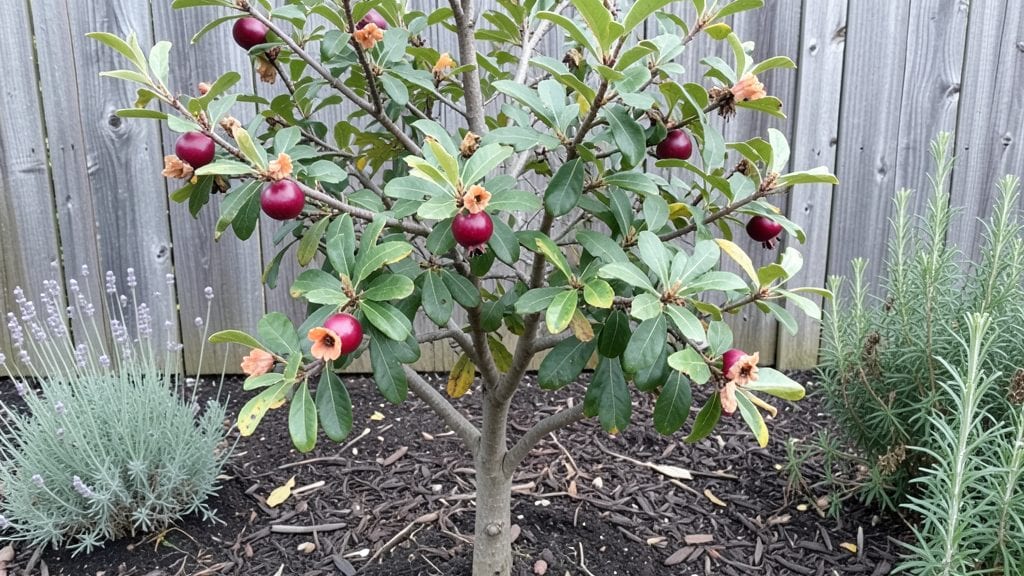
Pomegranate companion plants can turn your arid garden from a struggle into a showstopper. 🌿 I’ve watched my own pomegranate bushes triple their fruit production just by adding the right neighbors—like rosemary that deters pests or marigolds that lure away beetles.
The key is matching plants that thrive in the same dry, sunny conditions while working together.
Herbs like thyme and oregano love the same well-draining soil and drought tolerance as pomegranates, while nasturtiums act as natural pest repellents without competing for water. Even beans and peas nearby add nitrogen to the soil, giving your pomegranate the extra boost it craves.
These pairings aren’t just practical—they create a fragrant, low-maintenance ecosystem that hums with life.
You’ll notice fewer fruit-sucking bugs, healthier foliage, and fruit that stays on the tree longer. The right companions also extend your harvest season by attracting pollinators and improving soil structure over time. It’s not magic—just smart layering of plants that naturally support each other.
Works for Mediterranean climates, desert gardens, or even containers in hot zones. The same principles apply whether you’re planting in full sun or adapting for slightly cooler microclimates. Let’s design your pomegranate’s dream neighborhood!
📚 In This Guide
- What you need
- Instructions
- Tips and common mistakes
- Wrapping up and next steps
What you need
- ● Pomegranate plant: 1 healthy, disease-free sapling (choose a variety suited to your climate, like 'Wonderful' or 'Eversweet').
- ● Companion plants: Nasturtiums (6–10 plants) – repels pests and adds color.
- ● Marigolds (5–8 plants) – deters aphids and nematodes.
- ● Basil (3–5 plants) – improves flavor and repels mosquitoes.
- ● Rosemary (1–2 plants) – attracts pollinators and deters pests.
- ● Thyme (1–2 plants) – suppresses weeds and attracts beneficial insects.
- ● Soil amendments: Compost (1–2 bags, 5–10 gallons each) – enriches soil with nutrients.
- ● Well-draining potting mix (1–2 bags, 1 cubic foot each) – ideal for container gardening.
- ● Organic mulch (straw, wood chips, or pine needles, 2–3 inches thick) – retains moisture and suppresses weeds.
- ● Tools: Trowel or hand shovel – for planting and soil prep.
- ● Garden gloves – to protect your hands.
- ● Watering can or hose with a gentle nozzle – for hydration without disturbing roots.
- ● Pruning shears – for trimming companion plants as needed.
- ● Pollinator-friendly flowers: Lavender, alyssum, or bee balm (3–5 plants) – boosts fruit production.
- ● Pest deterrents: Neem oil spray or diatomaceous earth – for organic pest control.
- ● Support structures: Small stakes or trellises – if growing vining companions like nasturtiums.
- ● Soil test kit: To check pH (ideal range: 6.0–7.5 for pomegranates).
- ● Drip irrigation system: For consistent moisture in larger gardens.
Step-by-step guide to designing a pomegranate companion planting plan
Here's how to strategically pair plants for healthier pomegranates and fewer pests.
🌱 Step 1: Select the Core Pomegranate Support Trio
Start with three essential companion categories. First, plant legumes like clover or beans within a 3-foot radius of your pomegranate tree. Their nitrogen-fixing roots naturally fertilize the soil, reducing the need for synthetic supplements. I always add a 1-gallon container of clover at the drip line—it spreads quickly and improves soil structure.
Next, incorporate marigolds around the tree's perimeter. These aren't just pretty—they release alpha-terthienyl, a compound that repels nematodes and aphids, two common pomegranate pests. Plant them in 6-inch-deep holes spaced 12 inches apart in early spring. The bright blooms also attract pollinators that boost fruit set.
Finally, add thyme or oregano at the base of the tree. Their strong scent masks pomegranate odors that attract fruit flies. These herbs thrive in the dappled shade beneath the canopy and double as culinary harvests. Mulch with 2 inches of straw to keep them moist while suppressing weeds.
☀️ Step 2: Position Sun-Loving Annuals Strategically
Plant nasturtiums along the tree's southern exposure where they'll get 6+ hours of direct sun. These edible flowers act as trap crops, luring aphids away from your pomegranate. Space them 18 inches apart in 4-inch-deep holes—they germinate quickly and spread aggressively, which is perfect for crowding out pests.
For the tree's northern side where light is gentler, add basil in 4-inch pots placed 2 feet from the trunk. Basil deters whiteflies and improves the pomegranate's flavor through subtle aromatic interactions. Watch for first true leaves on the basil—this signals it's established enough to start competing with weeds for nutrients.
I always plant these annuals 4-6 weeks before the last frost date. Their rapid growth creates an instant protective barrier around the young pomegranate tree, giving it a head start against pests before they arrive.
💧 Step 3: Integrate Perennial Ground Covers for Long-Term Benefits
Install comfrey as a living mulch along the tree's outer edge. Its deep roots break up compacted soil while its leaves create a natural nitrogen-rich mulch when chopped and dropped. Plant comfrey 18 inches from the trunk in 6-inch-deep holes, spacing them 2 feet apart. You'll see first purple blooms by mid-summer—a sign it's thriving.
For shade tolerance, add creeping thyme under the tree's canopy. This hardy perennial spreads quickly, suppressing weeds while its minty scent deters pests. Plant 4-inch pots spaced 12 inches apart in early spring. Water deeply after planting, then let natural rainfall maintain it—creeping thyme is incredibly drought-resistant once established.
Here's the thing—these perennials will multiply over years, creating a self-sustaining ecosystem. By year three, you'll have minimal weeding and maximum pest control with almost no effort.
✂️ Step 4: Maintain the Companion Plant Ecosystem
Prune back annuals like marigolds and nasturtiums after their first flowering to encourage bushier growth and continuous pest deterrence. I always use clean, sharp shears to avoid spreading disease between plants. Remove any yellowed or diseased leaves immediately—they can harbor fungal spores that threaten your pomegranate.
Mulch annually with 2-3 inches of compost in early spring. This feeds both your pomegranate and companion plants while maintaining moisture levels. The key is to keep mulch 6 inches away from the tree trunk to prevent rot. You'll notice healthier foliage within weeks of proper mulching.
Finally, rotate trap crops annually. After two seasons, replace nasturtiums with calendula—its bright flowers continue attracting pests while adding visual interest. This rotation prevents pest populations from adapting to your defenses.
Tips & tricks for perfect pomegranate companion planting
Creating an effective companion planting system for pomegranates takes thoughtful planning—here's how to maximize your tree's potential while minimizing common pitfalls.
Seasonal Timing: The 4-6 week window before your last frost date is critical for planting annuals like nasturtiums and basil. Check your local frost dates and mark your calendar—planting too early can expose tender seedlings to cold snaps, while waiting too long delays their protective growth. For perennials like comfrey, early spring planting gives roots time to establish before summer heat arrives. I always verify frost dates through my local agricultural extension service to avoid guessing.
Plant Placement Precision: When positioning marigolds around your pomegranate's perimeter, maintain that exact 12-inch spacing—they need room to spread and release their pest-repelling compounds effectively. For nasturtiums on the southern exposure, ensure they receive full sun (6+ hours) without competing directly with the tree's canopy. The key is creating a balanced ecosystem where each plant supports the others without shading out the pomegranate's critical sunlight needs.
Soil Preparation Strategy: Before planting any companions, test your soil's pH and nitrogen levels. Pomegranates prefer slightly acidic soil (pH 5.5-7.0), while legumes like clover thrive in neutral to slightly alkaline conditions. Amend your soil with compost before planting to create an optimal growing medium. I always spread a 2-inch layer of compost across the planting area and gently work it into the top 6 inches of soil—this creates the perfect foundation for all your companion plants.
Pest Rotation System: The annual rotation of nasturtiums to calendula after two seasons is more effective than you might think. Nasturtiums attract aphids initially, but calendula continues this cycle while adding visual diversity. I've found that adding a third rotation plant—like borage—further confuses pests. The key is maintaining this rotation schedule religiously; pests adapt quickly when faced with the same trap crops year after year.
Pro Tips for Pomegranate Companion Plants
- Creating an effective companion planting system for pomegranates takes thoughtful planning—here's how to maximize your tree's potential while minimizing common pitfalls.
- Seasonal Timing: The 4-6 week window before your last frost date is critical for planting annuals like nasturtiums and basil.
- Plant Placement Precision: When positioning marigolds around your pomegranate's perimeter, maintain that exact 12-inch spacing—they need room to spread and release their pest-repelling compounds effectively.
Frequently asked questions
Got questions about pomegranate companion plants?
You’re not alone! Here are some of the most common queries—and their practical answers—to help you grow a thriving pomegranate garden.
What are the best companion plants for pomegranates?
Pomegranates thrive alongside marigolds (which repel pests), basil (improves flavor), thyme (deters nematodes), and beans or peas (fix nitrogen in the soil). Avoid planting them near citrus or walnut trees, as they compete for nutrients or release toxins.
When is the best time to plant companion plants with pomegranates?
Plant companions in early spring (after the last frost) or late summer (6–8 weeks before the first frost). This gives them time to establish roots before winter. For annuals like marigolds, sow seeds in late spring for continuous pest control.
Can I grow pomegranates in containers with companions?
Yes! Pair pomegranates with dwarf herbs like thyme or oregano in large pots (at least 15–20 gallons). Ensure the container has drainage holes and use a well-draining potting mix. Avoid overcrowding—pomegranates need space to spread their roots.
How do I troubleshoot pest issues with companion plants?
If pests like aphids or spider mites appear, marigolds and garlic (another great companion) can help. For severe infestations, use neem oil or introduce ladybugs. Avoid chemical pesticides, as they can harm beneficial insects attracted to your pomegranate’s companions.
What if I don’t have space for traditional companions?
No problem! Try ground covers like clover (to suppress weeds) or fast-growing annuals like nasturtiums (which trap pests). Even mulching with straw improves soil health and deters weeds, giving your pomegranate indirect support.
Wrapping up and next steps
Choosing the right pomegranate companion plants can transform your garden into a thriving, low-maintenance ecosystem—boosting flavor, health, and even pest control! 🌱 From fragrant herbs like rosemary to pollinator-friendly marigolds, these pairings work together to create a harmonious space.
Whether you’re a seasoned gardener or just starting out, these strategies will help you grow juicier, sweeter pomegranates with less effort.
Ready to put your new knowledge to work? Start small: pick one or two companion plants to test in your garden this season, and observe how they interact. Before you know it, you’ll be harvesting abundant, vibrant pomegranates—and maybe even sharing tips with fellow gardeners! 🍇✨