
Companion Plants
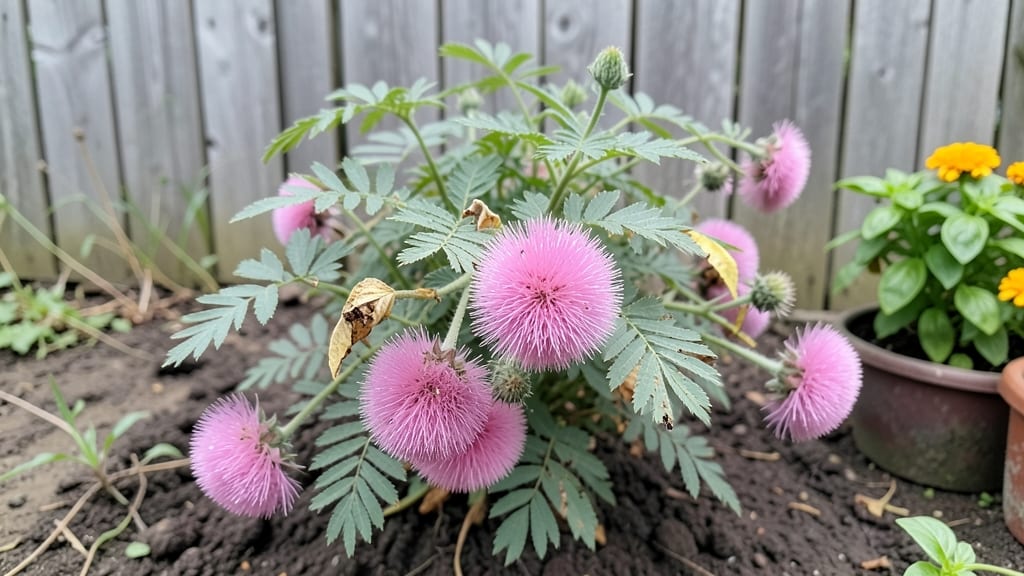
Growing powder puff plants transforms any garden into a cloud of delicate pink blooms that last all season. These drought-resistant shrubs thrive with minimal fuss, making them perfect for busy gardeners who want effortless beauty.
The secret lies in their love of sun and well-draining soil—once established, they practically grow themselves while attracting bees and butterflies.
Start with a sunny spot and sandy, slightly acidic soil to mimic their native habitats. Plant in early spring after the last frost, spacing them 3-4 feet apart for full growth.
Water deeply once a week, letting the soil dry between waterings—overwatering is their biggest enemy. In colder zones, mulch around the base to protect roots during winter dormancy.
Prune lightly after blooming to shape the plant and encourage new growth, but avoid heavy cuts that remove too many flower buds. With proper care, your powder puff plants will reward you with vibrant pink plumes from spring through fall, even in dry conditions.
Their fragrant charm makes them a standout in borders, containers, or as a focal point.
For best results, fertilize lightly in early spring with a balanced formula, and watch for signs of stress like yellowing leaves—usually a sign of overwatering. In warmer climates, they may bloom year-round, while cooler zones enjoy a stunning spring-to-fall display. Their low-maintenance nature makes them a gardener’s dream.
📚 In This Guide
- What you need
- Instructions
- Tips and common mistakes
- Wrapping up and next steps
What you need
- ● Powder Puff Plant Seeds or Seedlings: 1–3 seeds (if starting from seed) or 1–2 nursery-grown seedlings.
- ● Pro Tip: 💡 Seedlings are faster for blooms, but seeds are fun for beginners!
- ● Well-Draining Potting Mix: 1–2 bags (5–10 quarts) of cactus/succulent mix (or regular potting soil + perlite, 2:1 ratio).
- ● Pro Tip: 🌡️ Avoid soggy soil—these plants hate wet feet!
- ● Containers: 1–2 pots (6–12 inches wide) with drainage holes or a raised garden bed (if planting outdoors).
- ● Sunlight Access: 6+ hours of full sun daily (south-facing window, grow lights, or outdoor spot).
- ● Watering Can or Spray Bottle: For light, infrequent watering (let soil dry between waterings).
- ● Fertilizer: Balanced liquid fertilizer (diluted to half-strength) for blooming plants.
- ● Pruning Shears: For shaping or trimming leggy growth.
- ● Mulch: Gravel or decorative rocks to retain moisture and deter pests.
- ● Humidity Tray: If your air is dry (great for indoor plants!).
Step-by-step guide to growing powder puff plants
Here's how to cultivate these delicate beauties with their signature fluffy blooms and sweet fragrance.
Select and Prepare Containers for Planting
Powder puff plants thrive in well-draining containers, so choose pots with drainage holes at least 6 inches deep and 8 inches wide for each plant. I recommend using terra cotta pots—they wick away excess moisture, which prevents root rot. Fill each pot with 2-3 inches of small gravel or perlite at the bottom to create a drainage layer. This ensures water flows freely without pooling around the roots.
Next, add 2-3 inches of potting mix on top of the gravel. Press it down lightly to create a stable base for the plant. The mix should feel like a damp sponge—moist but not soggy. If you're planting multiple powder puffs, space the pots 12-18 inches apart to allow airflow and prevent overcrowding. Good circulation keeps those signature fluffy blooms healthy and vibrant.
Plant the Tubers Correctly for Strong Growth
Powder puff plants grow from tubers, which should be planted eyes-up—that means positioning them with the smaller, flatter side down and the bumpy, eye-covered side facing up. Dig a hole in the potting mix that's 2-3 inches deep, just enough to cover the top half of the tuber. Gently place the tuber in the hole and cover it with soil, pressing lightly to secure it.
Water the soil immediately after planting until it's evenly moist but not waterlogged. You'll know it's right when water drips through the drainage hole without puddling. Avoid overwatering at this stage—powder puff tubers rot easily if they sit in soggy soil. Place the pot in a bright, indirect light spot for the first 2-3 weeks while the tuber establishes roots. You'll see new shoots emerge within 3-4 weeks if conditions are ideal.
Provide the Right Light and Temperature for Blooming
Once the shoots reach 2-3 inches tall, move the plants to a location with bright, indirect sunlight for 6-8 hours daily. A south-facing window with sheer curtains works well, or you can use a grow light if natural light is limited. Powder puff plants love warmth—keep the soil temperature between 65-75°F for best results. If your home runs cooler, place a heat mat under the pots to maintain consistent warmth.
Watch for the first signs of blooms, which appear as small green buds on top of the foliage. When buds form, increase sunlight slightly to 8-10 hours daily to encourage full blooming. The fluffy, powdery flowers will develop within 4-6 weeks after buds appear. If the blooms look sparse or leggy, rotate the pots quarter-turn weekly to ensure even growth. This prevents the plants from stretching toward one light source.
Water and Fertilize for Continuous Blooms
Water the plants when the top inch of soil feels dry to the touch. Stick your finger into the soil—if it's dry at that depth, it's time to water. Use room-temperature water and water at the base of the plant to avoid wetting the delicate blooms. Overwatering causes yellowing leaves, while underwatering leads to droopy foliage. Find that balance, and your powder puff plants will reward you with year-round blooms.
Feed the plants every 4-6 weeks with a balanced liquid fertilizer (10-10-10 ratio) diluted to half strength. I mix 1 tablespoon of fertilizer per gallon of water and apply it after watering to prevent root burn. Stop fertilizing in late summer to allow the tubers to rest and store energy for next year’s growth. Prune spent blooms by snipping them off at the base—this encourages new flowers and keeps the plant looking tidy.
Overwinter and Prepare for Next Season
When temperatures drop below 50°F, powder puff plants enter dormancy. Reduce watering to once every 2-3 weeks and stop fertilizing entirely. The leaves will yellow and die back naturally—this is normal and part of the plant’s cycle. Once the foliage has completely withered, cut it back to 1 inch above the soil. This helps the tuber conserve energy for next year.
Store the pots in a cool, dark place (around 50-55°F) until spring. Check the soil occasionally—it should stay slightly moist but not wet. In early spring, bring the tubers back to bright, indirect light and resume watering when new shoots appear. Repeat the process, and you’ll enjoy fragrant, fluffy blooms year after year. With proper care, these plants can live for 5-10 years, making them a rewarding addition to any indoor garden.
Tips & tricks for perfect powder puff plants
A few simple strategies can make all the difference when growing these delicate yet rewarding plants.
Container Selection Matters: While terra cotta pots are ideal, you can also use plastic pots with drainage holes if terra cotta isn't available. The key is ensuring proper drainage—if water pools at the bottom, your tubers will rot. I've had success with glazed ceramic pots as long as they have drainage holes, though they may require slightly more frequent watering since they don't wick moisture away like terra cotta.
Light Transition is Critical: When moving your powder puffs from the initial 2-3 weeks of bright indirect light to their final 6-8 hours of daily sunlight, do it gradually over 7-10 days. Sudden exposure can shock the plants, causing leaves to yellow or drop. I place my plants near an east-facing window first, then slowly move them to their final south-facing position. This gradual transition helps them adjust without stress.
Temperature Consistency Creates Blooms: Maintaining that 65-75°F soil temperature range is essential for blooming, but air temperature matters too. If your home dips below 65°F at night, consider moving the plants to a warmer spot or using a small space heater (safely positioned). I've noticed that plants in cooler homes often produce fewer blooms until I addressed this temperature gap. A simple heat mat under the pots during cooler months makes a noticeable difference.
Watering Technique Prevents Problems: The finger test for watering is your best friend—stick your finger about an inch into the soil. If it feels dry at that depth, water thoroughly until it drains from the bottom. The goal is to keep the soil consistently moist but never soggy. I've learned the hard way that powder puffs are particularly sensitive to overwatering, which leads to root rot and lost blooms. Always water at the base rather than overhead to protect those delicate fluffy flowers.
Pro Tips for Powder Puff Plants
- A few simple strategies can make all the difference when growing these delicate yet rewarding plants.
- Container Selection Matters: While terra cotta pots are ideal, you can also use plastic pots with drainage holes if terra cotta isn't available.
- Light Transition is Critical: When moving your powder puffs from the initial 2-3 weeks of bright indirect light to their final 6-8 hours of daily sunlight, do it gradually over 7-10 days.
Frequently asked questions
What’s the best time of year to plant powder puff plants?
Plant powder puff plants in early spring after the last frost when soil temperatures reach at least 60°F (15°C). If you’re in a warm climate (Zones 9-11), you can plant in late winter. They thrive in full sun, so choose a spot with at least 6-8 hours of sunlight daily.
How often should I water powder puff plants?
Water deeply but infrequently—about 1-2 times per week—once established (after the first few weeks). They’re drought-tolerant once mature, but young plants need consistent moisture. Let the top 1-2 inches of soil dry out between waterings to prevent root rot.
Can powder puff plants survive winter in cold climates?
No—they’re tender perennials (or annuals in cold zones) and won’t survive frost. In Zones 7 and below, grow them as potted plants and bring them indoors before temperatures drop below 40°F (4°C). Alternatively, treat them as summer annuals and replant each spring.
What pests or diseases should I watch for with powder puff plants?
Keep an eye out for aphids, spider mites, and whiteflies, which love their soft foliage. Treat infestations early with neem oil or insecticidal soap. Overwatering can lead to root rot, so ensure well-draining soil. Powdery mildew may appear in humid conditions—prune for airflow and avoid overhead watering.
Are there any companion plants that pair well with powder puff plants?
Pair them with drought-tolerant companions like lantana, salvia, or succulents for a low-maintenance, pollinator-friendly garden. They also love citrus trees, bougainvillea, or Mexican feather grass for a Mediterranean vibe. Avoid planting near heavy feeders like tomatoes or peppers, which compete for nutrients.
Pro Tip: Prune wisely!
Trim back leggy stems after flowering to encourage bushier growth and more blooms. Use clean, sharp shears and sterilize them with rubbing alcohol between cuts to prevent disease. Never prune more than 1/3 of the plant at once—this can stress it out.
Wrapping up and next steps
Powder puff plants are a fragrant, low-maintenance gem that bring joy and color to any garden—whether you’re a seasoned gardener or just starting out! 🌸 Their delicate blooms and sweet scent make them a perfect companion for pollinators and a delightful addition to containers, borders, or even indoor spaces.
With the right care, you’ll enjoy their cheerful presence year-round, proving that growing beauty doesn’t have to be complicated.
Ready to transform your space? Start by picking your favorite variety, gathering your supplies, and giving these plants the love they deserve. Plant one today—your garden (and your nose!) will thank you! 🌿