
Aphids
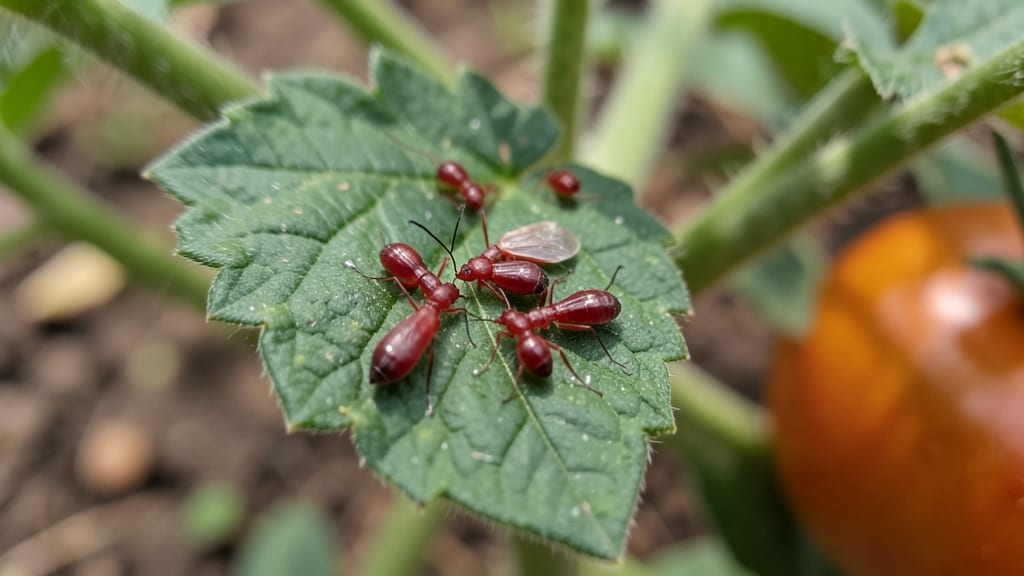
Red aphids on tomato plants can turn your harvest into a sticky mess if you don’t act fast. I’ve battled these tiny red invaders more times than I’d like to admit, and the good news is that a simple organic spray can stop them in their tracks—without harsh chemicals.
The key is catching them early, when they’re still clustered on the undersides of leaves, before they spread to every stem.
Most gardeners reach for neem oil or insecticidal soap first, and for good reason—both work fast when applied correctly. You’ll need just a few household items, a spray bottle, and about 10 minutes to mix and apply.
The solution disrupts their life cycle, so you’ll see fewer aphids within 24 hours, and your tomato plants will start looking healthier within a week. The best part? This method is safe for your plants and even attracts beneficial insects that help keep pests in check.
What you’ll end up with is tomato plants that bounce back from infestations with minimal damage. Leaves stay green, new growth appears stronger, and those red clusters vanish—no more sticky residue or weakened vines.
The spray works as a preventative too, so once you’ve used it once, you’ll have a go-to remedy for future outbreaks. Ready to reclaim your tomato plants?
This approach works for gardeners in any climate, whether you’re growing in containers or a full backyard plot. The same principles apply whether you’re dealing with a small infestation or a full-blown attack—just scale up the spray as needed. Let’s get those tomatoes thriving again.
Root Causes of Tiny Red Invaders
Those pesky red aphids on your tomato plants aren’t just random pests—they’re the result of specific environmental and plant-related factors. Understanding why they appear helps you tackle the problem at its source. Let’s break down the key reasons these sap-sucking insects show up on your precious tomatoes.
Tomato plants under stress—whether from poor spacing, nutrient deficiencies, or overwatering—become prime targets for aphids. Here’s why:
- Weakened defenses: Stressed plants produce less sap (their natural defense against pests), making them easier prey. Aphids detect these chemical signals and flock to vulnerable spots.
- Overcrowding: When tomato plants grow too close together, airflow is restricted, creating a humid microclimate. Aphids thrive in damp, shaded conditions where predators (like ladybugs) struggle to survive.
- Nutrient imbalances: Too much nitrogen (common in fast-growing plants) attracts aphids because it increases plant sap sweetness—a buffet for these insects.
Actionable fix: Thin out plants to improve airflow, ensure balanced fertilization (especially potassium-rich mixes), and avoid overwatering. Healthy plants naturally repel pests!
Aphids love warmth and shelter, and tomato plants often provide both. Here’s how your garden might be unintentionally inviting them:
- Greenhouse effect: If your tomatoes are near fences, walls, or dense foliage, they trap heat and humidity—ideal aphid breeding grounds. These insects multiply rapidly in temperatures between 60–80°F (15–27°C).
- New growth hotspots: Aphids prefer tender, new shoots because the sap is richer in sugars. Pruning or harvesting can accidentally spread them if tools aren’t sanitized.
- Winter survivors: Some red aphids (like Macrosiphum euphorbiae) overwinter on weeds or plant debris, then migrate to tomatoes in spring when conditions warm up.
Actionable fix: Prune regularly to remove hiding spots, space plants for airflow, and avoid mulching too close to stems (which can trap moisture). A reflective mulch (like aluminum foil) can also deter aphids by confusing their flight patterns.
Aphid populations explode when their predators are absent. Here’s why your tomato plants might be aphid magnets:
- Pesticide use: Even synthetic or organic pesticides can kill beneficial insects like ladybugs, lacewings, and parasitic wasps that prey on aphids. Without these allies, aphids reproduce unchecked.
- Monoculture gardens: Planting only tomatoes (or other aphid-loved crops like peppers and beans) creates a buffet with no diversity to support predator populations.
- Urban/suburban gardens: In cities or suburbs, natural predators may be scarce due to habitat loss or lack of wildflower borders (which attract them).
Actionable fix: Introduce aphid-eating allies like:
- Ladybugs (buy them online or attract them with dill, fennel, or marigolds).
- Lacewings (plant cosmos or sweet alyssum to lure them).
- Birds (install a shallow water source to encourage visits).
Even a small patch of clover or yarrow can boost predator numbers over time.
Aphids don’t discriminate—they’ll feast on weeds and other plants before moving to your tomatoes. Here’s how nearby plants contribute to the problem:
- Weed hotspots: Plants like dandelions, plantain, and chickweed are aphid magnets. They serve as breeding grounds, then aphids migrate to tomatoes when resources run low.
- Nearby crops: If you grow peppers, eggplants, or basil nearby, aphids may hop from one plant to another, creating a cycle of infestation.
- Wild hosts: Some aphid species (like Myzus persicae) overwinter on brassicas (cabbage family) or legumes, then spread to tomatoes in spring.
Actionable fix:
- Pull weeds regularly, especially those near tomato beds.
- Rotate crops yearly to break aphid life cycles.
- Use row covers early in the season to block migrating aphids.
💡 Pro tip: If you spot aphids on weeds, treat them first—it’s often the source of your tomato problem!
Quick Fixes for Tiny Tomato Troubles
Red aphids on your tomato plants might feel like a nightmare, but don’t worry—there are fast, effective, and organic ways to tackle them before they wreak havoc. The key is to act now and combine immediate fixes with long-term prevention.
Below, we break down the most common causes of red aphid infestations and the best solutions to eliminate them fast while keeping your tomatoes thriving.
Cause: Weak, overcrowded, or nutrient-deficient tomato plants attract aphids like a buffet. Fix:
- 🍅 Trim infected leaves (especially lower ones) and dispose of them in sealed bags—never compost them! Aphids spread fast.
- 🌱 Thin out plants if they’re too close together. Aim for 18–24 inches of space between tomato stems for better airflow.
- 💧 Water at the base (not the leaves) to avoid creating sticky honeydew hotspots where aphids love to hide.
- 🌿 Add mulch (straw or grass clippings) to retain moisture and deter ants (which love aphids and "farm" them for honeydew).
💡 Pro Tip: If aphids keep coming back, your soil might be low in nitrogen. Use compost tea or a balanced organic fertilizer (like fish emulsion) to boost plant health.
Cause: Aphids thrive when left unchecked, multiplying in days. Fix:
- 🧼 Homemade Soap Spray (Best for Light Infestations) Mix 1 tbsp mild liquid soap (like Castile soap) + 1 quart water in a spray bottle. Spray directly on aphids (especially undersides of leaves) until leaves glisten. Reapply every 3–4 days until gone. ⚠️ Test on a small leaf first—some plants are soap-sensitive!
- 🌿 Neem Oil Spray (Kills Eggs & Adults) Combine 1 tbsp neem oil + 1 tsp mild soap + 1 quart water. Shake well and spray at dusk (aphids hate neem!).
Reapply every 5–7 days for 2–3 weeks. Neem is a natural insect growth regulator—it stops aphids from reproducing!
- 🍋 Vinegar & Water (Quick Knockdown) Mix 1 cup white vinegar + 1 gallon water + 1 tsp dish soap. Spray only on aphids (vinegar can burn plants). Best for small, recent infestations.
⏰ Timing Matters: Spray early morning or late evening to avoid harming bees and other beneficial insects.
Cause: Aphids multiply fast when there are no natural enemies around. Fix:
- 🐞 Ladybugs & Lacewings are aphid devourers. Buy them online or attract them by planting dill, fennel, or marigolds nearby.
- 🕷️ Spiders & Parasitic Wasps also hunt aphids. Avoid pesticides—they kill these helpers too!
- 🐸 Encourage birds by adding a shallow birdbath. They love snacking on aphids.
🌡️ Heat & Cold Trick: If aphids are only on a few leaves, isolate the plant and blast it with cold water (50°F or below) for 10–15 seconds to stun them. Repeat daily for 3 days.
Cause: Aphids have taken over, and plants are wilting or stunted. Fix:
- 🍋 Rubbing Alcohol Spray (Fast Kill) Mix 1 part rubbing alcohol (70% isopropyl) + 3 parts water + 1 tsp soap. Spray directly on clusters—aphids dry out in minutes. Use sparingly—this can harm plants if overused.
- 🌿 Horticultural Oil (Smothers Aphids) Apply dormant oil spray (like refined mineral oil) on a cool, cloudy day. It coats aphids, cutting off their air supply. Reapply every 7–10 days.
- 🚫 Remove Severely Infected Plants If a tomato plant is past saving, pull it and burn or bag it (don’t compost!). Aphids can overwinter in plant debris.
Once you’ve kicked the aphids out, stop them from moving in again with these habits: ✅ 🌱 Rotate crops—don’t plant tomatoes in the same spot yearly. ✅ 🌿 Interplant with aphid-repelling herbs like basil, mint, or garlic. ✅ 🕯️ Use yellow sticky traps to monitor and catch early signs. ✅ 🌱 Keep your garden clean—remove weeds and debris where aphids hide. ✅ 💧 Water deeply but less often to avoid weak, aphid-magnet plants.
Final Thought: Aphids are pesky, but with quick action + prevention, you’ll have juicy, healthy tomatoes in no time. Try one method at a time, monitor progress, and adjust as needed. Your garden will thank you! 🍅✨
Frequently asked questions about red aphids on tomato plants
Why are my tomato plants getting red aphids instead of green ones?
Red aphids on tomatoes are often Macrosiphum euphorbiae, a species that turns red when feeding on tomato sap. Unlike green aphids, they’re more aggressive and multiply faster in warm weather. The red color comes from their diet—tomatoes contain lycopene, which gives them their distinctive hue.
Will neem oil harm my tomato plants if I use it too often?
Neem oil is safe when used correctly, but overuse can stress plants. Apply no more than every 5–7 days and always mix with 1 tsp soap per quart to help it stick. Avoid spraying in direct sunlight (it can cause leaf burn). If you notice yellowing leaves, reduce frequency or dilute further.
How do I tell if aphids are damaging my tomato fruits?
Check for sticky residue (honeydew) on leaves or fruits—this attracts sooty mold. Infested plants may have curled leaves or stunted growth. If you see tiny red clusters on stems or undersides of leaves, act fast before they spread to fruit. Aphids rarely bite tomatoes directly but weaken plants, reducing yield.
Can I use coffee grounds to repel red aphids?
Coffee grounds can help indirectly by improving soil health, but they’re not a direct aphid repellent. For better results, mix used grounds with water to create a paste and apply to soil around plants (aphids dislike the smell). Combine this with neem oil sprays for maximum effect—aphids hate both!
What’s the fastest way to stop aphids from spreading to other plants?
Isolate infected tomato plants immediately and remove all aphids by hand (drop them in soapy water). Quarantine the plant for 48 hours while treating with insecticidal soap. Check nearby plants daily—aphids travel on wind or ants. Use yellow sticky traps to monitor their movement.