
Planting
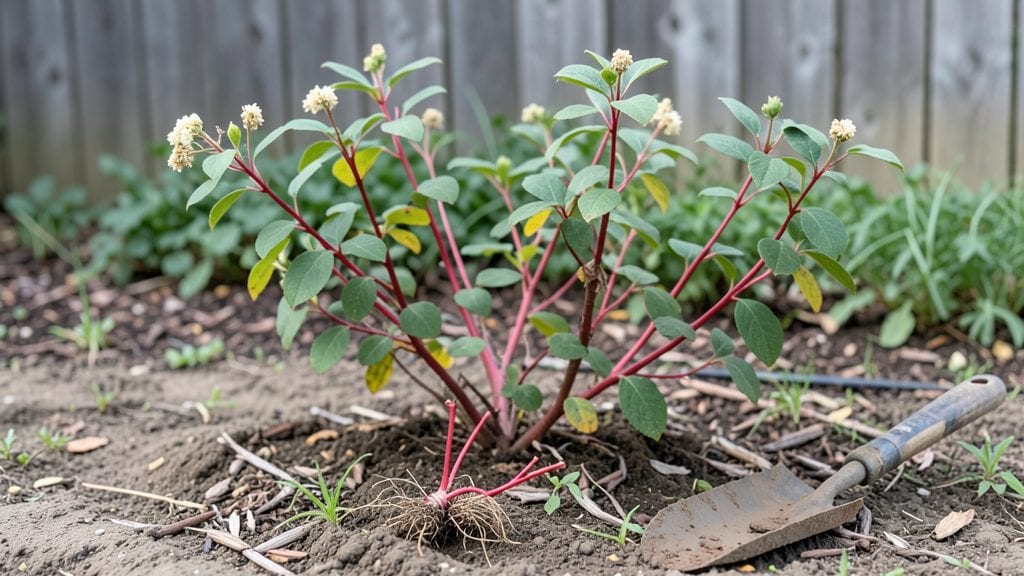
When planting red osier dogwood, think of it like giving each shrub its own personal space to stretch out—too close, and they’ll compete for nutrients, leading to weak stems and poor color vibrancy. 🌿 I’ve noticed that the 4-6 feet range isn’t just about aesthetics; it’s about letting roots spread freely while ensuring sunlight reaches all parts of the shrub, especially the lower branches that produce those striking red stems in winter.
For hedges or screens, where density matters more than individual growth, 3-4 feet apart works perfectly—just be prepared to trim regularly to maintain that tight, uniform look.
Pro tip: If your soil drains poorly, add a few inches of compost during planting to encourage stronger root development and reduce stress on the shrubs.
💡 In This Article
- How Plant Spacing Affects Red Osier Dogwood Health
- Best Practices for Planting Red Osier Dogwood in Landscapes
How plant spacing affects red osier dogwood health
The science behind proper spacing for red osier dogwood (Cornus sericea) revolves around three critical factors: root competition, sunlight exposure, and airflow circulation. When plants are crowded too closely, their roots tangle and compete for water and nutrients, leading to stunted growth and weaker stems.
Studies show that red osier dogwoods with 4-6 feet of spacing develop root systems that spread 3-4 feet wide and 2-3 feet deep, allowing them to access moisture and minerals efficiently without stress. 🌱
Sunlight penetration is equally crucial—these shrubs thrive in full sun to partial shade, but lower branches need direct light to maintain vibrant foliage and those signature red winter stems.
At 4 feet apart, sunlight reaches the base of the plant, while 6 feet apart ensures even light distribution for taller specimens. Overcrowding creates shaded "dead zones" where leaves yellow and stems weaken. Think of it like a forest canopy: too dense, and the understory suffers.
Airflow plays a hidden but vital role in disease prevention. Red osier dogwoods are susceptible to fungal issues like powdery mildew when humidity lingers. Proper spacing—especially the 6-foot minimum—creates airflow that dries foliage faster after rain, reducing fungal spores.
I’ve seen hedges planted at 3 feet apart develop mildew within 2-3 years unless pruned aggressively. The trade-off? Tighter spacing for screens requires regular trimming to maintain airflow.
For single plants or accent shrubs, 5-6 feet of spacing maximizes their natural spread while allowing each plant to develop its full 6-10 foot height and 4-6 foot width. This spacing also prevents the "dogwood decline" syndrome, where overcrowded plants weaken and become vulnerable to pests.
The key is mimicking their native wetland habitats, where they grow in loose clusters along stream banks—not packed tightly like a hedge.
When creating windbreaks or erosion control plantings, reduce spacing to 3-4 feet but accept that growth will be slower and more compact. Here, the priority shifts from individual health to collective impact—roots interlock to stabilize soil, while stems bend rather than break in storms.
For wildlife habitats, wider spacing (5+ feet) encourages bird nests and insect diversity by providing varied microclimates. 🌿
Pro tip: Measure spacing from the outer edge of the root ball, not the trunk. A 5-gallon container-grown dogwood needs 4 feet of space, while a 15-gallon specimen requires 6 feet. This accounts for the plant’s mature size and root zone expansion.