
Lawn
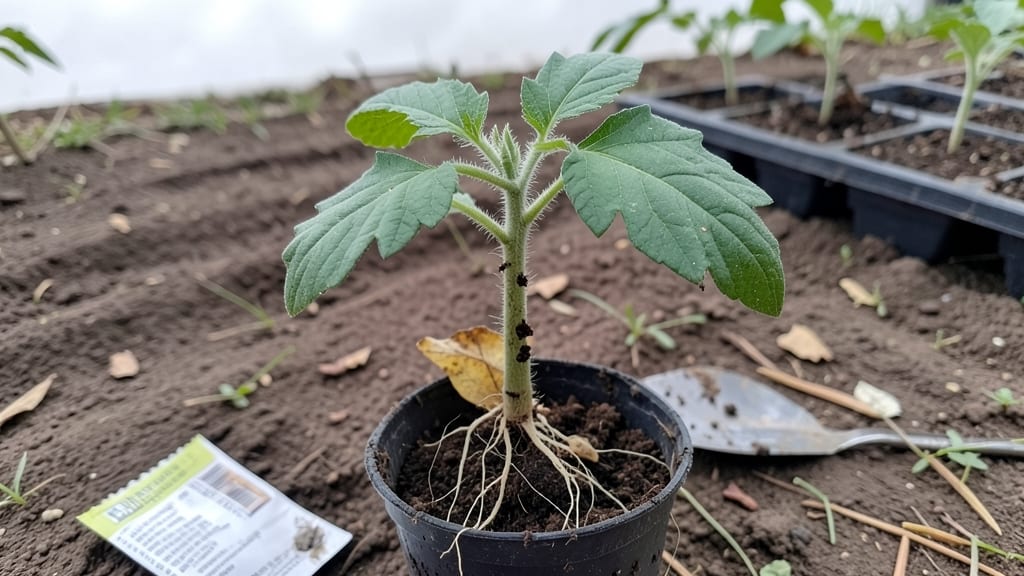
Mastering a seed planting schedule 🌱 is the difference between a thriving garden and a season of disappointment.
Timing is everything in gardening—plant your seeds too early, and they’ll rot; too late, and you’ll miss the harvest. This month-by-month seed planting schedule ensures your garden thrives all year long, whether you’re growing vegetables, flowers, or herbs.
For USDA Zone 6a, where last frost hits around April 15, knowing when to start seeds indoors versus direct sowing can save you from costly mistakes. The wrong timing means wasted seeds, stunted growth, or even no harvest at all.
Below, I’ll break down the perfect planting windows for your region, plus pro tips to adjust for your microclimate—so you can grow with confidence, not guesswork.
Seed planting schedule by month: what to plant when
Mastering a seed planting schedule transforms guesswork into a thriving garden. Whether you're in USDA Zone 3 or Zone 10, aligning your planting with the seasons ensures healthy growth and bountiful harvests.
Cool-season crops like spinach and kale thrive in early spring, while tomatoes and peppers need warm soil to germinate. Let’s break it down by month so you never miss a planting window again.
Your last frost date is the golden rule—most cool-season crops should be planted 4-6 weeks before it, while warm-season crops wait until 2 weeks after. Check your local frost-free days (typically 165 days in Zone 6a) to adjust timelines.
For example, in Zone 5, start peas in early April, but hold off on cucumbers until late May. Regional adjustments matter: Southern gardeners can plant earlier, while Northerners may need to start seeds indoors.
Here’s your month-by-month guide, tailored for USDA Zones 3-10. Use this as a roadmap, but always cross-reference with your seed packet instructions—some varieties, like basil, have specific heat or cold tolerances.
🌱
| Month | Cool-Season Crops | Warm-Season Crops | Notes |
|---|---|---|---|
| February | Spinach, Lettuce, Peas, Onions | Start Indoors: Tomatoes, Peppers, Eggplants | Direct sow in Zones 7-10; start seeds indoors in colder zones. |
| March | Carrots, Radishes, Kale, Broccoli | Harden off indoor starts (tomatoes, peppers) | Soil should be 40°F+ for cool crops; wait for 50°F+ for warm crops. |
| April | Cabbage, Beets, Swiss Chard | Plant outdoors: Basil, Cucumbers, Squash | Wait until 2 weeks after last frost for warm crops. |
| May | Succession plant: Lettuce, Radishes | Plant: Corn, Beans, Okra | Soil should be 60°F+ for warm crops. |
| June | N/A (Hot weather) | Plant: Sweet Potatoes, Southern Peas | Focus on heat-loving crops; mulch to retain moisture. |
| July | N/A (Hot weather) | Succession plant: Bush Beans, Zucchini | Avoid planting in Zone 3-5; focus on harvest. |
| August | Start cool crops indoors | Plant: Kale, Collards, Turnips | Prepare for fall planting; soil temps drop first. |
| September | Carrots, Radishes, Spinach | Plant: Broccoli, Cauliflower | Aim for harvest before first frost. |
| October | Peas, Lett
Key factors that affect your seed planting timelineDetermining the perfect time to plant seeds isn't just about checking a calendar—it's a science that balances local climate, soil conditions, and plant requirements. Even experienced gardeners can misjudge timing, leading to stunted growth or wasted seeds. Understanding these key factors will help you align your planting schedule with nature's rhythm for the best results. Your first step should always be checking your last frost date, which marks the average final frost in spring. This date varies dramatically across regions—from late April in USDA Zone 5 to early March in Zone 10. For example, if you're in Zone 7 with a last frost date of April 15, you'll need to adjust planting times for heat-loving plants like tomatoes, which shouldn't go in until soil temperatures reach 60°F. ⚠️ Critical Warning: Don't Plant Too Early!Planting seeds before the soil warms enough can lead to rot, poor germination, or even seed death. For instance, cucumbers and peppers need soil temperatures above 70°F—planting them in 50°F soil will stall growth. Always verify your seed packet instructions and use a soil thermometer to confirm readiness. Beyond frost dates, daylight hours play a crucial role in seed germination. Many plants, like lettuce and spinach, thrive with longer daylight in spring, while others, such as sunflowers, need shorter days to flower. If you're starting seeds indoors, use grow lights to supplement natural light—especially in northern climates where daylight is limited in early spring. Another often-overlooked factor is your garden's microclimate. A south-facing bed warms up faster than a north-facing one, and slopes or urban areas can create pockets of heat. For example, my raised beds near a brick wall stay 10°F warmer than the rest of my yard, allowing me to plant warm-season crops like basil a week earlier. Observe your garden's unique conditions over time to fine-tune your schedule. Seed packets provide days-to-germination and maturity estimates, but these are averages. For instance, a packet might say 60 days to harvest for zucchini, but in cooler climates, it could take 75 days. To compensate, start seeds indoors 4-6 weeks before your last frost date or choose faster-maturing varieties like 'Eight Ball' zucchini, which matures in just 45 days. Finally, don't ignore moon phases if you're planting root crops like carrots or potatoes. While not scientifically proven, many gardeners swear by planting during the waxing moon for stronger roots. Pair this with your frost dates, soil temps, and daylight hours, and you'll create a planting timeline that works for your garden's unique conditions. |