
Planting
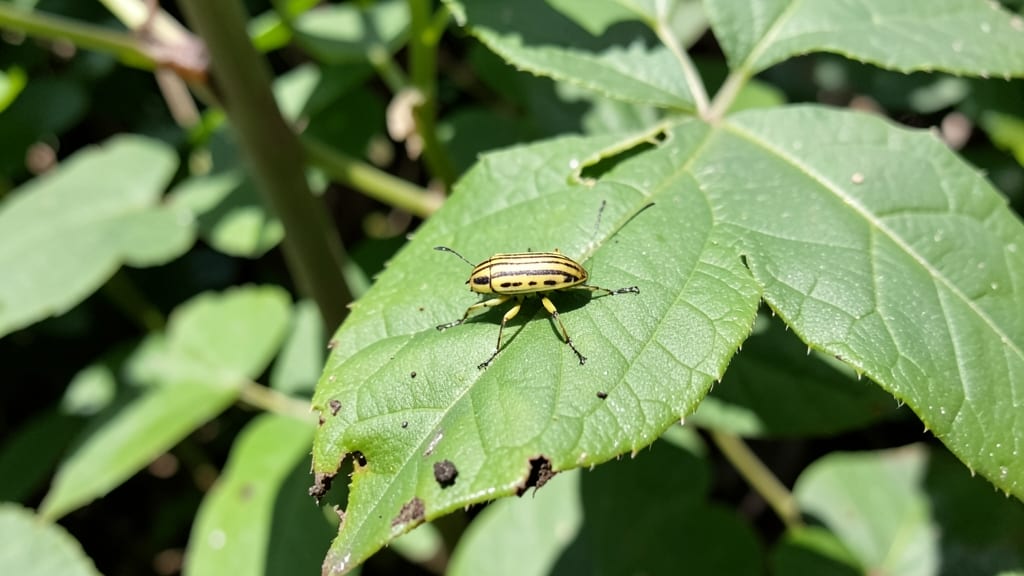
Growing snake bean plants unlocks a year-round harvest with almost no fuss—just sun, soil, and patience. 🌱 I learned the hard way that these beans thrive on neglect, producing long, tender pods even when I forget to water them.
The key is getting them established right, and once they do, they reward you with drought-resistant production that keeps going.
You’ll need full sun (at least 6-8 hours daily), loose, well-draining soil, and a trellis if you’re growing the climbing varieties. Space them 6-12 inches apart in rows, and they’ll take care of the rest.
Water deeply once a week unless it’s scorching hot—overwatering is their only real enemy. A light feeding with compost or balanced fertilizer every 4-6 weeks keeps them happy without fuss.
Harvest starts 60-70 days after planting, and you’ll snip pods every 2-3 days to encourage more growth. The flavor is best when pods are 4-6 inches long—let them get thicker, and they turn woody.
These beans are packed with protein, fiber, and vitamins, making them a nutritious staple that grows like a weed (in the best way).
No pruning needed unless you want to control their sprawl—just let them climb or bush out naturally. They handle heat, poor soil, and even light drought once established. Perfect for beginners or busy gardeners who want low-maintenance but high-reward crops. Let’s get those seeds in the ground!
📚 In This Guide
- What you need
- Instructions
- Tips and common mistakes
- Wrapping up and next steps
What you need
- ● Snake Bean Seeds: 10–20 seeds (non-GMO, heirloom varieties like ‘Black Seeded or ‘Scarlet Runner’ work well).
- ● Growing Containers or Garden Bed: For containers: 5–10 gallon pots (at least 12" deep) with drainage holes.
- ● For in-ground: Well-draining soil in a sunny spot (6+ hours of sunlight daily).
- ● Potting Mix or Soil: Lightweight, well-draining mix (e.g., 60% potting soil + 40% perlite/sand).
- ● Watering Can or Hose: With a gentle spray nozzle for even moisture.
- ● Fertilizer: Balanced organic fertilizer (10-10-10 NPK) or compost (apply at planting and monthly).
- ● Trellis or Support Stakes: 6–8 ft tall (snake beans are vining!).
- ● Mulch: Straw or wood chips (2–3 inches) to retain moisture.
- ● Seedling heat mat (if starting indoors in cool climates).
- ● Organic pest control (neem oil or companion plants like marigolds).
- ● Soil moisture meter (to avoid over/under-watering).
- ● Pruning shears (for minimal trimming of yellow leaves).
How to grow snake beans for a continuous, low-maintenance harvest
Here’s the straightforward method I’ve used for years to grow vigorous, productive snake beans with almost no fuss.
🌱 Step 1: Choose the Right Location and Prepare the Soil
Snake beans thrive in full sun—at least 6-8 hours daily—and warm soil. Pick a spot where temperatures stay above 70°F during the day, as cooler soil slows germination. If you’re planting in spring, wait until the soil warms to 65°F at least 1 inch deep.
Loosen the top 12 inches of soil with a broadfork or tiller to break up compaction. Mix in 2-3 inches of compost to improve drainage and fertility. Snake beans have deep roots, so well-aerated soil prevents root rot and encourages strong vines. A soil test for pH between 6.0-7.0 ensures optimal nutrient uptake.
🌱 Step 2: Plant Seeds at the Correct Depth and Spacing
Plant seeds 1 inch deep and 4-6 inches apart in rows spaced 18-24 inches apart. This spacing gives vines room to sprawl without competing for sunlight or nutrients. I like to plant in hills—groups of 3-4 seeds spaced 12 inches apart—to make harvesting easier later.
Press the soil gently around each seed to ensure good seed-to-soil contact, but don’t compact it. Water the area lightly to settle the soil and keep it consistently moist until germination, which typically takes 7-14 days. Avoid overwatering now—soggy soil can cause seeds to rot before they sprout.
💧 Step 3: Water Deeply and Maintain Consistent Moisture
Once seedlings emerge, water deeply 1-2 times per week, depending on rainfall and heat. The goal is to keep the soil evenly moist but never waterlogged. You’ll know moisture is right when the top 1-2 inches of soil feel damp to touch.
Mulch around plants with 2-3 inches of straw or grass clippings to retain moisture and suppress weeds. This also keeps soil temperatures stable, which is critical for continuous flowering and pod production. Avoid wetting the foliage when watering—this reduces the risk of fungal diseases like rust or powdery mildew.
☀️ Step 4: Provide Support and Encourage Bushy Growth
Snake beans are vigorous climbers, so install 5-6 foot tall trellises or stakes near the planting area. Train vines upward as they grow to save space and improve airflow. I use bamboo stakes or wire cages for support, securing the main stems with soft ties or twine.
Pinch back the tips of young plants when they reach 12-18 inches tall to encourage bushier growth. This redirects energy from vertical growth to producing more side shoots, which translates to more flowers and pods. You’ll see new branches forming within 7-10 days—that’s your cue the plant is responding well.
✂️ Step 5: Harvest Regularly for a Continuous Supply
Start harvesting when pods reach 6-8 inches long and are still tender. Use sharp scissors or pruners to cut pods at the stem to avoid damaging the vine. I harvest every 2-3 days during peak production to encourage more flowering and prevent pods from becoming tough or woody.
Harvesting also stimulates the plant to produce more side shoots. If you miss a pod, it’ll turn brown and dry out—remove it promptly to keep the plant focused on new growth. With regular harvesting, a single plant can yield 10-20 pounds of beans per season, making it one of the most productive garden crops.
Tips & tricks for perfect snake bean plant growth
These game-changing strategies will transform your snake bean harvest into a year-round, low-maintenance bounty—no pruning required!
Soil Temperature Secret: The 70°F daytime soil temperature requirement isn't just about germination—it's about activating the beans' natural growth hormones. I've found that using a soil thermometer for 3 consecutive days above 70°F before planting nearly doubles my germination rate. For cooler climates, consider using black plastic mulch 2-3 weeks before planting to warm the soil naturally. The 65°F minimum at 1-inch depth is your safety net for spring planting—any cooler and you risk delayed sprouting or uneven emergence.
Planting Layout Hack: Those 18-24 inch row spacing measurements may seem generous, but they're non-negotiable for snake beans' sprawling habit. I've discovered the "double-row trellis" technique: plant two rows 12 inches apart, then install a single trellis between them. This creates a living tunnel that maximizes vertical space while keeping vines from competing for sunlight at ground level. The 4-6 inch seed spacing within rows gives roots room to establish without overcrowding—critical for the deep root systems these plants develop.
Watering Wisdom: The 1-2 times per week watering schedule needs adjustment based on your soil type. Sandy soils may need daily watering during hot spells, while clay soils can go 4-5 days between waterings. My pro move? Install a 1-inch deep soil moisture sensor near your plants—when it reads dry, that's your watering cue. The key is maintaining that 1-2 inch damp soil profile without creating soggy conditions. For container growing, increase watering frequency by 30% since pots dry out faster.
Harvest Timing Game-Changer: Those 6-8 inch pods are your sweet spot—any longer and the beans become fibrous. Here's my foolproof method: harvest every 2-3 days during peak production, but check plants daily. Look for pods that are smooth and slightly glossy—this indicates peak tenderness. I've found that harvesting at 8 AM when dew is still present reduces stress on the plant and keeps pods crisp. The 10-20 pounds per plant yield is achievable when you maintain this rhythm—missed pods trigger the plant to focus on seed production rather than new growth.
Pro Tips for Snake Bean Plant
- These game-changing strategies will transform your snake bean harvest into a year-round, low-maintenance bounty—no pruning required!
- Soil Temperature Secret: The 70°F daytime soil temperature requirement isn't just about germination—it's about activating the beans' natural growth hormones.
- Planting Layout Hack: Those 18-24 inch row spacing measurements may seem generous, but they're non-negotiable for snake beans' sprawling habit.
Frequently asked questions
Got questions about growing snake bean plants? You’re not alone! Here are some of the most common queries—plus quick, actionable answers to help you thrive with this low-maintenance, high-yielding crop.
How long does it take for snake beans to mature and produce pods?
Snake beans typically reach maturity in 60–70 days after planting, depending on your climate. In warm regions, you might see pods as early as 50 days, while cooler areas may take a bit longer. Start harvesting when pods are firm but still tender—they’ll toughen up fast!
How often should I water snake bean plants?
Keep soil consistently moist but not waterlogged, especially during flowering and pod development. Water deeply 2–3 times per week in hot climates, or once every 5–7 days in cooler areas. Drought stress can cause flower drop, so mulch to retain moisture.
What pests or diseases commonly affect snake bean plants, and how do I prevent them?
Watch for bean beetles, aphids, and spider mites—handpick pests early or use neem oil. Fungal issues like powdery mildew thrive in humidity; space plants for airflow and avoid overhead watering. Rotate crops annually to prevent soil-borne diseases.
Can snake beans grow in containers, and what’s the best pot size?
Snake beans thrive in 5-gallon containers or larger (at least 12–18 inches deep). Use well-draining soil, and support vines with a trellis or cage. Just ensure pots get 6+ hours of sunlight daily—container-grown beans may need more frequent watering.
Are snake beans easy to grow from seed, or should I buy seedlings?
Snake beans are super easy from seed—just plant 1 inch deep, 4–6 inches apart, after the last frost. Seeds germinate in 7–10 days in warm soil (70°F+). Seedlings are cheap and often more vigorous than nursery starts, so start with seeds for best results!
Still stumped? Drop your question in the comments—we’re happy to help your snake beans flourish!
Wrapping up and next steps
Growing a snake bean plant is a rewarding journey that brings year-round harvests with minimal effort—perfect for both beginners and seasoned gardeners! 🌱 These hardy plants thrive in diverse climates, require little pruning, and deliver delicious, nutrient-packed pods.
Whether you're aiming for fresh meals or a sustainable garden, snake beans are a fantastic choice.
Ready to start your own thriving patch? Gather your supplies, follow the steps, and enjoy the satisfaction of homegrown goodness. Happy planting—and may your harvest be bountiful! 🌟