
Planting
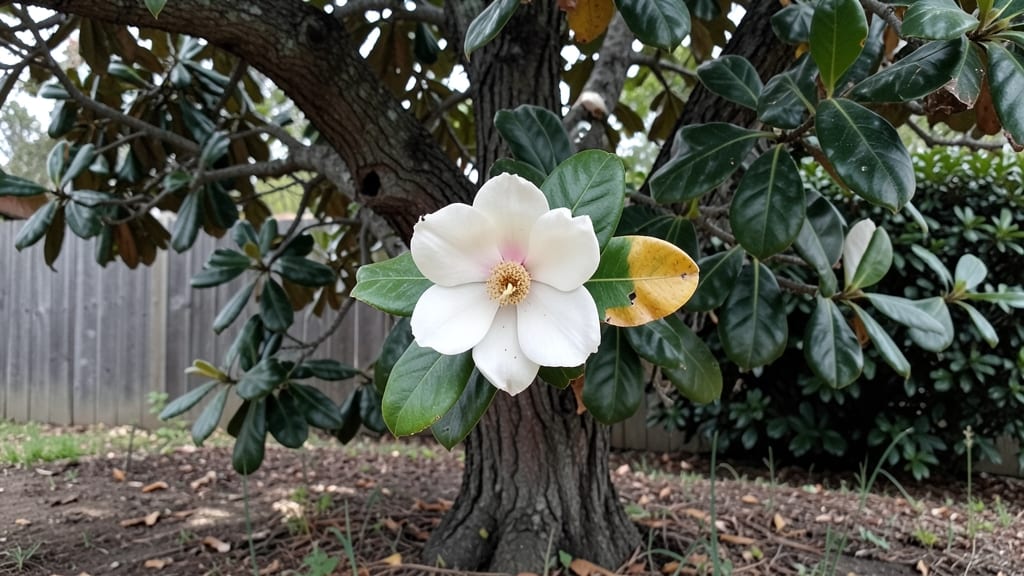
Planting a magnolia flower plant means bringing that intoxicating spring fragrance right to your yard—though I’ve learned the hard way that these slow-growers demand patience, not constant fussing. 🌿 Their glossy leaves and dramatic blooms make them worth the wait, but most gardeners overwater or prune at the wrong time, stunting their growth.
The key is getting the soil, sunlight, and spacing right from day one, then stepping back and letting nature handle the rest.
Magnolias thrive in well-draining, slightly acidic soil with 6-8 hours of sunlight daily, though they tolerate partial shade in hotter climates. I’ve seen them flourish in zones 4-9, but southern varieties like Magnolia grandiflora handle heat better than northern types.
The real secret? Amulching layer keeps roots cool and moist without drowning them—critical after planting, when roots are most vulnerable.
By year three, your magnolia will reward you with foot-wide blooms that smell like a Southern spring morning. Prune only to shape (never to encourage blooms—these plants flower on old wood), and watch as neighbors pause to sniff the air when flowers open.
The trade-off? They grow 1-2 feet per year, so plan ahead if you want shade or privacy soon.
Winter care is simple: mulch heavily in colder zones, but avoid smothering the base. And if you’re tempted to fertilize annually, resist—magnolias hate rich soil and will reward you with fewer blooms. Instead, focus on consistent moisture and occasional pruning to open the canopy for better air flow.
📚 In This Guide
- What you need
- Instructions
- Tips and common mistakes
- Wrapping up and next steps
What you need
- ● Magnolia plant: Choose between a container-grown (1–3 gallon pot) or bare-root plant (dormant season only). Popular varieties include Magnolia grandiflora (southern magnolia) or Magnolia stellata (star magnolia).
- ● Well-draining soil: 2–3 bags of acidic, loamy soil mix (pH 5.0–6.0). Amend with peat moss or pine bark (1 part per 2 parts soil) for optimal drainage.
- ● Planting hole: Dig a hole twice as wide and slightly shallower than the root ball.
- ● Organic mulch: 2–3 inches of pine straw, wood chips, or shredded bark to retain moisture and regulate soil temperature.
- ● Fertilizer: Slow-release granular fertilizer (10-10-10 or 8-3-9) or organic compost (1 cup per plant). Avoid high-nitrogen fertilizers.
- ● Watering can or hose: With a gentle spray nozzle for deep watering.
- ● Garden gloves: To protect hands while handling soil or roots.
- ● Pruners: Clean, sharp bypass pruners (for minimal trimming if needed).
- ● Soil pH tester: To confirm acidity levels before planting.
- ● Epsom salt: (1 tbsp per gallon of water) for magnesium boost in yellowing leaves.
- ● Plant support: Stakes or a small cage for young, top-heavy varieties like Magnolia liliiflora.
- ● Drip irrigation system: For automated watering in dry climates.
- ● Fungicide: Copper-based or neem oil spray (preventative measure for fungal diseases).
Step-by-step guide to planting and caring for magnolias
Magnolias reward patience with stunning blooms and minimal fuss—here’s how to set them up for long-term success.
🌱 Step 1: Select the Perfect Planting Site
Magnolias thrive in partial shade to full sun, but their exact needs depend on your climate. In hotter regions, they’ll appreciate morning sun and afternoon shade to prevent leaf scorch. I always test the spot by observing how much direct sunlight it gets between 10 AM and 2 PM—this is the critical window for avoiding stress.
Choose a location with well-draining soil—magnolias hate soggy roots. If your soil is heavy clay, amend it with 2-3 inches of compost mixed into the top 12 inches of soil. The planting hole should be twice as wide as the root ball but no deeper, as magnolias prefer to sit slightly above ground level. This encourages strong root growth and prevents waterlogging.
🪴 Step 2: Plant With Care to Avoid Root Damage
Remove the magnolia from its container and gently loosen the roots if they’re circling. I like to tease them apart with my fingers—this prevents girdling as the tree matures. Place the root ball in the hole so the top of the roots sits 1-2 inches above the surrounding soil level. Fill the hole with the native soil, pressing lightly to eliminate air pockets but avoiding compaction.
Water deeply right after planting to settle the soil and eliminate air gaps around the roots. Use 5-10 gallons of water, depending on the tree’s size, and let it soak in completely. Mulch the base with 2-3 inches of organic mulch (like pine straw or shredded bark), keeping it 6 inches away from the trunk to prevent rot. This mulch layer helps retain moisture and regulates soil temperature.
☀️ Step 3: Water Consistently During Establishment
For the first 12-18 months, magnolias need deep, infrequent watering—about once a week during dry spells. Check moisture by sticking your finger 2-3 inches into the soil; if it feels dry, it’s time to water. Overwatering is a common mistake—magnolias are drought-tolerant once established, and soggy soil invites root rot.
I water slowly at the base, avoiding the foliage, to prevent fungal diseases. A drip irrigation system or soaker hose works best, delivering water directly to the root zone. During the first growing season, you’ll see new leaves emerge—this is your signal that the tree is settling in and developing a strong root system.
✂️ Step 4: Prune Only When Necessary
Magnolias are low-maintenance, but pruning at the right time ensures healthy growth. The best time to prune is late winter or early spring, just before new growth begins. Remove dead, diseased, or crossing branches first—these are easy to spot as they lack buds or have dark, mushy wood. Cut back to a healthy branch or bud, making the cut at a 45-degree angle just above it.
Never prune in late summer or fall, as this encourages tender new growth that won’t harden off before winter. If you must shape the tree, limit pruning to no more than 25% of the canopy in a single season. Magnolias bloom on old wood, so aggressive pruning can reduce—or even eliminate—next year’s flowers. I promise, a little restraint goes a long way.
🌿 Step 5: Fertilize Lightly for Long-Term Health
Young magnolias benefit from a balanced, slow-release fertilizer applied in early spring. Use a 10-10-10 or 20-20-20 formula at half the recommended rate to avoid burning the roots. Spread the fertilizer 6 inches away from the trunk and water it in deeply. Over-fertilizing leads to weak, leggy growth and fewer blooms—magnolias prefer a steady diet over feast-and-famine cycles.
Once established (after 3-4 years), magnolias rarely need fertilizer unless the soil is particularly poor. I check for signs of deficiency—yellowing leaves or stunted growth—before adding any amendments. A thin layer of compost worked into the soil every 2-3 years is usually enough to keep them thriving.
Tips & tricks for perfect magnolia planting
Here's what I've learned after planting and nurturing magnolias for years—these little details make all the difference between a struggling sapling and a thriving, fragrant beauty.
The Sunlight Test: That 10 AM to 2 PM window is your best friend for determining the perfect spot. I've seen gardeners overestimate shade—if the area gets more than 4 hours of direct afternoon sun in summer, your magnolia will develop sunburned leaves. Test your spot for a full week before planting to be absolutely certain. The leaves should show no signs of stress during this critical heat period.
Root Ball Positioning: The 1-2 inches above ground level rule isn't just about aesthetics—it's about survival. Magnolias are particularly vulnerable to root rot, and this slight elevation prevents water from pooling around the base. I've lost two magnolias to soggy roots before I learned this trick. Also, make sure the root ball sits perfectly centered in the hole—any tilt can cause uneven water distribution and stress.
Watering Wisdom: Those 5-10 gallons of water right after planting aren't just for show—they're about creating proper soil contact. Pour slowly as you fill the hole, letting the water percolate through layers. This ensures no air pockets remain around the roots. For the first 12-18 months, I set a reminder on my phone for weekly watering—consistency is more important than exact timing during dry spells. The soil should be moist but never soggy at the 2-3 inch depth.
Pruning Precision: That 45-degree angle cut isn't arbitrary—it helps water run off the cut and prevents disease. I always sterilize my pruners with rubbing alcohol between cuts to avoid spreading pathogens. And remember, the 25% canopy rule is strict. I've seen gardeners get carried away and end up with no flowers the next season. When in doubt, leave it—magnolias are forgiving but not infinite.
Pro Tips for Magnolia Flower Plant
- Here's what I've learned after planting and nurturing magnolias for years—these little details make all the difference between a struggling sapling and a thriving, fragrant beauty.
- The Sunlight Test: That 10 AM to 2 PM window is your best friend for determining the perfect spot.
- Root Ball Positioning: The 1-2 inches above ground level rule isn't just about aesthetics—it's about survival.
Frequently asked questions
Got questions about growing and caring for your magnolia flower plant? You’re not alone! Here are some of the most common queries—and their easy-to-follow answers to keep your fragrant beauty thriving.
How often should I water my magnolia tree?
Young magnolias need deep watering 1-2 times per week, while established trees thrive with 1 inch of water weekly (rain counts!). Overwatering is a common mistake—always check soil moisture before watering. Mulch helps retain moisture and protect roots.
When is the best time to prune a magnolia?
Prune right after flowering (late spring/early summer) to avoid cutting off next year’s blooms. Avoid heavy pruning in fall or winter, as magnolias are sensitive to cold stress. Use clean, sharp tools and sanitize cuts to prevent disease.
Can I grow a magnolia in a pot?
Yes! Dwarf varieties like ‘Little Gem’ or ‘Black Tulip’ thrive in containers. Use a well-draining mix with compost and a pot at least 18 inches wide. Move pots indoors (or to a sheltered spot) if temps drop below 15°F (-9°C).
Why are my magnolia leaves turning yellow?
Yellow leaves often signal overwatering, nutrient deficiency, or fungal issues. Check for:
- Root rot: Ensure proper drainage.
- Iron deficiency: Apply chelated iron or use acidic fertilizer.
- Powdery mildew: Prune affected branches and spray with neem oil.
Adjust care based on the cause!
Do magnolias attract pollinators?
Magnolias are early-season pollinator magnets, especially for bees and butterflies. Their fragrant, creamy-white blooms appear before many other flowers, making them a critical food source in spring. Plant them near pollinator gardens for extra buzz!
Wrapping up and next steps
Growing a magnolia flower plant is a rewarding journey—its stunning blooms and minimal pruning needs make it a dream for both beginners and seasoned gardeners! 🌸 With the right soil, sunlight, and a little patience, you’ll soon enjoy fragrant, show-stopping flowers that bring elegance to any space.
Whether you’re planting in containers or your garden, every step you take brings you closer to that magical first bloom.
Ready to dive in? Start by gathering your supplies and choosing the perfect spot—then watch your magnolia thrive! What’s your favorite type of magnolia? Share your progress in the comments! 🌿