
How To
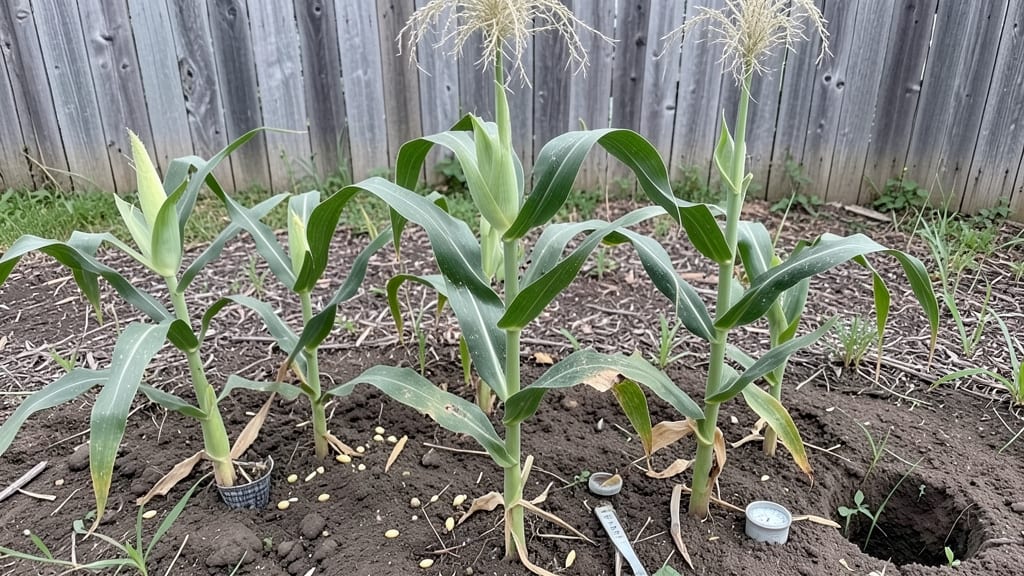
Planting corn at the right soil temperature makes all the difference between eager sprouts and stubborn seeds—50°F is the magic number where germination kicks into high gear within five days. 🌱 I’ve watched corn seeds sit for weeks in cool soil, only to burst into life when the ground finally warms up.
The secret isn’t just waiting for spring; it’s knowing exactly when your soil is ready to cooperate.
Most gardeners in the Northern U.S. wait until late spring when soil consistently hits 55-65°F, but Southern gardeners can start earlier—sometimes as soon as March. A simple soil thermometer (just $10 at any garden store) takes the guesswork out of it.
Stick it in the ground at planting depth—about 2 inches deep—and check in the morning for accuracy. If it’s below 50°F, hold off; if it’s above 65°F, you might need shade cloth to prevent stress on young seedlings.
Once the temperature is right, your corn seeds will shoot up in 3-5 days, with the first true leaves appearing in about 10 days. The payoff? Stronger stalks, deeper roots, and ears that fill out instead of struggling.
Even in cooler zones, a black plastic mulch or row covers can warm the soil enough to shave a week off your planting timeline. The key is patience—rushing too early leads to weak plants, but waiting too long risks late-season pests.
This works for both backyard gardens and large fields, though container growers should use heated mats if their soil stays stubbornly cool. Northern Hemisphere gardeners should aim for after the last frost, while Southerners might plant as early as February in mild winters.
The goal is simple: warm soil, happy germination.
📚 In This Guide
- What you need
- Instructions
- Tips and common mistakes
- Wrapping up and next steps
What you need
- ○ Soil thermometer – A digital or analog thermometer with a probe depth of at least 2 inches (soil temp should be 50–60°F (10–15°C) for planting). Optional upgrade: A logging thermometer to track trends over time.
- ● Corn seeds – Choose fast-germinating varieties (e.g., ‘Silver Queen’ or ‘Golden Bantam’) if you’re in a cooler climate. Quantity: ~12–15 seeds per foot of row (thin later to 6–8 inches apart).
- ● Garden trowel or planting dibber – For making precise, shallow holes (depth: 1–1.5 inches).
- ● Compost or well-aged manure – 1–2 gallons per 10 feet of row to enrich soil and retain moisture.
- ● Garden hose or watering can – Keep soil consistently moist (not soggy) until germination.
- ● Row marker or stakes – To mark planting rows and spacing (especially helpful in large gardens).
- ● Mulch (straw, grass clippings, or black plastic) – Helps retain soil warmth and moisture after planting.
- ● Sunny planting site – Corn needs 6+ hours of direct sunlight daily. Test your spot with a sunlight tracker if unsure.
- ● Soil test kit – Check pH (ideal: 6.0–7.0) and nutrient levels (corn loves nitrogen!). Adjust with lime or fertilizer if needed.
- ○ Seedling heat mat (optional) – Useful for cool climates to give seeds a 5–10°F boost in the early days.
- ● Planting calendar – Last frost date in your zone! Corn cannot tolerate frost, so time it right.
- ● Garden journal – Track soil temps, planting dates, and germination progress for future reference!
How to test and prepare soil for planting corn
Corn needs warmth to wake up—here’s how to check and optimize soil temperature for reliable germination.
🌱 Step 1: Measure Soil Temperature Accurately
Use a soil thermometer to check 6 inches deep—that’s where corn roots will grow first. The magic number is 60°F or warmer for germination to begin. I like to take readings in the late afternoon when soil is warmest, as morning temps can be misleadingly cool. If it’s below 55°F, corn seeds will rot in the ground instead of sprouting.
Corn won’t germinate well below 50°F, no matter how much you water. I’ve seen seeds sprout in 5 days at 65°F, but at 55°F, germination slows to 10-14 days. If your soil runs cooler than 60°F, wait it out—rushing planting leads to weak, stunted seedlings that never recover.
☀️ Step 2: Warm Up Cool Soil with Black Plastic or Mulch
If your soil is stubbornly cool, cover the planting area with black plastic mulch at least 1-2 weeks before planting. Black plastic absorbs heat like a solar panel, raising soil temps by 5-10°F in sunny climates. Secure the edges with rocks or soil to prevent wind from lifting it. For smaller gardens, use dark landscape fabric instead—it’s reusable and lets some moisture through.
Remove the plastic 24 hours before planting so the soil doesn’t overheat. You’ll notice the ground feels noticeably warmer to the touch after just a few days. If you’re in a northern climate, combine black plastic with a cold frame for extra warmth. Corn planted in 65°F+ soil germinates reliably in 5-7 days.
💧 Step 3: Water to Stabilize Temperature and Moisture
Corn seeds need moist, warm soil to germinate—dry soil cools faster and slows sprouting. Water the planting area 24 hours before sowing to stabilize temperature and ensure even moisture. Aim for 1 inch of water—enough to wet 6 inches deep without creating puddles. I use a soaker hose to avoid disrupting the soil surface, which can wash seeds away.
After planting, keep the soil consistently moist but not soggy until germination. A good rule: Water when the top 1-2 inches feel dry. Overwatering cools the soil too much, while underwatering lets it dry out and crack. If you see cracked soil, water lightly again—corn seeds need steady warmth, not temperature swings.
⏰ Step 4: Plant Only When Conditions Are Right
Wait until soil reaches at least 60°F and stays there for 3-5 consecutive days. I test this by planting a small batch of seeds as a trial—if they sprout within 7 days, the rest of your crop is ready to go. Corn planted in 55°F soil may take 10-14 days to germinate, leaving it vulnerable to pests and disease.
For early spring plantings, use row covers after germination to trap heat. Once seedlings reach 4 inches tall, remove covers to prevent overheating. Real talk: Don’t plant corn in cool soil just because the calendar says "spring." Your best bet is to wait—corn won’t forgive rushed starts.
🌿 Step 5: Monitor and Adjust for Long-Term Success
After germination, maintain soil temps between 65-85°F for optimal growth. If nights drop below 50°F, use row covers or straw mulch to insulate roots. I’ve seen corn plants wilting in heat when soil temps exceed 90°F—they need consistent warmth, not scorching.
Watch for yellowing leaves—this often signals soil too cold or too wet. If you see purple streaks on younger leaves, your soil might be too acidic (corn prefers 6.0-6.8 pH). Adjust with lime if needed, but focus first on getting that soil warm enough to grow.
Tips & tricks for perfect soil temperature when planting corn
Getting your soil just right can make the difference between a thriving corn crop and a disappointing failure. Here's what I've learned after years of trial and error in my own garden.
Timing is Everything: The 24-hour window before planting is critical. Whether you're removing black plastic mulch or watering the soil, give your garden time to adjust. I've seen seeds planted too soon after removing mulch struggle because the soil temperature spikes too quickly. The goal is to maintain that 60°F threshold—neither too hot nor too cold.
Visual Cues Matter More Than Numbers: While your soil thermometer is essential, learn to read your garden intuitively. When soil reaches 65°F, you'll notice condensation forming on the underside of black plastic mulch in the morning. At 55°F, the soil feels cool to the touch and may show signs of moisture condensation overnight. These visual cues help you adjust without constant thermometer checks.
Layered Warmth Strategy: For northern climates where soil stays stubbornly cool, combine black plastic mulch with a cold frame for an extra 10°F boost. I've seen this technique raise soil temperatures from 50°F to 65°F within 3-4 days. The key is to monitor temperatures daily—once you hit that sweet spot, remove the cold frame to prevent overheating above 85°F.
Nighttime Protection: After germination, don't overlook nighttime temperature drops. When nights dip below 50°F, use row covers to create a microclimate that maintains warmth. I've seen young corn seedlings recover from 45°F nights with proper insulation, while uncovered plants showed stunted growth. The goal is to keep roots in that 65-85°F range consistently.
Pro Tips for Soil Temp For Planting Corn
- Getting your soil just right can make the difference between a thriving corn crop and a disappointing failure.
- Timing is Everything: The 24-hour window before planting is critical.
- Visual Cues Matter More Than Numbers: While your soil thermometer is essential, learn to read your garden intuitively.
Frequently asked questions
Got questions about getting your corn seeds off to the right start? Here are some of the most common concerns—and their answers—to help you plant with confidence!
What’s the ideal soil temperature range for planting corn?
The sweet spot for corn germination is 50–60°F (10–15°C). Below 50°F, seeds may rot; above 60°F, they’ll sprout faster but risk drying out. Use a soil thermometer (inserted 2 inches deep) to check daily—morning readings are most accurate!
How long does it take corn to germinate at different soil temps?
Germination speeds up with warmth:
- 50°F (10°C): 10–14 days
- 59°F (15°C): 5–7 days (ideal!)
- 68°F (20°C+): 3–5 days (but monitor moisture)
Can I plant corn too early if the soil is warm enough?
Yes—but with caution! Corn seeds need consistent warmth (not just a brief spike). If nights dip below 40°F (4°C), germination stalls. Wait until soil temps stay above 50°F for 5+ days to avoid wasted seeds or slow starts.
What if my climate has unpredictable soil temps?
Try these strategies:
- Use warm-season cover crops (like buckwheat) before planting to heat the soil.
- Plant in raised beds—they warm up faster than flat ground.
- Choose early-maturing varieties (e.g., ‘Early Sunglow’) for cooler regions.
My corn seeds aren’t sprouting—what went wrong?
Check these common culprits:
- Too cold: Soil <50°F? Wait a week and replant.
- Too wet: Waterlogged soil cuts oxygen. Improve drainage.
- Old seeds: Corn loses viability after 2 years—test germination.
- Poor contact: Seeds need firm soil contact. Replant if loose.
Wrapping up and next steps
Planting corn at the right soil temperature—typically between 50°F and 60°F—is the secret to fast germination and a thriving crop. 🌱 With patience and the right tools, you’ll see those first sprouts emerge in just 5 days, setting the stage for a bountiful harvest.
Now that you’re armed with the knowledge, grab your soil thermometer, check those temps, and get ready to sow your seeds with confidence!
💡 Next step: Mark your calendar for your region’s ideal planting window and start prepping your soil—your corn is waiting!