
Planting
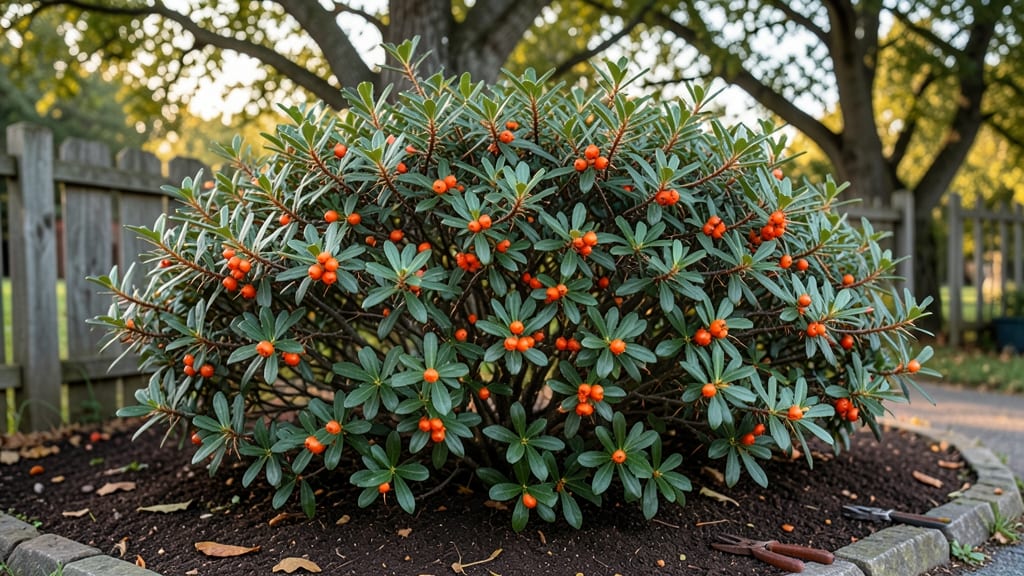
A spiky bush plant like holly or barberry transforms dull borders into dramatic focal points with minimal effort. I’ve used these tough shrubs to create wildlife-friendly barriers that stay lush even when I forget to water them.
Their sharp leaves deter deer and rabbits while adding architectural interest that soft flowers can’t match.
These plants thrive as privacy screens, hedges, or standalone specimens, offering year-round structure. Pair them with evergreens like boxwood for contrast or let their natural form shine in a mixed border. The berries on pyracantha or holly add seasonal color, while barberry’s golden foliage brings warmth to shady spots.
Once established, they require almost no maintenance—just an occasional trim to keep them shaped. The trade-off? Their thorns mean gloves are a must when pruning. For a bold, low-fuss garden statement, these shrubs deliver texture, color, and resilience without the fuss.
Perfect for formal gardens, cottage-style borders, or even urban landscapes where space is tight. Let’s explore how to place them for maximum impact while keeping upkeep simple.
Why Plants Develop Spiky Growth
If your spiky bush plant is suddenly looking like a porcupine, don’t panic—it’s often a natural response to its environment. Understanding the root causes can help you adjust care strategies to keep your plant thriving while embracing its bold, textured appeal. Here’s why those sharp spikes might be appearing:
Some plants, like Agave, Yucca, or Holly, are hardwired to grow spikes as a survival mechanism. These spikes serve as:
- 🛡️ Defense against herbivores – Animals avoid thorny plants, reducing damage.
- ☀️ Sun protection – Dense foliage with spikes can shield leaves from excessive sunlight.
- 🌿 Structural support – Tall, spiky growth helps stabilize weak stems in windy conditions.
Actionable tip: If you love the look, lean into it! Many spiky plants are drought-tolerant and perfect for low-maintenance gardens. Just choose varieties bred for your climate.
Plants communicate stress through physical changes—including spikes. Common triggers include:
| Stress Factor | Why It Causes Spikes | How to Fix It |
|---|---|---|
| 💦 Underwatering | Drought stress triggers thick, waxy leaves and sharp edges to conserve moisture. | Check soil moisture weekly; water deeply but infrequently. |
| 🌡️ Extreme Heat | High temperatures cause leaf curling and spine development to reduce water loss. | Provide afternoon shade; mulch to retain soil moisture. |
| ❄️ Cold Shock | Frost damage can lead to abnormal growth patterns, including thorns. | Use frost cloth in winter; choose cold-hardy varieties. |
| 🌱 Overcrowding | Competition for sunlight/nutrients forces plants to grow taller, spikier to reach light. | Prune neighboring plants; thin out dense areas. |
When bugs or pathogens attack, plants ramp up defensive structures—including spikes. Look for:
- 🐜 Sap-sucking pests (aphids, scale) – Cause distorted growth and thorny regrowth.
- 🍄 Fungal infections (powdery mildew) – Stress weakens plants, leading to abnormal spikes.
- 🐞 Root damage (grubs, nematodes) – Stunted growth triggers compensatory spiky shoots.
Actionable tip: Inspect leaves/stems for holes, webbing, or discoloration. Treat pests with neem oil or insecticidal soap; improve drainage to prevent fungal issues.
Spiky growth isn’t always a problem—it’s often a sign of resilience! By identifying the cause, you can either adapt your care or embrace the dramatic texture in your landscape design. 🌵✨
Fixing Your Thorny Landscape Challenges
Got a spiky bush plant that’s gone rogue? Whether it’s overgrown, invasive, or just not behaving as expected, these practical fixes will help you reclaim your garden without losing the bold texture you love. Below, we’ve mapped common issues to step-by-step solutions—plus prevention tips to keep your low-maintenance landscape thriving.
Cause: Fast growth, lack of pruning, or aggressive spreading roots. Fix It:
- 🔪 Trim Strategically
- Use clean, sharp pruners (sterilized with rubbing alcohol) to cut back overgrown branches in early spring or late fall—avoid heavy pruning in summer to prevent stress.
- Shape it like a pro: Follow the plant’s natural form. For rounded bushes, cut branches at a 45-degree angle just above a leaf node. For formal hedges, use a hand saw or hedge trimmer for crisp edges.
- Pro tip: 💡 Never remove more than ⅓ of the plant at once—this can shock it and invite pests.*
- 🌱 Reset with a Hard Prune (If Needed)
- If your bush is woody or leggy, cut it back hard (down to 12–18 inches from the ground) in early spring. Many tough shrubs (like rosemary or pyracantha) bounce back surprisingly well!
- 🌱 Mulch to Control Spread
- Apply a 2–3 inch layer of mulch (wood chips or gravel) around the base to suppress weeds and slow aggressive roots. Keep mulch 6 inches away from the trunk to prevent rot.
Cause: Spider mites, aphids, fungal spots, or powdery mildew thriving in dense foliage. Fix It:
- 🚿 Clean Up First
- Remove all fallen leaves, debris, and infected branches—dispose of them in a sealed bag (not the compost!). This stops pests from spreading.
- 💦 Spray Solutions (Organic & Chemical) - For soft-bodied pests (aphids, mites): Mix 1 tsp mild dish soap + 1 quart water in a spray bottle.
Apply early morning or evening to avoid burning leaves. - For fungal issues (powdery mildew): Spray with a baking soda solution (1 tsp baking soda + 1 quart water + a drop of dish soap) every 7–10 days until cleared. - For severe infestations: Use a neem oil spray (follow label instructions) or a systemic fungicide like copper fungicide.
- 🌡️ Improve Airflow
- Thin out dense branches to let sunlight and air circulate. This dries foliage faster, reducing fungal spores.
Cause: Some spiky bushes (like Russian olive or cotoneaster) spread via underground runners or self-seeding. Fix It:
- 🔨 Dig Out Runners
- Early spring is key—dig up any suckers or root offshoots within 3–4 feet of the main plant. Wear gloves (some plants have sharp thorns!).
- 🛡️ Barrier Method
- Install a buried landscape fabric barrier (6–12 inches deep) around the plant’s perimeter to block underground spread. Secure edges with landscape staples.
- 🌱 Choose Less Invasive Alternatives
- If your current plant is too aggressive, swap it for a non-invasive but equally spiky option like:
- Dwarf pyracantha (thorny, berry-producing)
- Abelia ‘Kaleidoscope’ (semi-evergreen, low-spread)
- Nandina ‘Fire Power’ (compact, year-round color)
- If your current plant is too aggressive, swap it for a non-invasive but equally spiky option like:
- ✨ Right Plant, Right Place: Research your USDA hardiness zone and soil type before planting.
Some spiky bushes (like holly) hate wet soil, while others (like barberry) thrive in dry conditions. - 📅 Prune on a Schedule: Set a reminder for early spring and late fall to keep growth in check. - 💧 Water Deeply, Less Often: Overwatering leads to soft, pest-prone growth.
Water early in the day and let soil dry between waterings. - 🌡️ Monitor for Stress: Yellowing leaves or wilting? Check for over/under-watering, nutrient deficiencies (add compost or slow-release fertilizer), or sunburn (move if in harsh afternoon sun).
Final Thought: A little regular maintenance goes a long way with spiky bushes—they’re tough, but even the hardiest plants need a helping hand now and then! 🌟
Frequently asked questions
Which spiky bush plants work best for privacy screens?
For dense, thorny privacy, try pyracantha (firethorn) or holly. Both grow 6–12 feet tall, produce berries for wildlife, and form impenetrable barriers. Plant them 3–4 feet apart for a quick hedge. Barberry is another great option with golden foliage and sharp spines.
Are spiky bushes safe around pets or children?
Most spiky bushes like holly and pyracantha are non-toxic, but their thorns can cause scratches. For pet-friendly alternatives, choose abelia or nandina, which have mild thorns and are less likely to puncture paws. Always supervise kids near any thorny plant, regardless of toxicity.
How do I keep spiky bushes from spreading too much?
Use a landscape fabric barrier buried 6 inches deep around the base to block underground runners. For aggressive spreaders like Russian olive, dig up suckers in early spring before they establish roots. Mulch with wood chips to suppress weeds and slow growth.
Can I grow spiky bushes in containers?
Yes! Dwarf varieties like pyracantha ‘Lalande’ or barberry ‘Rose Glow’ thrive in large containers (15+ gallons). Use well-draining soil and ensure the pot has drainage holes. Repot every 2–3 years to refresh nutrients, and prune lightly to maintain shape.
What’s the best time to prune spiky bushes?
Prune early spring (before new growth starts) or late fall to avoid stressing the plant. Never prune during summer heat, as it can invite pests. For flowering varieties like pyracantha, wait until after blooming to preserve next year’s flowers.