
Planting
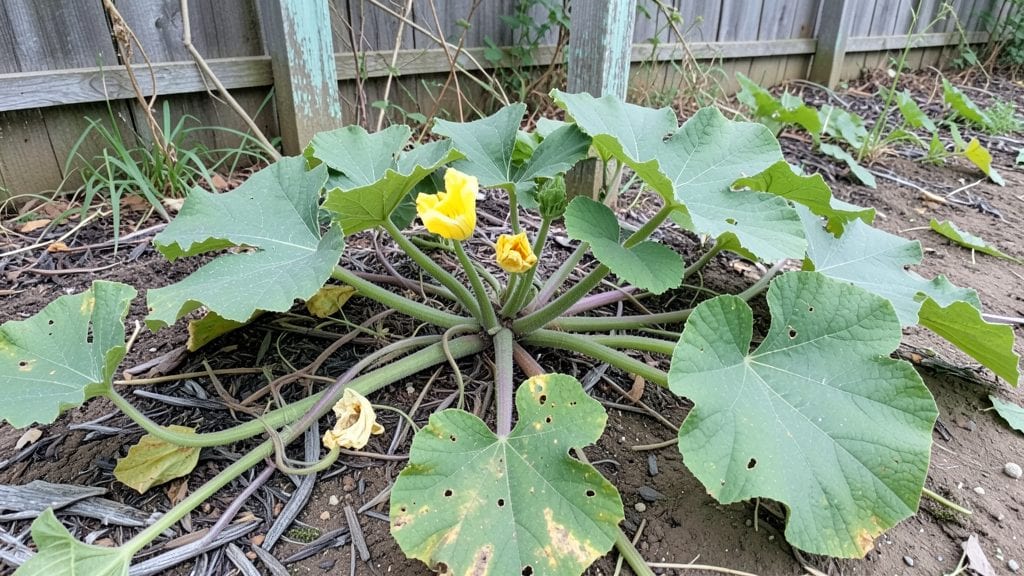
When your squash plant stem collapses overnight, panic sets in—but there’s still hope. I’ve revived more wilted vines than I can count using this simple root reset trick that works even when the leaves look crispy beyond saving.
The secret isn’t complicated: it’s about giving the roots a second chance to recover before the whole plant gives up.
Most gardeners assume a collapsed stem means the plant is dead, but squash vines are tougher than they look. You’ll need a sharp knife, clean water, and a few minutes to trim away the damaged sections and encourage new growth from healthy nodes below the wilt.
This method has saved my summer squash and zucchini plants from powdery mildew, bacterial wilt, and even accidental trampling by pets.
Within 7-10 days, you’ll see new shoots pushing through the soil, and the plant will bounce back stronger than before. The key is acting fast—before the roots dry out completely—and keeping the soil consistently moist while the plant recovers.
No fancy tools or chemicals needed, just a little patience and the right technique.
This trick works for both bush and vining squash varieties, and it’s especially useful if you’re growing in containers or raised beds where roots can dry out faster.
The best part? You’ll end up with a plant that’s even more resilient after the reset. Let’s get those stems back in action!
📚 In This Guide
- What you need
- Instructions
- Tips and common mistakes
- Wrapping up and next steps
What you need
- ● Healthy squash plant – Choose one with wilted or drooping vines (but no signs of disease or pest infestation).
- ● Sharp, clean pruning shears – Sterilize with rubbing alcohol to prevent contamination.
- ● Well-draining potting mix – A blend of 50% coco coir or peat moss, 30% perlite or vermiculite, and 20% compost (or a high-quality seed-starting mix).
- ● Small to medium-sized pots – 4-6 inch diameter, with drainage holes (1-2 per plant).
- ○ Rooting hormone (optional but recommended) – A powder or gel (e.g., Clonex or Dip ‘N Grow) to boost regrowth.
- ● Watering can or spray bottle – For gentle hydration post-transplant.
- ● Misting spray bottle – To maintain humidity during recovery (especially in dry climates).
- ● Grow lights or sunny windowsill – Provide 6-8 hours of indirect light daily until new growth appears.
- ● Hydrogen peroxide (3%) – Dilute 1:9 with water to soak cut stems and prevent bacterial growth.
- ● Fungicide spray – A copper-based or neem oil solution for extra protection against rot.
- ● Heat mat (for indoor setups) – Keeps soil 70-75°F to speed up rooting.
- ● Plant labels – Mark pots with the squash variety and reset date.
- ● Humidity dome or plastic wrap – Creates a mini greenhouse effect for faster recovery.
How to revive a wilted squash plant stem using a root reset
When your squash vines collapse but the roots are still alive, this simple technique can bring them back stronger than ever.
Identify the Problem and Prepare the Plant
First, check the stem where it meets the soil. If it feels mushy or blackened, the plant is beyond saving. But if it's still firm and green at the base, we can revive it. Gently lift the plant from the soil, keeping as much root ball intact as possible. You'll see where the stem meets the roots—this is where we focus our efforts.
Use clean, sharp pruning shears to cut the stem back to about 6 inches above the soil line. This removes damaged tissue and forces new growth from a healthier point. Be firm but careful—don't tear the stem. If the plant has any remaining leaves, leave them on to help with photosynthesis during recovery.
Trim and Inspect the Roots
Once the plant is out of the soil, gently shake off excess dirt to expose the roots. Look for any roots that are black, mushy, or easily break apart—these are dead and need removal. Use your fingers or a small knife to trim away the damaged sections, cutting back to healthy, firm white or light tan roots.
If the roots are still mostly intact but the plant is wilting, the issue might be overwatering or poor drainage. In this case, you can skip trimming and move straight to the next step. The key is to work quickly—squash roots dry out fast once exposed to air.
Perform the Root Reset in Fresh Soil
Fill a clean container or a section of your garden bed with fresh, well-draining soil. If you're using the same spot, amend the soil with a handful of compost to improve its structure. Dig a hole slightly larger than the root ball and place the trimmed plant back into the soil, ensuring the cut stem sits just above the surface.
Water the plant deeply until the soil is evenly moist but not soggy. You'll know it's right when water drains through the bottom without pooling. Avoid wetting the leaves to prevent fungal diseases. Squash plants are heavy drinkers, so keep the soil consistently moist for the next 7-10 days—this encourages new root growth.
Provide Ideal Conditions for Recovery
Move the revived plant to a location with full sun (at least 6-8 hours daily) and protect it from strong winds, which can stress the new growth. If you're working in hot climates, provide some afternoon shade for the first few days to reduce transpiration while the roots re-establish.
Watch for new growth emerging from the cut stem within 1-2 weeks. This is your signal that the root reset worked. If no new leaves appear after 3 weeks, the plant may not have survived, and you'll need to start over with fresh seedlings or transplants.
Maintain and Protect the Revived Plant
Once the plant shows signs of recovery, resume normal care. Water at the base, keeping the soil 1-2 inches deep moist but never waterlogged. Squash plants are prone to powdery mildew, so avoid overhead watering and consider applying a fungicide if you notice white powder on the leaves.
Fertilize lightly with a balanced, water-soluble fertilizer (like 10-10-10) diluted to half strength. Too much fertilizer now can stress the plant as it recovers. Mulch around the base with 2-3 inches of straw or shredded leaves to retain moisture and suppress weeds—just keep the mulch 1-2 inches away from the stem to prevent rot.
Tips & tricks for perfect squash plant stem revival
Reviving a wilted squash plant doesn't have to be a guessing game—these key strategies will help you maximize your chances of success.
Timing is Everything: Work quickly once you've lifted the plant from the soil, especially when exposing the roots. Squash roots dry out fast, so trim any damaged sections within 10-15 minutes of removing the plant. The faster you reset the roots in fresh soil, the better the plant's chances of recovery. I've seen plants that would have been lost come back because I acted quickly during this critical window.
Root Health Check: When inspecting roots in Step 2, look for firm, white or light tan roots—these are healthy. Black or mushy roots must be trimmed away completely. If you're unsure about a root's condition, give it a gentle squeeze: if it feels soft or squishy, it's dead and should be removed. Healthy roots should spring back slightly when pressed.
Soil Preparation Matters: The fresh soil you use for the root reset should be well-draining but still able to retain moisture. If you're reusing the same garden spot, mix in a handful of compost to improve structure and fertility. I recommend using a blend of garden soil and compost in a 3:1 ratio for best results. This gives the roots the perfect balance of aeration and nutrients to encourage regrowth.
Recovery Conditions: During the critical 7-10 day recovery period after replanting, maintain consistent moisture without overwatering. The soil should feel like a damp sponge—never soggy. In hot climates, provide afternoon shade for the first few days to reduce water loss through the leaves while the roots re-establish. This simple adjustment can make all the difference in whether your plant makes a full recovery.
Pro Tips for Squash Plant Stem
- Reviving a wilted squash plant doesn't have to be a guessing game—these key strategies will help you maximize your chances of success.
- Timing is Everything: Work quickly once you've lifted the plant from the soil, especially when exposing the roots.
- Root Health Check: When inspecting roots in Step 2, look for firm, white or light tan roots—these are healthy.
Frequently asked questions
Got questions about squash plant stems? You're not alone! Here are some of the most common concerns—and straightforward answers—to help you keep your vines thriving.
Why is my squash plant stem wilting even after I watered it?
Wilting can stem from overwatering (root rot) or underwatering (dry soil). Check the soil 2 inches deep—it should feel moist but not soggy. If the stem feels mushy, it’s likely rot. For crispy stems, water deeply 1-2 times weekly, depending on heat. Learn the root reset trick to revive struggling plants!
How long does it take for a squash stem to recover after pruning or damage?
With proper care, squash stems can recover in 1-3 weeks. Prune damaged areas cleanly with sterilized scissors, and avoid heavy pruning during flowering/fruiting. Keep the plant in bright, indirect light and fertilize lightly with compost tea. Patience is key—new growth should sprout within 7-10 days if roots are healthy!
Can I use the squash plant stem for anything other than regrowing?
While stems aren’t edible, you can compost them (chop into small pieces first) or use them as mulch to retain soil moisture. Avoid using diseased stems in compost—they may spread pathogens. For a creative twist, dry and bundle stems to make rustic plant markers or natural trellis supports!
What should I do if my squash plant stem turns black or moldy?
Black or moldy stems signal fungal infection (like powdery mildew) or bacterial rot. Act fast:
- Remove infected stems immediately with pruners dipped in rubbing alcohol.
- Spray remaining plants with a baking soda solution (1 tsp baking soda + 1 quart water + a drop of dish soap).
- Improve airflow by spacing plants 3-4 feet apart and avoid overhead watering.
Prevent recurrence with neem oil sprays every 2 weeks.
Are there squash varieties with stronger stems that resist wilting?
Yes! Some varieties are bred for sturdier stems and better heat tolerance:
- Butternut squash – Thick vines handle humidity well.
- Hubbard squash – Disease-resistant and slow to wilt.
- Zucchini (e.g., ‘Black Beauty’) – Fast-growing with robust stems.
For container growing, choose bush varieties like ‘Eight Ball’ zucchini—they require less support and wilt less in pots.
Wrapping up and next steps
Mastering the squash plant stem reset is a game-changer for revitalizing wilted vines and ensuring a bountiful harvest! 🌱 With the right tools, patience, and technique, you can breathe new life into struggling plants—even if they seem beyond hope.
Whether you're a seasoned gardener or just starting out, this trick is your secret weapon for healthier, happier squash plants.
Now that you’re armed with the knowledge, grab your pruners and get ready to transform those droopy stems! Start by assessing your plants today—you’ll be amazed at how quickly they bounce back with a little TLC. Happy gardening! 🌿