
Planting
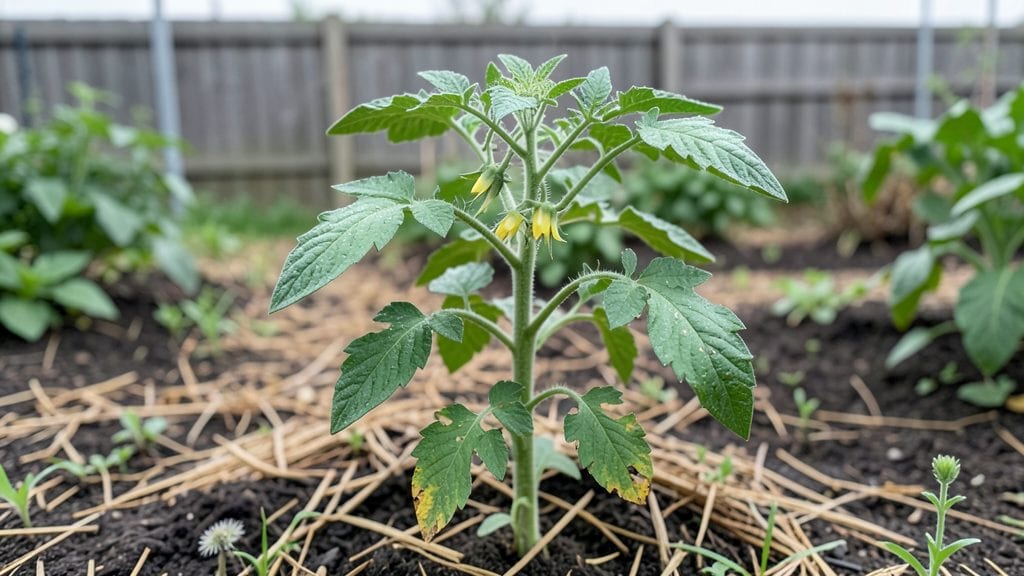
Tomato plant budding starts with a single cut that changes everything. ✨ I learned the hard way—skipping this step means fewer tomatoes, weaker vines, and plants that fizzle out by midsummer. The key isn’t just cutting; it’s knowing when and where to trim for maximum blooms.
You’ll need sharp pruners, a sunny spot with at least 6-8 hours of light, and a balanced fertilizer (10-10-10 works). The real magic happens in warm soil (60°F+)—cooler temps cause blossom drop, no matter how perfect your cuts.
Start by removing suckers (those little shoots between stems) and focus on the main stem’s first 3-4 flower clusters—this keeps energy flowing upward.
Within 2-3 weeks, you’ll see thicker vines and buds that refuse to drop. The plants stay compact, produce heavier fruit, and keep blooming until frost. No more sad, leggy tomatoes—just bushels of flavor. The secret? Precision trimming paired with consistent care. Here’s exactly how to do it.
Works for indeterminate (vining) tomatoes like Sungold or Cherokee Purple, but even determinate (bush) types benefit from light pruning. Skip this, and you’ll end up with half the yield—trust me, I’ve been there. Let’s fix that.
📚 In This Guide
- What you need
- Instructions
- Tips and common mistakes
- Wrapping up and next steps
What you need
- ● Tomato plants: Healthy, disease-free plants (determinate or indeterminate varieties). Tip: Start with 3–5 plants for experimentation!
- ● Pruning shears: Sharp, clean bypass pruners (avoid anvil shears—they crush stems). Pro tip: Disinfect blades with rubbing alcohol between cuts to prevent infections! 🌡️
- ○ Gloves: Lightweight gardening gloves (optional but recommended to protect hands from thorns and sap).
- ○ Magnifying glass (optional): Helps spot tiny buds (especially useful for beginners!).
- ● Twine or plant ties: 3–5 feet per plant to support stems after trimming (indeterminate varieties need extra support!).
- ● Garden twine or soft plant clips: For securing stems to stakes or cages.
- ● Plant stakes or cages: 5–6 ft tall (for indeterminate tomatoes) or 3–4 ft (for determinate).
- ○ Pruning sealant (optional): Wound sealant (like tree sealant) to coat cut stems—reduces disease risk.
- ● Notebook & pen: To track bud locations, trimming dates, and plant progress!
- ● Sunlight: A location with 6–8+ hours of direct sunlight daily (tomatoes are sun-hungry!).
- ● Well-draining soil: Mix in compost or aged manure for nutrient-rich soil (pH 6.0–6.8).
- ● Watering routine: Consistent moisture (1–1.5 inches per week, more in heatwaves). Avoid wetting leaves to prevent disease.
- ● Patience & observation: Budding requires regular checks (every 3–5 days) for new growth!
Precision trimming techniques for tomato plant budding
Here’s how to coax your tomato plants into continuous flowering—without overstressing the vines.
🌿 Step 1: Identify and Locate the Suckers
Suckers are the small shoots that form in the leaf axils (where stems meet leaves) between the main stem and branches. These energy vampires divert nutrients from fruit production. I always inspect my plants every 3-5 days during active growth, starting when the main stem reaches 12-18 inches tall.
Use your thumb and forefinger to gently squeeze the base of the sucker—it should snap off cleanly if it’s ready. If it feels woody or resists, wait another day. The goal is to remove suckers before they exceed 2-3 inches, when they’re still tender and easy to pinch.
✂️ Step 2: Time Your Pruning for Maximum Bloom Stimulation
Prune suckers in the morning when temperatures are cool and humidity is low. This gives plants 6-8 hours of daylight to recover before evening stress. Avoid trimming after 2 PM—you’ll risk inviting pests or fungal spores to open wounds.
I never use scissors for suckers this small; pinching with my fingers is faster and minimizes stress. For larger suckers (4+ inches), make a clean cut just above a leaf node to encourage branching. Always sterilize your hands with rubbing alcohol between plants to prevent disease spread.
☀️ Step 3: Balance Pruning with Light Exposure
After heavy pruning, move your plant to a bright, indirect light spot for 24 hours to prevent shock. Tomatoes need 6-8 hours of direct sun daily, but sudden exposure after trimming can scorch tender new growth. Watch for yellowing leaves or wilting—these are signs the plant is struggling.
If your plant has more than 3 main stems, prioritize keeping the strongest two and prune the rest. Each remaining stem should have 1-2 suckers removed per week during peak growth. The key is consistency—skipping a week lets suckers grow unchecked, and you’ll end up with leafy vines instead of fruit.
💧 Step 4: Adjust Watering After Pruning
Water deeply the day before pruning to ensure plants enter the process hydrated. After trimming, reduce watering slightly for 3-4 days—this helps wounds callus over faster. I check soil moisture by sticking my finger 1 inch deep; if it’s damp, I wait. Overwatering now dilutes nutrient uptake and slows recovery.
Resume normal watering when new growth appears at the pruning sites. Tomatoes need 1-1.5 inches of water weekly, delivered at the base to avoid wetting leaves (which promotes disease). If you notice drooping leaves by midday, increase watering incrementally—underwatering stresses plants more than overwatering at this stage.
⏰ Step 5: Monitor Flower Clusters for Optimal Fruit Set
Once flowers appear, focus on clusters with 3-6 blooms per truss. Remove any smaller clusters that form lower on the stem—they’ll ripen too early and drain energy from later fruit. I use a sharp pair of pruners (sterilized with rubbing alcohol) to snip off excess flowers at the base.
Watch for yellowing or dropping flowers—this often signals calcium deficiency or uneven watering. If you see it, apply a calcium nitrate solution (1 tbsp per gallon of water) and keep soil consistently moist. The goal is to maintain 1-2 healthy fruit clusters per main stem; anything beyond that risks overburdening the plant.
Tips & tricks for perfect tomato plant budding
Precision trimming transforms your tomato plants from leafy vines into fruit-producing powerhouses—here's how to avoid common pitfalls that waste your efforts.
Timing is Everything: The 6-8 hours of daylight recovery after morning pruning is non-negotiable. I've learned this the hard way—when I trimmed in the afternoon, my plants struggled to recover before nightfall, leading to stunted growth. If you must prune later, move the plant to a shaded spot immediately and avoid any other stress that day.
Visual Cues for Perfect Pruning: When removing suckers in Step 1, look for the classic "V" shape where the sucker meets the main stem. This is where you should pinch—never tear or rip the tissue. For larger suckers in Step 2, make your cut just above a leaf node (the small bump where leaves attach) to encourage new growth from that point. The cleaner the cut, the faster the plant recovers.
Light Management Strategy: That 24-hour bright indirect light recovery period in Step 3 is your plant's chance to regroup. I use a sheer curtain over a south-facing window to diffuse harsh sunlight while still providing ample light. This prevents the sunburn-like damage I've seen when plants are suddenly exposed to full sun after heavy pruning.
Watering Wisdom: The 3-4 day reduced watering period after pruning might seem counterintuitive, but it's crucial for wound healing. I check soil moisture by pressing my finger 1 inch deep—if it's damp, I wait. This simple check has saved me from overwatering, which can actually slow down the plant's recovery by preventing proper oxygen exchange in the roots.
Pro Tips for Tomato Plant Budding
- Precision trimming transforms your tomato plants from leafy vines into fruit-producing powerhouses—here's how to avoid common pitfalls that waste your efforts.
- Timing is Everything: The 6-8 hours of daylight recovery after morning pruning is non-negotiable.
- Visual Cues for Perfect Pruning: When removing suckers in Step 1, look for the classic "V" shape where the sucker meets the main stem.
Frequently asked questions
Got questions about tomato plant budding? You’re not alone!
Here are the most common queries—plus quick, actionable answers—to help you master this technique and keep your plants producing like champs.
What is tomato plant budding, and why should I do it?
Budding (or suckering) is the process of removing small shoots (suckers) that grow between the main stem and branches. Why? Because these suckers drain energy from your plant, slowing fruit production. By pruning them, you redirect nutrients to larger flowers and fruit, boosting yield and quality. Think of it as giving your tomato plant a spa day—more energy for the good stuff!
When is the best time to start budding my tomato plants?
Start budding once your plants are 12–18 inches tall and have developed their first few true leaves (not the initial seed leaves). For indeterminate varieties (like Roma or Beefsteak), pinch off suckers weekly during the growing season. Determinate tomatoes (like Bush Early Girl) usually don’t need budding—they produce fruit in clusters. Pro tip: Do it early in the day so wounds heal faster in sunlight.
How do I properly remove suckers without hurting the plant?
Use your fingers or clean pruning shears to gently twist or snip suckers at their base—never tear them. Aim to leave a small stub (about ¼ inch) to prevent disease. Avoid over-pruning: never remove more than ⅓ of the plant’s foliage at once, or you’ll shock it. For stubborn suckers, a sterilized pair of scissors works best. Bonus: Save small suckers to propagate new plants!
Will budding my tomato plants reduce my harvest?
Not if done right! Budding increases harvest size and quality by focusing energy on fewer, larger fruits. However, if you over-prune or remove too many leaves, your plant may struggle. Balance is key: Keep enough foliage for photosynthesis (especially lower leaves) to support fruit growth. Indeterminate tomatoes benefit the most—expect bigger, juicier tomatoes with proper care.
What if my tomato plant looks stressed after budding?
Stress is normal after pruning, but your plant should bounce back in 3–5 days if conditions are right. Signs of over-pruning: Wilting, yellowing leaves, or stunted growth. To help recovery:
- Water deeply but avoid soggy soil (root rot is a risk!).
- Provide morning sunlight and shade in peak afternoon heat.
- Fertilize lightly with a balanced 10-10-10 or tomato-specific feed.
Can I skip budding if I’m short on time?
Yes! While budding maximizes yield, determinate tomatoes (like Cherry or Patio varieties) don’t need it. For indeterminate plants, focus on removing only the largest suckers if you’re busy. Even minimal budding (e.g., once every 2 weeks) will help. Alternative tip: Let a few small suckers grow if you’re growing for leafy greens (yes, tomato leaves are edible!).
Wrapping up and next steps
Mastering the art of tomato plant budding can transform your garden into a bountiful harvest hub—one where vines thrive and blooms never stop! 🌱 By understanding the why behind trimming and the how to do it precisely, you’re not just pruning; you’re investing in stronger plants, better yields, and healthier growth.
Whether you’re a seasoned gardener or just starting, every snip is a step toward a garden that rewards your effort with juicy, vibrant tomatoes.
Ready to see your plants flourish? Start small: pick one tomato plant this week, grab your pruners, and practice the techniques you’ve learned. Before you know it, you’ll be confidently shaping your vines—and reaping the delicious results! 🍅✨