
Planting
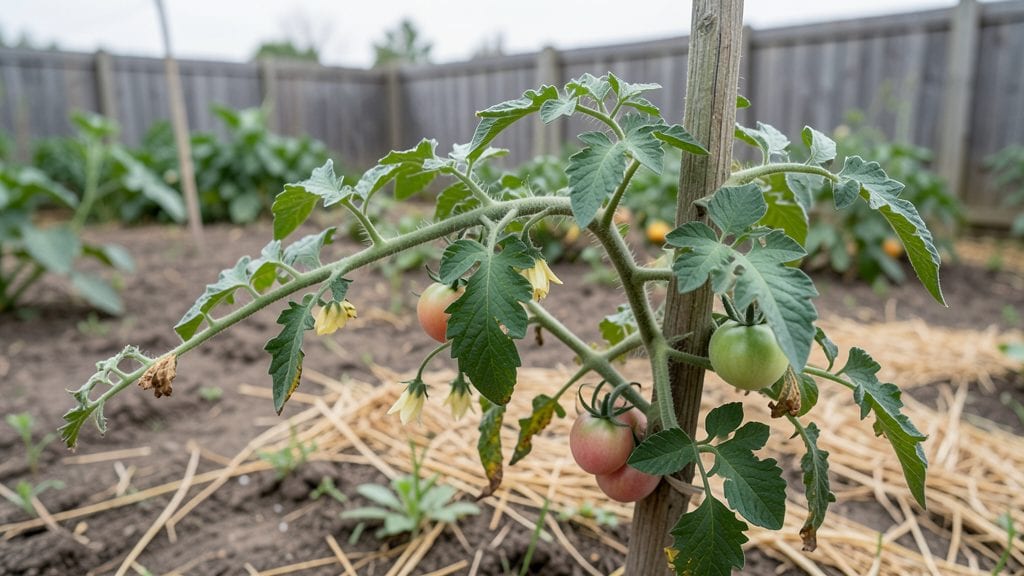
Growing a tomato plant tree turns your backyard into a lush, fruiting sculpture that keeps producing all season long—no fancy pruning skills required.
I’ve trained my own "tomato trees" for three summers now, and the results are jaw-dropping: a single plant produces enough fruit to feed a family while taking up just a few square feet of space.
The secret lies in letting the plant grow vertically while keeping the structure simple enough that even beginners can manage it.
You’ll need sturdy stakes or a cage (I use 6-foot wooden posts for stability), strong twine or plant ties, and indeterminate tomato varieties like ‘Sungold,’ ‘Brandywine,’ or ‘Cherokee Purple’—they’re bred to climb and produce fruit continuously.
The pruning is minimal: just remove suckers (those little shoots between the stem and branches) every few weeks, and let the main stems grow upward. By mid-summer, you’ll have a 6- to 8-foot-tall plant covered in blossoms and ripening fruit at every level.
The payoff is a harvest that stretches from early summer until frost, with fruit ripening at different rates for a steady supply. Imagine plucking sun-warmed tomatoes from every branch while your neighbors struggle with sprawling vines.
The key is consistent watering (deep but not soggy) and a balanced fertilizer to keep the plant fueled for months of growth. Even in small spaces, this method maximizes yield without the chaos of traditional tomato gardens.
This technique works in containers too—just use a deep pot with a sturdy trellis—and adapts to both warm climates (where you might get year-round harvests) and cooler zones (with a little protection in fall).
Ready to transform your garden into a vertical fruit factory? Let’s get those stakes in the ground.
📚 In This Guide
- What you need
- Instructions
- Tips and common mistakes
- Wrapping up and next steps
What you need
- ● Tomato plants: 1-3 indeterminate varieties (like ‘Sungold,’ ‘Sweet Million,’ or ‘Cherokee Purple’). Choose disease-resistant types if your climate is humid.
- ● Growing container or large pot: 1 5-gallon fabric grow bag or a whiskey barrel (20+ gallons) with drainage holes. For a true "tree" look, opt for a cage-free trellis system (e.g., a 5-foot wooden post with sturdy branches).
- ● Potting mix: 1 bag high-quality organic potting soil (avoid garden soil—it compacts). Mix in 1 cup perlite or vermiculite per 5 gallons for aeration.
- ● Fertilizer: 1 slow-release granular fertilizer (e.g., 10-10-10 or 5-5-5 with micronutrients).
- ● Compost or worm castings (1 cup per plant at planting).
- ● Liquid fertilizer (e.g., fish emulsion or seaweed extract for foliar feeding).
- ● Support system: 1 bamboo stakes or wooden dowels (3-4 feet tall).
- ● 1 roll soft plant ties or twine (jute or hemp is eco-friendly).
- ● Pruning shears (sterilized with rubbing alcohol).
- ● Gloves (to protect from thorns and soil).
- ● Watering can or hose with a gentle spray nozzle.
- ● Mulch (straw or shredded leaves to retain moisture).
- ○ Optional: 1 drip irrigation kit (for automated watering).
- ● 1 shade cloth (30-50% coverage for hot climates).
- ● 1 plant food spray (e.g., kelp-based fertilizer for extra nutrients).
- ● A sunny location with 6-8+ hours of direct sunlight daily.
- ● Warmth: Tomatoes thrive in 70-85°F (21-29°C) soil temps. Use a heat mat if starting indoors.
- ● Patience! A well-trained tomato "tree" takes 3-4 months to bear fruit.
Step-by-Step instructions for creating a low-maintenance tomato plant tree
Here's how to transform a single tomato plant into a lush, productive "tree" that keeps bearing fruit with almost no pruning.
Choose the Right Variety and Planting Site
Select a determinate tomato variety like 'Celebrity' or 'Roma'—these grow in compact bushes rather than sprawling vines, making them perfect for this technique. Plant your seedling in full sun (at least 6-8 hours daily) where temperatures stay between 65-85°F during the growing season.
Dig a hole twice as wide as the root ball but only as deep as the container it came in. This prevents burying the stem too deeply, which can cause rot. Gently loosen the roots if they're circling tightly—a quick shake helps them spread outward naturally.
Train the Main Stem into a Trunk
When your plant reaches about 12 inches tall, select the strongest, straightest stem and tie it to a 4-5 foot tall bamboo stake using soft twine. Wrap the twine loosely—tight knots can girdle the stem as it thickens. Let the plant grow upward until it reaches the top of the stake.
Here's the key: do not prune the main stem at this stage. Let it grow freely until it hits the top, then pinch off the top set of leaves just above a leaf node. This encourages side branches to form, which will become your "limbs." You'll see new growth sprouting from the leaf axils within 7-10 days.
Develop the "Branches" for Fruit Production
Once side shoots appear, select 3-4 of the strongest and tie them outward at 45-degree angles from the main stem, spacing them evenly around the trunk. Use small clothespins or soft wire to hold them in place—this mimics natural branching. Remove any additional shoots that appear to keep energy focused on these main branches.
Let these branches grow until they're 12-18 inches long, then pinch the tips to encourage flowering. You'll notice small clusters of flowers forming at the leaf nodes. These will develop into your fruit—no need to prune further unless you see suckers (small shoots in the leaf axils) growing between the main stem and branches.
Maintain the Tree Structure Through the Season
Water at the base (never overhead) to keep soil consistently moist but not soggy—1 inch per week is ideal. Mulch with 2-3 inches of straw around the base to retain moisture and prevent soil-borne diseases. Remove any suckers that appear between the main stem and branches to maintain the tree shape.
As fruit develops, support heavy clusters with small stakes or tomato cages tied to the branches. Harvest regularly—pick tomatoes when fully colored to encourage continuous production. With this method, you'll get two main harvest waves: early fruit from the lower branches and later fruit from the upper ones.
Winter Care for Year-Round Growth
When frost threatens, cut back the plant to 6 inches above ground level. Move the stake (with attached plant) to a protected indoor spot with bright light (grow lights work well). Reduce watering to every 2-3 weeks and keep temperatures above 55°F to prevent dormancy.
In spring, prune back any dead growth and fertilize lightly with balanced 10-10-10 to stimulate new growth. Repeat the training process—your plant will already have a strong trunk and will regrow branches faster than a new seedling. With proper winter care, your tomato "tree" can produce fruit for multiple seasons.
Tips & tricks for perfect tomato plant tree
Transforming a tomato plant into a tree-like structure takes patience and precision, but these tips will help you avoid common pitfalls and maximize your harvest.
Variety Selection Matters: While determinate varieties like 'Celebrity' or 'Roma' work best for this method, you can also try 'San Marzano' if you prefer larger, meatier tomatoes. The key is choosing compact varieties that naturally grow in bush shapes rather than sprawling vines. I've found that smaller varieties actually produce fruit more consistently throughout the season when trained this way.
Timing Secret for Branch Development: In Step 2, when you pinch off the top set of leaves after the plant reaches the stake's height, be patient for those 7-10 days while new growth emerges. This waiting period is crucial—rushing to prune too early can stunt your branches. I've seen plants where impatient gardeners gave up after 5 days and missed the perfect window for strong side shoots.
Support System Strategy: For the 3-4 main branches in Step 3, consider using small plastic plant ties instead of twine or wire—they're gentler on young stems and won't leave marks as the plant grows. Position your branches at exactly 45-degree angles to maximize sunlight exposure on all sides of your "tree." This angle also helps prevent branches from rubbing against each other as they grow.
Winter Care Insight: When moving your plant indoors for winter, place it near an east-facing window for the gentlest light exposure. The 55°F minimum temperature is critical—colder drafts can shock the plant and trigger dormancy. I've had success using a simple LED grow light on a timer for 12 hours daily to supplement natural light during shorter winter days.
Pro Tips for Tomato Plant Tree
- Transforming a tomato plant into a tree-like structure takes patience and precision, but these tips will help you avoid common pitfalls and maximize your harvest.
- Variety Selection Matters: While determinate varieties like 'Celebrity' or 'Roma' work best for this method, you can also try 'San Marzano' if you prefer larger, meatier tomatoes.
- Timing Secret for Branch Development: In Step 2, when you pinch off the top set of leaves after the plant reaches the stake's height, be patient for those 7-10 days while new growth emerges.
Frequently asked questions
Got questions about growing a tomato plant tree? You’re not alone! Here are answers to the most common queries—from pruning to harvests—so you can grow like a pro.
What exactly is a tomato plant tree, and how is it different from regular tomato plants?
A tomato plant tree is a pruned tomato plant that grows as a single, sturdy trunk with a wide canopy of branches, resembling a small tree. Unlike traditional bush or indeterminate vines, it’s trained to focus energy on fewer stems, reducing the need for heavy pruning while maximizing fruit production. Think of it as a low-maintenance, decorative way to grow tomatoes!
How long does it take for a tomato plant tree to start producing fruit?
Most tomato plant trees begin flowering and fruiting 60–85 days after transplanting, depending on the variety (e.g., cherry tomatoes may fruit faster than beefsteaks). Early-season varieties like ‘Sungold’ can surprise you with harvests in as little as 50 days! Patience pays off—consistent warmth and sunlight speed up the process.
Do I really need to prune a tomato plant tree, or is the “minimal pruning” claim accurate?
The beauty of a tomato plant tree is that it does require less pruning than traditional vines! You’ll only need to remove suckers (shoots between the stem and branches) and prune lower leaves for airflow. Focus on shaping the “tree” early (first 4–6 weeks) to encourage a strong trunk, then let it grow. Pro tip: Use sharp shears to avoid damaging stems!
Can I grow a tomato plant tree indoors, or is it only for outdoor gardens?
With the right setup, a tomato plant tree thrives indoors under grow lights (14–16 hours/day) or near a sun-drenched window. Use a 5-gallon container with drainage, support it with a small cage or stake, and monitor humidity (aim for 50–70%). Dwarf or patio varieties like ‘Tiny Tim’ are ideal for indoor “tree” growth. Note: Pollinate by hand with a paintbrush if no bees are around!
Why aren’t my tomato plant tree’s fruits ripening, even though there are lots of flowers?
Blossom drop or slow ripening often stems from temperature stress (below 55°F or above 90°F), lack of pollination, or overwatering. Try these fixes:
- Move to a warmer, sunnier spot (or use a heat mat for containers).
- Gently shake the plant or hand-pollinate with a cotton swab.
- Let the top inch of soil dry between waterings to prevent root rot.
Are there any low-maintenance tomato plant tree varieties I should try?
Yes! Opt for determinate or semi-determinate varieties trained as trees for easier care:
- ‘Mountain Merit’ – Disease-resistant, compact, and productive.
- ‘Sweet Million’ – Cherry tomato that thrives in containers.
- ‘Roma’ – Classic paste tomato with minimal suckering.
- ‘Tumbling Tom’ – Trailing variety that can be trained upward.
Wrapping up and next steps
Growing a tomato plant tree isn’t just a gardening hack—it’s a game-changer for year-round harvests with minimal fuss! 🌱 Whether you’re a seasoned gardener or a curious beginner, this method proves that big rewards come with small effort.
With the right setup and a little patience, you’ll enjoy juicy tomatoes straight from your own "tree" for months.
Ready to take the next step? Start small—plant a single tomato plant tree this season and watch it thrive. Before you know it, you’ll be experimenting with new varieties, sharing your bounty, or even scaling up! Your garden (and taste buds) will thank you. 🍅✨