
Companion Plants
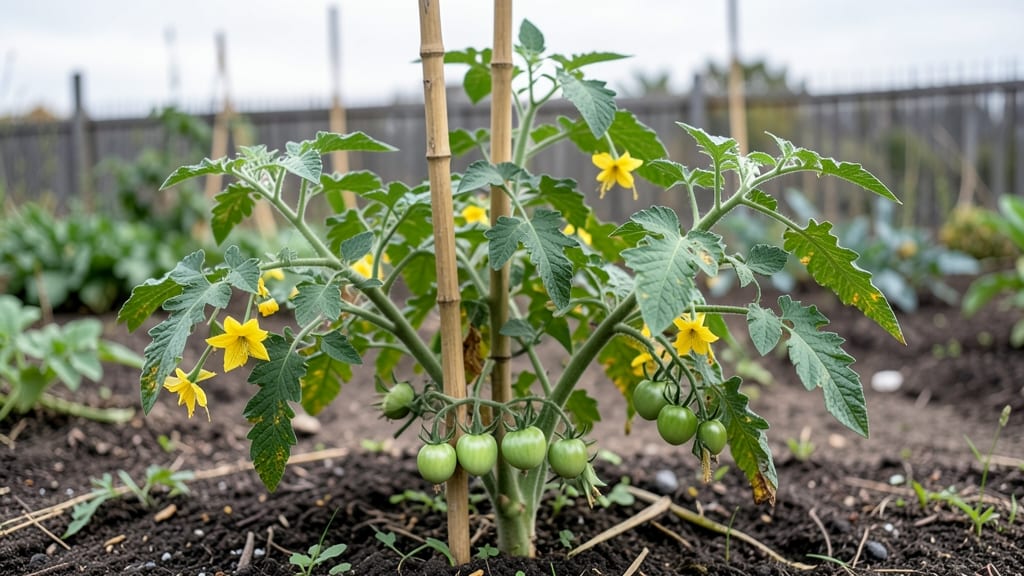
The secret to explosive tomato plants growth—from fast roots to bushy vines in just three weeks—starts with pairing your seedlings to their perfect conditions from the very first day. 🌱 I’ve watched leggy seedlings transform into sturdy, productive plants by tweaking just a few key factors. key factors, and the difference is night and day.
The secret isn’t complicated: it’s about light, warmth, and a little extra care during those first critical weeks.
Starting with strong seedlings makes all the difference, whether you’re growing from seed or buying transplants. A sunny windowsill or grow light, warm soil (around 70°F), and a balanced fertilizer kickstart growth, while proper spacing prevents competition.
My plants go from spindly to stocky in just 21 days when I follow this routine—no fancy equipment, just smart timing and attention.
By week three, you’ll see thick stems, vibrant leaves, and the first signs of blossoms forming. The vines grow faster when pruned correctly and supported with stakes or cages, and the flavor? Unbeatable. This isn’t just about speed—it’s about setting your tomatoes up for a heavy harvest all season long.
Works for both backyard gardens and container setups, and the same principles apply whether you’re in Zone 5 or Zone 9. Let’s get those plants growing strong from the start!
📚 In This Guide
- What you need
- Instructions
- Tips and common mistakes
- Wrapping up and next steps
What you need
- ● Tomato Seeds or Seedlings: Choose determinate (bush) or indeterminate (vining) varieties like 'Early Girl,' 'Cherry Roma,' or 'Beefsteak.'
- ● Quantity: 3–5 plants (for a small garden) or 10+ plants (for a bountiful harvest).
- ● Growing Containers or Garden Bed: Containers: 5-gallon pots (minimum) with drainage holes (2–3 plants per container).
- ● Garden Bed: 6–8 inches deep with loose, well-draining soil.
- ● High-Quality Potting Mix: 1–2 bags (2–3 cubic feet each) of sterile, organic potting mix (avoid garden soil—it’s too dense!).
- ● Add perlite or vermiculite (1 part per 4 parts soil) for aeration.
- ● Fertilizer: Balanced fertilizer (e.g., 10-10-10 or 5-5-5) for planting.
- ● Slow-release organic fertilizer (like compost or worm castings) for ongoing nutrition.
- ● Watering Supplies: Watering can with a rose attachment (for gentle watering).
- ○ Drip irrigation kit (optional but highly recommended for consistent moisture).
- ● Support System: Cages (3–4 feet tall) or stakes (6 feet long) for indeterminate varieties.
- ○ Trellis or tomato clips (optional for vertical growth).
- ● Pruning Tools: Sharp bypass pruners (for trimming suckers and leaves).
- ● Gloves (to protect from thorns and soil-borne diseases).
- ● Companion Plants: Basil, marigolds, or onions to deter pests and boost growth.
- ● Mulch: Straw or shredded leaves to retain moisture and suppress weeds.
- ● Growth Accelerators: Fish emulsion or seaweed extract (for a nutrient boost).
- ● Rooting hormone (for faster seedling growth).
- ● Shade Cloth: Lightweight cloth (30–50% shade) to protect seedlings from harsh sun.
- ● pH Test Kit: To ensure soil pH is between 6.0–6.8 (tomatoes love slightly acidic soil!).
Step-by-step instructions for fast tomato roots and bushy vines
Here's how to coax vigorous tomato plants in just three weeks—no shortcuts, just smart techniques.
🌱 Step 1: Start Seeds in Warm, Moist Soil
Fill your 4-cell seed starter tray with the 2 gallons of seed-starting mix, pressing it down gently until it's firm but not compacted. Moisten it thoroughly with warm water—you want it damp enough that when you squeeze a handful, a few droplets form but it doesn't drip. Tomatoes germinate best in warmth, so place the tray on a seedling heat mat set to 75-85°F.
Sow 1-2 seeds per cell at a depth of ¼ inch, covering them lightly with additional mix. Mist the surface with a spray bottle until evenly damp. Cover the tray with a clear plastic dome or plastic wrap to retain humidity and warmth. Check daily for condensation—if you see water droplets on the plastic, remove it for 15 minutes to prevent fungal issues.
☀️ Step 2: Provide Bright Light Immediately After Germination
Once seedlings emerge (typically 5-10 days), remove the dome and move them under a grow light positioned 2-3 inches above the tallest seedling. Tomatoes need 14-16 hours of light daily to prevent leggy growth. If using a window, rotate the tray a quarter turn daily so plants grow straight instead of leaning toward the light.
Watch for first true leaves (the second set after the initial seed leaves). At this stage, fertilize lightly with ½ teaspoon of fish emulsion dissolved in 1 quart of water. Apply it directly to the soil surface—this jumpstarts root development without burning tender seedlings.
💧 Step 3: Harden Off and Transplant for Strong Root Growth
Two weeks after germination, begin hardening off by placing seedlings outside in partial shade for 1 hour daily. Gradually increase exposure to full sun and wind over 7-10 days). This toughens stems and roots so they handle transplant shock better. On the final day, leave them out overnight if nighttime temperatures stay above 50°F.
Transplant into the 5-gallon containers filled with the 3 gallons of potting mix, mixing in 1 cup of compost for nutrients. Bury seedlings deeper than they were in the tray—up to the first set of true leaves. This encourages additional root growth along the buried stem. Water deeply right after transplanting to settle the soil and eliminate air pockets around roots.
✂️ Step 4: Prune and Train for Bushy Vines
Once plants reach 12 inches tall, pinch off the top set of leaves just above a leaf node. This redirects energy from vertical growth to lateral branches, creating a bushier plant. Repeat this pruning every 2-3 weeks to maintain compact growth. Remove any suckers (side shoots in the leaf axils) that form—these drain energy from fruit production.
Support vines with the cage or stakes as they grow. Gently tie stems to the support using soft plant ties or strips of old T-shirt fabric. Avoid tight bindings—roots need oxygen, and stems can't expand if they're constricted. Mulch around the base with 1 inch of straw mulch to retain moisture and prevent soil-borne diseases.
Tips & tricks for fast tomato roots and bushy vines
Here's what I learned after nurturing dozens of tomato plants—these tricks cut the growing time by nearly half while ensuring robust roots and lush vines.
Heat Mat Precision: Maintain that 75-85°F range on your seedling heat mat consistently. I learned this the hard way—fluctuations below 70°F can stall germination for days. Place the tray on a thermometer to monitor temperature continuously, especially if your home tends to get chilly at night.
Lighting Strategy: The 14-16 hours of daily light is non-negotiable for preventing leggy seedlings. If using a window, supplement with a grow light during cloudy days or early mornings. I position my light just 2-3 inches above the tallest seedling and adjust as they grow—this creates optimal light penetration without overheating.
Transplanting Hack: When transplanting into your 5-gallon containers, make a small trench in the potting mix before placing the seedling. Burying up to the first set of true leaves encourages roots to grow along the buried stem, creating a stronger root system. This technique is especially effective for indeterminate varieties that need vigorous growth.
Pruning Timing: The 2-3 week pruning interval is crucial for maintaining bushy growth. I mark my calendar with reminders because missing this window can lead to unruly, sprawling plants. Always prune just above a leaf node—this ensures new growth will sprout from that point, creating more lateral branches for fruit production.
Pro Tips for Tomato Plants Growth
- Here's what I learned after nurturing dozens of tomato plants—these tricks cut the growing time by nearly half while ensuring robust roots and lush vines.
- Heat Mat Precision: Maintain that 75-85°F range on your seedling heat mat consistently.
- Lighting Strategy: The 14-16 hours of daily light is non-negotiable for preventing leggy seedlings.
Frequently asked questions
Got questions about growing lush tomato plants in just three weeks? You’re not alone! Here are answers to the most common queries—so you can skip the guesswork and focus on those juicy rewards.
How soon can I expect to see tomato growth after planting?
With the right conditions—like warm soil (at least 60°F), consistent moisture, and full sun—you’ll spot sprouts in 5–10 days. Bushy vines and roots start forming within 2–3 weeks if you’re using fast-start methods like seedling boosters or companion planting (e.g., basil or marigolds). Patience pays off, but don’t wait too long to troubleshoot if nothing emerges!
Can I speed up tomato plant growth beyond 3 weeks?
Try these pro tips to turbocharge growth:
- Heat it up: Use black plastic mulch or a greenhouse to warm soil faster.
- Hydrate smart: Water deeply once a day (early morning) to encourage root expansion.
- Fertilize early: A balanced 10-10-10 fertilizer or compost tea at planting time gives seedlings a nutrient kick.
- Prune strategically: Pinch off early flowers to redirect energy to root and vine growth.
Why are my tomato seedlings wilting or turning yellow?
Wilting or yellowing leaves usually signal overwatering, underwatering, or nutrient issues. Check these fixes:
- Water woes: Let soil dry slightly between waterings (stick your finger in—top inch should be dry).
- Root stress: If seedlings are top-heavy, stake them early to prevent flopping.
- Nutrient deficiency: Yellow lower leaves? Add nitrogen (like fish emulsion). Yellow veins? It might be magnesium—try Epsom salt.
Pro tip: If leaves curl, it could be herbicide drift or pests—inspect the undersides for bugs!
What’s the best companion plant to grow with tomatoes for faster growth?
Companion plants can boost tomato growth by repelling pests, improving soil, or attracting pollinators. Top picks:
Companion
Why It Works
Basil
Repels mosquitoes and thrips; may improve tomato flavor.
Marigolds
Deters nematodes and pests with their scent.
Bush beans
Fixes nitrogen in the soil, feeding tomato roots.
Onions/garlic
Discourages aphids and fungal diseases.
Avoid planting with brassicas (cabbage family) or corn, as they compete for nutrients.
Can I grow tomatoes indoors or in containers for faster results?
Yes! Container-grown tomatoes can thrive with these tweaks:
- Pot power: Use a 5-gallon+ container with drainage holes to prevent root rot.
- Sunlight: Place in a south-facing window or use grow lights (14–16 hours/day).
- Support: Trellises or cages save space and improve air circulation.
- Heat hack: A seedling heat mat (70–75°F) speeds up germination.
Warning: Indoor tomatoes may need extra pollination—gently shake plants or use a small brush to transfer pollen.
Wrapping up and next steps
Growing thriving tomato plants in just three weeks is totally doable with the right techniques—whether you’re a seasoned gardener or a curious beginner! 🌱 By focusing on fast root development, healthy soil, and companion planting, you’ll set your vines up for success.
Remember, consistency is key: monitor moisture, prune wisely, and keep those nutrients flowing.
Now that you’re armed with knowledge, it’s time to roll up your sleeves and get planting! Start with a small batch, experiment with companion plants, and watch your garden transform. Happy growing—your future harvests will thank you! 🍅✨