Watering
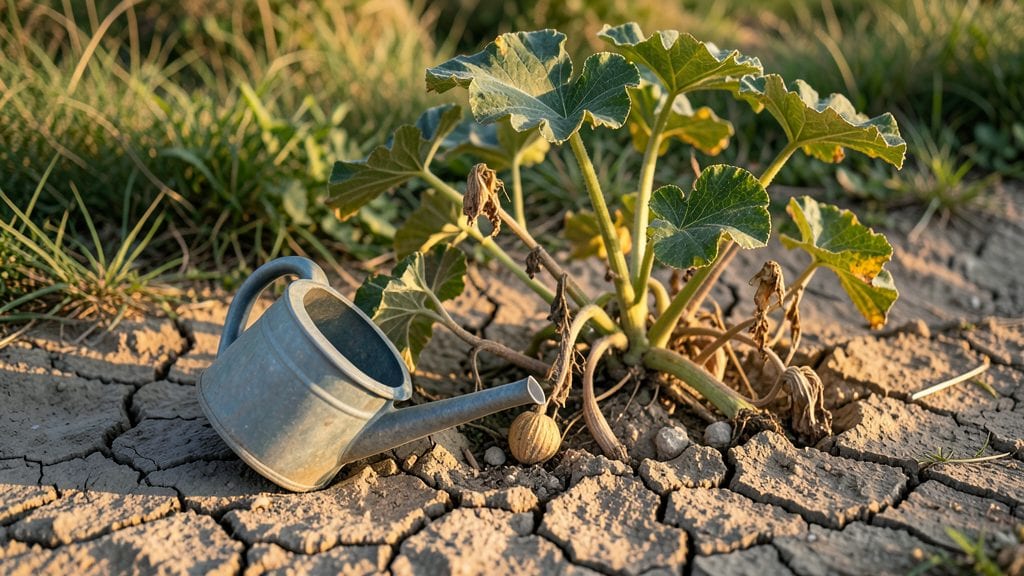
When your pumpkin vines look like overcooked noodles, it’s not too late to save them. 🌱 I’ve nursed back more than a few underwatered pumpkin plants by focusing on the right watering rhythm and soil conditions—here’s exactly how to bring them back in just three days.
The first clue is usually crispy leaf edges or vines that flop by noon. Pumpkins need 1-2 inches of water per week, but sandy soil drains too fast, while clay holds too much.
Stick your finger 1-2 inches deep—if it’s dry, water deeply until it runs out the bottom of the pot or soil. Morning watering prevents fungal issues, and mulch keeps moisture locked in.
Within 24-48 hours, you’ll see leaves perk up and new growth appear. The secret is consistency: aim for deep, infrequent watering rather than light sprinkles.
Add compost to improve water retention, and avoid wetting the leaves to prevent disease. Your plants will thank you with stronger vines and bigger fruits.
This works for both container-grown and in-ground pumpkins, though larger vines may need 3-5 gallons at a time. Once revived, monitor soil moisture weekly to keep those vines thriving all season long.
Root Causes Of Thirsty Vines
Underwatered pumpkin plants don’t just happen by accident—they’re usually a sign that something’s off with your watering routine, soil, or growing conditions. Let’s break down the real culprits behind wilting, yellowing leaves, and stunted growth, so you can fix them fast.
Pumpkins thrive on deep, infrequent watering, not light sprinkles. Their sprawling vines and heavy fruits demand 1–2 inches of water per week (more in extreme heat). Here’s why inconsistent watering backfires:
- Shallow Root Systems: Pumpkins develop deep taproots, but if you water too frequently in shallow bursts, roots stay near the surface, craving moisture but never getting enough to sustain growth.
- Drought Stress: Even one missed watering session can trigger osmotic stress, where plants struggle to absorb nutrients, leading to crispy edges and wilting.
- Soil Crusting: Light, frequent watering causes soil to harden, blocking oxygen and water from reaching roots—like suffocating your plant from the outside in.
💡 Pro Tip: Use a moisture meter or the "finger test" (stick your finger 2 inches deep; if dry, water deeply). Early morning is best—water soaks in before evaporation.
Pumpkins hate soggy feet and compacted soil. If water pools around roots or drains too fast, your plant gets either drowned or dehydrated:
- Clay or Heavy Soil: Holds water like a sponge, starving roots of oxygen. White or grayish leaves?
That’s root rot from over-saturation. - Sandy Soil: Drains too quickly, forcing roots to scramble for moisture they can’t hold onto. - Compacted Ground: Foot traffic or machinery flattens soil, crushing roots and blocking water flow. Look for surface puddles that don’t absorb—this is a red flag.
✨ Fix It: Amend soil with compost or coconut coir to improve aeration. For containers, use a mix of potting soil + perlite. Elevate beds slightly to encourage drainage.
Pumpkins are sun-lovers, but too much heat or wind accelerates moisture loss:
- Transpiration Overload: Hot, dry air makes leaves release water faster than roots can replace it. Wilting by noon? Your plant is losing a hydration battle. - Windburn: Gusts dry out leaves, creating tiny tears that leak water (like a broken hose).
Check for scorched or curled edges—this is wind damage. - Midday Sun Shock: Young plants or those in black plastic mulch (which absorbs heat) can overheat, causing roots to shut down water uptake.
🌡️ Beat the Heat: Mulch with straw or grass clippings to retain moisture. Water early morning or late evening to reduce evaporation. Use shade cloth (30–50%) if temps hit 90°F+.
Pumpkins spread like weeds—but too much competition = stress:
- Competing Plants: Tomatoes, peppers, or weeds steal water and nutrients, leaving pumpkins high and dry. - Small Containers: Roots outgrow pots, circling like a snake in a cage. Root-bound plants wilt faster because they can’t access enough soil moisture. - Thin Soil Layers: Planting in fresh topsoil without depth limits root growth.
Pumpkins need 12+ inches of loose soil to thrive.
🔥 Solution: Give pumpkins 50+ square feet per plant in gardens or 20-gallon+ containers. Side-dress with compost to encourage deeper roots.
Hidden threats like squash vine borers, nematodes, or fungal infections can sabotage your plant’s ability to drink up water:
- Vine Borers: Larvae chew through stems, blocking water transport. Look for sawdust-like frass near wilting vines. - Root-Knot Nematodes: Tiny worms create galls on roots, reducing water absorption.
Infected plants wilt even when soil is wet. - Fungal Root Rot: Too much moisture + poor drainage = mushy, black roots. Fungi like Phytophthora thrive in waterlogged soil.
🚨 Act Fast: Remove infested plants immediately. Apply neem oil (for pests) or copper fungicide (for rot). Rotate crops yearly to break cycles.
Not all water is created equal—and neither is its temperature:
- Salty or Chlorinated Water: Municipal tap water high in chlorine or salts can burn roots over time, reducing their ability to absorb moisture. - Cold Water Shock: Dousing roots with ice-cold water (from hose runoff or well water in winter) can stun them, halting uptake. - Hard Water Buildup: Mineral deposits clog soil pores, making it harder for water to penetrate.
Check for white crust on soil surface.
💦 Smart Watering: Use rainwater or filtered water if possible. Let hose water sit for 24 hours to off-gas chlorine. Water at room temperature (50–70°F).
Quick Fixes for Reviving Stressed Pumpkins
If your pumpkin plants are drooping, crispy, or just not thriving, don’t panic—most underwatered plants can bounce back with the right care. The key is identifying the root cause (literally!) and taking targeted action.
Below, we’ll break down practical solutions for the most common signs of underwatering, along with prevention tips to keep your pumpkins lush and productive.
If your pumpkin leaves feel dry, brittle, or yellow around the edges, your plant is severely thirsty and needs immediate attention.
🔥 Step 1: Deep Watering (The Right Way)
- How: Water deeply—aim for 1–2 inches of soil moisture (about 1–2 gallons per plant, depending on size).
- When: Early morning or late evening to reduce evaporation.
- How to check: Stick your finger 2 inches into the soil; if it’s dry, water again.
- Pro tip: 💡 Use a soaker hose or drip irrigation to deliver water slowly at the base, avoiding wetting leaves (which can cause disease).
👨🍳 Step 2: Mulch to Lock in Moisture
- Spread 2–3 inches of organic mulch (straw, shredded leaves, or grass clippings) around the base.
- Why? Mulch slows evaporation, keeps roots cool, and discourages weeds that compete for water.
🌡️ Step 3: Monitor & Adjust
- Signs of improvement: Leaves should perk up within 24–48 hours.
- If not? Your plant may need foliar feeding (more on that below) or protection from hot afternoon sun.
If leaves are soft, limp, or slightly curled but not brittle, your pumpkin is mildly underwatered—likely due to inconsistent watering.
🍳 Step 1: Consistent Watering Schedule
- How often? 2–3 times per week (more in extreme heat or sandy soil).
- Best method: Drip irrigation or deep watering at the base (avoid overhead sprinklers).
- Pro tip: 🎯 Water in the morning so leaves dry by night, reducing fungal risks.
⏰ Step 2: Adjust for Soil Type
- Clay soil? Water less frequently but deeply (it holds moisture longer).
- Sandy soil? Water more often (it drains quickly).
- Test your soil: Dig a small hole—if the bottom is dry, your watering isn’t deep enough.
🔥 Step 3: Boost with Fertilizer (If Needed)
- Signs of nutrient stress: Yellowing leaves (especially older ones) + slow growth.
- Fix: Use a balanced fertilizer (10-10-10) or compost tea to revive roots.
If your pumpkin plant stops growing despite watering, the issue might be root-bound, compacted soil, or overwatering damage.
🔪 Step 1: Loosen the Soil
- Gently scratch the top 2–3 inches of soil with a fork to improve airflow and water penetration.
- Pro tip: 💡 Mix in perlite or coarse sand to aerate heavy clay soil.
🌱 Step 2: Check for Overwatering
- Signs: Yellowing leaves, mushy stems, or foul-smelling soil.
- Fix: Let the soil dry out slightly before watering again. If roots are rotting, trim affected areas and repot in fresh soil.
🎯 Step 3: Support with Staking (If Needed)
- Large pumpkin vines can strangle themselves if left unchecked.
- How: Use soft ties to guide vines along a trellis or stakes for better airflow and water distribution.
Once your plant is revived, keep it thriving with these long-term strategies:
| Problem | Prevention Tip |
|---|---|
| Inconsistent watering | Set a weekly reminder or use a smart irrigation timer. |
| Evaporative loss | Mulch heavily (3+ inches) after watering. |
| Poor soil drainage | Amend soil with compost or vermiculite before planting. |
| Heat stress | Shade cloth (30–50%) during peak sun hours if temps exceed 90°F. |
| Pests/disease | Rotate crops yearly and remove fallen leaves to prevent fungal buildup. |
Before calling it a day, run through this 3-step recovery quiz:
- Soil check: Is the top 2 inches moist? If not, water again.
- Leaf check: Are leaves firm but not crispy?
If yes, you’re on the right track! 3. Growth check: Are new leaves emerging? If not, reconsider fertilizer or root health.
With these fixes, your pumpkin plants should perk up in 3 days or less—and with proper care, they’ll be vining, flowering, and fruiting like champions! 🎃💦
Frequently asked questions
How do I know if my pumpkin plant is really underwatered?
Check for crispy leaf edges, drooping vines by midday, or leaves that feel dry to the touch. Dig 1-2 inches deep—if the soil is bone-dry, your plant needs immediate water. Yellowing between leaf veins (not just edges) could also signal thirst combined with nutrient stress.
Can I save my pumpkin plant if the leaves are already crispy?
Yes! Act fast by giving it a deep soak (1-2 gallons) in the morning, then mulch heavily to retain moisture. Within 24-48 hours, new growth should appear. If leaves stay crispy after 3 days, the damage may be permanent—but focus on reviving healthy vines for future harvests.
Why does my pumpkin plant wilt even after watering?
This often means roots can't absorb water due to compacted soil, root rot, or heat stress. Try loosening soil with a fork, checking for mushy roots (sign of rot), or providing afternoon shade if temps exceed 90°F. If roots are healthy but soil drains too fast, switch to clay pots or add compost.
How often should I water pumpkins in containers vs. garden beds?
Containers dry out faster—water when the top 1 inch of soil feels dry (often every 2-3 days). Garden beds need 1-2 inches of water weekly, but adjust for soil type: clay holds moisture longer, while sandy soil may need daily checks in summer. Use a moisture meter for accuracy.
Will underwatering affect my pumpkin's fruit development?
Absolutely—stressed plants produce smaller, misshapen fruits or may drop flowers entirely. To prevent this, maintain consistent moisture (especially during flowering) and avoid letting soil dry completely. Even a single day of severe drought can stunt growth—pumpkins need steady hydration to support their heavy vines and developing fruits.