
Companion Plants
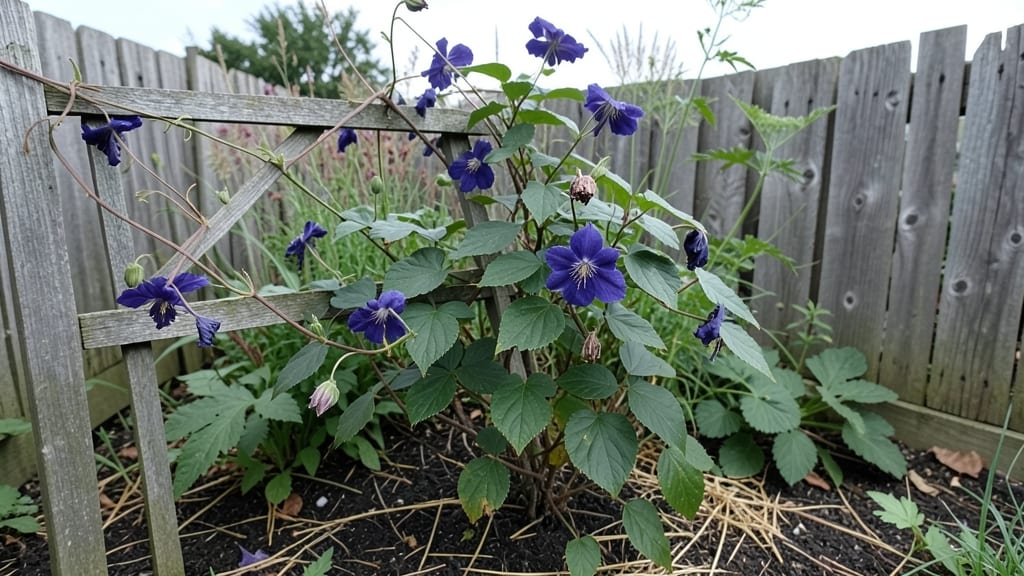
Mastering vine plants identification by their leaf shape and texture transforms tangled chaos into a garden mystery you can finally solve—here’s how I cracked the code. 🌿 in the details: whether the leaves are lobed, serrated, or smooth, and if the vine is fuzzy, thorny, or slick to the touch.
The right tools make all the difference: a magnifying glass for fine details, a field guide for regional species, or a free app like iNaturalist to cross-check your finds.
I once mistook poison ivy for Virginia creeper (both have three-leaf clusters, but one is harmless and the other is a skin disaster). A quick rub test with a leaf can save you weeks of itching.
Once you’ve got the ID down, you’ll know whether that vine belongs in your garden, needs to be removed, or can be trained for shade or privacy. Native species like trumpet vine add stunning blooms, while invasive ones like kudzu can strangle your yard.
The texture of the vine itself—whether it’s woody, flexible, or twining—often gives away its growth habits and care needs.
This guide covers the most common vines in North America, from morning glories to wisteria, with tips on differentiating toxic lookalikes and invasive species. By the end, you’ll spot a vine and instantly know if it’s a friend, foe, or something that needs a little guidance.
Let’s get started with the visual clues that matter most.
Root Causes of Vine Misidentification
Identifying vine plants can be tricky—especially when similar-looking species share overlapping traits like leaf shapes, tendrils, or climbing habits. But why do these mix-ups happen so often? The answer lies in a mix of biological similarities, environmental factors, and human perception quirks.
Below, we break down the most common reasons vine plants get confused, along with the science behind each one.
Many vine plants aren’t closely related but have evolved identical survival strategies—like climbing, leaf adaptations, or toxin production—to thrive in the same ecosystems. This phenomenon, called convergent evolution, explains why vines from different families (e.g., Clematis vs. Passiflora) can look eerily alike.
Why it matters:
- Leaf shape mimicry: Broad, lobed leaves (e.g., Boston Ivy vs. Virginia Creeper) evolve to maximize sunlight capture in shaded forests.
- Tendril vs. leaflet confusion: Some vines (like Grape) have tendrils that resemble leaf stalks, tricking observers into miscounting "leaflets."
- Toxic lookalikes: Poison Ivy (Toxicodendron radicans) and Virginia Creeper (Parthenocissus quinquefolia) both have three leaflets—but one’s deadly, the other’s harmless.
Actionable tip: 🔍 Check the leaf base: Poison Ivy’s leaflets grow directly from a single stem (no stem between leaflets), while Virginia Creeper’s have a central stalk. Snap a photo and zoom in!
Vines don’t stay the same year-round. Their leaf texture, color, and even vine thickness change with seasons, age, or stress—making identification a moving target. For example:
| Stage/Condition | What Changes | Example |
|---|---|---|
| Spring | New leaves emerge lobed or serrated (soft, fuzzy texture) | Wisteria (smooth leaves) vs. Honeysuckle (hairy stems) |
| Summer | Leaves harden, veins darken, vines thicken | Morning Glory (heart-shaped) vs. Sweet Pea (fern-like) |
| Fall | Color shifts (red/purple) or leaves drop prematurely | Clematis (green → bronze) vs. Bittersweet (orange berries) |
| Stress/Disease | Spots, curling, or stunted growth mimic other species | Powdery mildew on Grape vines vs. Wild Grape’s natural texture |
Actionable tip: 📅 Note the season: Take photos in spring (when leaves are most distinct) and fall (when colors reveal clues). Compare with databases like iNaturalist.
Our brains love patterns—and they fill in gaps when info is missing. This leads to three common pitfalls:
- Over-reliance on one trait:
- Seeing green berries? You might assume Grape—but Bittersweet or Virginia Creeper can have similar fruit.
- Noticing thorns? Roses aren’t the only culprits—Smilax (greenbrier) has razor-sharp hooks.
- Ignoring the vine’s attachment:
Vines climb differently:
- Tendrils (e.g., Passionflower) coil around supports.
- Adhesive pads (e.g., Poison Oak) stick like glue.
- Twining (e.g., Honeysuckle) wraps clockwise.
- Cultural stereotypes:
If you picture a "jungle vine," you might overlook native climbers like Trumpet Honeysuckle (which has tubular flowers, not broad leaves).
Actionable tip: 🧠 Use the "5-Sense Check":
- 👃 Smell: Honeysuckle is fragrant; Poison Ivy has no scent (but skin reaction tells the tale!).
- 🌡️ Touch: Run a finger along the vine—Bittersweet is smooth; Smilax is prickly.
- 🍃 Taste (CAUTION!): Mint leaves are safe; Poison Hemlock (not a vine but deadly) is not.
Some regions are hotspots for vine confusion because native and invasive species grow side by side. For example:
- Southeastern U.S.: Kudzu (aggressive invader) vs. Wisteria (ornamental but toxic). Both have long, trailing vines—but Kudzu’s leaves are three-lobed (like Poison Ivy’s), while Wisteria’s are pinnate (feather-like).
- Pacific Northwest: English Ivy (invasive) vs. Oregon Grape (native). Both have glossy leaves, but Oregon Grape has holly-like berries.
- Mediterranean climates: Bougainvillea (tropical) vs. Cape Honeysuckle (South African native). Both have thorns, but Bougainvillea’s "leaves" are actually bracts (modified leaves).
Actionable tip: 🗺️ Know your eco-region: Use the USDA Plant Hardiness Zone Map to cross-reference vines in your area. Invasive species often have no natural predators, so they spread faster and look "healthier" than natives.
Even experts get it wrong—because
Quick Fixes for Common Vine Plant Issues
Identifying vine plants is just the first step—keeping them thriving requires troubleshooting common problems. Below are practical, step-by-step solutions tailored to the most frequent challenges, from pest invasions to growth quirks, along with prevention tips to avoid future headaches. 🌿🔧
Signs: Chewed leaves, sticky residue, tiny holes, or visible bugs (aphids, spider mites, or whiteflies).
🔥 Immediate Action (Remove the Threat)
- Isolate the Plant 🏝️ Move the affected vine to a shaded, quarantined area to prevent pests from spreading to other plants.
- Blast Off Pests 💦 - Spray with Soapy Water: Mix 1 tbsp mild dish soap (like Castile) with 1 quart of water. Spray directly on pests (avoid over-saturating leaves). - Neem Oil Solution: Combine 1 tbsp neem oil, 1 tsp mild soap, and 1 quart of water.
Spray every 5–7 days for 2 weeks. ✨ Pro Tip: Test on a small leaf first—neem can burn sensitive vines!
- Manual Removal 👨🍳
- Aphids/Whiteflies: Use a strong stream of water or wipe them off with a damp cloth.
- Spider Mites: Spray with water to dislodge webs, then apply neem oil.
🌱 Prevention Tips
- Encourage Beneficial Insects: Plant marigolds or basil nearby to attract ladybugs and lacewings (natural predators).
- Prune Regularly: Remove yellowing or damaged leaves to reduce hiding spots.
- Inspect New Plants: Quarantine new vines for 2 weeks before introducing them to your garden.
Signs: Vines sprawling uncontrollably, blocking sunlight, or strangling nearby plants.
🔪 Trim with Purpose
- Identify the Growth Pattern 📝
- Fast-Growing Vines (e.g., Morning Glory, Ivy): Prune aggressively 2–3 times per season.
- Delicate Vines (e.g., Clematis, Wisteria): Trim lightly to encourage bushier growth.
- Prune at the Right Time ⏰
- Early Spring (Before New Growth): Best for most vines—cut back by 1/3 to shape and stimulate flowering.
- After Blooming (Late Summer): Deadhead spent flowers and trim leggy stems.
- Train Vines Properly 🪜
- Use trellises, stakes, or cages to guide growth.
- Weave young vines gently through supports to avoid damaging stems.
💡 Prevention Tips
- Choose the Right Vine: Opt for compact varieties (e.g., ‘Jackman’ Clematis) if space is limited.
- Fertilize Smartly: Use a balanced, slow-release fertilizer (10-10-10) to promote steady, manageable growth.
- Monitor Sunlight: Ensure vines get 6+ hours of sunlight—shady spots often lead to weak, sprawling growth.
Signs: Yellow patches, drooping leaves, or brown edges—often linked to overwatering, underwatering, or nutrient deficiencies.
💧 Fix the Watering Routine
| Issue | Solution | Prevention |
|---|---|---|
| Overwatering | Let soil dry 1–2 inches deep between waterings. Repot if roots are mushy. | Use well-draining soil + pots with holes. |
| Underwatering | Water deeply until it drains from the bottom. Mulch to retain moisture. | Water consistently (check soil daily in extreme heat). |
| Nutrient Deficiency | Fertilize with iron chelate (for yellowing) or balanced fertilizer (e.g., 5-5-5). | Feed every 4–6 weeks during growing season. |
🌡️ Additional Checks
- Fungal Issues (e.g., Powdery Mildew): Spray with baking soda mix (1 tsp baking soda + 1 quart water + a drop of soap) weekly.
- Root Bound: Gently loosen roots if the vine is pot-bound and repot with fresh soil.
🎯 Prevention Tips
- Test Your Soil: Use a DIY pH test kit—most vines prefer 6.0–7.0 pH.
- Avoid Crowding: Ensure vines have 6+ inches of space between plants for airflow.
Signs: Slow growth, small leaves, or weak stems—often due to poor soil, lack of sunlight, or root stress.
🌱 Give It a Growth Boost
- Amend the Soil 🌱
- Mix in compost or worm castings for nutrients.
- For sandy soil, add peat moss or coconut coir to retain moisture.
- Optimize Light ☀️
- Full Sun Lovers (e.g., Passionflower, Grape Vines): Move to a sunnier spot if leaves are pale.
- Partial Shade Vines (e.g., Boston Ivy): Ensure they get morning sun + afternoon shade.
- Root Stimulator 💪
- Soak roots in water + seaweed extract (1 tbsp per gallon) before repotting.
✨ Prevention Tips
- Choose the Right Spot: Research your vine’s sunlight needs before planting.
- Fertilize Seasonally: Use a vine-specific fertilizer (high in phosphorus for flowering vines).
If your vine is severely diseased or beyond saving, don’t hesitate to remove and replace it.
Use the opportunity to: - Rotate crops (if growing edible vines like peas or beans). - Test soil health before replanting. - Start fresh with a disease-resistant variety (e.g., ‘Nelly Moser’ Clematis for powdery mildew resistance).
Remember: Most vine issues are preventable with regular care. A little observation + quick action keeps your climbing companions happy and healthy! 🌿💚
Frequently asked questions about vine identification
How do I tell the difference between poison ivy and Virginia creeper?
Look at the leaf base: poison ivy’s leaflets grow directly from a single stem (no central stalk), while Virginia creeper has a distinct central stem with five leaflets. Also, rub the leaves—poison ivy causes an itchy rash, while Virginia creeper is harmless.
What’s the easiest way to identify vines without a guidebook?
Use your phone! Snap close-up photos of leaves, flowers, and stems, then upload them to apps like PictureThis or iNaturalist. These tools compare your images to a database of plants in your region. For quick checks, note leaf shape (lobed, serrated, or smooth) and vine texture (hairy, thorny, or smooth).
Are there toxic vines I should avoid in my garden?
Yes—poison ivy, poison oak, and bittersweet (while not deadly, it’s invasive) are common culprits. Always wear gloves when handling unfamiliar vines, especially those with three-leaf clusters. If you’re unsure, snap a photo and check with a local extension office.
How do I know if a vine is native or invasive in my area?
Check your USDA Plant Hardiness Zone and cross-reference with regional invasive species lists (available on EDDMapS or your state’s agriculture website). Native vines like trumpet honeysuckle support local wildlife, while invasives like kudzu or English ivy can smother other plants.
What’s the best time of year to identify vines?
Spring and early summer are ideal—leaves are fully formed but not yet hardened, making details like vein patterns and leaf edges easier to spot. Avoid fall when leaves may start changing color or dropping, which can obscure key identification features.