
Pests
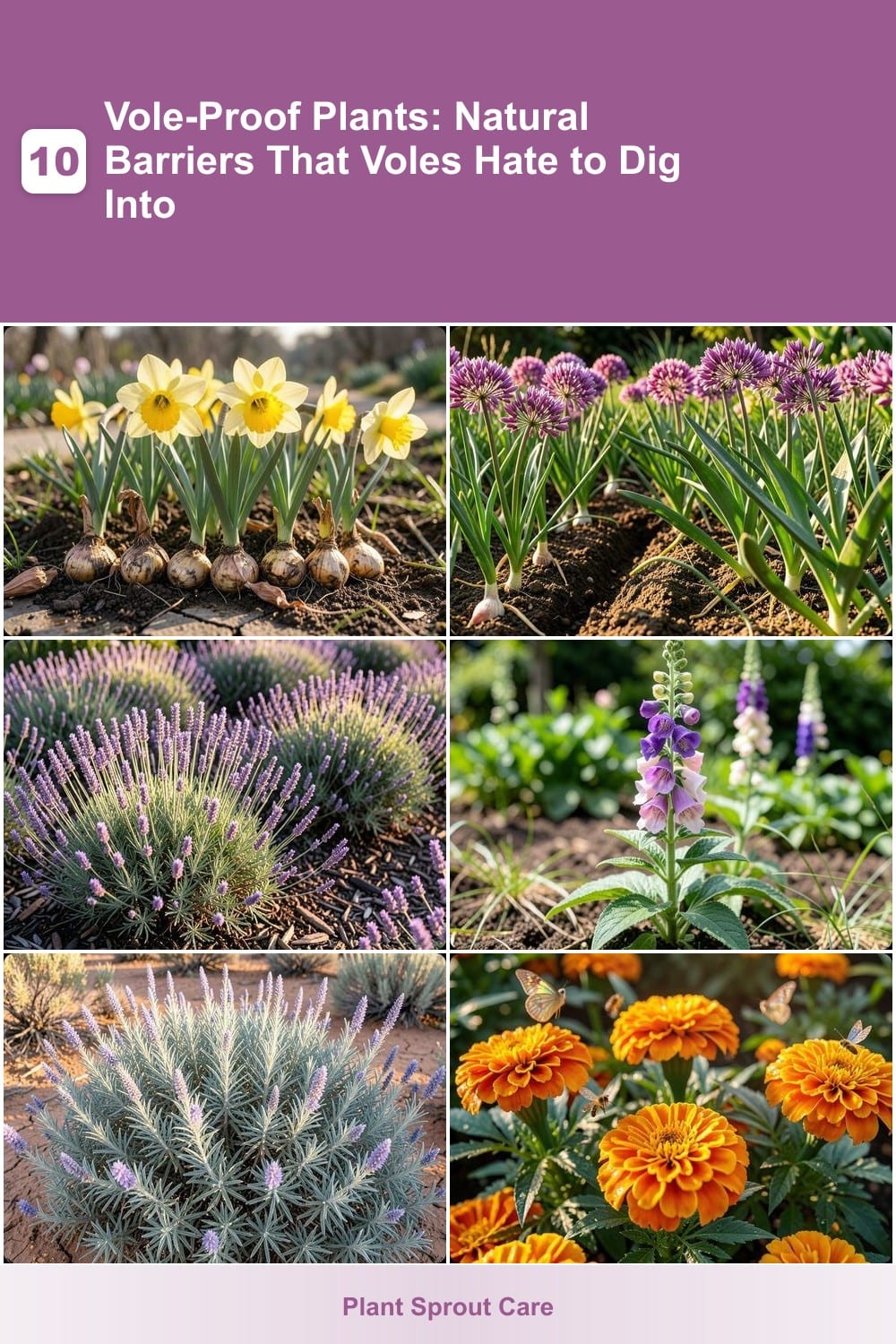
Tired of voles destroying your garden? These 10 vole-proof plants act as natural deterrents, repelling rodents with their scent, texture, or toxicity while adding beauty and value to your landscape.
Daffodils: Toxic Blooms Voles Avoid
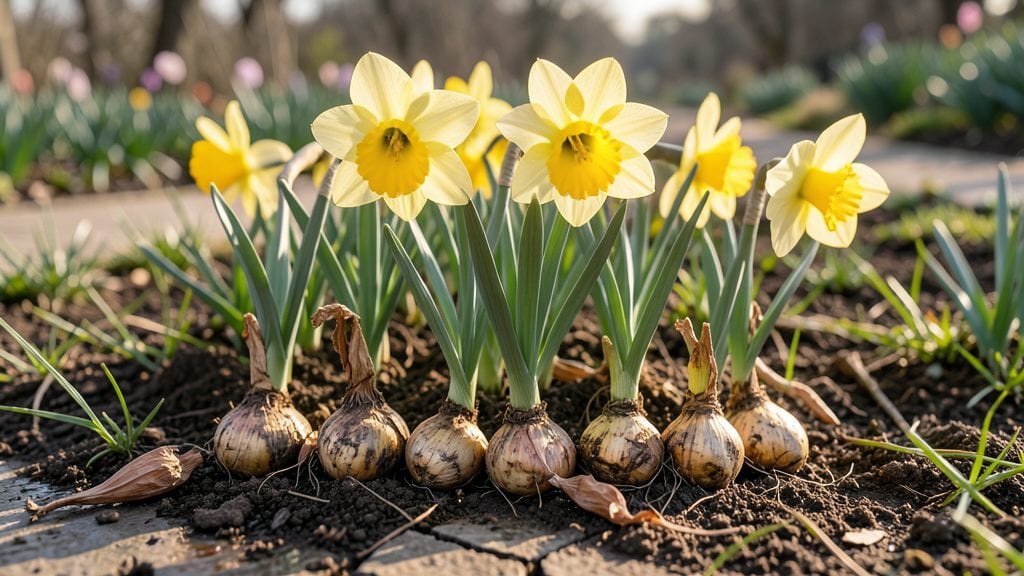
Spring’s first voles aren’t just a nuisance—they’re a threat to your daffodil bulbs, but here’s the twist: these cheerful blooms are nature’s own vole deterrent. Their bitter-tasting bulbs and bright yellow flowers create a double barrier that most rodents avoid, making them a top choice for early-season protection.
Plant daffodil bulbs in fall (6-8 weeks before frost) in well-draining soil with 6 hours of sun daily for best results. Their early spring blooms will emerge before voles become active, giving your garden a head start. Bonus: The flowers’ vibrant color also confuses and repels other pests like deer and rabbits.
Perfect for beginner gardeners or anyone wanting low-maintenance spring color, daffodils add beauty while keeping voles at bay—no fences or repellents required. 🌻
Alliums: Pungent Onion Family Protection
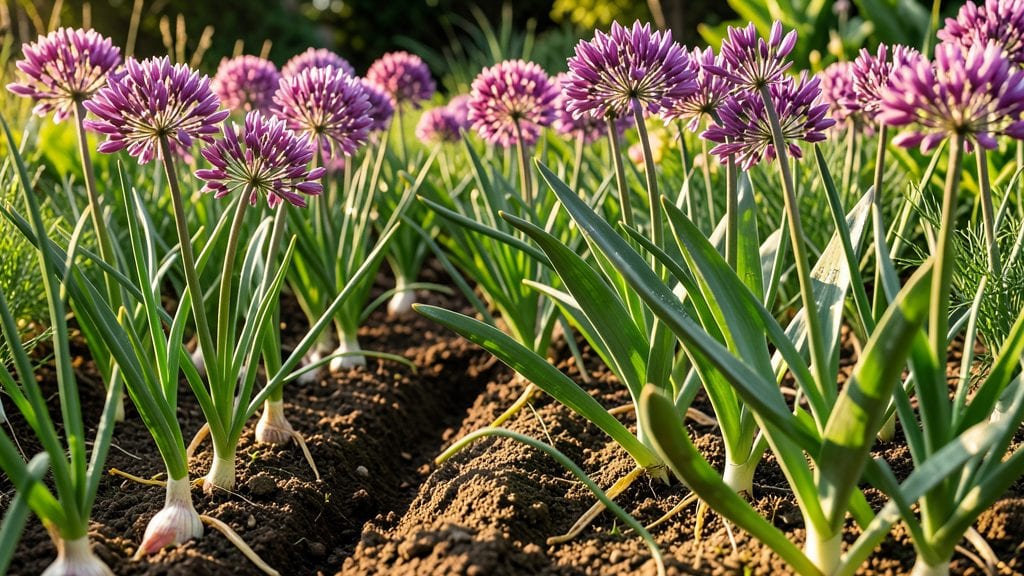
If you’ve ever lost a prized vegetable patch to burrowing voles, alliums might be your secret weapon. These onion-family plants—think chives, garlic, or ornamental varieties like Allium giganteum—emit a pungent scent that voles despise, making them ideal for both edible and ornamental gardens.
Plant allium bulbs in fall or early spring in well-draining soil with full sun to partial shade. Their spherical blooms (like globe alliums) add dramatic height to borders, while their strong aroma deters not just voles but also rabbits and deer. For edible gardens, try garlic chives—they’re easy to grow and double as a culinary herb.
Perfect for urban gardeners or those with limited space, alliums offer dual benefits: pest protection and striking visual appeal. Plus, they’re deer-resistant, so you get extra peace of mind. 🌿
Lavender: Fragrant Rodent Repellent
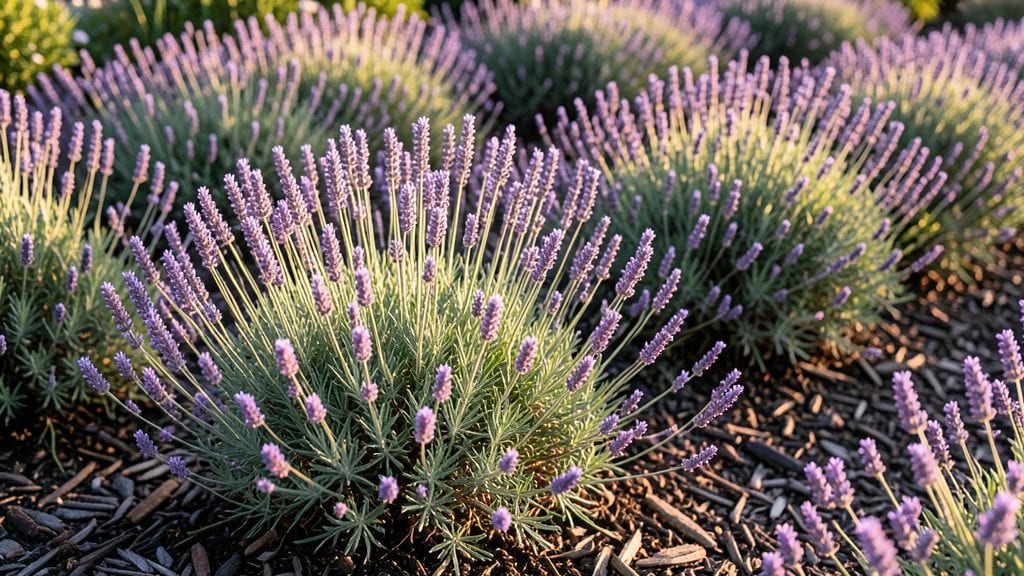
Forget toxic repellents or expensive fencing—lavender might be your garden’s secret weapon against voles. This fragrant shrub isn’t just pretty; its intense, woody scent is enough to make voles dig elsewhere, leaving your bulbs and roots untouched.
Plant lavender in full sun with well-draining soil (it hates soggy roots!) and space bushes 18-24 inches apart for airflow. Prune lightly after flowering to encourage bushier growth, and enjoy year-round fragrance—even when dried. Its drought tolerance means less watering for you, making it perfect for sunny, low-maintenance beds.
Ideal for Mediterranean-style gardens or sunny borders, lavender thrives where voles lurk, offering both beauty and protection without extra effort. 🌿
Foxglove: Tall Toxic Barrier Plant
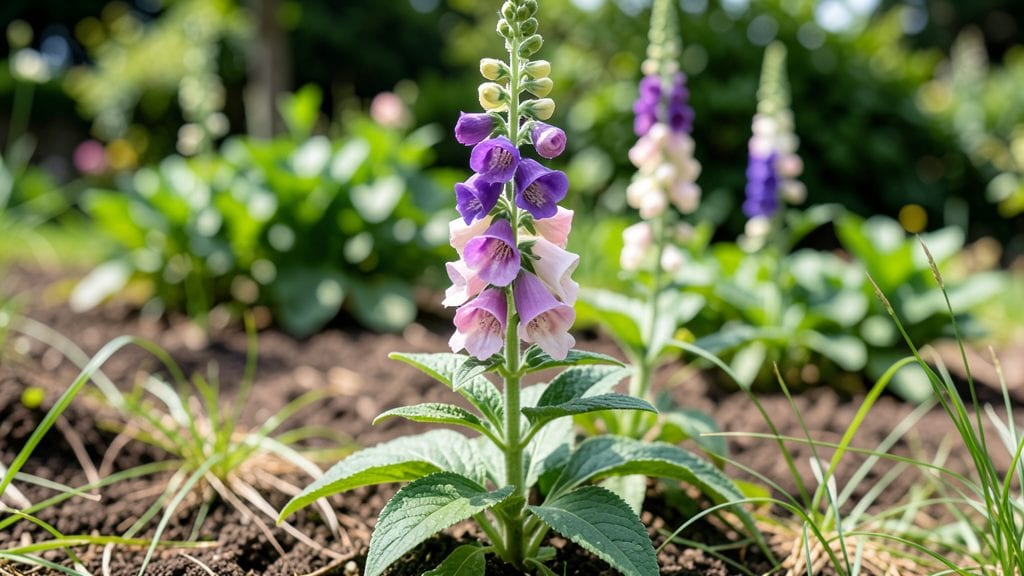
If you’re tired of voles tunneling through your garden beds, foxglove might be your unexpected ally. This striking perennial doesn’t just repel voles—it does so with a double defense: its cardiac glycosides (toxic compounds) and its towering height (3-5 feet), which creates a physical barrier they avoid digging under.
Plant foxglove in partial to full shade in well-draining soil, and watch it thrive in USDA zones 4-8. Its tall spikes of bell-shaped flowers add dramatic vertical interest to cottage gardens, while the toxic compounds deter voles without harming pollinators. Just be cautious—foxglove is toxic to humans and pets if ingested, so keep it away from children and animals.
Perfect for shady garden corners or as a back-of-border statement plant, foxglove combines beauty with vole protection—ideal for gardeners who love textural contrast and cottage-style designs. 💚
Russian Sage: Drought-Resistant Vole Deterrent
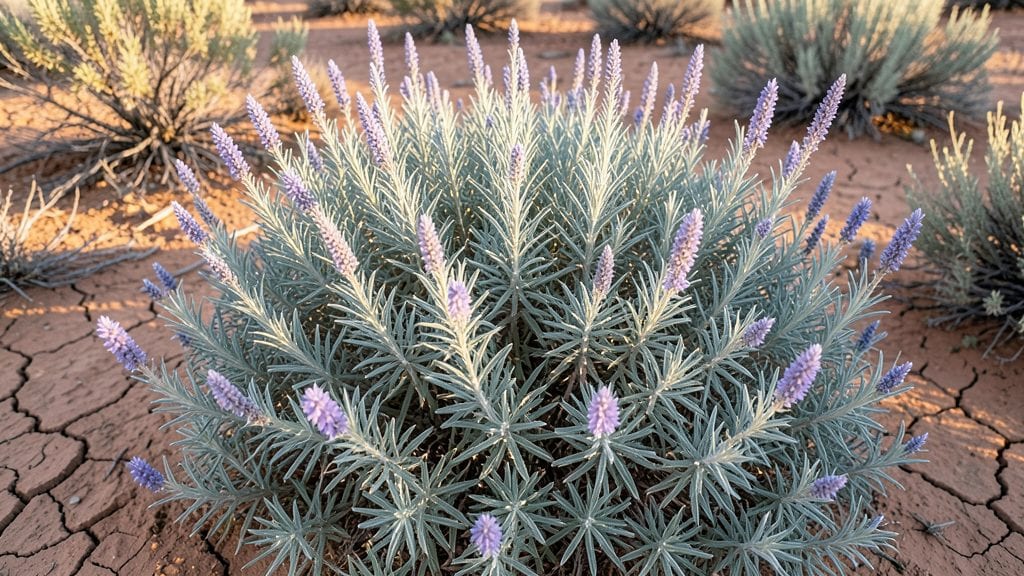
If your garden struggles with drought conditions and vole invasions, Russian sage might be the ultimate two-for-one solution. This hardy perennial doesn’t just repel voles—it thrives where other plants fail, making it a standout for xeric landscapes and low-water gardens.
Voles avoid its silvery foliage and strong, minty scent, while its lavender-blue flower spikes add late-summer color. Plant it in full sun with well-draining soil (even rocky or poor soil works!) and water only occasionally—it’s one of the most drought-tolerant perennials around. Prune back in early spring to encourage fresh growth, and enjoy its year-round structure and pollinator appeal.
Perfect for arid climates or low-maintenance gardeners, Russian sage delivers beauty and protection without the fuss. 🌻
Marigolds: Bright Flowers with Pesticidal Properties
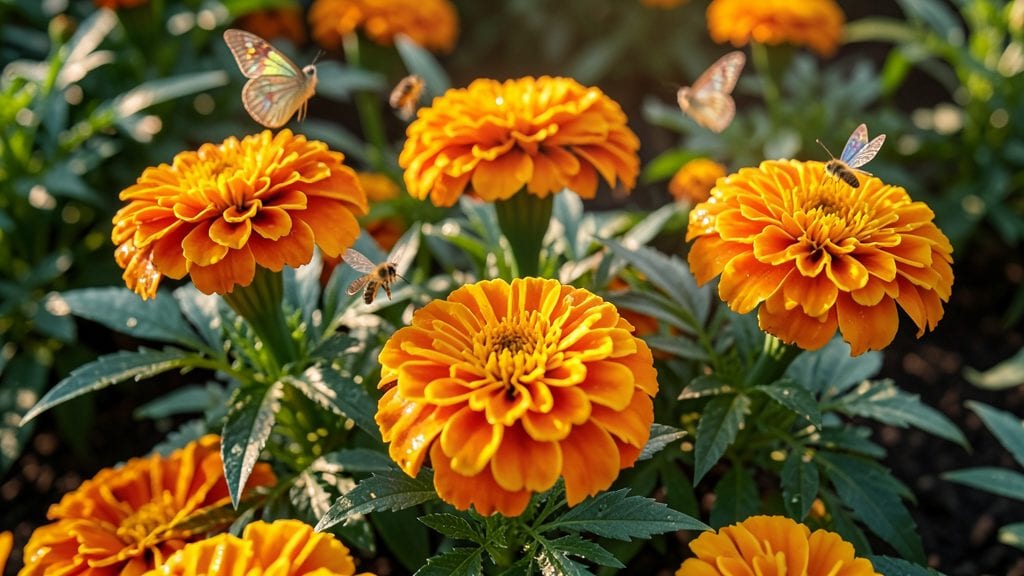
Want a plant that fights voles and invites pollinators? Marigolds pack a double punch with their pyrethrin-rich petals, a natural pesticide that repels voles while keeping other pests like aphids and nematodes at bay. Their bold orange and yellow blooms also act as a beacon for bees and butterflies, turning your garden into a thriving ecosystem.
Plant French marigolds (like 'Bonanza' or 'Tangerine') in full sun with well-draining soil, spacing them 12-18 inches apart for airflow. The key to their pest-fighting power is crushing a few leaves and scattering them near vulnerable areas—volem will avoid the scent. For extra protection, interplant them with vulnerable crops like tomatoes or peppers.
Perfect for container gardens or vegetable beds, marigolds add vibrant color while silently working to deter voles. Their fast growth (60-75 days to bloom) means you’ll see results before the season ends. 🌻
Boxwood Hedges: Dense Physical Barrier
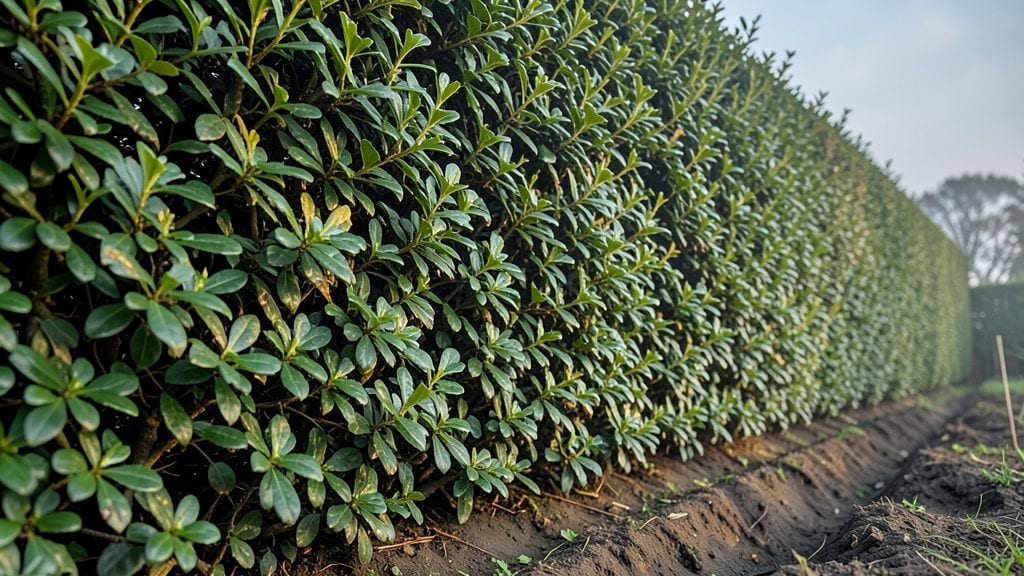
When voles start tunneling through your garden like tiny, furry wrecking balls, a boxwood hedge acts as nature’s unbreakable fortress. Unlike other plants that rely on scent or toxicity, boxwood’s dense, prickly foliage physically discourages voles from digging in—making it one of the most effective year-round barriers for landscapes.
Plant boxwood hedges in full sun to partial shade with well-draining soil, spacing them 2-3 feet apart for a tight, impenetrable wall. Prune annually in late spring to maintain sharp edges and encourage bushier growth. Their evergreen leaves provide structure even in winter, while their slow growth means minimal upkeep. For extra vole protection, plant them around vulnerable areas like vegetable beds or foundation plantings.
Perfect for formal gardens, privacy screens, or urban yards, boxwood hedges offer both aesthetic appeal and functional pest control—without chemicals or fences. 🌿
Crocus: Early Spring Vole Deterrent
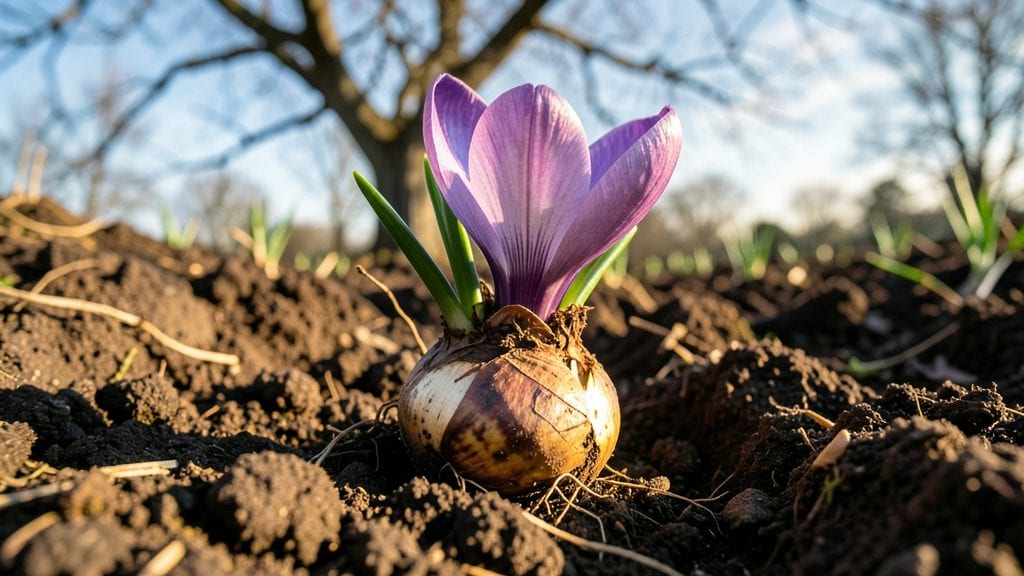
While most gardeners wait for spring to plant, crocus bulbs are already working underground to outsmart voles. These early bloomers contain bitter-tasting compounds that voles instinctively avoid, making them one of the first lines of defense for your garden—before other plants even emerge.
Plant crocus bulbs in fall (6-8 weeks before frost) in well-draining soil with full sun to partial shade. Their cheerful purple, white, or yellow flowers will appear in late winter or early spring, often poking through snow. The key to their vole-deterring power is their timing: they establish a presence before voles become active, creating a natural barrier for emerging perennials like tulips or peonies.
Perfect for woodland gardens, meadows, or under deciduous trees, crocus adds early color while silently protecting your soil. Gardeners with late-season vole issues will love this proactive approach—just 10 bulbs can make a difference. ✨
Rosemary: Culinary Herb with Pungent Scent
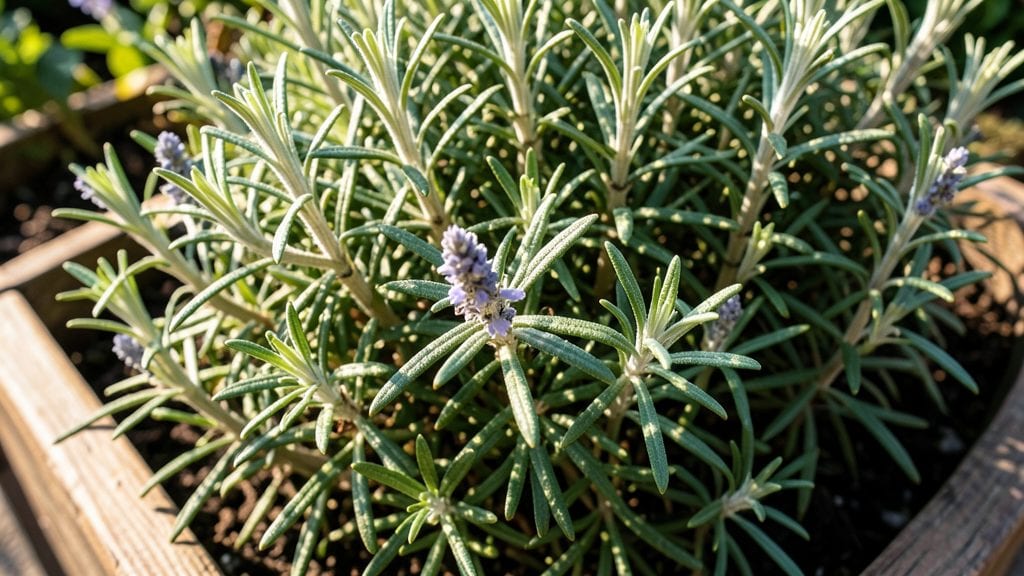
If you love fresh herbs but hate dealing with voles chewing through your garden, rosemary is your secret weapon. This versatile perennial doesn’t just repel voles with its intense, woody scent—it also doubles as a kitchen staple, making it one of the most practical vole-proof plants for edible gardens.
Plant rosemary in full sun with well-draining soil, whether in containers or garden beds. Its drought tolerance means you’ll rarely need to water once established, and it thrives in both hot, dry climates and cooler coastal areas. For extra vole protection, crush a few sprigs and place them near vulnerable areas—the strong aroma will send voles digging elsewhere.
Perfect for urban gardeners with patios or small spaces, rosemary offers both pest control and culinary benefits without sacrificing beauty. Plus, its evergreen foliage adds year-round structure to your garden. 💚
Yarrow: Tough Ground Cover with Repellent Properties
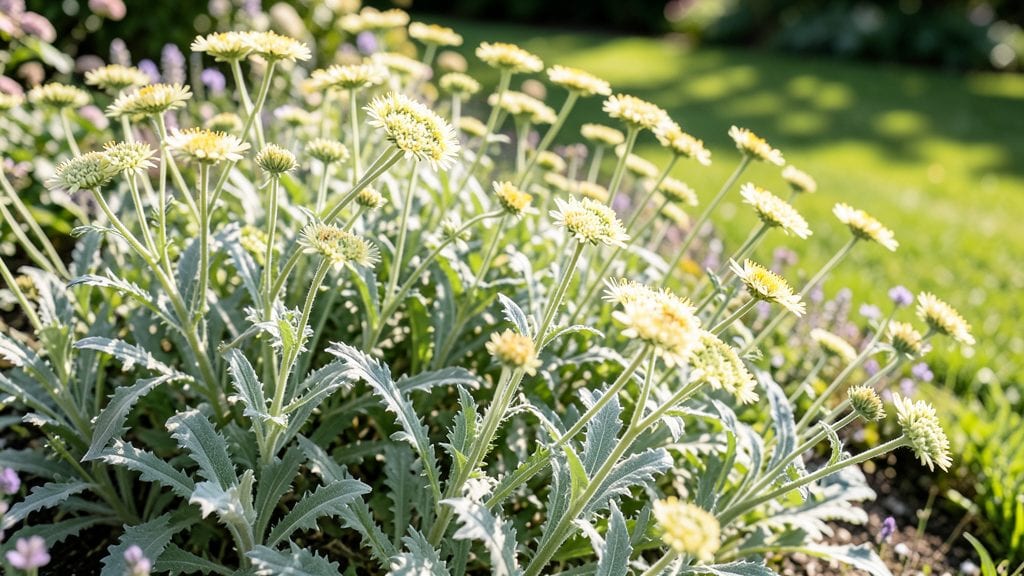
When voles seem unstoppable, yarrow steps in as your garden’s unsung hero—a fuzzy, fragrant ground cover that voles actively avoid. Unlike other plants that rely on toxicity or height, yarrow uses its strong, anise-like scent and velvety foliage to create a natural barrier, making it perfect for sunny, dry spots where voles dig.
This perennial powerhouse thrives in full sun with minimal water, spreading easily to form a dense mat that voles won’t disturb. Its flat-topped flower clusters (in white, pink, or yellow) bloom from summer to fall, attracting pollinators while its drought resistance means no extra work for you. Simply plant it in well-draining soil and let it self-seed for a low-maintenance, vole-proof carpet.
Ideal for rock gardens, slopes, or wildflower meadows, yarrow is a game-changer for gardeners in dry climates or those tired of replacing chewed-up plants. It’s also deer-resistant, so you get double protection. 🌿