
Watering
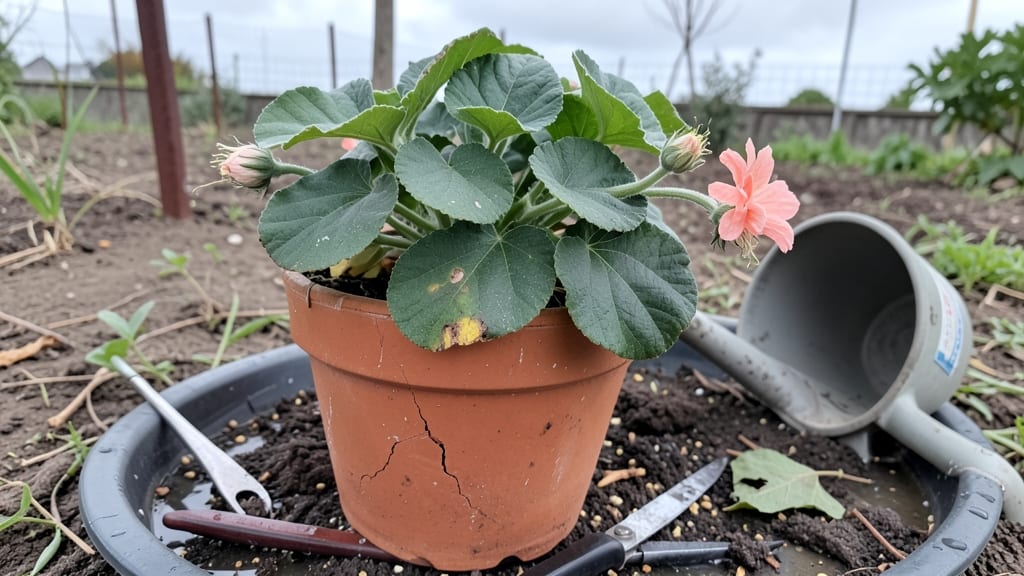
Before you book that watering plants vacation getaway, let me show you how to keep your garden thriving—no wilting in sight. ✨ I’ve tested every trick from DIY globes to high-tech timers, and the right system keeps your plants looking like you never left.
The key is matching the solution to your plants’ needs and your trip length.
Start with the basics: group pots together so moisture lingers longer, or use self-watering containers that release water gradually. For outdoor plants, consider drip irrigation on a timer or burlap sacks buried near roots to hold water like a sponge.
Indoor plants thrive with terracotta saucers filled with pebbles and water—roots sip as needed.
You’ll return to lush foliage and zero wilting if you prep right. Succulents and snake plants survive 2+ weeks with almost no water, while tropicals need a more sophisticated setup. The secret isn’t overwatering before you leave—it’s creating a slow-release system that mimics natural rainfall.
Even the fussiest plants can handle your absence with the right prep. Here’s how to pick the perfect system for your green babies and trip duration—no guilt, no dead leaves, just worry-free growing.
📚 In This Guide
- What you need
- Instructions
- Tips and common mistakes
- Wrapping up and next steps
What you need
- ● Self-watering globes or spikes: 1–2 per medium-sized pot (adjust for size; larger pots may need 2–3). Look for reusable, leak-proof options like blank">Orbit Bubble Wand or blank">Simplehuman.
- ● Water reservoir (bucket or large jug): 1–2 gallons, filled with room-temperature water (avoid tap water if it’s chlorinated—let it sit out for 24 hours).
- ● Slow-release watering granules: 1–2 packets (e.g., blank">Water Crystal or blank">Polyacrylamide gel) for thirsty plants like succulents or tropicals.
- ○ Drip irrigation kit (optional but ideal for gardens): 1–2 blank">soaker hoses or blank">micro-sprinklers with a timer (e.g., blank">Orbit B-Hyve).
- ● Scissors or pruners: 1 pair for trimming wicks or cutting soaker hoses.
- ● Plastic wrap or aluminum foil: A small roll to cover soil surfaces and reduce evaporation.
- ● Lightweight tray or saucer: 1–2 (for pots without drainage holes) to catch excess water.
- ● Measuring cup: 1 for calculating water amounts (e.g., 1 cup per globe/spike).
- ● Funnel: 1 to fill watering globes easily.
- ● Timer or smart plug: 1 (for drip systems; e.g., blank">Kasa Smart Plug to schedule watering).
- ● Plant food or fertilizer: 1 slow-release tablet (e.g., Osmocote) per pot for nutrient boosts.
- ● Notepad & pen: 1 to track watering schedules and plant needs.
Step-by-Step instructions for a hands-off vacation watering system
Here’s how to keep your garden lush and hydrated without lifting a finger while you’re away.
💧 Step 1: Group Plants by Water Needs
First, organize your plants into three moisture zones: drought-tolerant, moderate, and thirsty. I like to use colored stakes—red for high-water, yellow for medium, and green for low—to mark them quickly. This ensures you’re not overwatering succulents while underwatering tomatoes. Check each group’s last watering date and note how often they typically need moisture.
For example, herbs like rosemary and thyme might only need water every 10-14 days, while vegetables like lettuce or basil need daily attention. Grouping them saves time and prevents guesswork later. If you’re unsure, err on the side of less frequent watering—most plants recover better from drought than from root rot.
🪴 Step 2: Install Self-Watering Containers or Drip Lines
For potted plants, use the 3-gallon self-watering containers from your supplies. Fill the reservoir with water, then place the plant in the pot. The wick system slowly releases moisture as the soil dries, keeping roots hydrated for up to 7 days without refills. If you don’t have self-watering pots, bury a water-filled plastic bottle (with holes poked in the cap) next to the plant—it’ll seep moisture into the soil gradually.
For in-ground plants, set up a drip irrigation system using the ¼-inch tubing and emitters. Connect the tubing to a 5-gallon water jug elevated on a shelf or stand. The jug’s gravity feeds water through the tubing at a slow, steady rate, mimicking natural rainfall. Place emitters near the base of each plant’s dripline (the area where roots spread) to target moisture where it’s needed most.
⏰ Step 3: Schedule Smart Watering Timers
Program your smart watering timer to activate twice daily: once in the early morning (6-8 AM) and once in the early evening (4-6 PM). This mimics natural rainfall patterns and reduces evaporation. For potted plants, set the timer to run for 10-15 minutes per session—enough to saturate the soil without drowning it. For in-ground plants, adjust the runtime based on soil type: sandy soil needs 20-30 minutes, while clay soil may only need 10-15 minutes.
Test the system 24 hours before your trip by running it for a full cycle. Check soil moisture with your finger—it should feel damp but not soggy at a 2-inch depth. If water pools on the surface, adjust the timer’s runtime or reposition emitters to distribute water more evenly. Pro tip: Place a shallow tray under pots to catch runoff and redirect it back into the soil.
☀️ Step 4: Shield Plants from Direct Sun and Wind
Reduce water loss by shading sensitive plants with lightweight shade cloth (if temperatures will exceed 90°F while you’re away). Secure the cloth loosely—plants still need some sunlight to photosynthesize, but too much heat accelerates moisture evaporation. For windy areas, drape a breathable fabric barrier (like an old bedsheet) around plants to create a microclimate that retains humidity.
If you’re leaving for more than 10 days, consider mulching with the 2 bags of straw mulch. Spread a 2-inch layer around the base of plants (keeping it 2 inches away from stems to prevent rot). Mulch locks in moisture, suppresses weeds, and regulates soil temperature—critical for long vacations. Water deeply 24 hours before mulching to help the straw absorb and hold more moisture.
🌱 Step 5: Final Pre-Trip Check and Emergency Backup
On the day of your departure, give all plants a deep watering—soak the soil until water runs out the drainage holes (for pots) or seeps 6 inches into the ground (for in-ground plants). This ensures the self-watering systems have enough reserve to last. Trim any wilting or yellowing leaves to reduce transpiration (water loss), and close all windows to prevent drafts that dry out soil faster.
Leave clear, written instructions for a neighbor or house-sitter with:
- The timer’s schedule (morning/evening, runtime).
- Which plants need extra attention (e.g., "Water the basil pot manually every 3 days").
- How to refill the 5-gallon jug if it runs dry.
- Your emergency contact in case of power outages (they may need to manually water).
Real talk: Even the best systems can fail, so over-communicate—better to have someone check twice than risk coming home to crispy plants.
Tips & tricks for perfect hands-off plant watering
Here's what I've learned from years of keeping gardens thriving while traveling - these details make all the difference between returning to a lush oasis and a sad, crispy landscape.
Zone Organization Matters: The three-zone color-coding system in Step 1 isn't just organizational - it's a visual safety net. I've seen people accidentally overwater drought-tolerant plants because they didn't have this visual reminder. Use the colored stakes as your first line of defense against common vacation watering mistakes. And here's the thing: if you're still unsure about a plant's needs, default to the less frequent watering zone. Most plants will forgive you for slightly dry conditions, but they rarely recover from root rot.
System Testing is Non-Negotiable: That 24-hour test run before your trip in Step 3 isn't just about checking for leaks - it's your chance to calibrate the system. I once came home to a soggy garden because I skipped this step and didn't realize my emitters were too close together. During your test, pay special attention to how quickly water drains through different soil types. Sandy soil might need that full 20-30 minute runtime, while clay soil could get waterlogged if you don't reduce it to 10-15 minutes. The goal is damp soil at 2 inches deep, not a swamp.
Temperature-Proof Your Setup: The 90°F threshold mentioned for shade cloth isn't arbitrary - it's when evaporation rates skyrocket. I've had systems fail spectacularly in heatwaves because I didn't adjust for local forecasts. Check your extended weather forecast before your trip and adjust your shade cloth strategy accordingly. For extreme heat (above 100°F), consider adding a second layer of shade or moving shade cloth closer to the plants. And remember, wind accelerates moisture loss too - that breathable fabric barrier in windy areas can make the difference between success and failure.
Mulching Strategy for Long Trips: The 2-inch layer of straw mulch mentioned for trips over 10 days isn't just about moisture retention - it's about creating an insulating blanket. I learned this the hard way when I came home to frozen soil after a winter vacation. The mulch helps maintain consistent soil temperatures, which is especially critical in spring or fall when nighttime temps can drop dramatically. Pro tip: Water deeply 24 hours before applying mulch - this gives the straw time to absorb maximum moisture before you leave.
Pro Tips for Watering Plants Vacation
- Here's what I've learned from years of keeping gardens thriving while traveling - these details make all the difference between returning to a lush oasis and a sad, crispy landscape.
- Zone Organization Matters: The three-zone color-coding system in Step 1 isn't just organizational - it's a visual safety net.
- System Testing is Non-Negotiable: That 24-hour test run before your trip in Step 3 isn't just about checking for leaks - it's your chance to calibrate the system.
Frequently asked questions
Got questions about keeping your green friends happy while you’re away? Here are some of the most common concerns—and easy solutions—to help you relax without worrying about wilted leaves or sad soil.
How often should I water my plants before leaving for vacation?
Give your plants a deep watering 1-2 days before departure so the soil stays moist longer. For most houseplants, this means soaking the soil until water drains from the bottom. Succulents and cacti need less—just a light drink 24 hours ahead. Pro tip: Check soil moisture with your finger; if the top inch is dry, it’s time to water!
Can I use the same watering system for all types of plants?
Not quite! Self-watering systems work best for tropical plants, herbs, and leafy greens that love consistent moisture. For succulents or drought-tolerant plants, opt for wick-based systems or pebble trays instead. Warning: Overwatering can harm root systems—always match the method to your plant’s needs!
What’s the longest I can leave my plants unattended?
Most self-watering systems (like wicking beds or smart bottles) can handle 2-4 weeks without refills, depending on plant size and pot material. For longer trips, group plants with similar watering needs and use a hydration mat for extra insurance. Pro tip: Place plants in a shaded spot to slow evaporation!
What do I do if I come home and my plants look sad?
Don’t panic! First, check the soil moisture—it might just need a drink. If leaves are yellow or mushy, your plant may have overwatered. Trim damaged foliage and repot if roots smell rotten. For underwatered plants, soak the soil gradually. Quick fix: Mist leaves (if dusty) and move to indirect light to help recovery.
Are DIY watering solutions cheaper than buying kits?
Absolutely!
DIY options like plastic bottles with wicks or terracotta pots buried in water cost pennies compared to smart systems. For a $5 investment, you can rig up a setup that rivals $50 gadgets. Bonus: Upcycle materials like old containers or socks for wicks—zero waste!
Can I water outdoor plants the same way?
Outdoor plants need a different approach! For containers, use self-watering globes or drip irrigation on a timer. For in-ground plants, bury a water-filled bottle near roots or use a soaker hose with a slow release. Pro tip: Mulch heavily to lock in moisture—this cuts watering needs by 30%!
Wrapping up and next steps
Keeping your plants happy while you’re away doesn’t have to be stressful—with the right hands-off watering system, your garden can thrive even in your absence! 🌿 Whether you choose self-watering globes, wicking beds, or smart irrigation, the key is consistency and preparation.
Trust the process, and you’ll return to lush, vibrant plants that make your vacation even sweeter.
Ready to set up your system? Start small—test one method with a few plants first, then expand as you gain confidence. Your green thumb (and your plants!) will thank you. 🌱