
Watering
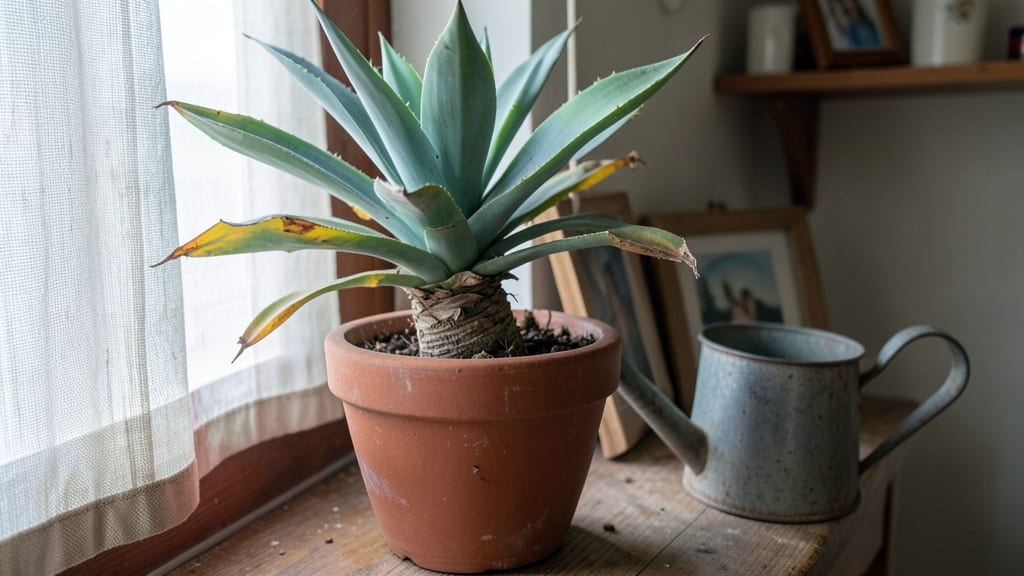
Overwatering yucca plants turns their crispy edges into sad, mushy stems—something I fixed after my own plant looked like a drowned sponge. 🌱 The first sign?
Yellowing leaves that won’t bounce back, even when you stop watering. Yuccas store water like succulents, so they hate soggy soil more than they love attention.
Here’s the hard truth: most people overwater because they think yuccas need regular drinks. They don’t. A quick soil check with your finger—if it’s damp 2 inches down, wait another week—saves plants every time.
The fix starts with drainage: amend heavy soil with perlite or grit, and use pots with drainage holes. No exceptions.
You’ll see improvement in just a few weeks: crisp new growth at the base, leaves perking up, and that signature yucca resilience returning. The key is patience—let the roots recover before resuming a light watering schedule.
Once you’ve mastered this, your yucca will thrive like it’s been in the desert for years.
This works for both potted yuccas and in-ground plants, though containers dry out faster. For extra insurance, add a layer of gravel at the pot’s bottom. Now, let’s get that plant back to its drought-loving roots.
Why it happens
Overwatering a yucca plant isn’t just a matter of giving it too much love—it’s a scientific mismatch between its natural habitat and your watering habits. Yuccas, native to arid deserts and semiarid regions, have evolved to thrive in conditions where water is scarce, not abundant.
When you overwater, you’re essentially drowning a plant that’s adapted to survive droughts. Let’s break down the real culprits behind this common (and preventable) issue.
🌡️ Soil That Holds Too Much Water
Yuccas despise soggy soil because their roots need oxygen to function. When soil stays wet for too long, it creates an anaerobic environment—meaning oxygen levels drop, and harmful microbes (like Pythium and Phytophthora) thrive.
These microbes attack root cells, leading to root rot, a fungal or bacterial infection that turns healthy roots mushy and brown.
Why does this happen?
- Compacted or clay-heavy soil drains poorly, trapping water around roots like a sponge. Yuccas need fast-draining soil (think: 50-70% mineral content, like coarse sand or perlite).
- Lack of organic matter: While yuccas don’t need rich soil, a mix with 20-30% compost can improve drainage—but only if it’s chunky, not fine and dense.
- No raised beds or containers: If planted directly in garden soil without elevation, water pools at the base, suffocating roots.
Pro Tip: 💡 Test your soil’s drainage by filling a pot with soil and water. If water sits above the soil line after 30 minutes, it’s too dense. Amend with pumice, lava rock, or horticultural grit to create air pockets.
💧 Watering on a Schedule (Not by Need)
Yuccas follow a “soak and dry” cycle—meaning they prefer infrequent, deep watering rather than light, frequent sips. When you water on a rigid schedule (e.g., every Tuesday), you risk:
- Over-saturation: Even if the topsoil looks dry, roots may still be waterlogged from previous sessions.
- Weak root signals: Yuccas slow their root growth in wet conditions, tricking you into thinking they’re “thirsty” when they’re actually conserving energy.
- Seasonal mismatches: Watering a yucca the same in summer (active growth) as in winter (dormancy) is like giving a marathon runner espresso before bed—counterproductive.
Instead, use the “finger test”: Stick your finger 2-3 inches into the soil. If it’s dry at that depth, water thoroughly until it drains from the bottom. If it’s still damp, wait.
🌧️ Environmental Factors You Can’t Control (But Can Adapt To)
Sometimes, overwatering is a collateral damage of other conditions. Here’s how humidity, temperature, and even your home’s layout play a role:
| Factor | How It Causes Overwatering | Fix It Like This |
|---|---|---|
| High Humidity (e.g., bathrooms, kitchens) | Moist air slows evaporation, keeping soil damp longer. Yuccas in these spots may need 50% less water. | Use a dehumidifier near the plant or move it to a drier room. |
| Cold Temperatures (below 60°F) | Yuccas go dormant in cool weather, slowing water absorption. Soil stays wet because the plant isn’t “drinking.” | Reduce watering by half in winter and place in bright, indirect light. |
| Poor Airflow (e.g., crowded pots, no ventilation) | Stagnant air traps moisture around leaves and soil, mimicking a rainforest—yuccas need desert-like airflow. | Space plants 3-4 feet apart and use a small fan on low to mimic wind. |
Warning Sign: 🚨 If your yucca’s leaves start yellowing at the tips or develop soft, brown patches, it’s often a sign of edema (water blisters) or fungal infection—both linked to overwatering.
🏺 Pot Problems: When Containers Trap Water
Not all pots are created equal. Yuccas in the wrong container can turn your watering routine into a root-drowning disaster. Here’s why:
- No drainage holes: Water pools at the bottom, creating a permanent swamp at the root zone.
- Glazed or sealed pots: Even with holes, glazed ceramic or plastic can wick moisture back into the soil.
- Too small: Roots outgrow the pot, circling and strangling themselves in compacted soil.
Solution: Choose terracotta, fiberglass, or unglazed ceramic pots with 3+ drainage holes. For containers without holes, add a 2-inch layer of pebbles at the bottom—but never let roots grow into the pebbles.
Revive Your Yucca With These Fixes
Overwatering can turn your yucca’s lush green leaves into a sad, mushy mess—but don’t worry! With the right steps, you can nurse it back to health. Below are targeted solutions based on the most common causes of overwatering, plus prevention tips to keep your plant thriving long-term.
Cause: Excess moisture without drying time Fix:
- Pause all watering for at least 7–10 days to allow the soil to dry out completely.
- If the pot feels heavy or soggy, skip watering for 2 weeks—yuccas store water in their roots and can handle drought better than soggy soil.
- Check the soil by sticking your finger 2–3 inches deep. If it’s damp, wait longer.
💡 Pro Tip: If your yucca is in a terracotta pot, it dries faster—great for recovery. If it’s plastic, reduce watering further.
Cause: Poor drainage trapping water Fix:
- Move to a pot with drainage holes (if not already present). Yuccas hate sitting in water.
- Repot if needed—use a fast-draining mix:
- 50% cactus/succulent soil (or regular potting mix + perlite)
- 30% perlite or pumice (for aeration)
- 20% coarse sand or gravel (to prevent compaction)
- Elevate the pot on a cactus tray or saucer with pebbles to keep roots from sitting in saucer water.
✨ Quick Fix: If repotting isn’t an option, add a handful of perlite to the top inch of soil to help dry it faster.
Cause: Root rot spreading from overwatering Fix:
- Gently remove the plant from its pot and rinse roots in lukewarm water to wash away soil.
- Inspect roots:
- Healthy roots = firm, white, or light tan.
- Rotten roots = mushy, brown/black, or smell foul. Snip these off with sterilized scissors (dip in rubbing alcohol).
- Trim dead leaves at the base—this helps the plant redirect energy to recovery.
🔪 Safety First: Wear gloves—rotten roots can be slimy and may harbor bacteria.
Cause: Overzealous or inconsistent watering Fix:
- Water only when soil is bone-dry (stick your finger in—if it’s dry 2–3 inches down, it’s time).
- Water deeply but infrequently: Soak the soil until water runs out the drainage holes, then wait 2–3 weeks before watering again.
- Avoid misting—yuccas prefer dry air.
📊 Watering Schedule Cheat Sheet:
| Season | Frequency | Amount |
|---|---|---|
| Spring/Fall | Every 2–3 weeks | Until drainage holes leak |
| Summer | Every 3–4 weeks | Less often (heat dries soil faster) |
| Winter | Every 4–6 weeks | Minimal water—yuccas rest! |
Cause: Habit or environmental factors Fix:
- Use moisture meters (cheap and lifesaving!) to avoid guessing.
- Group yuccas with succulents—they share similar care needs.
- Avoid glass containers (like terrariums)—they trap humidity.
- Fertilize lightly (only in spring/summer) with a diluted succulent fertilizer—too much food = more thirsty roots.
🎯 Long-Term Hack: Place a small rock or pebble in the saucer to wick away excess water if accidental spills happen.
Result? With these steps, your yucca should bounce back in 4–8 weeks. Keep an eye on new growth—if it’s firm and green, you’re on the right track! 🌿
Frequently asked questions
How do I know if my yucca plant is overwatered?
Watch for yellowing leaves, especially at the base, and soft, mushy stems that feel squishy when pressed. Other red flags include brown, drooping leaves and a foul smell from the soil—signs of root rot. If the pot feels unusually heavy, that’s another clue your yucca’s been getting too much water.
Can an overwatered yucca plant be saved?
Yes! The key is acting fast. Stop watering immediately, let the soil dry completely, and check for root rot. Trim any mushy roots, repot in fresh, fast-draining soil, and place it in bright, indirect light. With proper care, your yucca can recover in 4-8 weeks—just be patient and avoid watering until the soil is bone-dry.
Why does my yucca plant keep getting overwatered?
Yuccas store water like succulents, so they thrive on infrequent, deep watering—not regular drinks. Many people water on a schedule, but yuccas need the “soak and dry” method. Use the finger test: if the soil is damp 2-3 inches down, wait before watering again. Also, check your pot—no drainage holes or heavy soil can trap moisture.
What’s the best soil mix to prevent overwatering?
Yuccas need fast-draining soil to avoid soggy roots. Mix 50% cactus/succulent soil with 30% perlite or pumice and 20% coarse sand or gravel. This creates air pockets that prevent waterlogging. For potted yuccas, terracotta pots work best—they wick moisture away faster than plastic.
How often should I water my yucca plant?
Water only when the soil is completely dry—typically every 2-4 weeks, depending on season and pot size. In summer, water every 3-4 weeks; in winter, reduce to once every 4-6 weeks. Always water deeply until it drains from the bottom, then let excess water escape completely before placing back in its saucer.