
Companion Plants
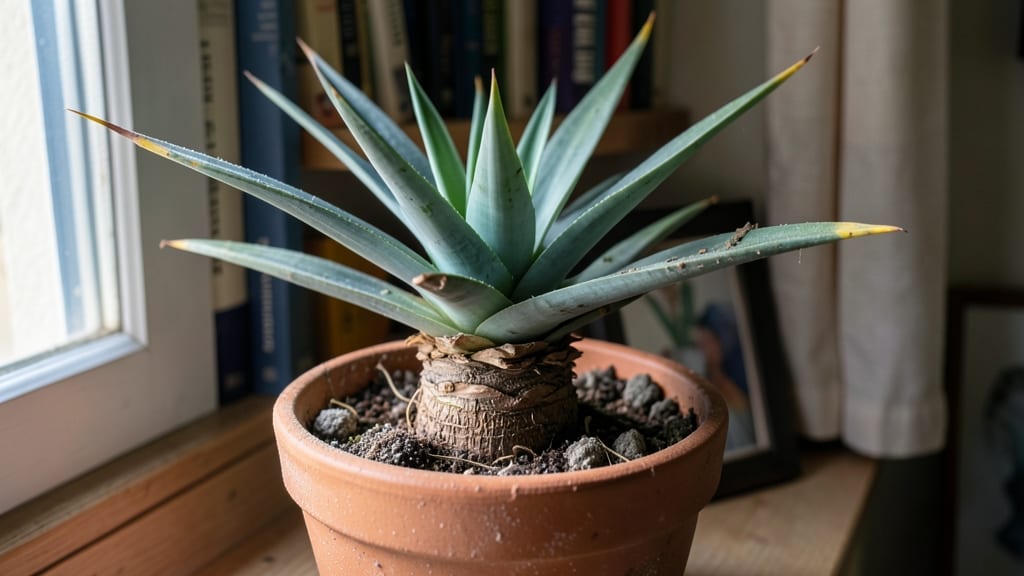
Yucca plants turn your garden into a desert oasis with almost no effort. 🌵 I’ve grown them for years, and they’ve never once complained—no wilting, no begging for water, just that striking architectural form that keeps getting better.
The secret lies in their love of neglect, but they do need a few basics to truly shine.
Start with well-draining soil and a sunny spot—think full sun for at least 6 hours a day. Yuccas hate soggy roots, so raise beds or amend heavy soil with sand or gravel.
Once planted, water them deeply but infrequently; after establishment, they’ll survive on rainfall alone. This isn’t just low-maintenance—it’s zero-maintenance once rooted.
You’ll end up with sword-like foliage that catches the light and thrives through droughts, heatwaves, and even light frosts. Prune only to remove dead leaves or spent flower stalks, and watch as they grow 3-4 feet tall over time.
The best part? They multiply effortlessly, making them perfect for borders, containers, or even as statement plants in dry landscapes.
Whether you’re a beginner or a seasoned gardener, yuccas reward patience with lush, carefree growth. They pair beautifully with succulents, agave, or ornamental grasses, creating a textured, drought-tolerant display that needs almost nothing from you. Let’s get yours planted right the first time.
📚 In This Guide
- What you need
- Instructions
- Tips and common mistakes
- Wrapping up and next steps
What you need
- ● Yucca plant(s): 1–3 mature plants (or bare-root starters for propagation)
- ● Choose Yucca filamentosa (Adam’s needle) or Yucca rostrata (Spanish dagger) for classic varieties
- ● Well-draining soil: 6–10 bags (2–3 cubic feet each) of cactus/succulent mix or amended garden soil (50% native soil + 50% sand/perlite)
- ● pH range: 6.0–7.5 (neutral to slightly acidic)
- ● Planting site: Full sun (6+ hours daily) in USDA Zones 4–11
- ● Spacious area (yuccas spread 2–4 feet wide over time)
- ● Basic tools: 1 trowel or spade
- ● 1 pair of pruning shears (sterilized)
- ● 1 watering can or hose with a gentle nozzle
- ● Mulch (1–2 bags of gravel or coarse sand to deter weeds and improve drainage)
- ● Slow-release fertilizer (e.g., 10-10-10, 1 lb per 10 sq ft, applied once annually in spring)
- ● Plant markers (to label varieties if testing multiple types)
- ● Gloves (yucca leaves can be sharp!)
Step-by-Step instructions for planting and establishing yucca plants
Yuccas reward you for doing almost nothing—here's how to plant them for maximum resilience.
🪴 Step 1: Choose the Perfect Location for Your Yucca
Yuccas demand full sun—at least 6-8 hours daily—and hate soggy roots. I always pick the driest, sunniest corner of my garden, often against a south-facing wall where they get reflected heat. The soil should drain like a sieve; if your yard holds moisture, amend with 2-3 inches of gravel below the planting hole.
Here's the thing—yuccas tolerate poor soil, but they flourish in well-draining, slightly rocky ground. If your native soil is heavy clay, mix in equal parts sand and native soil for the hole. Test drainage before planting: dig a 12-inch deep test hole, fill with water, and wait 30 minutes. If water remains, you need more gravel.
🌱 Step 2: Plant at the Right Depth and Spacing
Dig a hole twice as wide as the root ball but no deeper—yuccas hate being buried too deep. The top of the root ball should sit 1-2 inches above ground level; planting too deep suffocates the base and causes rot. Gently loosen the roots if they're circling in the pot before placing them in the hole.
Space mature yuccas 4-6 feet apart for full-size plants, but pups (offspring) can go in 3 feet apart. I always plant in clusters of three for a natural, fuller look—yuccas spread underground and look stunning when grouped. Backfill with native soil mixed with 1 cup of coarse sand per plant to improve drainage.
☀️ Step 3: Water Deeply Only After Planting
Yuccas are drought-tolerant once established, but they need a good drink after planting. Water deeply—1-2 gallons per plant—until water runs out the bottom of the hole. This encourages roots to grow downward where moisture lingers. After that, water only when the soil feels bone-dry 2-3 inches down.
Here's what I do: stick my finger in the soil. If it feels like a dry sponge, water thoroughly. If it's still damp, wait. Overwatering is the fastest way to kill a yucca—roots rot in soggy conditions. After the first year, you'll rarely need to water unless you're in an extreme drought.
✂️ Step 4: Prune Only When Necessary
Yuccas rarely need pruning, but if a stalk dies back after flowering or gets damaged, cut it at the base with sterilized pruners. Never trim healthy foliage—yuccas store water in their leaves, and removing them weakens the plant. I only prune when more than half the stalk is brown and crispy.
Remove spent flower stalks after they brown completely—this redirects energy to leaf and root growth. Yuccas bloom on old growth, so never cut back healthy foliage in winter. If you see yellowing leaves, that's normal aging; just trim them at the base when they're completely brown.
⏰ Step 5: Mulch Lightly for Winter Protection
Yuccas handle cold well, but a 2-3 inch layer of gravel mulch protects roots in winter. I spread the gravel in a 6-inch diameter circle around the base, keeping it 3 inches away from the trunk to prevent rot. This reflects heat in summer and insulates roots in winter.
Skip organic mulch—it retains too much moisture and invites pests. Yuccas are tough, but even they appreciate a little winter help in zones with hard freezes. After the last frost, remove any remaining mulch to let roots breathe and warm up naturally.
Tips & tricks for perfect yucca plant establishment
Yuccas are the ultimate low-maintenance plants, but a few strategic moves will help them thrive even longer. Here's what I've learned after watching mine flourish for over a decade.
The Sunlight Secret: In Step 1, when selecting your location, prioritize southern exposure—this gives you the full 6-8 hours of direct sunlight yuccas crave. I've seen yuccas in partial shade survive, but they never grow as vigorously or develop those striking flower spikes. If your yard has limited sun, consider container growing where you can move them to sunnier spots during winter months.
Drainage is Non-Negotiable: That 30-minute drainage test in Step 1 is your best friend. I've had multiple yuccas fail because I skipped this step, thinking "it'll be fine." Trust me—if water remains after 30 minutes, amend with more gravel or create a raised bed. Yuccas will forgive many things, but soggy roots won't. For heavy clay soils, I mix in equal parts sand and native soil throughout the entire planting area, not just the hole.
Root Ball Liberation: In Step 2, don't skip loosening those circling roots before planting. I use my fingers to gently separate them—this prevents girdling as the plant matures. For container-grown yuccas, score the bottom of the pot with a knife if you see dense root balls. This encourages outward root growth rather than a tangled mess. The 1-2 inch elevation above ground level is crucial—it prevents water from pooling against the trunk during those rare heavy rains.
Winter Protection Hack: For Step 5, if you're in a zone with hard freezes, I recommend adding a thin layer of burlap around the base before applying gravel mulch. This extra insulation helps protect the crown during temperature swings. Remove it in early spring once stable temperatures return. The 6-inch diameter gravel circle works beautifully, but I've also used crushed granite for a more natural desert look.
Pro Tips for Garden Yucca Plants
- Yuccas are the ultimate low-maintenance plants, but a few strategic moves will help them thrive even longer.
- The Sunlight Secret: In Step 1, when selecting your location, prioritize southern exposure—this gives you the full 6-8 hours of direct sunlight yuccas crave.
- Drainage is Non-Negotiable: That 30-minute drainage test in Step 1 is your best friend.
Frequently asked questions
Got questions about growing garden yucca plants?
You’re not alone! Here are answers to the most common queries to help you nurture these drought-tolerant beauties with ease.
How often should I water my yucca plant?
Yucca plants are seriously low-maintenance—water them only when the soil is completely dry, usually every 2–3 weeks in summer and monthly in winter. Overwatering is their #1 enemy! Let the soil dry out between waterings, and you’ll avoid root rot.
Can yucca plants survive winter in cold climates?
Most garden yucca varieties (like Yucca filamentosa or Yucca rostrata) tolerate light frost down to 10–15°F (-12 to -9°C). For harsher winters, mulch the base with straw or shredded leaves to protect roots. If you’re in Zone 5 or colder, consider container-growing for easy winter moves indoors.
What pests or diseases should I watch for?
Yuccas are tough, but scale insects, mealybugs, and yucca moths (which pollinate but can overdo it) might visit. Wipe pests off with soapy water, and prune damaged leaves. Fungal issues like leaf spot can occur if water pools—ensure proper drainage!
Are there non-toxic alternatives to yucca for pets?
While yuccas are mildly toxic to pets (causing stomach upset if ingested), safer drought-loving swaps include sedum, agave, or aloe vera. These still offer texture and resilience without the risk. Just avoid dieffenbachia or lilies—those are true troublemakers!
How do I propagate yucca plants?
Propagating yucca is a breeze! Snip off healthy side shoots (pups) in early spring, let them callus for a day, then plant in well-draining soil. Keep the soil lightly moist until roots establish (4–6 weeks). Dividing mature clumps is another easy method—just separate roots carefully!
Pro Tip:
Yuccas love full sun but can handle partial shade in hotter climates. If leaves turn yellow or brown, it’s usually a sign of overwatering or poor drainage—adjust your care routine and watch them bounce back!
Wrapping up and next steps
Garden yucca plants are the ultimate low-maintenance superstars for any landscape—beautiful, drought-resistant, and effortlessly hardy. Whether you’re a seasoned gardener or just starting, these perennials prove that stunning results don’t require constant care. 🌵✨
Ready to transform your outdoor space? Start by selecting the perfect spot, prepping the soil, and planting your yucca with confidence. Next, pair it with complementary plants like succulents or ornamental grasses to create a thriving, desert-inspired garden that wows year after year!