
Blooming
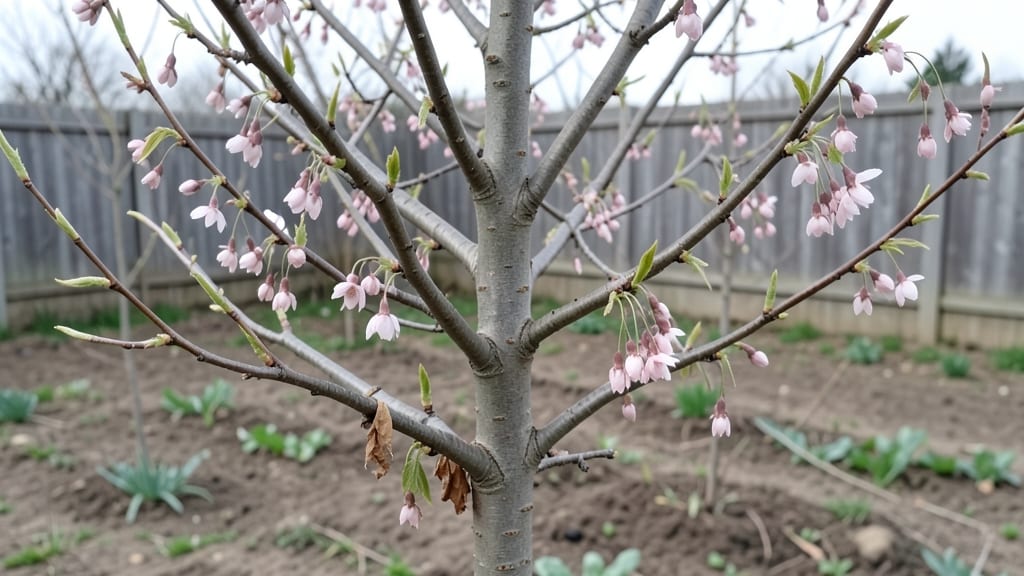
Growing an almond blossom plant means waking up to that signature sweet fragrance every spring—no orchard required. ✨ I’ve had mine for three years now, and the only thing I regret is not planting one sooner.
The key isn’t complicated: it’s about sunlight, soil, and a little patience to let those iconic pink blossoms take over your yard.
The real magic happens in well-draining soil and full sun—at least 6 hours a day—where the roots can spread without soggy surprises. Most people overwater, but almond trees hate wet feet.
Once established, they’re shockingly drought-tolerant, which makes them perfect for dry climates or forgetful gardeners like me. Just don’t skimp on the first year’s watering.
By late winter, you’ll see those delicate blossoms appear, filling the air with a scent that rivals any grocery store’s floral section. The trade-off? They’re not heavy producers unless you’re in a warm climate—think 50-100 nuts per tree—but the fragrance alone makes it worth it.
Prune lightly after blooming to keep the shape tidy, and watch for aphids, which love the new growth.
Even in small yards or containers, these trees thrive—just pick a dwarf variety if space is tight. The best part? They keep getting better with age. Start yours this fall, and you’ll have a fragrant centerpiece for decades. Here’s how to get the most out of yours.
📚 In This Guide
- What you need
- Instructions
- Tips and common mistakes
- Wrapping up and next steps
What you need
- ● Almond tree plant: Choose between: A bare-root sapling (best for spring planting, dormant season)
- ● A potted almond tree (year-round planting, but check root-bound status)
- ● Seeds (slower to bloom; requires stratification for germination)
- ● Well-draining soil: Mix 60% native soil, 30% compost, and 10% coarse sand or perlite (pH 6.0–7.5). Avoid clay-heavy soil!
- ● Sunlight access: A full-sun location (6+ hours of direct sunlight daily). Partial shade may reduce blooms.
- ● Watering can or hose: With a gentle spray nozzle (almond trees hate soggy roots!).
- ● Mulch: 2–3 inches of wood chips or straw (keeps roots cool and retains moisture).
- ● Fertilizer: Balanced 10-10-10 fertilizer (spring planting)
- ○ Slow-release citrus/avocado fertilizer (optional, for established trees)
- ● Pruning shears: Sharp, sterilized shears (for shaping and removing dead branches in late winter).
- ● Drip irrigation system: Saves time and ensures consistent moisture.
- ● Tree support stake: For young saplings in windy areas (use a soft tie to avoid trunk damage).
- ● Pest control: Neem oil or insecticidal soap (prevents aphids or spider mites).
- ● Epsom salt: (1 tbsp/month in water) boosts magnesium for vibrant blooms.
- ● Winter protection: Burlap wrap or frost cloth (for young trees in cold climates).
How to grow and care for an almond blossom plant
This fragrant beauty thrives with simple attention—just light, patience, and occasional pruning.
🌱 Step 1: Select and Acclimate Your Plant
Almond blossom plants (Prunus species) need a healthy start. Choose a 4-6 inch potted plant with at least 3-4 branches showing buds—this ensures better blooming. Place it in a bright, indirect light spot for 3-5 days before full exposure to prevent shock. I always check the soil first: if it feels dry to the touch, give it a light watering to settle the roots.
Here's the thing—these plants love 60-70°F temperatures. If your home runs cooler, avoid drafts near windows or vents. You'll see new growth within 2-3 weeks if the plant is happy. If leaves yellow or drop, it's usually a sign of stress from sudden temperature changes.
☀️ Step 2: Position for Optimal Light and Airflow
Almond blossom plants need full sun (6+ hours daily) to bloom properly. A south-facing window is ideal, but if natural light is limited, supplement with a grow light kept 6-12 inches away. I rotate my plant quarter-turn weekly so it grows evenly—uneven light causes lopsided growth.
Good airflow prevents fungal issues. Place the plant near an open window or use a small oscillating fan on low for 10 minutes daily. You'll notice stronger stems and fewer pests when airflow is right. Avoid cramped spaces—crowding leads to weak, leggy growth.
💧 Step 3: Water and Fertilize for Healthy Blooms
Water when the top 1-2 inches of soil feel dry. I use room-temperature water to avoid shocking the roots. Overwatering is the biggest mistake—soggy soil causes root rot. Let excess water drain completely, and never let the plant sit in saucers of standing water.
Feed with a balanced liquid fertilizer (10-10-10) every 4-6 weeks during spring and summer. I dilute it to half-strength to avoid burning delicate roots. Stop fertilizing in fall and winter—these plants need a rest period to rebloom. You'll see healthier foliage and more blossoms with consistent feeding.
✂️ Step 4: Prune for Shape and Encourage Blooms
Prune right after flowering to shape the plant and encourage next year's blooms. Use clean, sharp pruners to cut back 1/3 of the oldest growth—this stimulates new branches. I always make cuts at a 45-degree angle just above a leaf node to prevent water pooling.
Remove any dead, diseased, or crossing branches first. Thin out crowded areas to improve airflow. If your plant gets too leggy, prune back by half to promote bushier growth. You'll notice more flowers and better fragrance with proper pruning—it's like giving the plant a fresh start.
🌿 Step 5: Overwinter for Year-Round Fragrance
Reduce watering in fall, letting the soil dry slightly more between waterings. Move the plant to a cooler spot (50-60°F) with bright, indirect light—a north-facing window works well. I stop fertilizing entirely during this time to mimic dormancy.
Check for pests like aphids or spider mites—they love dry winter air. Wipe leaves gently with a damp cloth if you spot any. With proper care, your almond blossom plant will reward you with spring blooms and year-round fragrance—just like the real thing, but indoors.
Tips & tricks for perfect almond blossom plant care
A few simple tricks will help your almond blossom plant thrive and bloom beautifully year after year.
Light Adjustment Secret: In Step 2, when positioning your plant for full sun, pay attention to seasonal changes. During winter months when daylight is shorter, supplement with a grow light for 4-5 hours daily to maintain the 6+ hours of light these plants need. I place my grow light on a timer so I don't forget—consistent light prevents leggy growth and ensures continuous blooming. The key is mimicking natural daylight cycles as closely as possible.
Temperature Transition Tip: When moving your plant from the 60-70°F growing range to the 50-60°F winter spot, do it gradually over 3-5 days rather than all at once. Sudden temperature drops can shock the plant, causing leaves to yellow or drop. I move my plant about 10°F cooler each day until it reaches the ideal winter range—this mimics natural seasonal changes and keeps the plant healthy.
Pruning Precision: In Step 4, when you're pruning right after flowering, focus on cutting just above a leaf node at a 45-degree angle. This angle prevents water from pooling on the cut, which could lead to rot. I always sterilize my pruners with rubbing alcohol between cuts to prevent spreading disease. Cutting at the right angle also encourages faster healing and new growth from that exact spot.
Watering Wisdom: The top 1-2 inches dry rule in Step 3 works best when you check with your finger—not a moisture meter. Different soils hold moisture differently, so always feel the soil yourself. I use my index finger to test moisture—if it feels dry up to my first knuckle, it's time to water. This method prevents both underwatering and overwatering, which are the two biggest killers of almond blossom plants.
Pro Tips for Almond Blossom Plant
- A few simple tricks will help your almond blossom plant thrive and bloom beautifully year after year.
- Light Adjustment Secret: In Step 2, when positioning your plant for full sun, pay attention to seasonal changes.
- Temperature Transition Tip: When moving your plant from the 60-70°F growing range to the 50-60°F winter spot, do it gradually over 3-5 days rather than all at once.
Frequently asked questions
Got questions about nurturing your almond blossom plant? You’re not alone!
Here are answers to the most common queries—from timing tips to troubleshooting—so you can enjoy that dreamy, year-round fragrance with confidence.
When is the best time to plant an almond blossom tree?
The ideal time to plant depends on your climate. In USDA Zones 7-10, plant in late fall or early winter (dormant season) to let roots establish before spring. For cooler zones (5-6), wait until early spring after the last frost. Young trees thrive with 6+ months of warm weather—so check your local frost dates!
How long does it take for an almond blossom tree to bloom?
Patience is key! Most almond trees take 3–5 years to produce flowers after planting. Dwarf varieties may bloom sooner (2–3 years), while standard trees can take up to 7 years. Ensure full sun (6+ hours/day), well-draining soil, and consistent watering to speed up the process. Pro tip: Cross-pollination helps—plant two trees for better blooms!
Why aren’t my almond blossoms opening?
No blooms? Check these common culprits:
- Age: Trees under 3 years old may not bloom yet.
- Cold damage: Late frosts (<32°F) can kill buds. Use frost cloth if temperatures dip.
- Poor pollination: Almonds need two compatible varieties for fruit/flower production.
- Nutrient deficiency: Yellow leaves? Test soil for nitrogen or zinc and amend if needed.
If the tree is healthy but still sluggish, try hand-pollinating with a soft brush in early spring.
Can I grow an almond blossom plant in a pot?
Dwarf varieties (like ‘Nonpareil’ or ‘Butte’) thrive in 15–20 gallon containers with drainage holes. Use a fast-draining mix (60% potting soil, 30% perlite, 10% sand). Move pots indoors or to a garage during winter if temps drop below 20°F. Pro tip: Fertilize monthly in spring/summer with low-nitrogen, high-phosphorus formula (e.g., 5-10-10).
Are almond blossoms toxic to pets or kids?
Great news—the flowers, leaves, and bark of almond trees are non-toxic to pets and humans. However, the nuts themselves (if produced) contain amygdalin, which can release cyanide in large quantities—keep them far from curious pets! Always supervise kids around trees, and avoid ingesting any part of the plant in excess.
How do I protect almond blossoms from frost?
Frost can devastate blooms! Try these tricks:
- Cover trees with frost cloth or lightweight blankets when temps drop below 35°F.
- Use row covers or plastic tunnels for young trees.
- Water trees deeply before frost—moist soil holds heat better.
- Plant near south-facing walls or use windbreaks to trap warmth.
If frost hits, wait until new buds form (late winter) before pruning damaged branches.
Wrapping up and next steps
The almond blossom plant is a dream come true for gardeners who crave beauty with minimal fuss—its delicate pink blooms and heavenly scent transform any space into a fragrant paradise with almost no effort.
Whether you’re a seasoned gardener or just starting, this low-maintenance gem proves that stunning results don’t require endless time or expertise. Now’s the perfect time to plant one!
🌱 Your Next Step: Plant & Enjoy
Ready to bring home your own slice of almond blossom magic? Start by selecting your preferred variety (standard or dwarf) and find a sunny spot in your garden or balcony.
With just a little soil prep and occasional watering, you’ll soon be rewarded with a blooming, fragrant masterpiece. Happy planting—your future self (and your nose!) will thank you! 🌸