
Plants
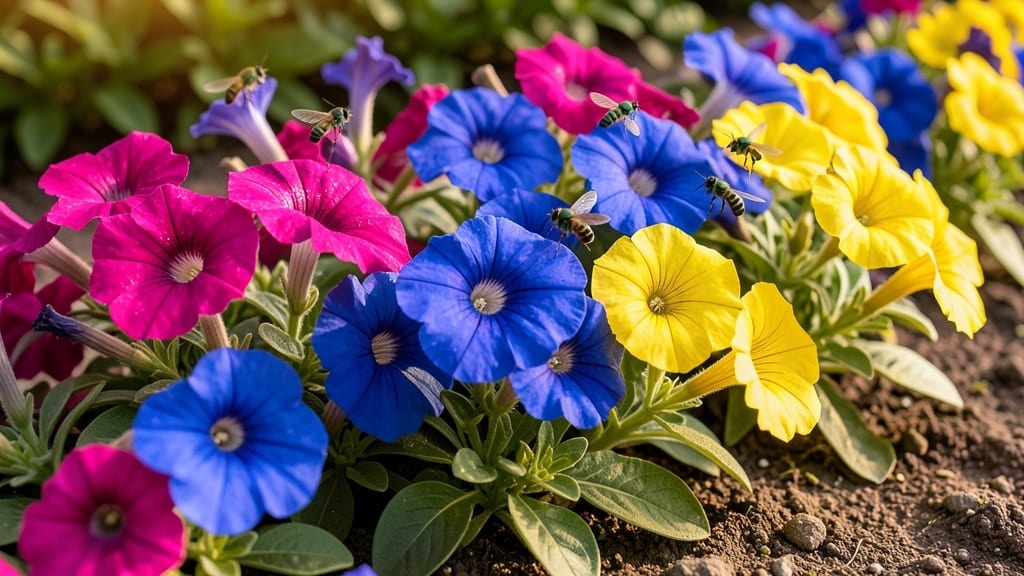
Tired of battling aphids in your garden? These 10 aphid-deterrent plants act as natural pest repellents, protecting your crops and flowers without harsh chemicals. Discover their unique benefits and how to integrate them into your garden layout.
Garlic Chives for Strong Pest Defense
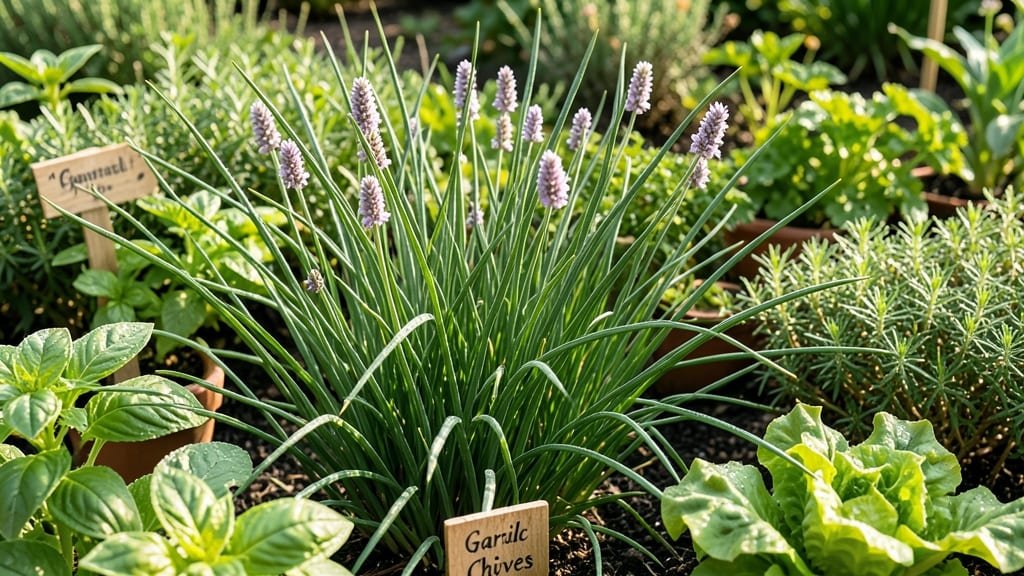
If you’ve ever spotted aphids feasting on your prized plants, garlic chives might just be your secret weapon. This hardy perennial packs a double punch: its strong sulfur scent repels aphids while adding a mild garlic flavor to your cooking—no pesticides required!
Plant them near vegetable beds, herbs, or borders where aphids love to linger. They thrive in full sun to partial shade and prefer well-draining soil, making them perfect for containers or garden edges. Snip leaves as needed for garnishes, and watch aphids steer clear of their potent aroma. 🌱
Ideal for urban gardeners, kitchen herb lovers, and organic growers, garlic chives are low-maintenance yet high-impact. Their purple blooms in late spring also add a pretty touch to any garden. 💚
Marigold Flowers with Dual Benefits
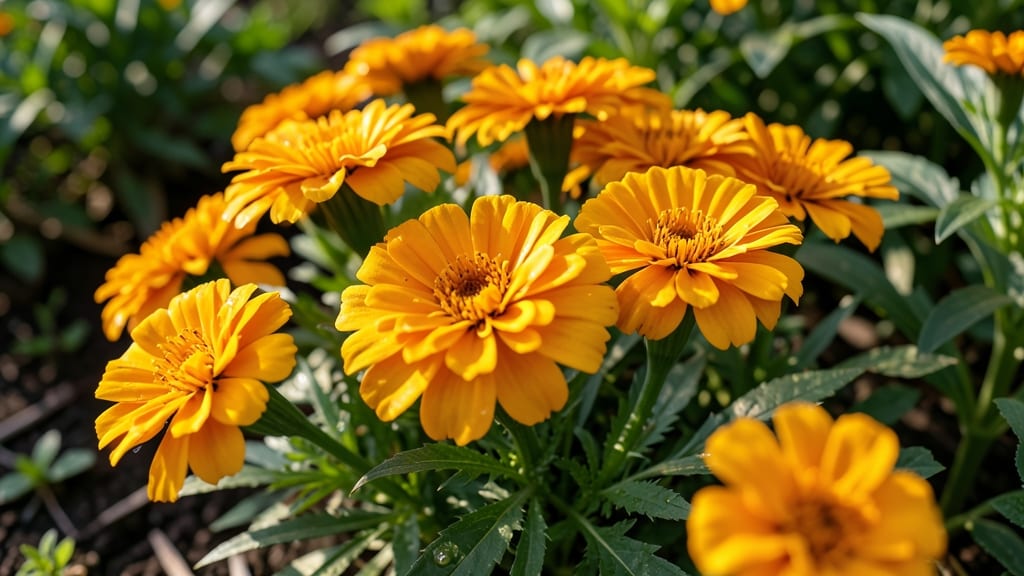
Looking for a plant that fights aphids and boosts your garden’s beauty? Marigolds are the secret weapon you’ve been missing. Their golden-orange blooms aren’t just pretty—they contain pyrethrin, a natural insect repellent that disrupts aphid feeding and even kills some pests on contact.
Plant them near vegetables like tomatoes and peppers or alongside flowers to create a protective barrier. Marigolds thrive in full sun and well-draining soil, making them easy to grow from seed. Bonus: Their bright colors attract pollinators like bees and butterflies, turning your garden into a thriving ecosystem. 🌻
Catnip Plants for Aphid Control
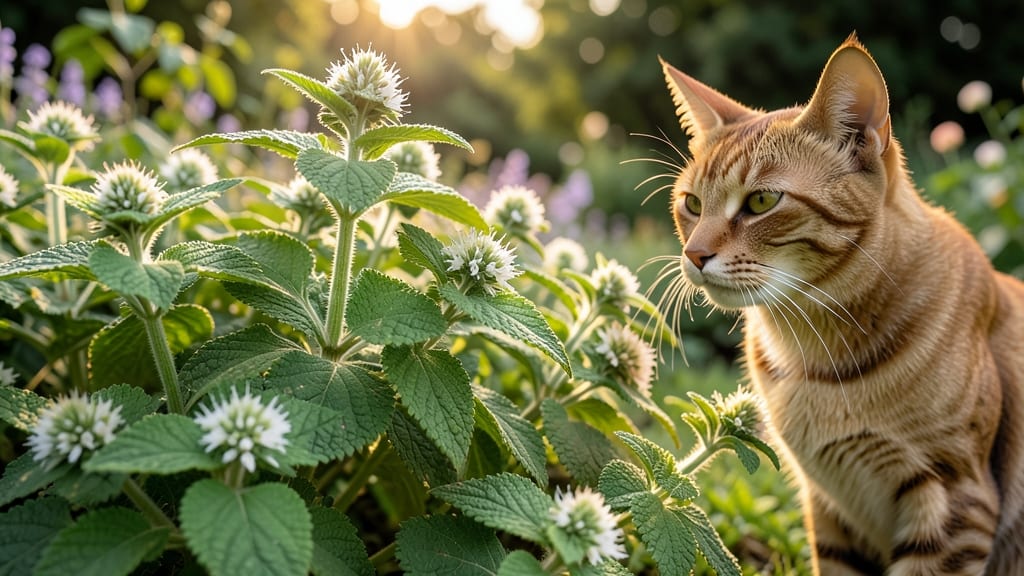
If you're an organic gardener who loves cats, catnip might be your secret weapon against aphids. This hardy perennial not only produces the compound nepetalactone, which disrupts aphid feeding patterns, but also lures feline friends into your garden—adding an extra layer of pest control.
Plant catnip in sunny spots with well-draining soil, and watch it thrive in USDA zones 4-9. The strong scent repels aphids while attracting cats, who naturally patrol the area, keeping pests at bay. It’s perfect for borders, containers, or alongside roses and vegetables.
This dual-purpose plant is ideal for gardeners who want both chemical-free pest control and a playful garden companion. 🌻
Chives as Natural Aphid Repellent
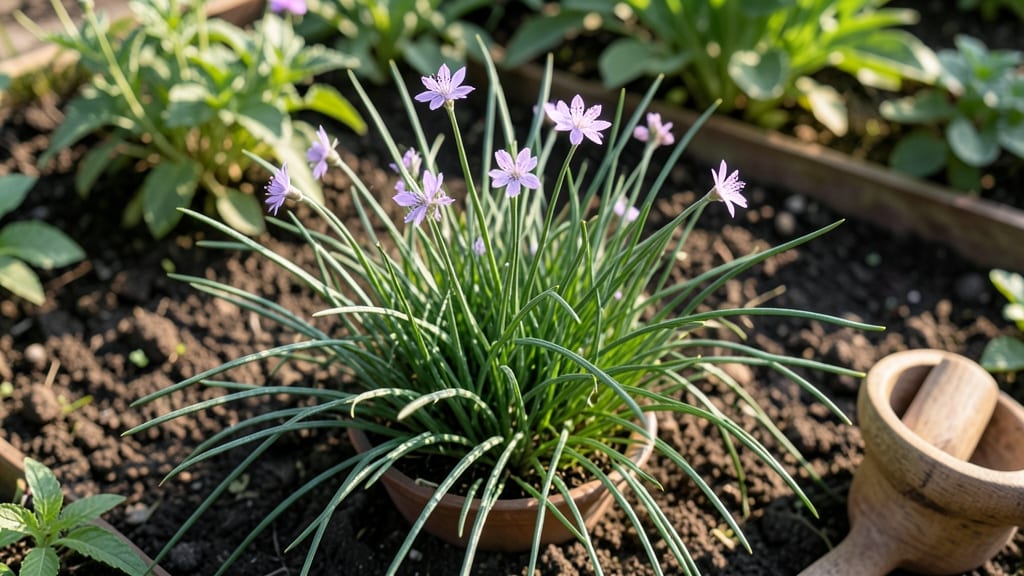
Looking for a dual-purpose plant that fights aphids and adds flavor to your meals? Chives are your answer—this gentle herb confuses aphids with its subtle onion scent while thriving in tight spaces.
Plant chives in containers or small garden beds, where their slender leaves and delicate purple flowers add charm. They prefer well-draining soil and 4-6 hours of sun, making them ideal for windowsills, herb spirals, or edging borders. Snip leaves as needed for salads or garnishes—aphids won’t stand a chance near their mild aroma.
Perfect for urban gardeners or anyone with limited space, chives offer a low-maintenance, edible solution to aphid problems. 🌱
Dill Plants for Aphid-Free Gardens
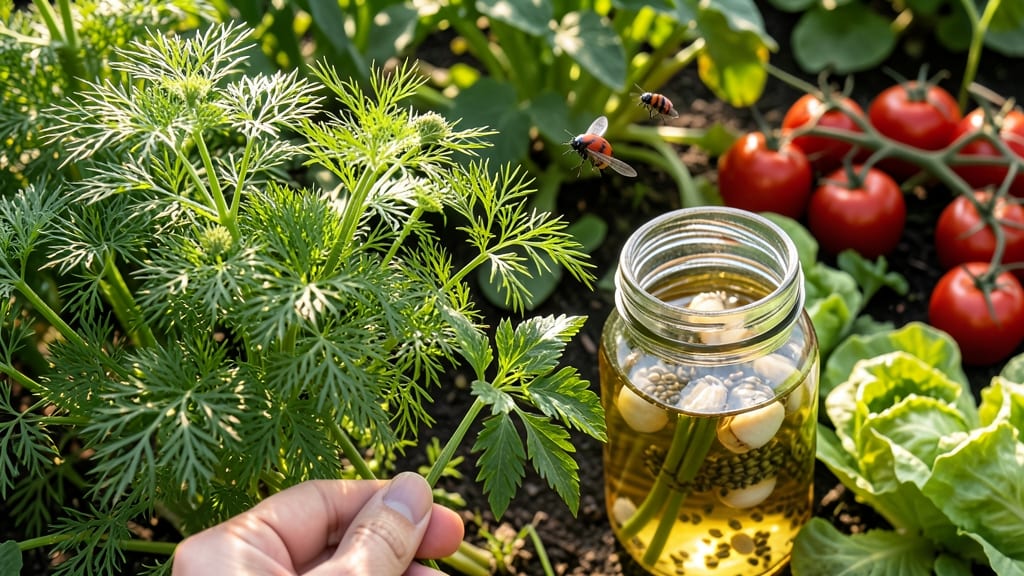
If you love fresh dill for pickling but hate dealing with aphids, you’re in luck—this feathery herb is a two-in-one solution. While its strong anethole-rich scent naturally repels aphids, it also lures in ladybugs and lacewings, which feast on these pests. Plant it near your tomatoes, lettuce, or cabbage for a double layer of protection.
Dill thrives in full sun to partial shade and grows quickly from seed, reaching maturity in just 60-70 days. For continuous blooms (and aphid control), succession plant every 2-3 weeks through summer. The more flowers you have, the more beneficial insects you’ll attract—creating a natural pest-control ecosystem.
This is the perfect choice for vegetable gardeners who want both flavor and function. Plus, harvesting fresh dill for salads or pickles means you’ll always have a reason to visit your garden. 🌻
Lavender for Aphids and Relaxation
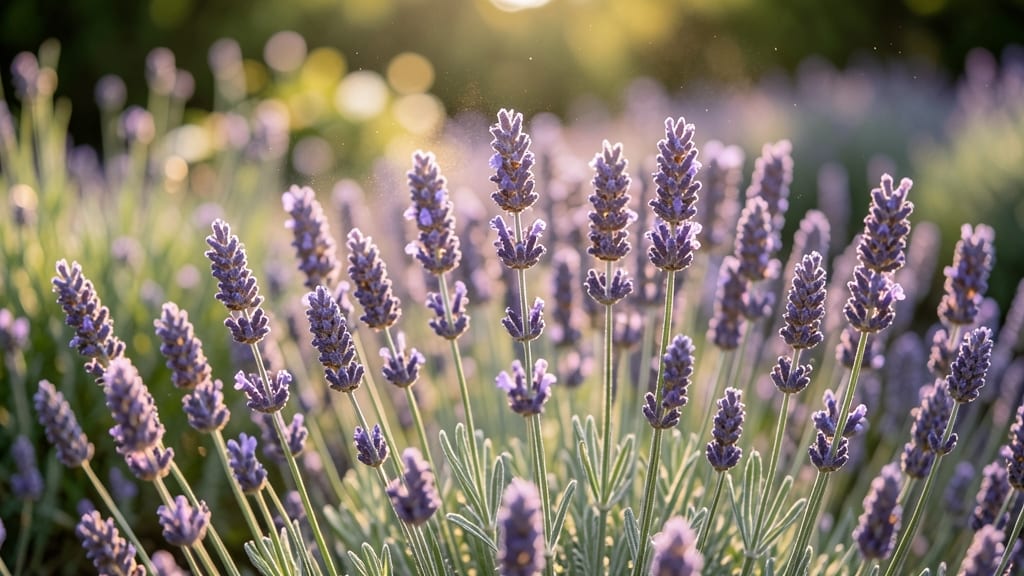
Want a garden that repels aphids and soothes your soul? Lavender is the perfect two-in-one solution. Its intense fragrance doesn’t just mask the scents that attract aphids—it actively confuses them, keeping your prized plants safe while filling your space with calming aromas.
Plant English lavender or French lavender in well-drained soil with full sun exposure (6+ hours daily). Its drought-tolerant nature makes it ideal for borders or pollinator gardens, where it thrives year after year. Plus, harvesting the blooms for sachets or teas doubles as pest control and stress relief.
Perfect for gardeners who crave beauty and functionality, lavender’s dual benefits make it a must-have for any aphid-prone space. 🌿
Fennel Bulbs as Aphid Barrier
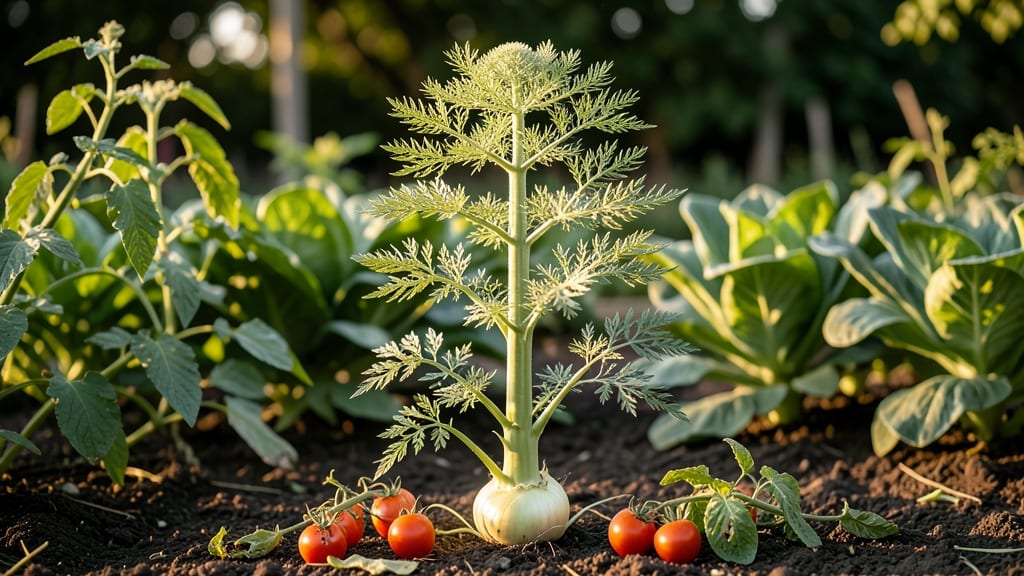
If you’ve ever struggled with aphids devouring your tomatoes or brassicas, fennel bulbs might be your secret weapon. Their strong anise scent doesn’t just repel aphids—it confuses them, making nearby plants less appealing. This dual-action approach works even better than many chemical sprays.
Plant fennel bulbs directly in your vegetable beds or as a border around susceptible crops like kale and cabbage. The feathery foliage also adds architectural interest to your garden, creating a natural barrier that’s as pretty as it is functional. For best results, space bulbs 12-18 inches apart and ensure they receive full sun to maximize their pest-deterring power.
This makes fennel ideal for organic gardeners and those with small spaces, offering both pest control and visual appeal without sacrificing valuable growing area. 🌿
Mint Varieties for Powerful Repellency
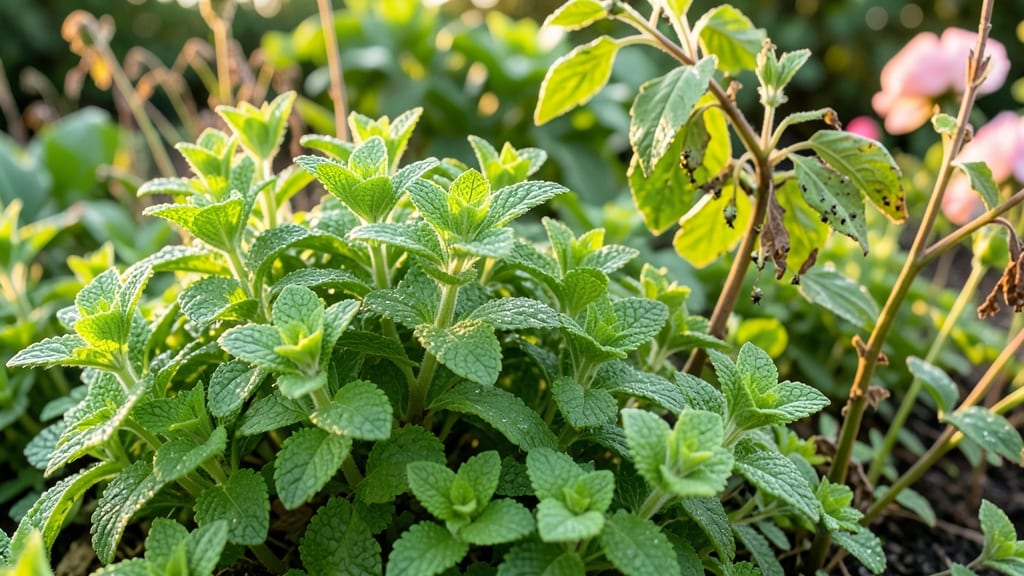
If you’ve ever struggled with aphids devouring your prized plants, mint might be your secret weapon—it’s one of nature’s most potent aphid repellents. The intense menthol scent overwhelms aphids’ delicate senses, while its rapid growth smothers their hiding spots.
For best results, plant spearmint, peppermint, or apple mint in containers to control its invasive roots. Place them near vulnerable plants like roses or vegetables, and harvest leaves regularly to encourage bushier growth. Bonus: Mint thrives in partial shade and even tolerates occasional drought once established.
Urban gardeners and small-space growers will love mint—it’s perfect for balconies, patios, or kitchen windowsills. Plus, its leaves make refreshing teas or cocktails, giving you a dual-purpose pest fighter and culinary herb! 🌿
Coriander Plants for Aphid Control
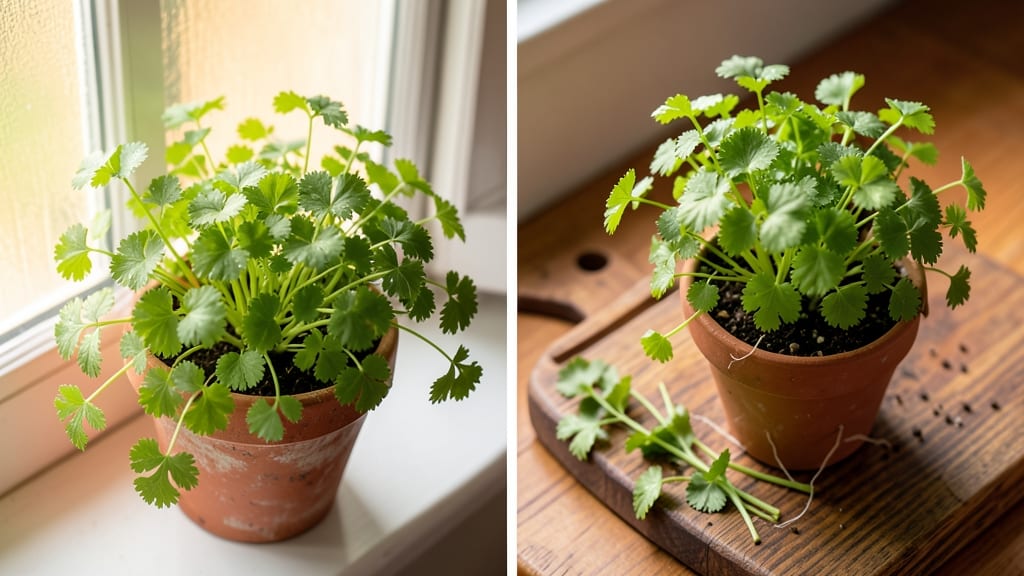
If you love cooking with fresh herbs but hate aphids ruining your garden, coriander is the perfect two-for-one solution. Its bright, citrusy aroma doesn’t just enhance your dishes—it also disrupts aphid feeding patterns, making it a natural pest deterrent you can use in the kitchen too.
Plant coriander near carrots and tomatoes to create a protective barrier, as its scent confuses aphids while attracting beneficial insects. For best results, sow seeds directly in well-draining soil with full sun to partial shade and keep the soil consistently moist. Harvest leaves regularly to encourage bushier growth and deter pests.
This versatile herb thrives in container gardens or raised beds, making it ideal for urban gardeners or small spaces. Plus, its edible leaves add a fresh, lemony flavor to dishes—so you’re not just fighting aphids, you’re also growing a kitchen staple! 🌿
Petunias for Colorful Aphid Defense

Want to fight aphids and add a splash of color to your garden? Petunias are your secret weapon—these cheerful bloomers attract hoverflies, nature’s aphid hunters, while their bright hues visually repel pests. Unlike other repellent plants, petunias work on two fronts: biological control and visual deterrence.
Plant petunias in full sun (6+ hours daily) for maximum bloom production, which keeps hoverflies buzzing around. Their trailing varieties spill beautifully over container edges, creating a year-round aphid barrier when deadheaded regularly. Choose double-flowered types for extra pest confusion—their dense blooms make it harder for aphids to settle.
Perfect for urban gardeners with limited space or beginner growers who want low-maintenance color, petunias turn aphid defense into a visual treat. Just add them to borders or hanging baskets for a pest-free, picture-perfect display. 🌻