
Companion Plants
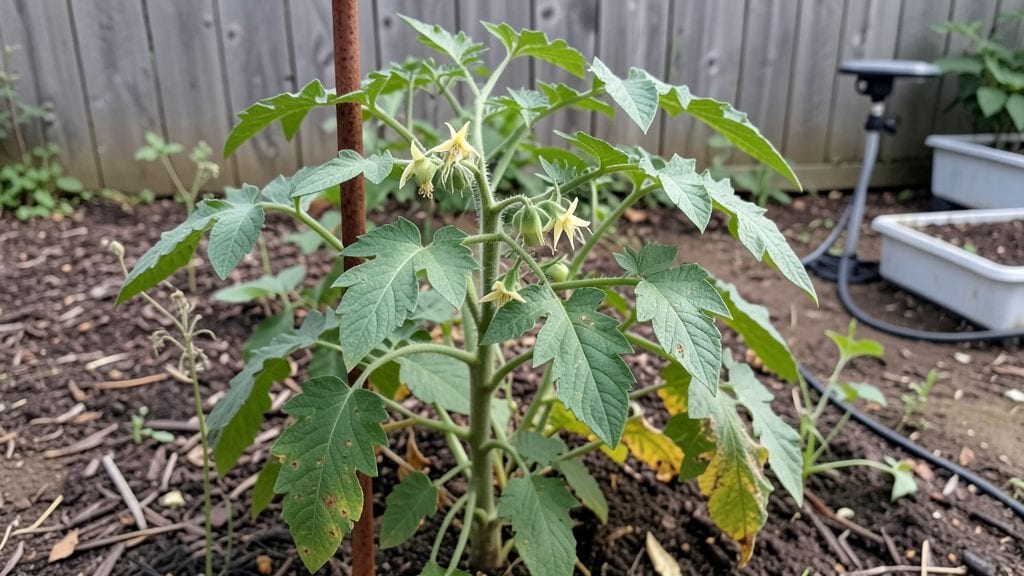
Growing tomato plants in aquaponics transforms your kitchen garden into a self-sustaining system where fish and plants thrive together. 🌱 I’ve watched cherry tomatoes ripen faster and larger than in soil—no wilting, no nutrient guesswork, just steady growth from the roots up.
The trick lies in matching the right tomato varieties to the system’s gentle water flow and nutrient balance.
Start with determinate varieties like ‘Sweet 100’ or ‘Roma’—they handle the aquaponics environment better than sprawling indeterminates. Your setup needs a 100-gallon tank for fish (tilapia or goldfish work well), a grow bed with net pots, and a water pump circulating nutrients from the fish waste.
No soil means no compacting, no pests burrowing in, and roots that breathe freely.
By week 6, you’ll see vibrant green vines climbing your trellis, and by summer, clusters of tomatoes so sweet they’ll make neighbors ask for cuttings. The system even cleans itself—fish eat algae, and plants filter water.
Just watch for white mold (reduce humidity) and root rot (check water temps stay above 65°F).
This method works in small spaces—balconies, greenhouses, or garages—so long as you keep the light strong and the pH between 5.8 and 6.5. Once you master it, you’ll never go back to soil. Here’s how to get started without the overwhelm.
📚 In This Guide
- What you need
- Instructions
- Tips and common mistakes
- Wrapping up and next steps
What you need
- ● Grow Bed: 1x IBC tote (275+ gallons) or custom-built grow bed (minimum 12" deep)
- ● 1x Net pot tray (fits your grow bed dimensions)
- ● Aquaponics System Components: 1x Water pump (500–1,000 GPH) (for circulation)
- ● 1x Air pump + air stone (for oxygenation)
- ● 1x Water testing kit (pH, ammonia, nitrites/nitrates)
- ● 1x Grow lights (LED, full spectrum, 20W–50W) (if indoors)
- ● Fish Tank & Fish: 1x Fish tank (50+ gallons, separate or integrated)
- ● 5–10 tilapia, catfish, or goldfish (adjust based on system size)
- ● Tomato Plants: 3–6 dwarf or determinate tomato seedlings (e.g., 'Tiny Tim,' 'Patio Princess')
- ○ 1x rooting hormone (optional, for faster growth)
- ● 1x Automatic pH adjuster (to maintain 5.8–6.5 pH)
- ● 1x Water heater (70–80°F) (for cooler climates)
- ● 1x Bell siphon (for flood-and-drain systems)
- ● 1x Support trellis or stakes (for vertical growth)
- ● 1x Extra net pots (3–5) (for companion plants like basil or lettuce)
- ● 1x Grow media (clay pebbles, gravel, or expanded clay) (2–3" deep in net pots)
Step-by-step guide for growing tomato plants in aquaponics
Here's how to cultivate robust tomato vines in an aquaponics system—where fish waste fuels growth and roots thrive in nutrient-rich water.
🌱 Step 1: Select and Prepare the Right Tomato Varieties
Choose determinate varieties like 'Roma' or 'Celebrity'—they handle aquaponics better than sprawling indeterminate types. Seedlings need 4-6 weeks of pre-growth in soil before transplanting to avoid shock. I start mine in 2-inch cells with a sterile seed-starting mix (not the aquaponics media yet).
Watch for first true leaves—those are your cue to harden off seedlings. Place them near the aquaponics system for 3-4 days before moving them in. This gradual transition prevents leaf scorch from the system’s humidity shift. Avoid overwatering now; seedlings in soil need only bottom watering to prevent damping-off.
🪴 Step 2: Set Up the Aquaponics Media and Fish Stock
Use clay pebbles or expanded clay in your grow bed—these provide 100% support while allowing water and nutrients to circulate. Fill the bed 3/4 full, leaving space for root expansion. I stock my system with 4-6 tilapia or goldfish per 10-gallon tank—they produce enough waste to sustain 4 tomato plants without overloading the system.
Monitor the ammonia levels closely for the first 7-10 days. Keep them below 0.5 ppm to avoid stressing the fish. The biofilter (your media) will establish within 2-3 weeks, turning ammonia into nitrites and then nitrates—tomatoes’ favorite fertilizer. You’ll see clear water and active bubbles in the airlift once it’s balanced.
☀️ Step 3: Transplant Seedlings and Manage Light
Transplant seedlings when they have 3-4 sets of true leaves and the aquaponics system is fully cycled. Gently remove them from their soil cells, rinse off excess mix, and place them in the grow bed. Roots should dangle freely into the water—never bury them. Use floating plant supports or net pots to keep stems upright.
Tomatoes need 14-16 hours of light daily. A full-spectrum LED grow light positioned 6-12 inches above the plants works best. If using natural light, place the system in a south-facing window or under a greenhouse. You’ll notice leggy growth if light is insufficient—adjust immediately to prevent weak stems.
💧 Step 4: Monitor Water Parameters and Prune for Support
Check pH (5.8-6.5), temperature (70-80°F), and dissolved oxygen daily for the first month. Use a small air pump to maintain oxygen levels—roots need it as much as fish do. Top off water as needed, but never exceed the grow bed’s media line. Overwatering here means root rot, not just wilting.
Prune suckers (the small shoots between stems and branches) weekly to direct energy to fruit production. Train vines along trellises or cages to maximize air circulation. You’ll see first flowers in 6-8 weeks—pinch them off if the plant isn’t established yet. Once fruits form, reduce pruning to let the plant focus on ripening.
⏰ Step 5: Harvest and Maintain the System Long-Term
Harvest tomatoes when they’re fully colored and slightly soft to touch. Use pruning shears to avoid damaging the vine. In aquaponics, yield slows after 8-10 weeks—this is normal. I replace 25% of the fish stock every 3 months to prevent nutrient depletion. The old fish can be harvested for meals, and new ones keep the system fresh.
Winterize by reducing fish stock to 2 per 10 gallons and switching to cold-hardy plants like lettuce. Drain and rinse the system, then store it in a cool, dark place. You’ll restart with new fish and seedlings in spring—no soil, no stress, just thriving vines every season.
Tips & tricks for perfect aquaponics tomato growth
Aquaponics transforms tomato cultivation by eliminating soil stress—here's how to optimize every phase for maximum yield and plant health.
Seedling Transition Strategy: The 3-4 day hardening-off period near your aquaponics system is critical. Place seedlings on a tray near the grow bed so they experience the humidity shift gradually. I've seen leaf scorch develop within hours when seedlings go from dry soil to high-humidity aquaponics environments too quickly. Use a small fan on low setting for 10 minutes daily during this period to strengthen stems—this mimics wind exposure and prevents weak, floppy growth.
Biofilter Establishment: Those first 2-3 weeks while your biofilter develops are the most delicate phase. Test ammonia levels twice daily during this period—any reading above 0.5 ppm stresses both fish and plants. I keep a spare air stone on hand to boost oxygen if bubbles in the airlift slow down. The clear water and active bubbles you'll eventually see are your confirmation that nitrifying bacteria have colonized the media.
Light Management: The 14-16 hours of daily light requirement is non-negotiable for tomato fruit set. If using natural light, rotate your system every 3-4 days to ensure even exposure—you'll notice one side becoming leggy if light isn't distributed properly. For indoor setups, I recommend a timer for your grow lights to maintain consistency. The 6-12 inch distance guideline is flexible—adjust based on leaf burn (too close) or weak growth (too far).
Pruning Precision: Weekly sucker removal might seem tedious, but it's the key to maximizing fruit production. Look for those small shoots in the leaf axils—they're energy vampires that divert nutrients from your tomatoes. I use clean pruning shears and immediately dip them in rubbing alcohol between cuts to prevent disease transmission. Once flowers appear at 6-8 weeks, reduce pruning to let the plant focus its energy on fruit development rather than foliage growth.
Pro Tips for Aquaponics Tomato Plants
- Aquaponics transforms tomato cultivation by eliminating soil stress—here's how to optimize every phase for maximum yield and plant health.
- Seedling Transition Strategy: The 3-4 day hardening-off period near your aquaponics system is critical.
- Biofilter Establishment: Those first 2-3 weeks while your biofilter develops are the most delicate phase.
Frequently asked questions
Got questions about growing aquaponics tomato plants? You’re not alone—this method is game-changing but can feel tricky at first! Here are answers to the most common queries to help you grow like a pro.
What’s the best tomato variety for aquaponics?
Cherry tomatoes (like Sungold or Sweet 100) and dwarf varieties (e.g., Tiny Tim) thrive best in aquaponics due to their compact size and fast growth. Avoid indeterminate giants like Beefsteak—they need heavy pruning and support, which can strain your system. Stick to determinate or semi-determinate types for easier management.
How long does it take for tomatoes to fruit in aquaponics?
With ideal conditions (65–85°F, 12+ hours of light), you’ll see flowers in 4–6 weeks after transplanting seedlings. Fruit should appear in 8–12 weeks, though some varieties (like Early Girl) may produce sooner. Patience is key—rushing with nutrients or pruning can delay harvests!
Will fish get stressed by tomato roots?
Not if your system is balanced! Tomato roots are non-invasive and won’t harm fish, but overcrowding or poor water flow can cause stress. Use floating rafts or net pots to keep roots contained, and monitor fish behavior. A healthy fish population (like tilapia or goldfish) will even help by eating algae and keeping water clean.
How do I fix yellow leaves on my aquaponics tomatoes?
Yellow leaves usually signal nutrient deficiencies (often nitrogen or potassium) or pH imbalances (ideal range: 6.0–7.0). Test your water immediately and adjust with fish feed (for nitrogen) or potassium-rich supplements. Check for root rot (mushy stems) too—prune affected areas and improve aeration with an air stone.
Can I grow tomatoes in aquaponics indoors?
Use a grow light (LED or full-spectrum) for 14–16 hours/day and keep temps stable (70–80°F). A small media bed system works well indoors—just ensure proper ventilation to prevent mold. Start with seedlings (not seeds) to save space, and harvest frequently to encourage continuous production.
Pro Tip:
Need a quick fix? Add a handful of fish food to your system every 2–3 days to boost nitrogen levels—your tomatoes (and fish!) will thank you.
Wrapping up and next steps
Growing aquaponics tomato plants is a rewarding journey that blends sustainability with delicious results—all while keeping your garden soil-free! 🌱 With the right setup, companion plants, and care, you’ll enjoy bountiful harvests and a thriving ecosystem.
Whether you’re a beginner or a seasoned grower, this method proves that zero soil stress doesn’t mean zero success.
Ready to take the next step? Start small with a test system, experiment with companion plants like basil or lettuce, and watch your tomatoes flourish. Your future harvests are just a few seeds (and a little patience) away! 🍅✨